
Why High Voltage Circuit Breaker Mechanisms Improve System Safety
High voltage circuit breakers directly improve system safety by stopping faults quickly, keeping equipment safe from overcurrent harm, and cutting down on the length of the arc when the power is disconnected. High-voltage electrical accessories rely on these mechanisms, which can be spring-powered, electromagnetic, or permanent magnet. When a fault happens, the mechanism quickly opens the contacts by using stored energy. This stops a chain of failures that could put people in danger or damage the infrastructure. Reliable mechanism performance lowers the risk of power outages and supports long-term operating continuity across industrial sites. This is why they are an important part of modern electrical safety systems.
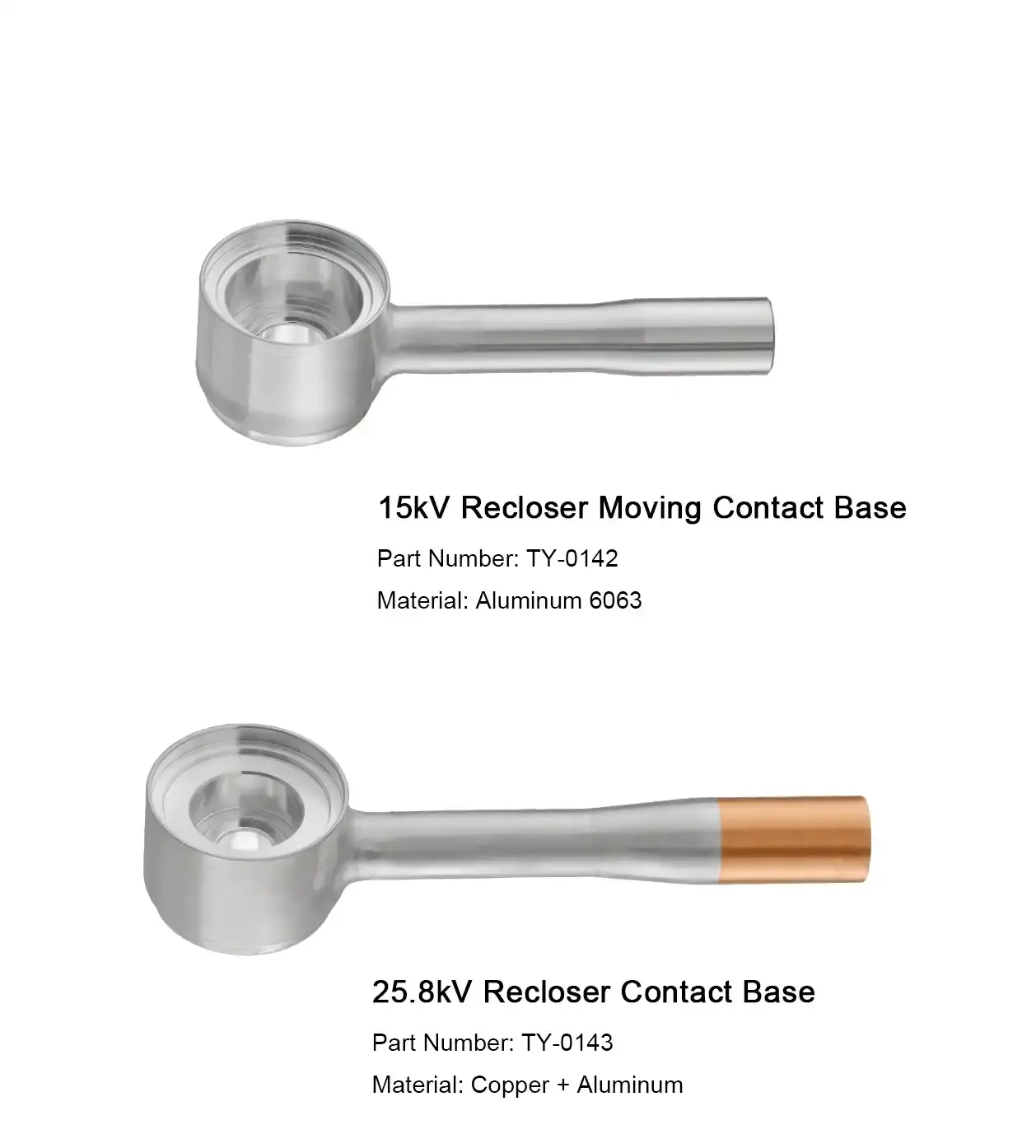
Understanding High Voltage Circuit Breaker Mechanisms
High voltage circuit breakers are like watchdogs for electrical networks. They are meant to find odd current flows and stop them before they do more damage. Whether it's a spring, a hydraulic, a pneumatic, or a magnetic device, it stores and uses energy to physically separate electrical contacts when there is a fault. How well a breaker protects transformers, generators and transmission lines from damage caused by overload or short-circuit depends on how quickly it can react.
Core Functions and Working Principles
Circuit breakers have three main jobs: they close the contacts to restore power, open the contacts when there is a problem, and stay open until they are reset manually or automatically. Spring mechanisms store mechanical energy by being charged by a motor and then release it when a trip signal is sent. When an electromagnetic device closes or opens, it uses solenoid force, which provides accuracy in low- to medium-voltage settings. Permanent magnet systems use magnetic force to hold and release things, which saves energy and makes them more reliable in difficult conditions. Each type reacts differently to changes in temperature, vibration, and maintenance intervals, which has an effect on how quickly faults are fixed and how safe the system is overall.
Mechanism Types and Operational Advantages
Medium-voltage uses mostly use spring-operated devices because they are reliable and don't depend on outside pressure systems. In high-voltage substations, where heavy-duty breakers can work faster thanks to big energy stores, hydraulic mechanisms work best. Electromagnetic mechanisms are small and can be used in places with limited space, like urban substations and industrial switchgear. Permanent magnet mechanisms are the newest development. They have very low maintenance needs and last a very long time—often more than 30,000 mechanical operations without needing to be overhauled.
Yuguang is an expert in making spring and permanent magnet mechanisms that work with voltages from 6KV to 40.5KV. Our modular design combines aerospace-grade precision parts with IP67-sealed housings to ensure accurate operation in wet coastal areas, hot deserts, and high altitudes where other mechanisms fail early. This flexibility solves the problem of compatibility that procurement teams face when they have to choose tools for different project places.
Impact on Fault Response and Reliability
The quality of the mechanism determines whether a breaker opens after three cycles or ten during a fault. This difference can mean the difference between saving a motor and replacing it. Contact bounce, timing problems, and premature wear are all problems that can happen with poorly designed mechanisms. All of these problems can lead to failed interruptions and longer arc exposure. Position monitoring, journey curve analysis, and diagnostic interfaces are some of the more advanced features that let support teams know about problems before they happen. Yuguang uses multiple testing methods, such as arc discharge verification and load adjustment checks, to make sure that our products meet both IEC standards and the specific needs of steel mills, wind farms, and power distribution networks.
Key Safety Standards and Specifications for High Voltage Electrical Accessories
Circuit breakers go from being mechanical devices to approved safety systems when they meet international standards. Professionals in procurement have to understand IEC 62271, IEEE C37, and ANSI standards, which list voltage ratings, interruption capacities, and environmental performance thresholds. As a result of these standards, minimum requirements are set for insulation coordination, mechanical endurance, and arc extinction capability.
All of these factors have a direct impact on how safely a breaker works when it is under a lot of stress. For high-voltage electrical accessories, including instrument transformers, bushings, and surge arresters that support circuit breaker operation, the same rigorous standards apply—ensuring that every component in the switchgear assembly meets consistent safety and performance benchmarks, thereby delivering comprehensive system reliability and compliance with international regulatory frameworks.
Essential Specifications and Ratings
The voltage class decides how much insulation is used and how far apart the parts are in the breaker assembly. A 12KV breaker made for 95KV Basic Impulse Level (BIL) can handle lightning-caused shocks that would damage lower-rated gear. Current ratings show both the continuous load capacity and the short-circuit interrupting ability. For example, a 630A breaker can handle a 20KA fault current for three seconds before it needs to be disconnected because of thermal limits. The interruption capacity, which is given in MVA, tells you how much energy a circuit breaker can safely put out without touching it or causing an explosion. Yuguang's 6KV–40.5KV product line has 16KA to 31.5KA stoppage capacities, so it can be used in all kinds of places, from utility substations to distribution wires.
Safety Features in Modern Mechanisms
Modern breaker safety is defined by advanced arc cooling technologies. Ionising sulphur hexafluoride with SF6 gas breakers quickly cools and deionises fault sparks, stopping the flow of electricity in less than two cycles. Vacuum breakers work by separating contacts in spaces that have been evacuated. This leaves no room for fire and lowers the need for upkeep. Yuguang's vacuum circuit breakers have solid-sealed poles that are handled with special tools. This keeps moisture out, which weakens the dielectric strength. Our ceramic coating and powder treatment make the surface more resistant to tracking and flashover, which are common ways for insulation to fail in polluted industrial environments where chemical vapours and salt spray can damage it.
Environmental and Installation Considerations
The operating temperature range tells you where a breaker will reliably work. Standard rates cover temperatures from -25°C to +40°C, but mining operations in the north need to be able to work in -40°C, and sites in the equator need to be able to work in +55°C. The efficiency of insulation changes with altitude. For example, breakers placed above 1000 meters need to be derated or given more space around them because the air density is lower there. In places that are prone to earthquakes, seismic training is important because mechanical shocks can cause false trips or jams in mechanisms. Yuguang's scenario-based customisation takes these factors into account by using thermal compensation springs, altitude-rated bushings, and vibration-isolated mounting systems that were created by testing our 39 patented innovations in real-world project settings.
Common Issues in High Voltage Circuit Breaker Operation and Maintenance
Without proper maintenance, even breakers that are well-made will break down. The main types of failure that put people in danger are mechanical wear, contact erosion, and insulation breakdown. Knowing about these problems helps buying teams choose equipment that needs to be serviced at the right times and has spare parts readily available. These are important factors that have a big effect on the total cost of ownership and the efficiency of operations.
Mechanical Wear and Contact Erosion
The system opens and closes many times during each action, which puts stress on the springs, bearings, and linkages. Degradation of lubricants raises friction, which slows down response times and could lead to trip failures. Contact erosion happens every time there is an interruption in the current, lowering the contact surface area and raising the resistance over time. After 10,000 operations, erosion may be too high for the manufacturer's standards, and the contact needs to be replaced to keep it from getting too hot. Yuguang breakers go through multiple rounds of functional performance testing that confirms their 30,000-cycle longevity under rated load conditions. This means that they don't need to be serviced as often as rivals whose ratings are only 10,000 cycles.
Insulation Degradation and Failure Modes
Moisture getting into high-voltage insulation is the silent killer of it. Over years of temperature cycles, tiny seal failures let humidity into organic insulation materials, weakening the dielectric until flashover happens. In dirty places, partial discharge (localised electrical stress that wears away insulation over time) happens faster. Tan delta testing to find early signs of wear and tear, infrared scanning to find hot spots that mean there are contact problems, and SF6 analysis for gas-insulated breakers should all be part of regular inspection protocols. Unexpected failures that cause multi-hour outages and damage to equipment can be avoided with maintenance plans that stress replacing parts at the right time.
Yuguang's integrated modular design makes servicing easier by letting you change out mechanisms without having to mess with the main links. As part of our after-sales service, we offer installation help, maintenance contracts, and spare parts delivery within 7 to 15 days for standard parts. This full-chain support model solves the maintenance problems that operations teams have been pointing out, like suppliers who take too long to respond and not enough technical documentation. For high-voltage electrical accessories, this same commitment to service excellence applies—ensuring that every supporting component, from bushings to surge arresters, benefits from the same rapid-response logistics, clear technical documentation, and modular replaceability that simplify maintenance and minimise system downtime across the entire switchgear installation.
Comparing High Voltage Circuit Breakers to Other Electrical Accessories for Enhanced Safety
To choose the best safety, you need to know how circuit breakers stack up against other options. Low voltage breakers, fuses, and contactors all do different things. But high voltage breakers are better at stopping faults and coordinating system security, which is why they are used in important situations.
High Voltage vs. Low Voltage Breakers
Changing the voltage class completely changes how a breaker is made. Low voltage breakers (under 1KV) use magnetic trip elements and air or molded-case stoppage to work. They can be used for motor control and power sharing in buildings. High voltage breakers use vacuum or gas interruption media and complex systems that can put out sparks carrying thousands of amps. The safety benefit shows up when there is a fault. A properly rated high voltage breaker keeps the fault duration to less than 100 milliseconds, protecting both the equipment upstream and downstream at the same time. Low voltage devices don't have this ability to coordinate, so they often need backup fuses that make it hard to predict when they will blow.
Circuit Breakers vs. Fuses in Industrial Applications
Fuses protect against overcurrent for a low cost, but they limit how the system can be used. Fuse replacement has to be done by hand, which means the system has to be shut down. When faults are fixed, circuit breakers reset, cutting the time it takes to restore power from hours to minutes. This availability advantage directly leads to production revenue in situations like motor drives in steel mills or grid connections for wind turbines. Fuses also can't pick out just the broken part; they can't work with devices upstream or downstream to do that. Breakers with current safety relays can selectively coordinate, which limits the impact of outages and raises the overall reliability of the system.
Yuguang's circuit breakers work with digital protection switches to make complex coordination methods possible. Our technical support team does protection coordination studies and relay settings that are specific to each customer's installation. This helps project engineers with the complicated compatibility issues that come up when designing a system.
Material and Connector Choices for Durability
The choice of contact material affects both how well it works electrically and how long it lasts. As a result, repair times are longer because silver-tungsten combinations are better at resisting erosion than pure copper. In highly polluted settings, bushing insulators made of porcelain offer better tracking resistance than polymer options. Specifications for connector torque stop joints from being too loose, which causes heat and speeds up failure. Over the course of 20 years, these seemingly small details add up to big changes in how reliable the equipment is. Yuguang chooses metals that don't rust and inspects each part carefully before it is made. This makes sure that the performance promised by the material matches the performance provided. Our international shipments come in wooden boxes that don't let water in. This keeps equipment from getting damaged in transit or rusting before it can be used.
Procurement Best Practices for High Voltage Circuit Breaker Mechanisms and Accessories
For buying to go well, short-term project needs and long-term operating needs must be balanced. Choosing reputable makers, checking certifications, and making thorough service agreements can help reduce the doubt that comes with buying high-voltage equipment. Procurement managers who have to deal with tight deadlines and complicated technical requirements have said that these practices directly help them. When sourcing high-voltage electrical accessories—including bushings, surge arresters, and instrument transformers—these procurement principles are especially critical, as the quality and reliability of these supporting components directly impact the overall performance and safety of the switchgear system, making rigorous supplier evaluation and comprehensive warranty terms essential to long-term operational success.
Selecting Reputable Manufacturers and Certifications
Reliability of a product is strongly linked to the image of the manufacturer. Well-known companies like Schneider, Siemens, and ABB put a lot of money into quality control and testing systems that smaller companies can't match. But specialised makers like Yuguang can offer clear benefits in terms of customisation and quick service that big companies find hard to match. Priorities for verification should include ISO 9001 quality certification, national high-voltage equipment testing reports, and patent portfolios that show real innovation instead of copied designs. Yuguang has 39 useful patents that cover things like vacuum interrupter design, mechanism optimisation, and modular assembly methods. It is also certified by ISO 9001:2015 and recognised as a High and New Technology Enterprise. These credentials show that you have the technical skills and manufacturing consistency.
Critical Procurement Factors and Lead Times
Minimum order quantities have a big effect on the budgets for projects. When suppliers set minimum container-load orders, buyers have to either buy too much or change their requirements. Yuguang can take orders for as few as one unit, which means they can handle test projects and quick replacements without having to keep a lot of stock on hand. Delivery times tell you which suppliers are reliable and which ones overpromise and underdeliver. For example, our standard products ship within 7–15 days, while customised solutions that need special voltage ratings or environmental adaptations take 30–60 days to finish. This predictability lets project managers confidently set up installation schedules, preventing the delays that happen along construction critical paths.
A long-term partnership's value is based on warranty terms and how quickly problems are fixed after the sale. Standard one-year guarantees don't cover equipment that's supposed to last twenty years. Yuguang offers extended maintenance contracts, help with installation, and free modification plans in case the needs of the application change after the system is operational. Our expert team can do online diagnostics and on-site help for complicated commissioning situations. They can solve the integration problems that make EPC companies with fixed-price contracts angry because they cut into their profit margins. If you email our team at ygvcb@hotmail.com, you'll be put in touch with experts who know how to adapt tools to changing site conditions.
Conclusion
High voltage circuit breakers are the most important part of an electrical system's safety because they reliably stop faults, end arcs, and keep working properly over time. Modern mechanisms that use electromagnetic, permanent magnet, and spring technologies can respond quickly and are easy to maintain, which is what industry and utility uses need. International standards make sure that equipment meets safety standards, and advanced features like built-in diagnostics and modular construction lower the costs over the whole life of the product. Choosing makers with proven quality, full service, and the technical freedom to deal with project-specific problems is key to successful procurement. Yuguang is a reliable supplier of High-voltage electrical accessories for tough applications around the world thanks to our 39 patents, ISO certifications, and full-chain service from research and development to after-sales support.
FAQ
How often should high voltage circuit breaker mechanisms undergo maintenance?
Maintenance times are not based on the calendar, but on the number of cycles the machine has been through and its exposure to the environment. Most suggestions say that inspections should happen every 2,000 activities or once a year, whichever comes first. Harsh places with harsh temperatures, high humidity, or chemical exposure may need to be inspected every six months. Tracking mechanism journey time and contact resistance with condition monitoring systems allows for predictive maintenance, which cuts down on needless work and stops problems before they happen.
What certifications are essential when procuring circuit breakers for industrial applications?
Certification based on IEC 62271 type testing checks for mechanical longevity, stoppage capacity, and environmental performance. IEEE C37 compliance shows that it can be used for grid uses in North America. ISO 9001 certification means that the quality of the products is always the same. National testing reports from well-known labs back up what was said about the specifications. Yuguang has many certifications, such as ISO 9001:2015 and several national inspection reports. These make sure that our products meet the international standards for buying things for industrial and utility projects.
Can circuit breakers operate reliably in extreme temperatures or high-altitude locations?
Normal breakers are designed to work in temperatures between -25°C and +40°C at elevations below 1000 meters. These ranges can be extended by special designs that use low-temperature lubricants, thermal compensation systems, and insulation gaps that are rated for altitude. Yuguang's scenario-based customisation feature can handle difficult settings by making changes to the design and choosing materials that have been tested in real-world situations. This makes sure that the equipment works reliably even when standard equipment doesn't.
Partner With Yuguang for Superior Circuit Breaker Solutions
For electrical system safety, you need more than just standard goods. You need a High-voltage electrical accessories maker that is dedicated to customisation, quality, and full support. Yuguang Electric offers circuit breaker systems for 6KV to 40.5KV uses. These are backed by 39 patents and official ISO certifications. Our integrated modular design is small and sealed with IP67 technology so it can last for a long time in harsh environments like offshore wind farms and mining operations in the desert.
We offer full lifecycle support, which includes free oil-free change design, professional installation help, maintenance agreements, and quick delivery of extra parts. Our open MOQ policy and guaranteed delivery times take the guesswork out of buying, whether you need a single repair unit or a lot of custom parts for a big infrastructure project. Our engineering team works with your technical staff to solve problems with compatibility and improve coordination of protection, which makes sure that commissioning goes smoothly and the system works reliably. You can email Yuguang at ygvcb@hotmail.com right now to talk about your specific needs and find out how our full-chain service model can help you run your business more safely and reliably while also lowering your total cost of ownership.
References
1. IEEE Power and Energy Society. (2021). IEEE Guide for the Application of High-Voltage Circuit Breakers Rated on a Symmetrical Current Basis. IEEE Std C37.010-2021.
2. International Electrotechnical Commission. (2020). High-Voltage Switchgear and Controlgear – Part 100: Alternating Current Circuit Breakers. IEC 62271-100:2020.
3. Smeets, R., van der Linden, W., & Damstra, G. (2019). Switching in Electrical Transmission and Distribution Systems. John Wiley & Sons, Chichester, UK.
4. Flurscheim, C.H. (2018). Power Circuit Breaker Theory and Design. Institution of Engineering and Technology, London, UK.
5. Garzon, R.D. (2017). High Voltage Circuit Breakers: Design and Applications (3rd ed.). CRC Press, Boca Raton, FL.
6. National Electric Manufacturers Association. (2019). High-Voltage Circuit Breakers – Schedules of Preferred Ratings, Manufacturing Specifications, and Application Guide. NEMA SG 4-2019.

Send Inquiry
You may like
