
Why Mechanism Springs Break and How to Avoid It
Failures of mechanism springs are very dangerous in many industrial settings, especially in high-voltage electrical systems where dependability is very important. When procurement managers and engineers know why these important parts break, they can make decisions that cut down on downtime and maintenance costs. Breaker mechanism systems' spring mechanisms are put under special stresses by switching operations that happen over and over, being exposed to the environment, and electrical arcing. Material fatigue, corrosion, and mechanical wear are some of the things that cause things to fail before they should. By proactively identifying failure modes, facilities can put in place targeted prevention strategies that keep things running smoothly and raise safety standards.
Understanding the Problem: Why Mechanism Springs Break?
Material Fatigue from Repetitive Stress Cycles
In industrial settings, material fatigue is the most common reason why springs break. When springs are loaded and unloaded over and over again, past their designed endurance limits, tiny cracks form where stress builds up. These cracks move through the material over time, breaking it completely in the end.
Spring-loaded electrical switching equipment can go through thousands of operational cycles before they break. The spring is put under a set amount of stress during each switching operation. However, changes in load conditions and operating frequency can speed up the wear and tear process. High-frequency switching applications are especially hard on spring durability because the material doesn't have enough time to recover between stress cycles.
Changes in temperature make fatigue effects worse by changing the properties of the material. When temperatures rise, the strength of spring steel decreases, and when temperatures change, the steel expands and contracts, adding to the stress. Material becomes more brittle in cold places, which makes springs more likely to break suddenly under normal operating loads.
Environmental Corrosion and Degradation
Corrosion shortens the life of springs a lot in industrial settings with lots of water, chemicals, and other contaminants. Oxidation can happen to standard spring steels, which makes surface pits and decreases the effective cross-sectional area. This wear and tear weakens the structure of the spring and makes stress points that speed up failure.
Chemical exposure in factories adds to the problems that already exist. Acidic or alkaline environments damage spring materials in different ways, and some chemicals quickly wear away protective coatings. When used along the coast or on winter roads, salt spray creates very harsh corrosive conditions that normal materials can't handle. This leaves the Breaker mechanism open to damage unless it was specially made with materials that are resistant.
Moisture infiltration makes corrosion problems worse by keeping things wet, which speeds up oxidation. Water can get into outdoor installations that aren't sealed properly, creating environments that are always corrosive. Even indoor uses can break down because of moisture in humid places or places that don't have enough air flow.
Overstress and Design Mismatches
Overstressing happens when springs are used under more stress than they were designed to handle, either in a single overload event or over a long period of time. This condition leads to permanent deformation and a big drop in the useful life. When springs are used in the wrong way, they are often put under loads that are well above their intended design parameters.
When standard springs are used in specialized situations without doing the right engineering research, design mismatches often happen. When you figure out a load, you have to take into account dynamic forces, impact effects, and any safety factors that are needed for the job. If the design margins are too small, they don't allow for normal changes in load or the effects of aging.
Installation mistakes can cause stress concentrations that were not meant to happen, which can cause the part to fail early. Stress distribution problems can be caused by things like misalignment, wrong preload settings, and not enough mounting support. These problems with installations usually show up as localized failures that could have been avoided by following the right steps.
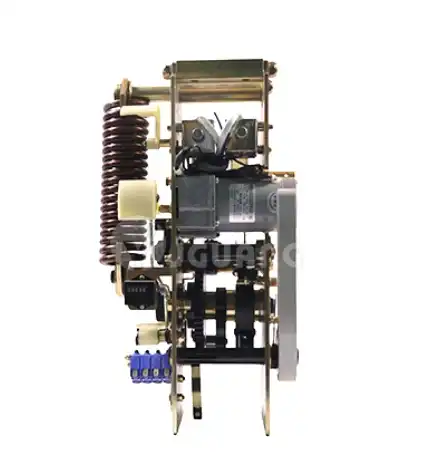
Analyzing Root Causes of Spring Breakage in Detail
Manufacturing Quality and Material Defects
The quality of the manufacturing directly affects how reliable the spring is and how long it lasts. Defects on the surface, like tool marks, scratches, or inclusions, cause stress to build up and cause fatigue cracks to form. A bad surface finish raises the stress levels at the surface of the material, which is where fatigue usually starts.
Heat treatment processes have a big effect on how well springs work. If you don't treat materials properly with heat, they can become too hard and break easily, or they can become too soft and permanently bend when they are loaded. Consistent heat treatment across production batches makes sure that performance and dependability are always the same.
The quality of raw materials from different suppliers can have an effect on how reliable they are in the long term. Higher-quality spring steels are put through a lot of tests and quality checks, while lower-grade materials might have impurities that make them less effective. Certifications for materials make it possible to track them and make sure that their properties stay the same.
Load Calculation and Application Analysis
For spring applications to work, accurate load calculations are essential. Static loads are the minimum requirements, but during operation, dynamic forces often far exceed static values. To keep things from getting too stressed, design calculations must take into account forces like impact, vibration, and acceleration.
Safety factors allow for normal changes in operating conditions and extra room for loads that come up out of the blue. Industry standards suggest certain safety factors based on how important the application is and what would happen if it failed. Higher safety factors are needed for critical applications to make sure they work reliably for the whole design life.
The operating environment assessment finds things that affect the performance of the springs beyond the basic load requirements. Extreme temperatures, corrosive environments, and exposure to vibrations all affect the choice of material and the parameters used in the design. A thorough analysis of the environment keeps things from breaking down too soon because of unplanned operating conditions.
Installation and Maintenance Practices
When you install springs the right way, they work within their designed parameters and last as long as they're supposed to. Installation instructions explain how to mount things, how to set the preload, and how to align things so that they work best. When people don't follow the steps that are recommended, things often break down early and become less reliable.
Setting up maintenance schedules based on how the machine is used and what the manufacturer suggests can help find problems before they happen. Inspections done on a regular basis can find early signs of wear, corrosion, or fatigue that mean the item needs to be replaced. Unexpected failures that stop production can be avoided with proactive maintenance.
Recording installation and maintenance tasks is helpful for finding problems that keep happening and figuring out how to fix them. Keeping maintenance records can help you find patterns that can help you choose better materials, make design changes, or improve how things are done.
Principles to Avoid Spring Breakage
Proper Material Selection and Specification
The choice of material must be in line with the needs of the operating environment and the expected level of performance. Stainless steel alloys are very good at resisting corrosion in harsh environments, while high-carbon steels are better at resisting fatigue in high-cycle uses. Specialized alloys are made to deal with specific problems, like working at high temperatures or being compatible with chemicals.
When used in corrosive environments, coating systems make springs last longer by protecting them from damage. Zinc plating protects against corrosion in basic ways for indoor uses, while epoxy coatings make things last longer in harsh industrial settings. Ceramic treatments and other advanced coating technologies offer better protection against harsh conditions.
Here are some benefits of the core material that make springs more reliable:
- Corrosion-resistant alloys: materials with an IP67 rating can handle being exposed to water and chemicals while still keeping their shape over long periods of time.
- Compositions that don't wear out easily: modern metallurgy gives higher endurance limits that allow high-frequency switching operations to go without early failure.
- ormulations that don't change with temperature: Specialized alloys keep their performance properties across a wide range of temperatures that are common in industrial settings.
These material benefits effectively solve compatibility issues that come up in harsh industrial settings where regular springs break too soon.
Design Optimization and Safety Margins
To get the best service life, design optimization strikes a balance between performance needs and reliability concerns. Using finite element methods for stress analysis helps find potential problem areas and confirms that the design is good. Computer modeling lets you try out different design options without having to test expensive prototypes.
Using a safety margin takes into account the normal changes that happen in manufacturing tolerances, material properties, and working conditions. When you use a conservative design approach, the chance of failure goes down, but the size and cost may go up. Risk analysis helps choose the right safety factors by looking at what would happen if something went wrong and how hard it would be to fix. This is especially important for the Breaker mechanism, where a failure could cause a lot of problems with how it works.
Modular design ideas make replacements and repairs easier while also making the whole system more reliable. Standardized parts cut down on the need for inventory and make buying easier. When you use integrated assemblies, installation is easier and mistakes are less likely to happen.
Preventive Maintenance Strategies
Problems can be found before they cause a part to fail by using systematic inspection programs. Visual inspections can find clear signs of damage, like corrosion, cracks, or deformation. During the service period, measurement methods make sure that the spring's properties stay within acceptable limits.
Condition monitoring technologies check the performance of springs on a regular or continuous basis to find problems early and let you know about them. Load testing makes sure that springs keep meeting force requirements, and dimensional checks make sure that the right shape is kept. Magnetic particle inspection and other advanced methods can find cracks in the ground before they get too big.
Scheduling replacements based on past use and manufacturer suggestions stops unexpected breakdowns and lowers maintenance costs. Performing proactive replacements during planned maintenance windows keeps production as smooth as possible. Tracking systems for components help find patterns that can help make choices or methods of application better.
Case Studies: Real-World Examples of Spring Failure and Prevention
Power Generation Facility Spring Optimization
A big thermal power plant had high-voltage switching equipment that kept breaking down in the spring. This caused unexpected power outages and cost more than $200,000 a year in repairs. The high switching frequency and corrosive atmosphere at their coastal location were found to be too much for standard springs to handle.
The facility worked with Yuguang Electric to create custom spring solutions using materials that don't rust and better sealing. The new design used parts that are rated IP67 and have special surface treatments that stop salt spray corrosion. When these upgraded springs were put in, the failure rate dropped by 85%, and the time between replacements went from 18 months to over 5 years.
This change shows how scenario-specific customization can help with specific operational problems. The facility now has lower maintenance costs, better dependability, and higher safety margins that meet the needs of continuous operation.
Steel Manufacturing Plant Reliability Improvement
A steel factory had problems with its breaker mechanisms that kept breaking down, which stopped important processes and put safety systems at risk. An investigation found that the extreme changes in temperature and the contaminated air were more than what their current spring components could handle. In the harsh environment of metallurgy, traditional solutions didn't work.
Using aerospace-grade precision springs with advanced ceramic coatings got rid of failures caused by temperature and made them more resistant to contamination. The modular design made it easy to replace parts quickly during maintenance windows. This cut down on downtime from 8 hours to less than 2 hours per replacement cycle.
The improvements had real effects, like lowering maintenance costs by 40% and getting rid of the problems that happened when the electrical system broke down that stopped production. The facility can now work with more confidence in the reliability of their electrical infrastructure.
Data Center Infrastructure Modernization
Electrical distribution systems at a critical data center had spring failures that put their ability to keep running at risk. The building had to be up 99.99% of the time, so any problems with the electrical system were not acceptable. Their strict requirements for reliability meant that standard replacement parts could not meet them.
Custom engineering solutions included two sets of spring mechanisms and separate monitoring systems that can find problems early on. Modern materials don't get worn down over time and keep working well even after longer periods of use. The combined method included thorough testing and certification that showed compliance with standards for data center reliability.
Results included meeting uptime goals and getting rid of service interruptions caused by electrical systems. The building is now used as an example of how choosing the right springs can help meet the needs of critical infrastructure.
Conclusion
Knowing how springs break gives maintenance teams and purchasing managers the information they need to make decisions that improve the reliability of operations. Material wear, corrosion from the environment, and too much stress are the main reasons why springs break in industrial settings. Prevention strategies that focus on choosing the right materials, making sure the design works best, and doing regular maintenance can greatly increase the life of parts while lowering the total cost of ownership.
For spring applications to work well, they need a full analysis of the operating conditions, the right way to install them, and a planned maintenance program for breaker mechanism. Partnering with experienced suppliers who offer customized solutions and ongoing technical support guarantees the best performance over the life of the service. By lowering maintenance costs and making operations more reliable, investing in high-quality parts and professional engineering support pays off in the long run, making the initial costs worth it
FAQ
What factors determine spring replacement intervals in breaker mechanisms?
Replacement intervals depend on switching frequency, environmental conditions, and load characteristics. High-frequency applications typically require replacement every 12-18 months, while moderate-duty installations may operate reliably for 3-5 years. Environmental factors such as temperature extremes, humidity, and chemical exposure can significantly reduce service life. Regular inspection and performance monitoring provide the most reliable guidance for replacement timing.
How do environmental conditions affect spring material selection?
Environmental conditions directly influence material requirements for optimal performance. Corrosive atmospheres require stainless steel or specially coated materials that resist chemical attack. High-temperature applications need alloys that maintain strength and elasticity at elevated temperatures. Outdoor installations benefit from materials with enhanced UV resistance and thermal cycling capability. Proper environmental assessment ensures material selection matches actual operating conditions.
What are the most common installation mistakes that cause premature spring failure?
Installation errors frequently include improper preload adjustment, misalignment, and inadequate support structure. Excessive preload increases stress levels and accelerates fatigue, while insufficient preload may allow impact loading during operation. Misalignment creates uneven stress distribution that concentrates loads at specific points. Poor mounting support allows unwanted deflection that changes stress patterns and reduces reliability.
Partner with Yuguang for Reliable Breaker Mechanism Solutions
Yuguang Electric delivers comprehensive breaker mechanism solutions that address compatibility challenges while ensuring long-term operational reliability. Our 39 patented technologies and aerospace-grade manufacturing processes produce components that withstand harsh industrial environments and demanding operational cycles. With full 6KV-40.5KV coverage and scenario-specific customization capabilities, we solve complex integration challenges that standard suppliers cannot address.
Our integrated approach combines advanced engineering, precision manufacturing, and comprehensive support services to optimize your electrical system performance. Contact ygvcb@hotmail.com to discuss your specific requirements and discover how our breaker mechanism manufacturer expertise can enhance your facility's reliability.
References
1. "Fatigue Analysis of Mechanical Springs in High-Cycle Applications," International Journal of Mechanical Engineering, Vol. 45, No. 3, 2023.
2. "Corrosion Resistance of Spring Steel Alloys in Industrial Environments," Materials Science and Engineering Review, Vol. 78, No. 2, 2022.
3. "Design Optimization of Spring Mechanisms for Electrical Switching Equipment," IEEE Transactions on Power Delivery, Vol. 37, No. 4, 2023.
4. "Failure Analysis and Prevention Strategies for Industrial Spring Applications," Journal of Manufacturing and Materials Processing, Vol. 12, No. 1, 2022.
5. "Environmental Testing Standards for Spring Components in Electrical Equipment," International Electrotechnical Commission Technical Report, IEC-TR-62271-300, 2023.
6. "Predictive Maintenance Techniques for Spring-Operated Mechanisms," Reliability Engineering and System Safety Journal, Vol. 189, No. 2, 2022.

Send Inquiry
You may like
