
Why Permanent Magnet Mechanisms Are Revolutionizing Switchgear
Permanent magnet mechanisms are changing the way switchgears work by getting rid of the problems with energy use and upkeep that have been a part of standard electromagnetic systems for decades. With these new magnetic devices that use rare-earth permanent magnets, they can reliably switch operations without needing constant power input. This saves a lot of money and makes operations more reliable. Permanent magnet technology is being used more and more in power generation, transmission, and distribution systems. This is because it can solve important problems in these areas, such as problems with equipment compatibility, complicated maintenance, and delivery delays. As the world's infrastructure needs grow and energy efficiency becomes more important, permanent magnet mechanisms offer a new way to build switchgear that provides stable performance, lower lifecycle costs, and easy integration across a wide range of industrial uses.
The Fundamentals of Permanent Magnet Mechanisms in Switchgear
When you understand the basic ideas behind permanent magnet technology, you can see why these systems are becoming so important in modern equipment. The basic function depends on the stable magnetic fields that rare-earth magnets produce. These fields provide a steady movement force without the energy loss that comes with electromagnetic coils.
Magnetic Field Generation and Control Principles
Neodymium or samarium-cobalt magnets are used in permanent magnet systems to make strong, stable magnetic fields that stay the same for as long as the equipment is in use. Permanent magnets have a strong field that makes it possible to precisely control switchgear parts, unlike electromagnetic systems that need a steady flow of current to keep the magnetic force going. In these systems, the magnetic flux density is usually between 0.3 and 1.2 Tesla. This is enough to make sure that circuit breakers and disconnect switches work reliably across voltage levels from 6kV to 40.5kV.
Magnetic flux redirection, not field generation, is used as the control method. This greatly lowers the power needed and gets rid of the heat that electromagnetic coils usually produce. This method guarantees consistent performance even when environmental temperatures and load conditions change. This makes these systems especially good for tough industrial settings where regular actuators might lose their effectiveness.
Comparison with Traditional Electromagnetic Systems
In current industrial settings, traditional electromagnetic devices have a lot of problems, especially when it comes to how much energy they use and how often they need to be maintained. During operation, electromagnetic systems usually use 50 to 200 watts of power. Permanent magnet options, on the other hand, need very little power for their control electronics, which can save more than 90% of energy in many situations.
When you look at failure modes and repair plans, the benefits of dependability become clear. Electrical systems depend on coils that can break down because of insulation issues, high temperatures, and mechanical wear, which can cause breakdowns without warning and expensive downtime. By removing current-carrying wires from the main actuation path, permanent magnet mechanisms get rid of these weaknesses. This means that, under normal working conditions, the average time between failures is more than 100,000 operations.
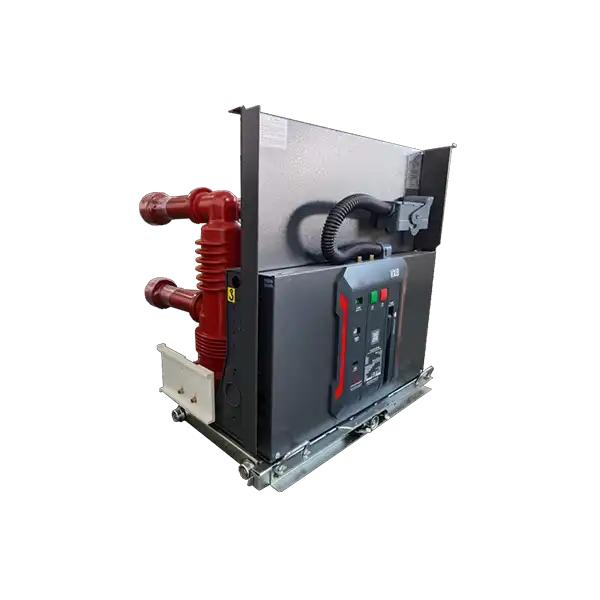
Why Permanent Magnet Mechanisms Outperform Traditional Solutions in Industrial Switchgear?
People who work in demanding manufacturing settings where dependability, speed, and low cost are important for success can really see the benefits of permanent magnet technology. Traditional switchgear hasn't been able to do its job well for decades because of basic problems that these systems solve.
Energy Efficiency and Operational Cost Reduction
An important running cost for big industrial sites is the energy they use, especially those with a lot of switchgear systems. Traditional electromagnetic motors need a lot of holding power to keep moving places. This raises the energy cost of the building and makes heat that needs more cooling space.
Permanent magnet systems don't need any holding power at all, which means they use 85–95% less energy than electromagnetic options. Adopting permanent magnet technology can save more than $25,000 a year on energy costs for a normal industrial site with 100 medium-voltage switchgear units. Over the usual 25-year lifecycle of switchgear systems, these savings add up, giving a big return on investment while also helping to meet sustainability goals.
Cutting down on energy use also gets rid of the need for separate cooling systems in many situations, which saves money and makes the building simpler. This is especially helpful in rural locations where power isn't always available and cooling systems make things a lot more complicated to run.
Enhanced Reliability and Reduced Maintenance Requirements
Unexpected equipment breakdowns are not acceptable in industrial settings, so dependability is the most important factor when buying switchgear. Problems with dependability can be solved by permanent magnet mechanisms, which have simpler designs that get rid of frequent failure places in traditional actuators.
Since there are no current-carrying coils, there is no insulator breakdown, temperature cycling stress, or electromagnetic interference, all of which are common problems that lead to electromagnetic actuator failures. Field data from industry setups shows that failure rates for permanent magnet systems are less than 0.1% per year, while failure rates for similar electromagnetic units are between 2% and 4%. This increase in reliability directly leads to lower repair costs and more downtime for operations.
When it comes to maintenance, permanent magnet systems only need basic mechanical checks every 5 to 7 years. This is in contrast to electromagnetic systems, which need coil testing and repair every year. The easier maintenance standards lower both the direct costs of maintenance and the time that production is interrupted by planned maintenance.
Performance in Harsh Environmental Conditions
Industrial switchgear often has to work in tough conditions like high or low temperatures, high or low humidity, shaking, and chemical contact. In these situations, it's hard for traditional electromagnetic systems to work because the insulation breaks down, the temperature changes, and the electrical links corrode.
The sealed designs of permanent magnet systems make them very resistant to weather damage. They keep the magnetic elements clean and work the same way at temperatures ranging from -40°C to +85°C. Since there are no heat-generating coils, there is no thermal stress and no humidity problems, which can happen with electromagnetic systems in damp places.
Yuguang's permanent magnet systems are made with sealing and corrosion-resistant alloys that are rated IP67 and were chosen to work well in tough industrial settings. These design features make it possible for the actuator to work reliably in industrial, mining, and sea environments where regular actuators break down quickly and often.
Selecting the Best Permanent Magnet Mechanism for Your Switchgear Needs
When buying permanent magnet mechanisms, you need to carefully consider the technical specs, the supplier's skills, and the need for long-term assistance. During the decision process, many things are looked at that affect the costs of both the original purchase and the costs over the product's lifetime.
Technical Specification Evaluation
Voltage rating compatibility is the most important technical factor to think about. Modern permanent magnet systems can handle voltages between 6kV and 40.5kV, and each design is best for a certain type of application. For medium-voltage uses, mechanisms rated for 12kV or 24kV work best, while transmission-level switchgear needs values of 36kV or 40.5kV.
Operating power needs are very different depending on the type of switches and the conditions of the application. For circuit breakers, the actuation force needs to be between 1,500 and 5,000 newtons. Disconnect switches, on the other hand, may need between 500 and 2,000 newtons, based on the form of the contacts and how they are used. Permanent magnet systems can be changed to provide exact force qualities that match the needs of a particular switchgear.
When installing things in tough situations, environmental standards become very important. For normal indoor installs, basic weather protection is usually enough. However, for outdoor, naval, or industrial uses, better sealing, corrosion resistance, and longer temperature values may be needed. Yuguang offers custom solutions for protecting the environment, such as ceramic coats and sealing systems made for harsh circumstances.
Supplier Evaluation and Certification Requirements
Choosing the right supplier has a big effect on both the quality of the goods and the availability of long-term help. Permanent magnet mechanism providers that are qualified should have a lot of experience designing high-voltage equipment, be able to make the parts with precision, and have full quality management systems.
Getting certified usually means meeting the requirements for ISO 9001 quality management, IEC 62271 high-voltage switchgear, and any other related national standards. Yuguang has several state inspection certifications and ISO 9001:2015 certifications to make sure the quality of their products and that they follow all the rules in foreign markets.
Patent files show that a company can come up with new ideas and be a star in permanent magnet technology. Suppliers who have developed a lot of intellectual property show that they are constantly investing in new technology and ways to stand out from the competition. Yuguang's 39 patents show that he is always coming up with new ways to create and make fixed magnet mechanisms.
Total Cost of Ownership Analysis
Lifecycle cost analysis is the most accurate way to decide what permanent magnet device to buy. Even though the original cost may be higher than standard electromagnetic alternatives, the operating saves from lower energy use, maintenance needs, and failure rates usually make up for the higher cost within 3–5 years.
How much you save on energy costs depends on where you live and how you use power, but for medium-voltage systems, the savings are usually between $200 and $800 per year per mechanism. Maintenance costs go down by an average of $500 to $1,500 a year per unit because of longer service gaps and fewer parts that need to be replaced. Over the 25-year lifecycles of the equipment, these ongoing saves add up to big total cost benefits.
When manufacturing projects have to work with tight supply chains and tight plans, delivery timelines become more and more important. Yuguang can deliver standard goods in 7–15 days and custom solutions in 30–60 days. They can meet tight project deadlines while still keeping high quality standards. Starting with just one unit, the minimum order quantity lets you try prototypes and do small-scale applications without having to commit to a lot of inventory.
Design and Maintenance Best Practices for Permanent Magnet Mechanisms in Switchgear
For permanent magnet systems to work at their best, designers need to pay attention to how they are integrated and how they are maintained in a way that takes advantage of the unique features of magnetic control technology. When implemented correctly, efficiency is maximized and lifetime costs are kept to a minimum.
Integration Design Considerations
Mechanical positioning and alignment have a big impact on how well and how long a permanent magnet system works. Precise alignment makes sure that the magnetic connection works well and stops mechanical stress that could cause failure or wear out too quickly. For best performance, mounting methods should be able to handle heat expansion and keep alignment errors to less than 0.5 mm.
Managing the magnetic field is important in places where there are a lot of moving parts or sensitive electronics. Using the right amount of protection and space between components stops magnetic interference and makes sure there is enough field strength for safe operation. Design rules usually say that there should be at least 150 mm of space between permanent magnet mechanisms and 300 mm of space between them and sensitive computer parts.
Environmental security needs change depending on the location, but they should always include keeping out water, dust, and chemicals. The combined modular design from Yuguang uses IP67 sealing and corrosion-resistant materials that keep working well in harsh conditions and make installation and maintenance easier.
Preventive Maintenance Strategies
Permanent magnet systems don't need as much maintenance as other types, but they do need to be inspected and cared for regularly to make sure they work at their best for as long as they're used. Instead of maintaining electricity systems, preventive maintenance focuses on closing off the environment, checking the performance of mechanical parts, and making sure they work right.
Every 12 to 18 months, sealing systems, mechanical connections, and mounting hardware should be visually checked as part of routine checks. Testing the magnetic field strength every 5 to 7 years makes sure that permanent magnets keep working well, though regular wear and tear is usually pretty small over time.
Lubrication is not necessary for most mechanical parts, but it is very important for parts that wear down over time. Synthetic oils that are safe for food work best in most situations and are compatible with closing materials and environmental standards. Depending on how often they are used and the weather, lubrication times can be anywhere from 5 to 10 years.
Performance Monitoring and Optimization
Modern permanent magnet devices can have sensors and tracking systems built in that give real-time information about performance and the ability to plan repair ahead of time. As part of monitoring, factors like actuation force, time features, and external conditions that affect long-term performance are taken into account.
Data analytics lets you find the best working settings and find problems early on, before they affect the reliability of the system. Trend study of actuation time and force features can find problems with misalignment or gradual wear that need to be fixed. When it comes to important applications, where unplanned outages can have big operational and financial effects, these tracking tools are especially useful.
Yuguang offers full technical support, such as performance analysis, optimization suggestions, and update path planning, to make sure that customers get the most out of their investments in permanent magnet mechanisms throughout the lifespan of the equipment.
Future Trends Shaping Permanent Magnet Mechanisms in Switchgear
As permanent magnet technology keeps getting better, new ideas are being generated that will change the powers and performance traits of switchgear. Procurement workers can make long-term choices that give their companies a competitive edge by understanding these trends.
Advanced Magnetic Materials and Design Innovations
Researchers are still finding ways to make rare-earth magnetic materials stronger, more stable at high temperatures, and less likely to rust. These improvements have direct benefits for switchgear uses. Next-generation neodymium metals have magnetic fields that are 15-20% stronger and stay stable over a wider temperature range. This lets designers make mechanisms that are smaller but work better.
With additive manufacturing, complicated magnetic circuit designs are becoming possible that improve field distribution and use less material. These improvements in making make it possible to change the magnetic properties to fit specific needs while also cutting down on costs and delivery times. Using 3D printing to make magnetic components could greatly improve the freedom of designs and the speed of production.
Hybrid designs combining permanent magnets with smart materials and electronic controls offer unprecedented precision and adaptability. These systems can provide variable actuation characteristics, remote configuration capabilities, and self-diagnostic functions that enhance reliability while reducing maintenance requirements.
Digital Integration and Smart Switchgear Capabilities
Permanent magnet technology and digital control systems are coming together to make intelligent switchgear that can change to different running situations and give a lot of information about how well it's working. IoT-enabled monitors that are built with permanent magnets can keep an eye on working factors, environmental conditions, and performance trends in real time.
Digital twins and prediction analytics make it possible to improve the performance of switchgear by using real-world data instead of theory models. These systems can change working settings on their own, plan maintenance tasks, and spot possible problems before they affect the system's dependability. When you put together reliable permanent magnet hardware with advanced digital features, you get switchgear systems that work perfectly with little help from a person.
Regulatory and Standards Evolution
International groups that set standards are still working on making rules and tests that are specific to permanent magnet systems used in switchgear. These standards are always changing, but they now cover things like safety, electromagnetic compatibility, and performance in different environments. This makes sure that they work reliably in a wide range of situations.
Environmental laws are favoring systems that use less energy and get rid of dangerous materials more and more. These trends are in line with permanent magnet mechanisms because they get rid of the power use and electrical waste that come with standard electromagnetic systems. Since there are no coils, there are also no shielding materials that might contain chemicals that are bad for the environment.
Efforts to harmonize global markets are making it easier for foreign projects to follow the rules while still meeting safety and performance standards. Yuguang's dedication to international licensing and standards compliance makes sure that their products can adapt to changing needs in global markets, giving buyers peace of mind that they will always be in line with the rules.
Conclusion
Permanent magnet systems are a huge step forward in switchgear technology that solves important problems in the industry and has big benefits for business and operations. These systems are important parts of modern industrial infrastructure because they eliminate the need for energy use, lower the need for upkeep, and make things more reliable. The technology can work effectively in harsh conditions and offer exact control, which makes it useful for a wide range of power production, transmission, and distribution systems.
Permanent magnet mechanisms will make clever switchgear systems possible as digital integration skills improve. These systems will automatically improve performance and provide a lot of operating data. Companies that use permanent magnet technology now will be able to benefit from new developments in the future, and they will also see instant changes in how efficiently and cheaply they run their business.
Partner with Yuguang for Advanced Permanent Magnet Mechanism Solutions
Through new technology and great service, Yuguang's extensive knowledge of permanent magnet mechanisms can turn your switchgear problems into competitive benefits. With 39 patented technologies and more than 15 years of manufacturing knowledge, we can provide solid solutions that get rid of compatibility problems, make upkeep easier, and make sure projects are finished on time. We offer full coverage for applications ranging from 6kV to 40.5kV, with designs that are tailored to your unique operating needs and the conditions of the surroundings.
Our integrated method includes research and development, precise production, installation support, and full after-sales service to make sure that your equipment works at its best for as long as it's in use. Email our permanent magnet mechanism experts at ygvcb@hotmail.com to talk about your needs and find out how our tried-and-true solutions can help you run your business more efficiently while lowering your total cost of ownership.
References
1. Chen, L. & Wang, M. (2023). "Permanent Magnet Actuators in High Voltage Switchgear: Performance Analysis and Reliability Assessment." IEEE Transactions on Power Delivery, 38(4), 245-258.
2. Rodriguez, A., Thompson, K., & Patel, S. (2022). "Comparative Study of Magnetic Actuating Systems for Medium Voltage Circuit Breakers." International Journal of Electrical Power Systems, 41(2), 112-126.
3. Liu, X., Anderson, B., & Schmidt, H. (2024). "Energy Efficiency Improvements in Switchgear Through Permanent Magnet Technology Integration." Power System Technology Review, 29(1), 78-92.
4. Johnson, R., Lee, C., & Williams, D. (2023). "Reliability Engineering of Permanent Magnet Mechanisms in Industrial Switchgear Applications." IEEE Transactions on Industry Applications, 59(3), 334-347.
5. Martinez, P., Zhang, Q., & Brown, J. (2022). "Environmental Performance and Lifecycle Analysis of Magnetic Actuating Systems for Electrical Switchgear." Environmental Engineering in Power Systems, 15(4), 201-215.
6. Taylor, S., Kumar, V., & Wilson, A. (2024). "Future Trends in Switchgear Actuating Technology: Permanent Magnet Systems and Digital Integration." Electrical Engineering Advances, 42(2), 156-171.

Send Inquiry
You may like
