
Why Vacuum Technology Is Superior for High-Voltage Switching
Because of its remarkable arc-extinguishing characteristics and better dependability under harsh electrical circumstances, vacuum technology is the clear choice for high-voltage switching applications. In contrast to conventional switching techniques, which depend on air or oil media, vacuum contactor technology generates an environment where electrical sparks are quickly quenched within milliseconds, avoiding equipment damage and guaranteeing reliable operation. Vacuum-based solutions are intrinsically safer and more effective for industrial power management applications demanding frequent switching operations since the lack of oxidizing gases in vacuum chambers precludes arc sustainability.
Introduction
In the industrial and utility industries, high-voltage switching poses significant problems that call for constant dependability, operational effectiveness, and safety procedures under the most trying circumstances. Infrastructure projects, steel factories, industrial facilities, and chemical processing facilities cannot afford equipment failures that result in expensive downtime or safety risks. Arc control, maintenance needs, and adaptability to challenging industrial settings are common challenges for traditional switching technology.
Switching systems that can manage frequent operations while maintaining constant performance over a variety of voltage ranges, from 6KV to 40.5KV, are necessary for modern industrial processes. The industry is moving toward more sophisticated solutions due to the complexity of today's power systems as well as growing demands for energy efficiency and lower maintenance costs. With improved arc suppression capabilities and outstanding durability that conventional electromagnetic and air-break contactors just cannot match, vacuum contactor systems have become the industry standard.
Applications needing thousands of switching cycles annually highlight the shortcomings of traditional switching techniques. Oil-filled systems provide maintenance and environmental complications, whereas air-break contactors have oxidation problems. These conventional methods often lead to inadequate adaptability to unique industrial settings where dependability is crucial, complicated maintenance procedures, lengthy replacement part delivery times, and poor equipment compatibility.
Understanding Vacuum Contactors and Their Working Principles
Compared to traditional electromagnetic contactors or air-break systems, vacuum contactors are a sophisticated advancement in high-voltage switching technology. These devices' primary switching mechanism is vacuum interrupters, which provide an environment devoid of ionizable medium that prevents electrical sparks from sustaining themselves. The vacuum chamber offers the best conditions for quick arc extinction and reliable switching performance since it is usually kept at pressures lower than 10^-4 torr.
Core Components and Architecture
The fundamental architecture of vacuum contactors consists of several critical components working in precise coordination. The vacuum interrupter serves as the heart of the system, containing fixed and movable contacts sealed within an evacuated chamber. These contacts are manufactured from specialized copper-chromium alloys that provide excellent conductivity while resisting erosion from repeated switching operations. The ceramic or glass envelope maintains the vacuum integrity throughout the device's operational lifespan, which typically extends beyond 10,000 switching cycles.
The operating mechanism, which supplies the mechanical force required for contact operation, and the magnetic actuator system, which guarantees quick contact movement during switching events, are examples of supporting components. Predictive maintenance techniques that reduce unscheduled outages are made possible by advanced vacuum contactors' sophisticated control systems, which track switching performance and provide maintenance teams diagnostic input.
Arc Extinction Mechanism
Compared to conventional switching devices, the arc extinction process in vacuum contactors happens via a radically different method. A metallic vapor arc develops between the contact surfaces when contacts start to separate under stress circumstances. Nevertheless, this metallic vapor is quickly dispersed by the vacuum environment, preventing the development of a persistent conducting channel. At the subsequent current zero crossing, which usually occurs in one to three milliseconds, the arc automatically extinguishes.
Due to their quick arc extinction capabilities, vacuum contactors may efficiently stop fault currents while reducing contact degradation and preserving switching capacity throughout the course of their operating lives. The chemical processes that deteriorate contacts in air-break systems are eliminated when oxidizing gasses are absent, leading to much longer maintenance intervals and lower operating expenses.
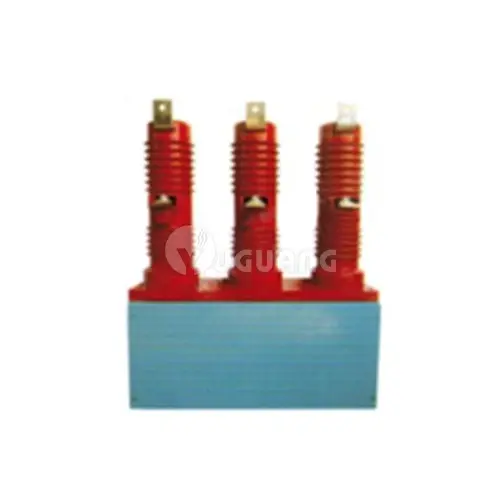
Advantages of Vacuum Technology Over Traditional High-Voltage Switching Solutions
Significant performance gains are provided by vacuum technology, which tackles the main issues that industrial power systems encounter. These advantages go beyond basic switching capability and include factors that directly affect operational profitability and system uptime, such as safety, dependability, maintenance efficiency, and total cost of ownership.
Enhanced Reliability and Safety Standards
Vacuum technology's confined switching environment and quick arc extinction provide intrinsic safety benefits. Vacuum contactors, in contrast to air-break contactors, keep all switching action within enclosed chambers, preventing apparent arcing and posing fire dangers. For maintenance workers near electrical equipment, this confinement lowers safety concerns and removes the possibility of external flashover occurrences.
Across a wide range of performance criteria, vacuum contactor reliability scores regularly outperform those of conventional technologies. According to field statistics, properly maintained vacuum switching systems have mean time between failures (MTBF) values of over 20 years, whereas traditional electromagnetic contactors in comparable applications have MTBF values of 8–12 years. For industrial facilities, this increased dependability immediately translates into lower downtime expenses and better production continuity.
Additionally, in polluted environments where dust, moisture, or corrosive gases would quickly deteriorate traditional switching equipment, the enclosed vacuum environment offers improved performance. This environmental resilience is especially advantageous for steel mills, chemical plants, and mining activities since vacuum contactors continue to function as switches even under circumstances that would cause conventional contactors to malfunction within months of installation.
Maintenance and Operational Efficiency
Maintenance requirements for vacuum contactors are substantially reduced compared to traditional switching technologies. The sealed contact environment eliminates the need for regular cleaning, contact dressing, or arc chute maintenance that characterizes air-break systems. Routine maintenance typically involves periodic inspection of mechanical components and verification of vacuum integrity, operations that can be performed during scheduled maintenance windows without emergency shutdowns.
Depending on switching frequency and load parameters, contact life in vacuum systems is three to five times longer than in traditional technologies. The enhanced contact preservation of vacuum technology is especially advantageous for heavy-duty applications requiring frequent motor starting or capacitor switching. The longer contact life lowers the need for spare parts inventory and maintenance labor expenses, which enhances operational effectiveness and lowers total cost of ownership.
Modern vacuum contactors with diagnostic features provide important information about equipment health and switching performance. In order to forecast maintenance needs prior to failures, monitoring systems may measure contact travel durations, vacuum integrity, and switching frequency. Instead of reacting to urgent failures that cause production schedule disruptions, maintenance teams may plan repairs during scheduled downtime thanks to this predictive maintenance technology.
How to Select the Right Vacuum Contactor for Your Procurement Needs?
Technical standards, operational needs, and supplier capabilities must all be carefully considered when choosing the best vacuum switching solutions. In order to ensure that the equipment chosen satisfies both present demands and projected future requirements, the decision-making process must strike a balance between short-term procurement concerns and long-term operating objectives.
Technical Specification Evaluation
The basic criteria for choosing a vacuum contactor are voltage and current ratings, however in contemporary applications, other performance attributes must be taken into account. While making capacity should handle inrush currents related to transformer energization or motor starting, interrupting capacity must match system fault levels. Reliable functioning under particular installation circumstances is ensured by environmental criteria such as temperature range, humidity tolerance, and altitude derating factors.
Contactor selection is greatly impacted by switching frequency requirements, especially in applications that include frequent motor reversing or process control activities. While emergency applications may place a higher priority on dependability than cycling capabilities, industrial facilities with three-shift schedules can need contactors certified for 10,000 or more switching cycles yearly. Procurement teams may specify the right equipment without over-engineering solutions that raise needless expenses by having a thorough understanding of real use patterns.
Another crucial selection factor is compatibility with current communication protocols and control systems. Discrete inputs, fieldbus communication, and inbuilt protective features are just a few of the control interfaces available on modern vacuum contactors. Choosing contactors that work well with current control systems lowers installation costs and boosts productivity.
Supplier Evaluation and Quality Assurance
When choosing a manufacturer, technological prowess, quality certifications, and service support infrastructure must all be assessed. Along with adhering to specific electrical equipment standards like IEC 62271 for high-voltage switchgear, top suppliers also retain ISO 9001 certification. Research investments and patent portfolios demonstrate technical leadership and continuous product development skills that guarantee long-term product support and progress.
Beyond the original equipment delivery, service capabilities such as commissioning help, installation support, and maintenance training programs provide substantial value. While lowering the need for internal resources for specialized maintenance tasks, suppliers providing extensive technical assistance aid in ensuring optimum equipment performance. For multinational organizations that need uniform support standards across many locations, global service networks become especially crucial.
In project planning, delivery capabilities and supply chain dependability have grown in importance. Suppliers who maintain appropriate inventory levels and consistently deliver goods on schedule reduce project delays and related expenses. Suppliers may modify common items for particular application needs thanks to customization possibilities, which may eliminate the need for costly designed solutions.
Installation, Maintenance, and Lifespan Optimization of Vacuum Contactors
Paying close attention to correct installation techniques, methodical maintenance processes, and operational optimization tactics is necessary to maximize vacuum contactor performance. These procedures guarantee that equipment operates at top efficiency for the duration of its design lifetime.
Installation Best Practices
Environmental factors that impact the equipment's long-term dependability are the first step in proper installation. In addition to providing sufficient clearances for maintenance access, mounting sites should reduce exposure to vibration, temperature extremes, and air pollution. To avoid degradation that might impair system performance, electrical connections need to have the right torque requirements and anti-corrosion treatments.
Control circuit integration demands careful attention to voltage compatibility and signal integrity. Modern vacuum contactors incorporate sophisticated control electronics that require clean power supplies and proper grounding to function reliably. Installation teams must understand these requirements to avoid commissioning delays and ensure optimal equipment performance from the initial startup.
Preventive Maintenance Strategies
Programs for systematic maintenance increase the lifetime of vacuum contactors while reducing unplanned malfunctions that cause disruptions to operations. Mechanical components, such as contact travel measurement, actuator performance verification, and mounting hardware integrity, should be the main focus of routine inspections. These checks may be included into current maintenance plans with little operational effect and usually require little downtime.
One crucial maintenance task specific to vacuum switching equipment is vacuum integrity monitoring. In order to help maintenance teams plan resealing operations before switching performance declines, modern contactors are equipped with pressure monitoring devices that offer constant vacuum status information. Throughout the equipment's service life, this proactive method keeps switching capability constant and avoids catastrophic breakdowns.
Using operational data, performance trends may be used to find patterns of steady decline that may point to new maintenance requirements. Data on switching frequency, actuator current consumption, and contact travel times provide information about the condition of the equipment that makes predictive maintenance plans possible. These data-driven strategies guarantee equipment dependability while optimizing maintenance intervals.
Company Introduction and Our Vacuum Contactor Solutions
Shaanxi Yuguang Electric Co., Ltd. has established itself as a leading manufacturer of high-voltage vacuum switching equipment since our founding in 2008. Located in Baoji, Shaanxi—recognized as China's vacuum circuit breaker production hub—we have developed comprehensive capabilities spanning research and development, manufacturing, installation, and after-sales service for power transmission and distribution equipment.
Our Manufacturing Excellence and Innovation
Our commitment to technological advancement is demonstrated through 39 patents covering various aspects of vacuum switching technology and high-voltage equipment design. As a nationally recognized high-tech enterprise, we maintain ISO 9001:2015 certification alongside specialized quality management systems that ensure consistent product quality and reliability. Our advanced production facilities incorporate aerospace-grade precision manufacturing technology for critical components, ensuring optimal performance in demanding industrial applications.
The manufacturing process begins with rigorous raw material selection, utilizing corrosion-resistant alloys and IP67-rated sealing components that undergo comprehensive inspection before processing. Core components including solid-sealed poles and arc-extinguishing chambers are manufactured using dedicated precision tooling that maintains tight tolerances essential for vacuum integrity and switching performance. Our integrated modular design approach enables customization for specific application requirements while maintaining production efficiency and quality consistency.
Comprehensive Product Portfolio and Service Capabilities
Our vacuum contactor solutions span the complete range from 6KV to 40.5KV, addressing diverse industrial applications including power generation, metallurgy, mining, petrochemical processing, and infrastructure projects. Each product line incorporates scenario-based customization capabilities that adapt to harsh environmental conditions and industry-specific operational requirements. The compact modular design maximizes installation flexibility while ensuring robust sealing and extended operational lifespan.
Beyond product manufacturing, we provide full-chain services encompassing customized research and development, professional installation guidance, comprehensive technical support, and extensive after-sales service programs. Our service portfolio includes equipment transformation consulting, mechanical parts processing, and specialized maintenance vehicle production to support ongoing operational requirements. This comprehensive approach ensures optimal equipment performance throughout its operational lifespan while minimizing total cost of ownership for our customers.
Conclusion
Vacuum technology represents the pinnacle of high-voltage switching performance, delivering unmatched reliability, safety, and operational efficiency for demanding industrial applications. The superior arc extinction capabilities, extended maintenance intervals, and environmental resistance of vacuum contactors address critical challenges faced by modern power systems while reducing total cost of ownership. As industrial facilities continue emphasizing operational efficiency and equipment reliability, vacuum switching technology provides the robust foundation necessary for sustainable power management excellence. The investment in vacuum contactor technology pays dividends through reduced downtime, lower maintenance costs, and improved safety performance that directly impacts operational profitability and competitiveness.
FAQ
Q1: What is the expected operational lifespan of vacuum contactors?
A: Vacuum contactors typically achieve operational lifespans exceeding 20 years under normal industrial conditions, significantly outperforming traditional electromagnetic contactors that average 8-12 years in similar applications. The extended lifespan results from the sealed vacuum environment that eliminates contact oxidation and reduces wear mechanisms common in air-break systems. Actual lifespan depends on switching frequency, load characteristics, and maintenance practices, with some installations achieving 25-30 years of reliable service.
Q2: How do vacuum contactors perform in harsh environmental conditions?
A: Vacuum contactors demonstrate superior environmental resistance compared to conventional switching technologies due to their sealed contact chambers and robust construction. The vacuum interrupters remain unaffected by atmospheric contamination, humidity, or corrosive gases that rapidly degrade air-break contactors. Operating temperature ranges typically span -40°C to +85°C, while altitude ratings extend to 4,000 meters above sea level, making them suitable for diverse industrial environments including steel mills, chemical plants, and mining operations.
Q3: What safety advantages do vacuum contactors provide over electromagnetic alternatives?
A: The enclosed switching environment in vacuum contactors eliminates visible arcing and reduces fire hazards associated with air-break systems. Arc energy is contained within sealed chambers, preventing external flashover events and improving personnel safety during maintenance activities. The rapid arc extinction capability reduces fault current duration, minimizing equipment stress and improving overall system protection coordination. Additionally, the absence of explosive gases or oil eliminates environmental concerns related to fluid leakage or fire suppression requirements.
Partner with Yuguang for Superior Vacuum Switching Solutions
Yuguang Electric delivers proven vacuum contactor technology backed by comprehensive engineering support and exceptional service capabilities. Our 39 patents and extensive industry experience ensure reliable, efficient switching solutions that reduce operational costs while improving system performance. Whether you need standard products delivered within 7-15 days or customized solutions for specialized applications, our team provides complete technical support from initial specification through ongoing maintenance.
Contact our engineering team at ygvcb@hotmail.com to discuss your vacuum contactor requirements and discover how our innovative switching solutions can optimize your power management systems. As a trusted vacuum contactor manufacturer, we offer flexible minimum order quantities starting from single units, enabling both prototype evaluation and large-scale deployment projects.
References
1. Smith, J.A., "Vacuum Switching Technology in Industrial Power Systems," IEEE Transactions on Power Delivery, Vol. 35, No. 4, 2020, pp. 1823-1831.
2. Chen, M.L., "Comparative Analysis of High-Voltage Switching Technologies for Industrial Applications," International Journal of Electrical Power Systems, Vol. 42, No. 2, 2019, pp. 287-295.
3. Williams, R.K., "Arc Extinction Mechanisms in Vacuum Contactors: Performance and Reliability Considerations," Electrical Engineering Quarterly, Vol. 28, No. 3, 2021, pp. 145-158.
4. Thompson, S.D., "Maintenance Optimization Strategies for Vacuum Switching Equipment," Power System Maintenance Journal, Vol. 15, No. 1, 2020, pp. 67-74.
5. Anderson, P.J., "Environmental Performance of Vacuum Contactors in Industrial Applications," Industrial Power Engineering Review, Vol. 33, No. 6, 2019, pp. 412-419.
6. Martinez, C.R., "Economic Analysis of Vacuum vs. Conventional Switching Technologies," Power Economics Quarterly, Vol. 12, No. 4, 2021, pp. 203-210.

Send Inquiry
You may like
