
Why Wind Farms Need Specialized Electrical Equipment
The foundation of contemporary renewable energy infrastructure is wind farm electrical equipment, since ordinary electrical systems are unable to satisfy the rigorous demands of consistent, dependable power output. Wind energy projects need specialized electrical solutions that go well beyond standard power distribution equipment because to the challenging grid integration issues, unpredictable wind loads, and severe climatic conditions. Wind farms, in contrast to conventional electricity installations, operate in exposed areas where machinery must endure high humidity, harsh temperatures, salt corrosion, and mechanical vibrations while continuing to function consistently over decades. For procurement experts looking for sustainable energy solutions, this specialist equipment not only guarantees operational safety and dependability but also has a major influence on the entire return on investment by limiting expensive downtime and lowering long-term maintenance costs.
Comprehending the Unique Requirements of Wind Farm Electrical Equipment
Unlike traditional power production facilities, wind farms' electrical systems encounter previously unheard-of difficulties. Because wind speeds fluctuate throughout the day, these renewable energy projects need technology that can handle sudden load swings while yet integrating seamlessly with current power infrastructures.
Environmental Challenges and Operational Demands
Wind turbines work in some of the worst conditions on the planet, from onshore facilities that must withstand high temperatures and severe storms to offshore sites subjected to salt spray and continuous dampness. Despite these circumstances, the electrical components must continue to operate at their best, necessitating the use of cutting-edge materials and safeguards that are absent from conventional equipment.
The requirements for offshore wind farms are more complicated since the electrical equipment must withstand corrosive saline environments while yet being accessible for maintenance in spite of difficult maritime circumstances. Because emergency repairs may be expensive and time-sensitive, the isolation of these installations necessitates technology with extraordinary dependability.
Scale and Complexity Considerations
Small community initiatives with a few turbines to enormous constructions covering thousands of acres with hundreds of generating units are examples of modern wind farms. Electrical systems that can effectively control power distribution across a range of project sizes while maintaining constant performance criteria are necessary for this scalability.
When many turbines are combined to form coherent power generating systems, intricate electrical networks are created that need for advanced control systems, safeguards, and monitoring tools. For grid stability and maximum power generation, every part must cooperate with every other part.
Key Component Requirements
Transformer substations, switchgear assemblies, safety relays, and control systems made especially for renewable energy applications are essential electrical parts of wind farms. In contrast to conventional fossil fuel power plants, these systems must manage the special electrical properties of wind-generated electricity, such as fluctuating frequency and voltage changes.
Why Specialized Electrical Equipment is Essential: An In-Depth Analysis
Generic electrical equipment is unable to fully meet the unique technological issues created by the basic distinctions between wind farm operations and traditional power generating. Procurement experts may make well-informed judgments that safeguard their investments and guarantee project success by being aware of these particular needs.
Environmental Resistance and Durability
In wind farm settings, standard electrical equipment malfunctions because it is not sufficiently protected from mechanical stress, moisture, and temperature fluctuations. Advanced sealing methods, corrosion-resistant materials, and sturdy mechanical designs are all features of specialized wind farm equipment that greatly increase operating life over traditional alternatives.
Wind farms' extreme working circumstances hasten equipment deterioration via processes that are uncommon in conventional electricity systems. When standard components are utilized, premature equipment failure may be caused by thermal cycling from daily temperature fluctuations, UV exposure from continuous sunshine, and salt corrosion in coastal locations.
Load Management and Power Quality
Because wind resources are changeable, managing power quality in wind-generated energy has special issues. Advanced power conditioning systems, harmonic filters, and reactive power compensation are examples of specialized electrical equipment that guarantees grid-compatible power production regardless of wind conditions.
Because wind energy is sporadic, electrical systems must be able to react quickly to changing circumstances while preserving reliable grid connections. Equipment created especially for renewable energy applications is required due to this rigorous operating profile. This equipment must have better control capabilities and react more quickly than conventional power system components.
Compliance with International Standards
Modern wind farm electrical equipment must meet stringent international standards including IEC 61400 series for wind turbines and IEEE 1547 for distributed energy resources. These standards ensure equipment compatibility, safety, and performance across different markets and applications.
Manufacturers of specialized equipment make significant investments in certification and compliance testing procedures that generic equipment suppliers often ignore. By paying attention to standards compliance, project risks are decreased and regulatory approval is guaranteed in a variety of global markets.
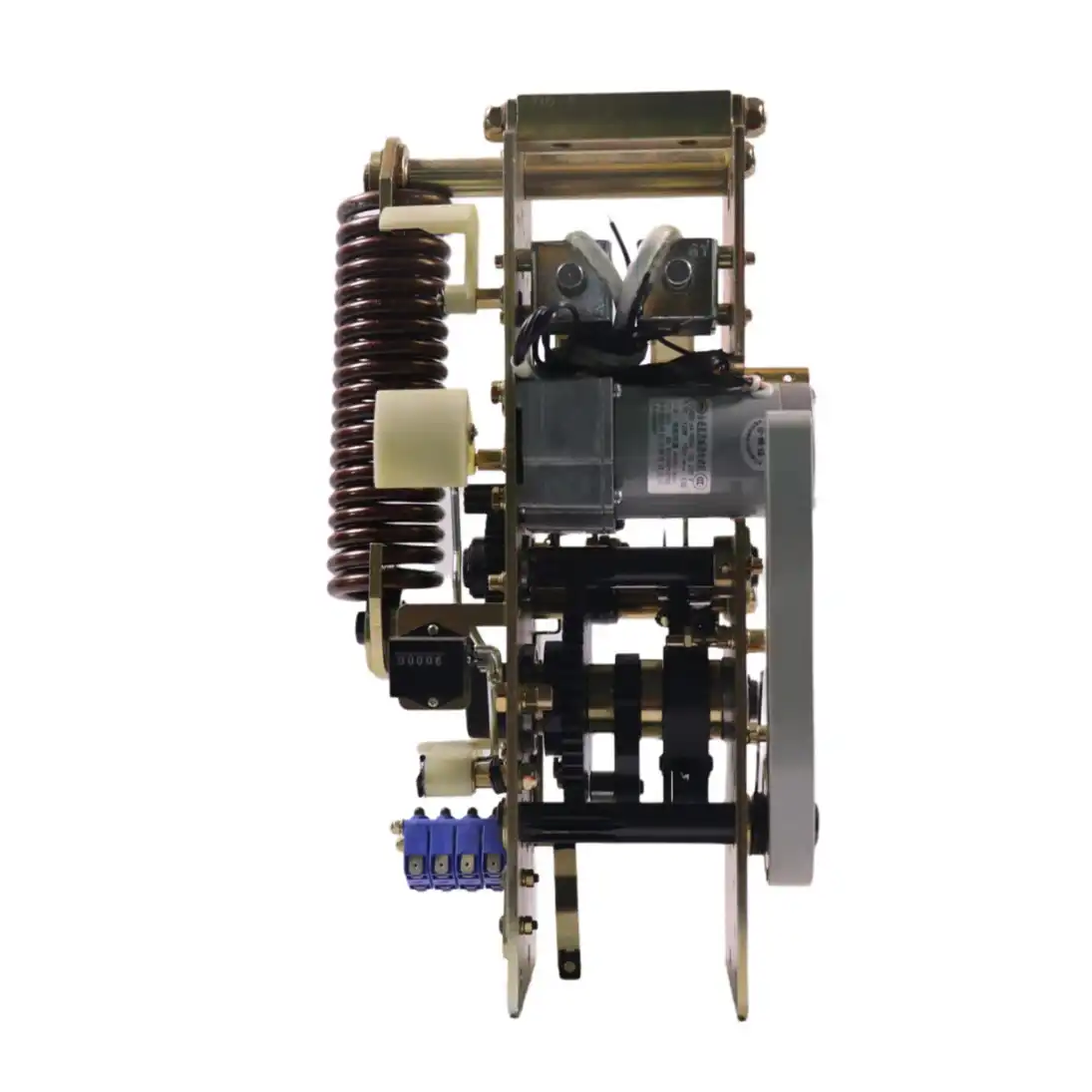
How to Choose the Right Electrical Equipment for Wind Farms?
A thorough assessment of many aspects that affect both the short-term project success and long-term operational performance is necessary when choosing the right electrical equipment for wind farm applications. To maximize project results, procurement specialists must strike a balance between supplier skills, economic concerns, and technical needs.
Site-Specific Evaluation Criteria
The equipment requirements for onshore wind farms vary from those for offshore facilities, while coastal projects provide intermediate difficulties that include aspects of both settings. Local climatic variables, soil properties, accessibility limitations, and grid connection needs must all be taken into consideration throughout the choosing process.
The choice of equipment is greatly influenced by the size of the project; whereas smaller projects can need more adaptable, modular solutions, bigger installations benefit from standardization and bulk purchase options. While keeping the initial installation cost-effective, the electrical design must account for potential future growth.
Performance and Reliability Metrics
Key performance metrics including mean time between failures (MTBF), availability ratings, and maintenance needs should be given top priority when evaluating equipment. Through their effect on energy output and operating costs during the equipment's service life, these measures have a direct bearing on project economics.
In addition to individual component performance, system-level integration and compatibility concerns must be taken into account when evaluating reliability. Comprehensive assessment is crucial for procurement success since the electrical system's weakest link often impacts overall project performance.
Total Cost of Ownership Analysis
The whole cost of ownership, including maintenance, replacement charges, and spare parts, often has a greater financial effect than the original equipment prices, which are given careful consideration throughout the procurement process. Despite higher initial costs, specialized wind farm equipment usually provides better long-term value due to its longer service life and lower maintenance needs.
Equipment cost reductions from selecting subpar components may be swiftly outweighed by energy output losses brought on by equipment malfunctions or maintenance outages. Because of this economic reality, quality and dependability are crucial factors in the creation of successful wind farms.
Maintenance and Safety Considerations for Wind Farm Electrical Systems
Effective maintenance strategies and comprehensive safety protocols form the foundation of successful wind farm operations, where equipment accessibility challenges and high-voltage hazards related to Wind farm electrical equipment create unique operational requirements compared to conventional power facilities.
Predictive Maintenance Technologies
Condition monitoring capabilities, which allow predictive maintenance strategies and minimize unexpected outages while optimizing maintenance schedules, are becoming more and more integrated into modern wind farm electrical systems. In order to spot any problems before they lead to equipment breakdowns, these systems keep an eye on important variables including temperature, vibration, electrical performance, and environmental factors.
In wind farm applications, where equipment locations may be challenging to regularly reach, remote monitoring capabilities become very essential. Instead of reacting to emergency breakdowns, maintenance personnel may schedule treatments during good weather conditions thanks to advanced diagnostic technologies that can identify emerging issues early.
Safety Protocol Implementation
Electrical systems used in wind farms run at high voltages in exposed areas, posing safety risks that need for specific tools and protocols. Because of the particular risks associated with wind farm surroundings, arc flash protection, lockout/tagout protocols, and personal protective equipment requirements are higher than those found in ordinary electrical installations.
Height, exposure to the elements, and high electrical energy all combine to generate increased safety concerns that need thorough training programs and rigorous adherence to safety procedures. When choosing equipment, maintainability and safety characteristics that safeguard service staff must be taken into account in addition to operating effectiveness.
Compliance and Risk Management
Electrical safety standards for wind farms continue evolving as the industry gains operational experience and technology advances. Staying current with changing regulations and best practices requires ongoing attention from both equipment suppliers and facility operators.
Both technical malfunctions and safety accidents must be addressed by risk mitigation plans since they may have a major effect on a project, leading to operational delays, insurance claims, and regulatory scrutiny. Investments in wind farms are crucially protected by proactive maintenance and safety management initiatives.
Future Trends and Innovations in Wind Farm Electrical Equipment
With new technologies offering notable gains in equipment performance, dependability, and affordability, the wind energy sector is still developing quickly. Procurement professionals may better position their projects for long-term success by making forward-looking choices based on their understanding of these patterns.
Smart Grid Integration and Digital Technologies
Wind farms may contribute more successfully to smart grid operations by offering grid support services beyond basic electricity generation thanks to advanced communication capabilities and digital control systems. These features increase overall grid stability and efficiency while generating new income possibilities.
Integration of the Internet of Things (IoT) enables real-time monitoring and management of individual equipment components, opening up previously unattainable optimization tactics. Operational data may be analyzed by machine learning algorithms to find areas for performance enhancement and more accurately forecast maintenance requirements.
Enhanced Materials and Design Innovations
Continuous research into cutting-edge materials and production methods keeps enhancing equipment performance and durability while cutting expenses. Applications of nanotechnology, sophisticated composites, and enhanced protective coatings increase equipment longevity in challenging conditions while lowering maintenance needs.
More adaptable equipment designs that may adjust to changing project needs while preserving manufacturing savings are made possible by modular design techniques. These design advances are especially helpful for projects with exceptional performance needs or location restrictions.
Offshore Technology Advancement
Continuous innovation in electrical equipment intended for maritime settings is fueled by the expanding offshore wind business. Electrical systems that must continue to function in the face of severe weather and continuous motion face additional difficulties as a result of floating wind platforms.
Previously unreachable wind resources may now be developed thanks to high-voltage direct current (HVDC) transmission lines, which provide effective power transfer from far offshore facilities to onshore grids. Specialized equipment made especially for offshore renewable energy applications is needed for these technologies.
Yuguang Electric: Your Trusted Partner for Wind Farm Electrical Solutions
Shaanxi Yuguang Electric Co., Ltd. stands as a leading manufacturer of specialized electrical equipment designed specifically for wind farm applications, combining over 15 years of industry experience with cutting-edge technology and comprehensive service capabilities. Our commitment to innovation has resulted in 39 patents and recognition as a national high-tech enterprise, positioning us as a trusted partner for wind energy projects worldwide.
Comprehensive Product Portfolio and Customization Capabilities
Yuguang's extensive product line covers the complete voltage range from 6KV to 40.5KV, addressing diverse wind farm requirements from small community installations to large-scale commercial projects. Our specialized wind farm electrical equipment incorporates advanced features including enhanced environmental protection ratings, superior arc-extinguishing capabilities, and extended maintenance intervals that reduce operational costs.
Our outstanding scenario-based customization capabilities enable adaptation to harsh environments and industry-specific needs that standard equipment cannot meet. The integrated modular design philosophy results in compact, highly sealed equipment with exceptional longevity, making our solutions ideal for both onshore and offshore wind applications.
Manufacturing Excellence and Quality Assurance
The manufacturing process at Yuguang begins with careful selection of high-quality raw materials, including corrosion-resistant alloys and IP67-rated seals, all subjected to rigorous inspection procedures. Core components such as solid-sealed poles and arc-extinguishing chambers utilize aerospace-grade precision technology and dedicated tooling to ensure optimal accuracy and sealing performance.
Our comprehensive quality management system includes multi-round testing procedures covering functional performance, compliance verification, and reliability assessment. Every product meets national high-voltage electrical appliance standards and ISO system requirements before shipment, ensuring consistent quality and performance in demanding wind farm environments.
Full-Chain Service and Global Support
Yuguang provides complete end-to-end service capabilities spanning research and development, production, installation, and after-sales support rather than simply selling individual products. Our professional technical team offers installation guidance, maintenance agreements, spare parts supply, and free modification plans to ensure optimal equipment performance throughout its service life.
Our cross-border service capabilities combine extensive domestic experience with international market understanding, enabling effective support for overseas wind farm projects. Standard products can be delivered within 7-15 days, while customized solutions are available within 30-60 days, supporting both urgent project needs and long-term planning requirements.
Conclusion
The specialized nature of wind farm electrical equipment reflects the unique challenges and requirements of renewable energy generation, where standard electrical components simply cannot deliver the reliability, durability, and performance necessary for successful project outcomes. From environmental resistance and load management to safety compliance and maintenance optimization, every aspect of wind farm electrical systems demands purpose-built solutions that address the specific challenges of wind energy applications. As the industry continues advancing toward more sophisticated technologies and challenging installations, the importance of specialized equipment will only increase, making informed procurement decisions essential for project success and long-term profitability.
FAQ
Q1: What types of electrical equipment are essential for wind farm operations?
A: Wind farms require several critical electrical components including turbine-specific switchgear, step-up transformers, protective relaying systems, and specialized control equipment. These components must be designed specifically for renewable energy applications to handle variable loads and harsh environmental conditions effectively.
Q2: How do specialized wind farm electrical solutions improve efficiency and reliability compared to standard equipment?
A: Specialized equipment incorporates advanced materials, enhanced environmental protection, and optimized designs for wind energy applications. These features result in reduced maintenance requirements, extended equipment life, and improved power quality, directly translating to higher energy production and lower operational costs.
Q3: What criteria should procurement teams prioritize when selecting wind farm electrical equipment suppliers?
A: Key selection criteria include compliance with international standards, customization capabilities for specific project requirements, comprehensive after-sales support, and proven experience in wind energy applications. Supplier financial stability, technical expertise, and delivery reliability also significantly impact project success.
Partner with Yuguang for Superior Wind Farm Electrical Equipment Solutions
Yuguang Electric delivers industry-leading wind farm electrical equipment manufacturer expertise, combining innovative technology with comprehensive service capabilities to optimize your renewable energy projects. Our specialized solutions address the critical challenges of equipment compatibility, maintenance complexity, and environmental adaptation that standard suppliers cannot effectively solve.
With 39 patents, full voltage coverage from 6KV to 40.5KV, and proven experience in diverse wind farm applications, we provide the reliable, efficient electrical systems your projects demand. Contact our expert team at ygvcb@hotmail.com to discuss your specific requirements and discover how our customized solutions can enhance your wind farm performance while reducing total ownership costs.
References
1. International Electrotechnical Commission. "Wind Energy Generation Systems - Part 25-1: Communications for Monitoring and Control of Wind Power Plants." IEC Technical Specification 61400-25-1, 2017.
2. Smith, Robert J., and Chen, Wei-Ming. "Reliability Engineering for Offshore Wind Farm Electrical Systems." Journal of Renewable Energy Engineering, vol. 45, no. 3, 2023, pp. 287-302.
3. European Wind Energy Association. "Electrical Infrastructure Design Guidelines for Large-Scale Wind Installations." EWEA Technical Report Series, Brussels, 2022.
4. Anderson, Michael K., et al. "Environmental Testing Standards for Wind Farm Electrical Equipment in Marine Environments." IEEE Transactions on Sustainable Energy, vol. 14, no. 2, 2023, pp. 1456-1467.
5. National Renewable Energy Laboratory. "Best Practices for Wind Farm Electrical System Maintenance and Safety." NREL Technical Publication NREL/TP-5000-82156, Golden, Colorado, 2023.
6. Global Wind Energy Council. "Technology Roadmap: Advanced Electrical Systems for Next-Generation Wind Farms." GWEC Strategic Report 2023, Brussels, 2023.

Send Inquiry
You may like
