
Will circuit breakers not work properly if not installed vertically?
Circuit breakers may experience operational issues when not installed vertically, as their design fundamentally relies on proper orientation for optimal performance. The vertical positioning affects critical internal mechanisms including arc extinction chambers, contact pressure distribution, and thermal management systems. Proper circuit breakers installation orientation ensures reliable tripping mechanisms, prevents mechanical stress on internal components, and maintains manufacturer warranty compliance. While some circuit breakers tolerate slight deviations from vertical positioning, significant orientation changes can compromise safety, reliability, and long-term performance in industrial electrical systems.
Introduction
In workplace settings, installing circuit breakers correctly is a key part of making sure that electrical systems work well and are safe. The way these important safety devices are installed—especially when they are installed vertically—has a direct effect on how they work mechanically, how they handle heat, and how well the whole system works. This detailed guide is meant to help procurement professionals, engineers, and project managers who are in charge of high-voltage electrical infrastructure understand the technical requirements and safety effects of where to put circuit breakers.
For companies in the power production, manufacturing, and infrastructure sectors, knowing the right way to put things is essential. Improper orientation has effects that go beyond immediate operating concerns. It can shorten the life of equipment, raise upkeep costs, and make it harder to follow rules. By learning the right way to put things, businesses can lower their chances of power outages, make their equipment last longer, and make sure they're following the rules for electrical safety.
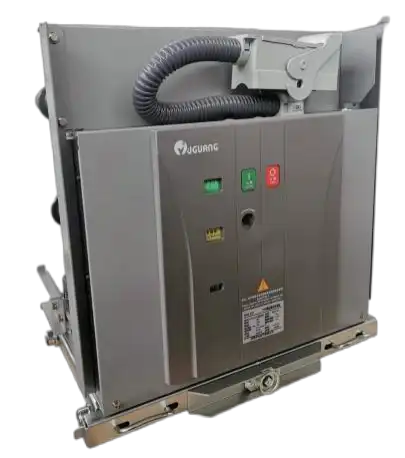
Understanding Circuit Breaker Installation Orientation
The way circuit breakers need to be positioned is based on basic electrical and mechanical design concepts that companies like Schneider Electric, Siemens, and General Electric build into their products. The requirement for vertical placement has a direct effect on the functioning of internal parts, especially the arc extinction mechanism and contact pressure distribution systems that make sure the machine works reliably even when something goes wrong.
Mechanical Design Considerations
The inside of current circuit breakers is based on gravity forces and mechanical leverage systems that work best when they are turned vertically. Arc extinction chambers contain and put out electrical sparks when a fault occurs. They use vertical gas flow patterns to get rid of charged particles and restore dielectric strength between contacts.
Contact pressure mechanisms in circuit breakers use magnetic force interactions and spring-loaded systems to keep the electricity flowing normally when the device is in normal use. Installing these systems in a way that isn't upright can cause uneven stress distribution, which can cause changes in contact resistance and early mechanical wear that hurts their long-term dependability.
International Standards and Compliance Requirements
Standards in the industry, like IEC 62271, NEMA SG-3, and UL 1066, say how different types of circuit breakers and voltage classes must be mounted. There is a link between the mounting position and operating reliability that can be seen in the large amount of testing data that went into these guidelines. It is now required that sites in regulated areas, like power plants, industry facilities, and infrastructure projects, follow these standards.
Article 240 of the National Electrical Code (NEC) gives more information on how to place circuit breakers, focusing on the right mounting methods that allow for safe operation and easy entry for maintenance. Knowing about these legal models helps procurement teams look at installation bids and make sure that contractors follow the rules and codes that apply.
Potential Issues When Installing Circuit Breakers Non-Vertically
Putting circuit breakers in places that aren't straight increases the number of operating risks that can make the system less safe and reliable. Circuit breakers installation in such conditions further compounds these issues, as problems range from short-term safety risks to long-term performance drops that threaten the stability of the whole electricity system.
Operational Performance Degradation
Installing something that isn't vertically supported has a big effect on how well the internal tripping system can handle overload and fault situations. When circuit breakers are set up to work vertically, the magnetic and heat parts inside them may not respond quickly or trip in the same way when they are turned horizontally or vertically.
When placements are horizontal or tilted, arc extinction behavior is especially bad. The natural flow of air currents that help cool and deionize the arc are thrown off, which could make the arc last longer and cause more contact erosion. This wear and tear directly impacts the circuit breaker's ability to stop, and it could lead to a catastrophic failure when a fault occurs.
Safety and Regulatory Compliance Risks
If you don't align things correctly, there are a lot of safety risks, like a higher chance of fire because the arc won't go out as quickly and the touch could get too hot. When these things happen, machine failure can spread through the electrical system, knocking out power to many areas and damaging the building.
Incorrect installation can lead to regulatory compliance violations, which can have big financial and operational effects. Insurance claims about electrical accidents could be denied if a probe shows that the wiring wasn't done correctly. Regulatory checks may also find direction problems that need to be fixed at a high cost and with system downtime.
Case Study Analysis
A recent inspection of an industrial facility found that multiple circuit breaker failures attributed to horizontal mounting practices that violated manufacturer specifications. The broken breakers had faster contact wear, inconsistent trip characteristics, and less stopping capacity, which made the electrical distribution system's defensive coordination worse. To fix the problem, the panels had to be completely rebuilt and the equipment had to be replaced. This caused big upkeep costs that weren't planned for and production loses.
Best Practices for Circuit Breaker Installation
It takes careful planning, the right tools, and strict adherence to safety regulations to implement the right circuit breakers installation methods. These steps make sure that the equipment works at its best and that workers are safe during the fitting process.
Pre-Installation Planning and Preparation
A full system study and component verification is the first step to a successful circuit breakers installation. This includes making sure that the voltage values, current capacities, and stopping abilities meet the needs of the system. The design of the panel plan must include enough space for air flow, repair access, and future growth, all while meeting the codes' requirements for clearances.
To get tools ready, you need to put together torque wrenches that are adjusted according to the manufacturer's instructions, shielded hand tools that are rated for the voltage levels in the system, and testing equipment that can check the quality of the installation. People who work on installations will have to wear arc-rated clothes, insulated gloves, and safety glasses as part of their personal protection equipment.
Installation Procedure and Safety Measures
Lockout/tagout methods must be strictly followed during the installation process to make sure that all electrical connections are disconnected before work starts. Before people touch electrical parts, they should make sure that the state of zero energy is confirmed using testing equipment that is rated correctly.
Here are the essential steps for proper vertical installation:
• Mounting Preparation: Use the right tools to tighten the mounting rails or clamps to the panel structure according to the manufacturer's instructions and make sure they are perfectly vertically aligned by using precision levels.
• Mechanical Installation: Place the circuit breaker in the mounting system and make sure that all of the mechanical holding features are fully engaged. During the whole process, make sure that the circuit breaker stays straight.
• Electrical Connections: Make connections between main and secondary wires using the right tools, adding the right amount of torque, and checking the integrity of the connection by trying its resistance.
• Functional Verification: To make sure the installation was done right, do a full set of tests, such as operation checks, contact resistance readings, and coordination checks for the safety system.
These organized steps make sure that the work is done correctly and safely throughout the whole process.
Post-Installation Testing and Verification
Before turning on the system, thorough testing processes make sure that the installation was done right and that the circuit breakers work properly. Primary injection testing checks the timing and trip features, and secondary testing checks the working of the auxiliary contact and the control circuit.
Documentation needs to include thorough records of the circuit breakers installation, test results, and configuration data that can be used for future upkeep tasks and to make sure that the regulations are being followed. This paperwork is especially important for places that have to deal with electricity safety management and are regulated by the government or have to meet insurance requirements.
Choosing the Right Circuit Breaker and Installation Service
To choose the right circuit breaker technologies and installation services, you need to carefully look at the technical specs, the vendor's skills, and your needs for long-term support. Throughout the lifetime of an item, this decision-making process has a direct effect on how reliable the system is, how much it costs to maintain, and how well it works.
Circuit Breaker Technology Selection
There are many new types of modern circuit breakers, such as vacuum interruption, SF6 gas insulation, and air magnetic designs. Each has its own benefits for different uses and installation settings. For medium voltage uses, vacuum circuit breakers work very well and don't need much maintenance. On the other hand, gas-insulated designs are small and can be used in places with limited room.
Electronic trip units offer advanced safety features, such as customizable trip characteristics, communication links, and monitoring tools that help with planned maintenance. These technologies need to be carefully integrated with current control systems, and in order to ensure proper setup and commissioning, specialty circuit breakers installation may be necessary.
Installation Service Provider Evaluation
Professional installation services have a big effect on the success of a job because they know how to do things safely and make sure the work is done well. Licensed electrician workers with experience using industrial circuit breaker applications are very helpful because they know how to follow the rules, connect the system, and start up the system.
For installation workers to get certified, they need to show that they have the right electrical licenses, maker training credentials, and safety standards for the job. When it comes to long-term equipment reliability, these skills have a direct effect on the quality of the installation, how well it works for safety, and whether the guarantee is followed.
When evaluating a service provider, you should look at their testing tools, how they handle paperwork, and the support services they offer after the installation is done. Additionally, companies that offer full launching services that include safe relay coordination and system integration testing provide additional value through their ability to ensure the whole system works before handing it over to operations staff.
Conclusion
Proper vertical direction is a basic condition for circuit breakers to work reliably, which has a direct effect on safety, performance, and following the rules in industrial electrical systems. The technical proof makes it clear that circuit breakers installation that isn't vertically supported weakens the internal systems, poses a safety risk, and goes against the manufacturer's instructions, which govern warranty coverage and insurance requirements.
When procurement workers and project managers know about these orientation needs, they can make smart choices about which tools to buy, who to hire for installation, and how to make sure quality. Improved system reliability, lower upkeep costs, and better safety performance that shields people and facilities from electrical hazards are all tangible benefits of using the right circuit breakers installation methods.
FAQ
Can circuit breakers be installed horizontally in any circumstances?
According to maker instructions and industry norms, most circuit breakers need to be installed vertically. Some types are made to be mounted horizontally, but these are only used in certain situations and have special features that let them be mounted in other positions.
What testing should be performed after circuit breaker installation?
Comprehensive testing includes main injection tests to make sure the trip characteristics are correct, measuring the contact resistance, testing the insulation, and making sure the secondary contacts and control circuits work. These tests make sure that the work was done right and that the specifications were followed.
How does improper orientation affect warranty coverage?
Installation methods that don't follow the manufacturer's instructions, like installing the equipment in the wrong way, can usually cancel the guarantee and make it harder to get insurance money when the equipment breaks down. Keeping accurate records of the work becomes necessary to keep the guarantee valid.
What qualifications should installation contractors possess?
Installers should keep up-to-date on their electrical licenses, maker training certifications, and safety credentials that are special to the voltage levels and types of equipment they are working with. These qualifications make sure that the installer is technically qualified and following all the rules during the installation process.
Partner with Yuguang for Professional Circuit Breaker Installation Solutions
Yuguang Electric provides comprehensive circuit breakers installation expertise backed by advanced manufacturing capabilities and extensive industry experience. Our certified technical team offers customized solutions for high-voltage applications ranging from 6kV to 40.5kV, ensuring proper vertical installation practices that maximize equipment reliability and safety performance. With 39 patents and ISO certifications, we deliver professional installation guidance, technical support, and quality assurance services that meet stringent industry standards. Contact our engineering team at ygvcb@hotmail.com for expert consultation on your circuit breaker installation requirements and discover why leading manufacturers trust Yuguang as their preferred circuit breakers installation supplier.
References
1. IEEE Standard C37.06-2009: IEEE Standard for AC High-Voltage Circuit Breakers Rated on a Symmetrical Current Basis—Preferred Ratings and Related Required Capabilities for Voltages Above 1000 V
2. NEMA Standards Publication SG 3-1981 (R2007): Low Voltage Power Circuit Breakers
3. IEC 62271-100:2021: High-voltage switchgear and controlgear - Part 100: Alternating current circuit-breakers
4. National Fire Protection Association NFPA 70: National Electrical Code, Article 240 - Overcurrent Protection
5. UL 1066: Standard for Low-Voltage AC and DC Power Circuit Breakers Used in Enclosures
6. ANSI/IEEE C37.010-2016: IEEE Application Guide for AC High-Voltage Circuit Breakers Rated on a Symmetrical Current Basis

Send Inquiry
You may like
