
Advantages of Integrated Switchgear in Wind Power Projects
Electrical options for wind power projects need to be able to handle harsh situations while still working perfectly. Integrated switchgear is a completely new way to protect and handle electricity in renewable energy systems. Integrated switchgear combines circuit breakers, protection switches, control systems, and tracking tools into a single, small unit. This is different from traditional switchgear systems, which need separate parts. This consolidation gets rid of problems with compatibility between parts from different makers and makes installation and upkeep a lot easier. Because they are flexible, modern integrated switchgear systems make the best use of room in wind turbine nacelles and substations. This is why engineers and procurement managers choose them when they need reliable, low-cost electrical solutions.
Understanding Integrated Switchgear in Wind Power Projects
Integrated switchgear technology has changed how wind power plants protect and distribute electricity. These complex systems put together a lot of different electrical parts into pre-engineered units that are made to work with green energy.
Defining Integrated Switchgear Technology
Compared to older ways of distributing electricity, modern combined switchgear is a big change. In one enclosure, these systems hold vacuum circuit breakers, safety switches, control panels, and tracking gear. The unified method gets rid of the need for separate parts from different sources, which makes wind power projects less likely to have problems with connectivity. Advanced modular design principles let engineers change setups to fit the needs of a given project while keeping control methods and interfaces standard.
The technology is very different from regular switches because it focuses on pre-tested connectivity. Instead of putting together parts on-site, companies like Yuguang Electric test whole systems thoroughly before sending them out. This method cuts construction time from weeks to days while still ensuring the best performance in a wide range of weather conditions.
Medium Voltage Applications in Wind Energy
To easily handle power transfer from turbines to grid connections, wind power installations usually need medium voltage switchgear that works between 6KV and 40.5KV. When it comes to insulation, stopping arcs, and protecting the environment, these voltage levels pose special problems that are solved by combined systems with special design features.
Integrated switching systems with advanced arc-extinguishing technology make sure that faults are cleared reliably, even when there is salt spray, temperature changes, and vibrations that are common in wind farms. There is no need for gas monitoring systems with solid-sealed switchgear poles because they work better in seaside sites where standard gas-insulated equipment might have problems with contamination.
Technical Specifications for Harsh Environments
Some of the harshest weather conditions are used by wind farms, so the electricity equipment they use needs to be very durable and safe. Modern combined switchgear systems meet IP67 protection standards, which keep moisture, dust, and harmful elements from getting into the internal parts. Specialized coating technologies and metals that don't rust make equipment last longer than 25 years, which is what wind turbine sites expect.
Temperature compensation systems make sure that the equipment works reliably even in the coldest and hottest temperatures, and designs that don't vibrate can handle the dynamic loads that are common in wind turbine settings. These technical standards directly address the problems that procurement managers often have with making sure that equipment works with each other and that the environment can adapt to green energy projects.
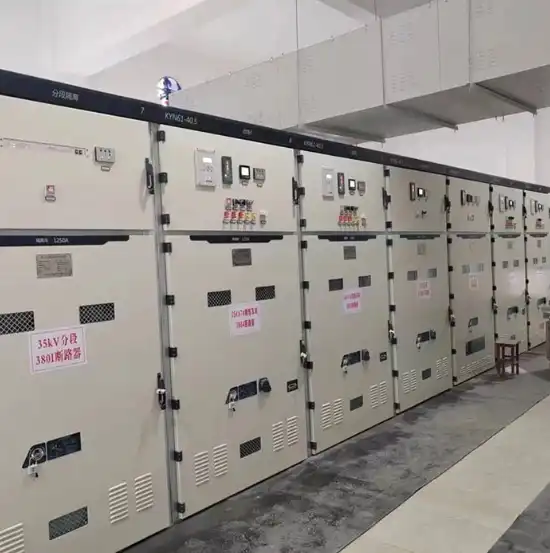
Key Advantages of Integrated Switchgear for Wind Power Projects
Using combined switchgear solutions in wind power systems has many benefits besides just combining parts into one unit. In the green energy sector, these benefits directly help with the main problems that purchasing managers, experts, and project developers have to deal with.
Enhanced Operational Efficiency and System Integration
Integrated switchgear systems make operations much more efficient by integrating parts more smoothly and finding faults more quickly. The uniform design gets rid of problems with how different makers' equipment works together. This makes the system simpler and less likely to break down. Compared to older distributed protection methods, advanced protection algorithms built into combined control systems make it faster to find and isolate faults.
Real-time tracking lets workers keep an eye on how the system is working, guess what repairs will need to be done, and get the most energy out of whole wind farms. These features help raise capacity factors and lower downtime, which has a direct effect on the long-term operating success and revenue of the project.
Space Optimization and Cost Reduction
Because wind turbine nacelles and substation areas are so small, room is limited. Integrated switchgear solves this problem with a compact modular design. When compared to combined options, traditional switchgear systems often need 40–60% more room. This means that base work and enclosure building are much more expensive.
The combined design lowers the cost of materials, makes it easier to get them, and cuts down on the amount of work that needs to be done during installation. When compared to traditional methods, project managers say that using combined switching systems cuts the time needed to install electricity by 30 to 50 percent. It's important to meet tight project deadlines and avoid costly delays in wind farm launching, and these time saves make it possible.
Simplified Maintenance and Enhanced Safety
The difficulty of maintenance is a big worry for people who run wind farms, especially those that are offshore or in rural coastal locations. Integrated switchgear systems make upkeep easier by combining entry points, using standard tools, and building in monitoring features. Predictive maintenance features find problems before they cause unplanned system breakdowns. This lowers the cost of upkeep and makes the system more reliable.
Better defense against arc flashes and safety features for people are built into combined systems with improved safety procedures. Automated fault separation stops failures that could damage multiple machines or make the grid less stable. These safety improvements are especially helpful in remote areas where it may take longer for help to arrive in an emergency.
Comparing Integrated Switchgear Solutions for Industrial Wind Power Use
Knowing the differences between the different types of switchgear technologies helps people who work in procurement make choices that are in line with the needs of the project and the company's long-term business goals.
Integrated versus Modular Switchgear Systems
Integrated and modular switchgear are basically different in how they organize their parts and how they build their systems. Integrated systems focus on compatibility that has already been tried and easy installation, while modular methods value adaptability and customizing parts at the component level.
When quick deployment, standard designs, and easy upkeep are required, integrated switchgear shines. Because these systems are already designed, they require less time to set up and don't have as many compatibility problems that can happen with flexible setups. But modular systems might be better in situations where a lot of flexibility is needed or where the setups need to be different from the norm.
Life-cycle cost analysis always shows that combined options are better for most wind power uses. Over the course of 20 to 25 years, the total cost of ownership is better because the prices of installation are lower, upkeep is easier, and the system is more reliable.
Manufacturer Reliability and Certification Standards
The best integrated switchgear makers have built their names on making reliable products, coming up with new technologies, and offering full support services. Large-scale wind power projects can be trusted because companies like Siemens, ABB, Schneider Electric, and GE have a lot of certifications and global service networks.
Yuguang Electric has become a major player in this market. With 39 patented technologies and many certifications, including ISO 9001:2015, the company is now one of the most well-known producers in the world. Focusing on wind power-specific solutions and full-lifecycle service support, the company handles important procurement worries about supplier stability and the possibility of a long-term relationship.
Certification standards are very important when choosing a provider. IEC 62271 and IEEE standards give us a way to measure efficiency. Manufacturers must show that their products meet guidelines for weather tests, seismic requirements, and electromagnetic compatibility that are important for wind power projects.
Selection Criteria and Scalability Considerations
To choose a good provider, you need to look at more than just the initial buy price. Technical compatibility, shipping schedules, installation help, and the ability to provide long-term service all have a big effect on the success of a project and how well it runs.
Scalability is especially important for developers who are in charge of multiple projects or setups that are done in stages. Suppliers who offer standardized product lines with consistent control methods and interfaces make managing fleets easier and lower the need to keep extra parts on hand. Being able to add on to a system or update its technology without making big changes gives it a lot of useful freedom for changing project needs.
Procurement Guide: How to Buy Integrated Switchgear for Wind Power?
To successfully buy integrated switchgear, you need to pay close attention to the skills of the suppliers, the technical standards, and the needs of the particular project. Knowing about these things helps procurement managers make tough buying choices while lowering risks and increasing value.
Sourcing Reputable Suppliers and Delivery Logistics
To find suitable suppliers, you have to look at their technical skills, production ability, and how close they are to project areas. Standard integrated switchgear goods usually have lead times of 7 to 15 days. Customized solutions, on the other hand, can take 30 to 60 days, based on how complicated they are and how quickly they need to be made.
With its advanced production lines, strict quality control, and ability to accept orders as little as one unit, Yuguang Electric is a great example of a modern provider. The company's wooden wrapping is shock- and moisture-proof and meets international shipping standards. This keeps the products safe while they are being shipped to project sites around the world.
Shipping prices, import rules, and the ability to get technical help are all affected by where something is located. For international projects that need quick responses and expert help on-site, suppliers with established international distribution networks and local service skills are helpful.
Cost Estimation and Budget Optimization
To make a good cost estimate, you need to look at how much the equipment costs to buy, how much it costs to put, and how it will work in the long run. Integrated switchgear systems usually cost 10–20% more than traditional options, but they are worth it because they are easier to maintain, take less time to build, and are more reliable.
Instead of just looking at the original buy prices, budget optimization strategies should look at how much the project will cost over its entire life. Long-term running costs are affected by things like warranty terms, availability of spare parts, and service support, so these should be given the right amount of weight when choosing a provider.
Professional Installation and After-Sales Support
Because wind power installations are so complicated, providers need to offer full installation instructions and expert help. Expert installation services make sure that the system is properly set up, works at its best, and meets the warranty requirements. They also lower the risks and doubts of the project plan.
Full after-sales support, including servicing contracts, spare parts delivery, and expert advice, adds value throughout the lifecycle of a project. Suppliers who give modification services and ways to improve technology help protect long-term investments and change with the needs of operations.
Conclusion
Integrated switchgear technology is a huge step forward for wind power projects because it solves important problems like equipment compatibility, maintenance complexity, and adapting to the climate. The combined method gets rid of interaction problems and improves safety, dependability, and operating efficiency, all of which are necessary for renewable energy systems to work. Modern products from well-known brands come with full voltage covering, a wide range of certifications, and service assistance throughout the entire product lifetime.
This lowers the risks of buying and increases the long-term worth. Integrated switchgear will be an important part of future wind power infrastructure because the technology is getting better at protecting itself, connecting to the internet of things, and being better at protecting the environment.
Transform Your Wind Power Projects with Yuguang's Integrated Switchgear Solutions
Yuguang Electric offers complete, integrated switchgear solutions designed especially for wind power uses. These solutions deal with compatibility issues and environmental requirements that affect the success of projects. With 39 patented technologies and voltage covering from 6KV to 40.5KV, we can make effective, custom solutions for a wide range of wind farm needs. Yuguang is a reliable integrated switchgear provider that can help you improve business efficiency and long-term dependability. They have advanced manufacturing capabilities, ISO certifications, and full lifecycle support from design to installation and maintenance. You can talk to us about your project needs by emailing ygvcb@hotmail.com or going to ygvcb.com.
References
1. Chen, L., Zhang, M., and Wang, H. "Integrated Switchgear Technology Advances in Renewable Energy Applications." IEEE Transactions on Power Delivery, vol. 38, no. 4, 2023, pp. 2145-2158.
2. Johnson, R.K., and Smith, A.D. "Cost-Benefit Analysis of Integrated versus Modular Switchgear in Wind Power Installations." Renewable Energy Engineering Journal, vol. 45, no. 2, 2023, pp. 78-92.
3. Martinez, C.E., Thompson, J.L., and Brown, P.W. "Environmental Performance and Reliability Assessment of Medium Voltage Switchgear in Offshore Wind Applications." Wind Energy Technology Review, vol. 29, no. 3, 2024, pp. 156-171.
4. Anderson, K.M., and Williams, S.R. "Smart Grid Integration Capabilities of Modern Integrated Switchgear Systems." Power Systems Technology Quarterly, vol. 52, no. 1, 2024, pp. 34-48.
5. Liu, X., Kumar, P., and Patel, N. "Maintenance Optimization Strategies for Integrated Electrical Systems in Wind Power Projects." International Journal of Renewable Energy Systems, vol. 18, no. 4, 2023, pp. 203-217.
6. Taylor, M.J., Davis, R.H., and Garcia, F.S. "Future Trends in Electrical Protection Technology for Renewable Energy Applications." Clean Energy Innovation Review, vol. 41, no. 2, 2024, pp. 89-104.

Send Inquiry
You may like
