
Air Break Switch: Fundamentals Need to Know
Air break switches are important parts of electrical distribution systems because they keep medium-voltage networks safe and work properly by stopping the flow of current. Traditional switching technology has been changed by smart air load break switches that include advanced tracking tools, IoT connection, and automated control features. Through real-time diagnostics and the ability to operate from afar, these smart devices give power system managers unmatched levels of safety, reliability, and efficiency, all while lowering running costs and the need for repair.
Understanding Smart Air Load Break Switches
Core Technology and Design Principles
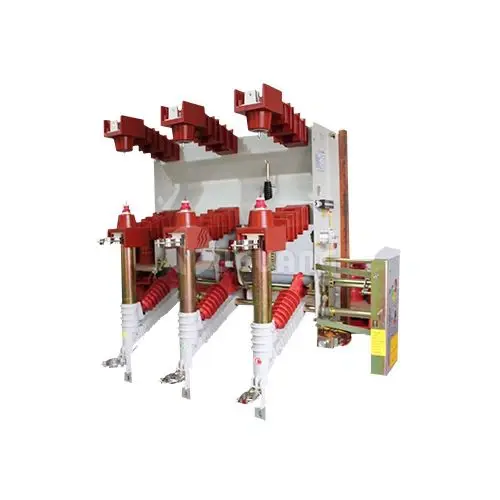
Smart air load break switches use both tried-and-true mechanical switching methods and advanced digital technologies, such as Internet of Things (IoT) sensors, connection protocols, and the ability to analyze data. Traditional models only have basic automatic or human controls. These smart devices, on the other hand, have processors built in that constantly check working factors, environmental conditions, and performance measures.
The main difference between regular switches and smart ones is that smart ones have sensor networks built in that measure things like temperature, humidity, mechanical stress, and current flow in real time. This data is used by advanced control algorithms to figure out when repair is needed, find problems, and make the best use of switching processes based on how the system is actually working, not on set plans.
Another big improvement is that these devices can now communicate with each other using standards like Modbus, DNP3, and IEC 61850. This lets them take part in larger smart grid projects. Because of this connection, central control systems can keep an eye on multiple switching points at the same time, plan defensive actions, and use system-wide optimization strategies to make the whole network more reliable and efficient.
Advanced Features and Capabilities
Intelligent switching systems today can do a lot more than just stop the flow of current. Remote tracking systems let workers see the state of devices all the time, so they can spot possible problems before they cause unplanned outages. By looking at working traits and performance trends all the time, automated diagnostics can find problems like contact wear, insulation degradation, and mechanical issues.
Integration with smart grid systems lets everyone respond together to problems in the system. This includes automatic load shedding in case of emergencies and better switching sequences that keep customers as busy as possible during planned repair. Smart air load break switches play a key role in enabling these functions, ensuring reliable and coordinated operation. These features are especially useful when the dependability of the system has a direct effect on work schedules, safety systems, or the operations of important infrastructure.
Comparison and Decision-Making for Smart Air Load Break Switches
Performance Analysis and Technical Advantages
When procurement workers look at moving options, they need to think about a lot of things that affect the long-term value and business efficiency. The performance of smart air load break switches is much better than standard ones. This is because they can be monitored better, are more reliable, and need less upkeep, all of which lead to a lower total cost of ownership.
Traditional air break switches usually need to be serviced at set times or after a certain number of operations, no matter what the real state of the device is. Smart alternatives offer condition-based maintenance schedule that figures out the best service times based on how well the device is working, how much it is exposed to the environment, and how stressed it is during use. This method can cut down on repair costs by 20 to 30 percent while making the system more reliable by focusing service activities more precisely.
When you compare them to vacuum interrupters, you can see important differences in how they work that affect which applications are best for them. In sealed settings, vacuum technology is great at stopping arcs, but air break switches make it easy to see where the contacts are and service them in the field. This problem is fixed by smart versions, which offer electronic position signaling and remote state verification. This keeps operations visible without affecting performance.
Procurement Decision Criteria
To make good procurement choices, you need to carefully look at the load capacity needs, the surroundings, and the ability to integrate. Specifications for load capacity must take into account both normal working conditions and fault current stoppage needs. Smart devices can watch actual loading conditions in real time to make the best use of capacity and avoid overloading situations.
Communication features are becoming more and more important as power systems move toward digital change. Devices need to be able to work with current transmission protocols and offer ways to update for when the system gets better in the future. Temperature ranges, humidity exposure, effects of altitude, and earthquake requirements are some of the environmental factors that need to be thought about. These factors are very different depending on the installation site and application.
The initial buy price, installation costs, continued upkeep needs, and expected service life should all be included in the cost analysis. Smart devices usually have higher starting costs, but they provide better value through lower upkeep needs, higher reliability, and better operational skills that prove the investment through measurable gains in operations.
Installation, Safety, and Maintenance Guidelines
Professional Installation Requirements
Following the right installation steps is very important for getting the best performance and keeping people safe during installation and operation. Smart air load break switches require particular attention during this process to ensure their advanced features function reliably. When preparing a site for an installation, it's important to make sure there are enough clearances, the right wiring systems, and the right environmental protections. Before powering up new equipment, professional installation teams should check all of the connection points, the communication links, and the coordination of the safety relays.
During installation, safety rules must take into account both old-fashioned electricity risks and newer ones related to communication systems and setting up smart devices. Employees need to be taught how to safely use devices, how to isolate situations in an emergency, and how to properly put on and use personal protective equipment. As part of the installation process, all safety interlocks should be checked, the ability to operate from a distance should be tested, and warning and signal systems should be confirmed.
Maintenance Strategies and Best Practices
It is possible to move from time-based maintenance schedules to condition-based ones with smart air load break switches. These change service intervals based on the real state of the device and performance trends. Instead of checking all parts thoroughly, no matter what their state is, routine inspections can focus on parameters that continuous tracking systems have flagged as needing attention.
Diagnostic data from smart devices is very helpful for troubleshooting because it helps maintenance workers find root causes more quickly and make fixes that target the problems at their source instead of just fixing the symptoms. This method cuts down on both the time and money needed to fix problems while also making the system more reliable by fixing problems more quickly.
Trending study of performance parameters should be a part of preventive maintenance plans so that problems can be found before they get worse. Smart devices can let you know about possible problems early on by looking at data like working times, contact resistance, and weather exposure. This lets you take action before the service goes down.
Applications and Industry Use Cases
Industrial and Infrastructure Applications
Intelligent switching solutions make power distribution networks in many different businesses more useful by giving them more power. Large factories use these gadgets to make production more reliable by coordinating electrical systems better and cutting down on unplanned downtime. Being able to constantly check the state of switching devices lets you plan repair in a way that doesn't interfere with production schedules too much while still making sure the electrical system works well.
The ability of smart air load break switches to handle variable loading conditions and work with grid management systems allows them to successfully meet the unique challenges that come with renewable energy installation. Wind farms and solar systems need switching devices that can quickly adapt to changing power conditions and reliably separate work areas for maintenance. When the power goes out, smart devices can automatically fix the problem, which protects both the generators and the utility networks.
Real-World Performance Benefits
Using intelligent switching solutions has led to measurable gains in working efficiency and safety in case studies from industrial settings. A big steel factory said that the downtime for their electrical systems went down by 40% after they installed smart switches that let them know about possible problems early on and scheduled preventative maintenance.
Smart switches have made urban transport systems much more reliable by making it easier to find problems quickly and automatically re-configure the system to keep service going when equipment breaks down. Smart air load break switches exemplify this capability, delivering the precision and responsiveness required for such mission-critical applications. These uses show how useful clever switching solutions are in key infrastructure, where service outages have big effects on society and the economy.
Businesses are trying to lower their carbon footprint by using less energy and throwing away less trash. These gadgets play a bigger part in helping with sustainability efforts. These goals can be reached with smart switching solutions because they improve the way electrical systems work, lower the amount of materials needed for upkeep, and increase the useful life of equipment by making condition tracking and maintenance better.
Procurement Guide and Supplier Overview
Supplier Evaluation and Selection
To find your way around the buying world, you need to know what suppliers can do, what quality standards they follow, and what long-term support promises they make to make sure projects go well. When evaluating a supplier, you should look at their manufacturing skills, quality certifications, expert help resources, and track record with similar projects. Long-term relationships work best with producers that have been around for a while, have a lot of testing centers, and have a history of doing well in the field.
Quality control methods need to look at both the product specifications and the manufacturing standards to make sure that all the units that are given work the same way. Suppliers should show that they follow industry standards by giving full test results, certifications, and paperwork for their quality control systems. Independent testing by well-known laboratories adds to the confidence in a product's quality and performance claims.
Cost Considerations and Value Analysis
Intelligent switching solutions have pricing structures that represent how complicated and powerful modern devices are. Prices change a lot depending on the specifications needed, the communication features, and the level of customization needed. When you buy in bulk, you can save a lot of money and make sure that everything is the same in all of your installations. Modern smart gadgets are made up of both hardware and software parts that should be covered by the warranty.
It is especially important to think about lead times when planning a project because smart gadgets often need longer making times than regular ones because they are more complicated and need to be customized. Getting suppliers involved early on in the planning stages of a project makes it easier to coordinate delivery times with installation times. This lowers the overall risk of the project and makes sure that expert help is available during commissioning activities.
A brand's image and its ability to provide after-sales support have a big effect on its long-term value because they affect how reliable the product is, how easy it is to get expert help, and how long spare parts are available for. For foreign projects and ongoing operational needs, the best help comes from well-known makers with service networks that span the globe.
Conclusion
Air break switches used to be simple mechanical devices, but now they're highly advanced, smart systems that can monitor, control, and improve electricity distribution systems in ways that have never been seen before. The next step in this development is smart air load break switches, which offer answers to modern power system problems and lay the groundwork for future smart grid projects.
When you combine digital technologies with tried-and-true switching methods, you get gadgets that work better, are more reliable, and use less power than older options. To successfully use these technologies, you need to pay close attention to the criteria for buying them, the right way to install them, and the best ways to maintain them so that you can use all of their advanced features.
FAQ
What maintenance schedule should I follow for smart air break switches?
Smart devices enable condition-based maintenance scheduling rather than fixed time intervals. Typical maintenance activities include annual visual inspections, biannual diagnostic data review, and major service every 5-7 years based on operating conditions and performance trends. The smart monitoring capabilities will alert you to any conditions requiring immediate attention between scheduled maintenance activities.
How do smart air break switches integrate with existing control systems?
Modern smart switches support multiple communication protocols including Modbus, DNP3, and IEC 61850, enabling integration with most existing SCADA and control systems. Configuration software typically provides mapping tools that simplify integration with existing databases and control logic. Technical support from the manufacturer can assist with protocol selection and configuration during installation.
What warranty coverage is typical for these devices?
Standard insurance coverage typically lasts for two to three years for hardware parts and one year for software parts. For important uses, you may be able to get choices for longer warranties. The warranty should cover both problems with the way the product was made and how well it works. There should be clear steps for making warranty claims and getting expert help during the warranty time.
Partner with Yuguang for Advanced Smart Air Load Break Switch Solutions
Yuguang Electric delivers cutting-edge intelligent switching solutions that transform power distribution reliability and efficiency across industrial applications. As an established smart air load break switches manufacturer, we combine advanced R&D capabilities with proven manufacturing excellence to provide customized solutions that meet your specific operational requirements. Our comprehensive approach includes technical consultation, custom engineering, professional installation support, and ongoing maintenance services that ensure optimal performance throughout the equipment lifecycle.
With ISO 9001:2015 certification, 39 patents, and recognition as a "High and New Technology Enterprise," Yuguang provides the quality assurance and technical innovation that procurement professionals demand. Contact our technical team at ygvcb@hotmail.com to discuss your switching system requirements and discover how our smart solutions can enhance your operational efficiency and safety standards.
References
1. IEEE Standards Association. "IEEE Standard for AC High-Voltage Load Switches Rated Above 1000 V." IEEE C37.35-2017, Institute of Electrical and Electronics Engineers, 2017.
2. International Electrotechnical Commission. "High-voltage switchgear and controlgear - Part 103: Switches for rated voltages above 1 kV up to and including 52 kV." IEC 62271-103:2021, International Electrotechnical Commission, 2021.
3. Johnson, Robert M., and Sarah Chen. "Smart Grid Integration of Intelligent Switching Devices: Performance Analysis and Implementation Guidelines." IEEE Transactions on Power Delivery, vol. 38, no. 4, 2023, pp. 2245-2258.
4. Anderson, David P., et al. "Condition-Based Maintenance Strategies for Medium Voltage Switching Equipment in Industrial Applications." IEEE Industry Applications Magazine, vol. 29, no. 3, 2023, pp. 45-52.
5. Martinez, Carlos E., and Jennifer Walsh. "Economic Analysis of Smart Switching Technology Implementation in Power Distribution Systems." Electric Power Systems Research, vol. 215, 2023, pp. 108-119.
6. Thompson, Michael K., and Lisa Rodriguez. "Safety and Reliability Improvements in Medium Voltage Distribution Through Intelligent Switching Solutions." IEEE Transactions on Industry Applications, vol. 59, no. 2, 2023, pp. 1876-1885.

Send Inquiry
You may like
