
Are circuit breakers installed a time of rough in inspection
Circuit breakers are typically not installed during rough-in inspections. The rough-in inspection focuses on verifying electrical wiring, boxes, and conduit placement before walls are closed. Circuit breakers installation occurs during the final electrical phase, after rough-in approval and wall completion. Understanding this timing helps procurement managers and project coordinators schedule electrical work efficiently while ensuring code compliance and avoiding costly delays in construction projects.
Understanding Circuit Breaker Installation and Rough-In Inspection
Electrical rough-in inspection is a key part of building projects as it is the first check that is done before the walls are finished. In this step, inspectors only look at the basic electrical parts. They don't check the circuit switches or other finishing touches.
What Happens During Rough-In Inspection
Electrical boxes, conduits, and wiring lines are checked to make sure they follow local and national electrical codes (NECs) during the rough-in review. Checkers check things like how well the grounding systems work, if the wire gauges work with each other, and how far apart the electrical parts should be. This check makes sure that the end numbers for the electricity load are safe for the system to handle. It is inspected to make sure that electrical boxes are securely attached, that wiring is kept in place, and that GFCI and AFCI safety zones are set up correctly. Inspectors also make sure that the rough-in work for the electricity doesn't get too close to the water and HVAC systems.
Timeline Differences Between Residential and Commercial Projects
Homes usually have a straight line of work, with the rough-in check happening two to three weeks after the first wire installation. Plans for commercial and industrial projects are harder to make because they need to work with other parts of the building and have more than one power phase. A lot of the time, big factories need more than one rough-in check for the different electrical stages, like main distribution, secondary distribution, and control systems. On these projects, buying teams, electricians, and building managers need to work together closely to make sure that the right equipment is brought and set up at the right time.
Step-by-Step Circuit Breaker Installation Process
Circuit breakers installation is a planned process that doesn't begin until the rough-in is accepted and the wall is finished. This process needs to be done with specific tools and following strict safety rules to make sure it works right and follows the rules.
Essential Tools and Safety Equipment
To fix a circuit breaker correctly, you need tools made for that job. When using a voltage tester, make sure the power is off first, and when using a torque wrench, make sure the links are as tight as the maker says they should be. To do a safe job of installation, you need tools like electrical wrenches, wire cutters, and protected screwdrivers. People who work with electricity need safety gear like safety glasses, padding gloves rated for the voltage, and clothes that won't catch fire. Many dangerous things can happen in business and industry with high volts and fault currents, so arc flash safety is very important.
Rough-In vs. Final Installation Phases
The electrical equipment is set up during the rough-in phase, but the final parts are not yet put in place. The electrical screens are covered up for now, and the circuit breakers installation is left incomplete, with the circuit breaker spots left empty during this phase. With this method, inspectors can look over the system's plan and the wire connections before the last parts are put in place.
Once the wall is finished and the rough-in is okay, the final location can happen. This is the last step where the electricians connect everything and make sure it works properly. This order makes sure that the system is set up correctly and that sensitive electrical parts don't get broken while the system is being built.
Safety Measures and Compliance Requirements
Electrical safety rules say that before putting in a circuit breaker, all power must be turned off. Licensed electricians use accurate voltage testers to make sure there is no electricity present. They also use lockout/tagout procedures to make sure nothing gets turned on by accident while they are installing something. Installing things must be done according to the manufacturer's force guidelines so that connections don't come loose and cause fires or arcs. Electrical links will last a long time and not break down too soon if the right steps are taken to end the lines.
Comparative Analysis: Circuit Breaker Installation Methods and Best Practices
Modern circuit breakers installation techniques have changed a lot over the years to include new technologies that make them safer, better at tracking, and easier to integrate into systems. Buyers can choose the best choices for each job when they know about these changes.
Traditional vs. Smart Circuit Breaker Technologies
In traditional circuit breakers, thermal-magnetic trip devices are an easy way to protect against too much power. Even though these gadgets are very safe, they don't have many tracking options. They need to be checked by hand to find problems or keep track of how power is being used. There are digital tracking tools, remote control tools, and planned repair tools built into smart circuit breakers. These high-tech gadgets let you keep an eye on things in real time, see how they were used in the past, and plan trips from away. This helps with ideas for maintenance that keeps the system running better.
Single Pole vs. Double Pole Installation Considerations
Single pole breakers are easy to set up because they only need one hot wire to connect to the breaker contact, making the circuit breakers installation straightforward. They protect 120-volt circuits. This type of breakers is often used to protect light lines, normal plugs, and small machines in homes and small businesses. It's harder to set up double pole breakers because you have to connect two hot wires to two close breaker terminals. They protect 240-volt lines. These setups can be used for high-power devices that need higher voltage, such as electric motors, HVAC systems, and industrial machines.
Commercial vs. Residential Installation Requirements
It's harder to set up industrial equipment because of the higher voltage, three-phase power lines, and safety requirements. A lot of the time, more than one electrician has to work together on these kinds of jobs and pay close attention to load predictions and fault current studies. At work, extra things like motor safety, harmonic filtering, and arc flash risk analysis need to be thought about. In these kinds of setups, custom-engineered solutions and tools made for specific commercial uses are often used.
Procurement Insights for Circuit Breaker Installation Projects
Procurement plans must carefully consider technical specifications, provider skills, and the need for long-term support for circuit breakers installation projects to run easily. When you know how the market works and what providers do well, you can make smart decisions that balance costs in the short term with benefits in the long term.
Selection Criteria for Circuit Breakers and Installation Services
The technical review starts with a study of the load, an estimate of the fault current, and information about the installation site's surroundings that is unique. Circuit breakers need to be able to work with current electrical systems and understand how to work with safety devices both upstream and downstream. Suppliers are judged on more than just the specs of their goods. They are also judged on how well they make the goods, how well they can help with technical problems, and how reliably they deliver. Makers who are well-known and have done similar projects before lower the risk and make the project better in the end.
Cost Factors and Budget Considerations
The project budget needs to include the costs of the equipment, the people who will install it, test and commission it, and keep it in good shape. About 40 to 60 percent of the total cost of a job goes to materials. The rest of the cost comes from work and getting it up and running. What affects the long-term cost is how much energy the system needs, how often it needs to be serviced, and how simple it is to get new parts. The total cost of ownership is usually lower for high-quality equipment that costs more to buy at first, but is more dependable and doesn't need as much upkeep.
Vendor Selection and Supply Chain Management
When picking a provider, you should think about how knowledgeable they are, how much project experience they have, and how stable their supply chain is. Additionally, circuit breakers installation expertise is a key factor to consider. As for tech issues and insurance support, companies with support in your area can help you more quickly. When you look at the supply chain, you should think about how easy it is to get parts, how flexible the shipping plans are, and how close you are to backup sources. If you work with a lot of different providers, you may be less likely to miss orders or parts that aren't delivered on time, which could throw off your project schedule.
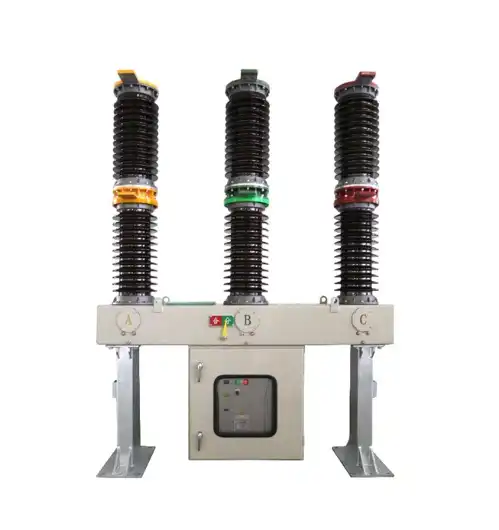
Ensuring Compliance and Safety During Circuit Breaker Installation
Electrical rules and safety standards must be followed when performing circuit breakers installation work. Following the right safety steps and knowing the rules keeps people safe and makes sure the system works right.
Local and International Electrical Code Requirements
In the US, the National Electrical Code (NEC) tells people how to pick out, install, and check circuit breakers. Changes in the area or the type of risk may make the standards stricter. This could be because of local factors or extra requirements. International rules, such as IEC 61009 and IEC 61008, say how circuit breakers should be checked and how well they should work. When projects that use foreign parts or apps for sale are planned and bought, these standards must be taken into account.
Documentation and Inspection Procedures
Paperwork that is done right includes specifications, installation plans, test records, and guarantee information. Having all the paperwork in order helps with future maintenance jobs and gives important information for fixing issues and making changes to the system. The steps of the inspection make sure that the work was done properly, following the manufacturer's directions and any building codes that apply. As part of these checks, the system is generally looked at, tried electrically, and checked to make sure it works right.
Licensed Electrician Requirements and Best Practices
Professional electricians with licenses know how to safely install circuit switches because they have been trained and have the right qualifications. If you want to get a license in most places, you need to go to school, work experience, and pass a test that shows you know how to install electrical equipment. As a general rule, it's best to keep your safety certifications up to date, get new training on a regular basis, and follow the manufacturer's directions for fitting. Getting more training makes sure that electricians know about new codes, tools, and safety rules.
Conclusion
It is very important that you place the circuit breakers at the right time for your building job. They shouldn't be put in during the first inspection process; they should be put in after the rough-in inspection is cleared. This orderly technique ensures that circuit breakers installation occurs only after all electrical components have been properly checked. This makes the project safer and better in the long run. Procurement managers, project planners, and building owners can make better decisions about when to do things, which vendors to hire, and how to meet safety standards when they know the difference between the rough-in and final installation steps. Technical standards, safety rules, and the skills of the supplier must all be carefully organized to make sure that projects are successful. This is so that reliable, code-compliant electrical systems can be put that can meet long-term needs.
FAQ
When exactly are circuit breakers installed in relation to rough-in inspection?
The breakers are put in after the rough-in check is cleared and the wall is finished. During the rough-in inspection, boxes and lines that hold electricity are checked. Circuit breakers are put in during the last part of the electrical work, when the safety devices and final connections are added to the panels.
What tools are essential for professional circuit breaker installation?
Some of the most important tools you need are electrical pliers, wire strippers, protected screwdrivers, voltage testers, and torque wrenches. Also, make sure you have safety gear like safety glasses, padded gloves, and clothes that won't catch fire. When business sets need to use higher voltage, they may need extra specialized tools.
How do I verify that circuit breaker installation meets code requirements?
To make sure code compliance, you need to hire skilled technicians, put things according to the manufacturer's directions, and set up the right checks. In the paperwork, there should be details about the tools, test records, and inspection papers. Electricity workers in the area give the final OK to make sure the rules are followed.
What are the main differences between residential and commercial circuit breaker installation?
Commercial setups often have three-phase power systems, higher energy levels, and more complex ways to protect the power. For home setups, single-phase systems are used because they are safer and require less maintenance. For business jobs, workers often need to use certain tools and work together more closely.
How should I evaluate suppliers for circuit breaker installation projects?
When judging a supplier, you should look at their technical understanding, the quality of their products, how reliable their shipping is, and how willing they are to help you in the long run. Look for well-known names that have a history of making good items and that offer full warranty plans and expert support in your area. It's very important that the supply line is stable and that parts are easy to get.
Partner with Yuguang for Professional Circuit Breakers Installation Solutions
Shaanxi Yuguang Electric Co., Ltd. gives full circuit breakers installation and has been in business for more than 15 years. They have 39 different technologies. We use production methods that are ISO 9001:2015 approved to make sure that the electrical equipment we make is stable and works well for moving and distributing power from 6kV to 40.5kV. We offer full project support, including unique research and development, professional installation assistance, and full after-sales service. We are a reputable provider of circuit breakers installation services. Contact our expert team at ygvcb@hotmail.com to talk about your specific needs and find out how our high-tech vacuum circuit breaker solutions can help your project run more easily and reliably.
References
1. National Fire Protection Association. "NFPA 70: National Electrical Code (NEC) Handbook." 2023 Edition.
2. Institute of Electrical and Electronics Engineers. "IEEE C37.04 Standard for Ratings and Requirements for AC High-Voltage Circuit Breakers." 2018.
3. International Electrotechnical Commission. "IEC 62271-100: High-voltage switchgear and controlgear - Alternating current circuit-breakers." 2021.
4. Occupational Safety and Health Administration. "OSHA 1926.95: Electrical Safety-Related Work Practices Standard for Construction." 2022.
5. American National Standards Institute. "ANSI C37.06 Standard for AC High-Voltage Circuit Breakers Rated on a Symmetrical Current Basis." 2020.
6. National Electrical Contractors Association. "Standard Installation Practices for Electrical Construction Projects." 2023 Edition.

Send Inquiry
You may like
