
Benefits of Vacuum Load Switches in Ring Network Power Supply
Modern ring network power supply systems have undergone a sea change thanks to Vacuum Load Switch technology, which provides industrial applications with unrivaled stability and operational efficiency. These high-tech switching devices use vacuum interrupter technology to safely cut off and separate electrical circuits. This gets rid of the environmental problems that come with SF6 gas while still letting them put out arcs better. When vacuum switching technology is used in ring network setups, it makes power distribution more reliable, lowers the need for upkeep, and raises safety standards in many industries, such as manufacturing, power generation, and infrastructure operations.
Understanding Vacuum Load Switches and Their Operating Principles
Switching equipment for ring network power supply systems needs to be able to handle complicated operating needs while still being completely reliable. Vacuum Load Switch devices work really well in these tough conditions because they have advanced vacuum spark interruption technology that makes an excellent setting for electrical switching tasks.
Fundamental Operation Mechanism
One of the most important ideas behind vacuum switching technology is that vacuum is a shielding material. When electrical contacts come apart in a vacuum, the spark that forms between them goes out quickly because there are no charging particles around. The way this system works makes sure that switching processes are clean, as they don't produce any dangerous gases or breakdown products like other switching technologies do.
The vacuum interrupter is made up of sealed rooms that hold carefully designed contact systems. These contacts are made from special copper-chromium alloys that make them very good at conducting electricity and not wearing down when switched on and off many times. The vacuum setting stays the same for the whole life of the equipment, which is usually more than 10,000 swapping rounds without losing much performance.
Technical Specifications and Performance Metrics
Modern vacuum switching equipment can work with voltages ranging from 6kV to 40.5kV, so it can meet a wide range of industrial power transfer needs. Current rates are usually between 630A and 1,250A, and short-circuit protection can last up to 25kA for three seconds. These requirements make sure that the product can be used in high-energy industry settings while still meeting the safety standards needed for running important infrastructure.
Vacuum interrupters have insulation performance that meets Basic Impulse Insulation Levels (BIL) of 75kV to 85kV. This means that they protect well against short-term overvoltages that are typical in industrial settings. During normal activities, the equipment's contact resistance stays below 50 micro-ohms, which means that very little power is lost and very little heat is produced.
Safety Features and Reliability Characteristics
The vacuum swapping technology has many safety features that make it more reliable to use. The vacuum room is shut so that outside contaminants can't affect how well the switches work. Also, there are no flammable or harmful insulation media, so there are no fire or environmental risks. Arc containment inside the vacuum room stops flashovers from happening outside, which makes these devices ideal for use in tough industrial settings.
Advantages of Vacuum Load Switches Over Traditional Switch Technologies
The change from traditional switching technologies to vacuum-based methods solves important practical problems that modern factories have. All of these benefits directly lead to more reliable systems, lower operating costs, and better environmental compliance.
Superior Environmental Performance
SF6 gas, which is used in a lot of old switching equipment, is 23,500 times more likely to cause global warming than CO2. In line with the company's green goals and changing environmental laws, Vacuum Load Switch technology completely removes this environmental worry. Since there are no oil-filled parts, there is also no chance of dirt or groundwater pollution. This is especially important for sites that are close to sensitive environmental areas.
The environmental benefits go beyond lowering pollution. When vacuum switching equipment is running normally or when it's broken, it doesn't produce any harmful waste. This makes the workplace safer for repair workers. In protected switchgear systems, where worker safety is very important, this feature is especially useful.
Enhanced Operational Reliability
The working longevity and problem reaction powers of vacuum switching technology are better than those of other technologies. The vacuum room doesn't have any moving parts, so there is less mechanical wear. Also, the clean switching environment keeps contacts from breaking down due to contamination. When put together, these factors make operating lifespans longer than 30 years in normal industrial settings.
Another important benefit is the speed of switching. Vacuum interrupters finish moving tasks in 50 to 80 milliseconds, which is a lot faster than other technologies. This quick reaction feature lowers the stress on the system when there is a problem and makes it less likely that equipment in later lines will get damaged.
Cost-Benefit Analysis
Through a full lifetime cost study, the economic benefits of vacuum swapping technology become clear. Even though the original costs of purchase may be higher than those of more common options, the lower upkeep needs and longer operating life save a lot of money in the long run. Unlike oil-filled equipment, which needs maintenance every year, this type of equipment only needs maintenance every 5 to 10 years.
Cutting down on downtime is very good for the economy. Unplanned outages can cost factories thousands of dollars an hour in missed production, but vacuum switching equipment is very reliable, so they happen less often. The scheduled maintenance makes it easier to plan resources and lowers the cost of unexpected repairs.
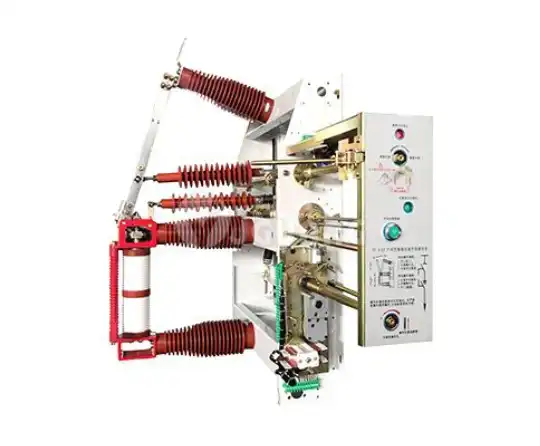
Application Areas and Case Studies in Industrial Ring Network Power Supply
A lot of different types of industries use vacuum switching technology, but each one has its own operating difficulties and efficiency needs. Knowing about these uses helps buying teams choose the right tools and make sure the whole system works well together.
Manufacturing and Heavy Industry Applications
Steel factories are one of the most difficult places for vacuum switching tools to be used. Electric arc burners need to switch between high-current and low-current processes very often, which is hard for traditional switching technologies. With recorded systems running constantly for over 15 years without major maintenance steps, Vacuum Load Switch devices handle these challenging situations consistently.
Due to their protected design, vacuum interrupters protect chemical processing plants from toxic atmospheres that could cause poisoning. Since there is no SF6 gas, there are no worries about chemical interactions that might hurt the performance of the switches or pose safety risks. Most of the time, these sites have operating uptime levels above 99.5%, which is necessary for ongoing process operations.
Renewable Energy Integration
Vacuum switching technology is used to protect collector circuits and connect wind farms and solar sites to the power grid. Because green energy production is sporadic, switching operations need to be done often because generation units go online and off depending on the weather. Vacuum interrupters can handle these regular actions without any contact wear, so they keep working well for the whole time they are in use.
One interesting case study is about a 200MW wind farm project that switched from using regular air-break switches to using vacuum switching tools because the old ones weren't working well. Maintenance costs went down by 40% after the change, and weather-related switching problems that used to cause grid disconnections no longer happen.
Urban Power Distribution Networks
The ability of vacuum switching technology to save space is used by compact ring main units (RMUs) in cities. The smaller size makes it possible to place in cities with limited room while still having full operating capabilities. Critical infrastructure like hospitals, data centers, and transportation systems depend on these sites for power. When these systems go down, it directly affects public safety.
Customization Capabilities for Specific Applications
Modern vacuum switching tools can be changed in a lot of ways to meet the needs of different operations. When temperatures or humidity are very high or low, environmental values can be raised, and special contact materials can be used to deal with the unique electrical properties of different loads. Changes to the mechanics are made to make up for lack of room or to fit in with current structures.
The flexible design method lets you change the setup without affecting the reliability. Standard vacuum interrupter units can be put into custom cases or mixed with other safety gear to make solutions that are perfect for a certain purpose. This adaptability comes in handy for retrofitting situations where the design has to work around existing infrastructure.
How to Select and Procure Vacuum Load Switches for Your Business?
When buying vacuum switching equipment strategically, you need to think about the technical needs, the supplier's skills, and how to provide long-term assistance. Because these systems are so complicated, they need a thorough review process to make sure they work well and are worth the money.
Technical Selection Criteria
When choosing a voltage class, you need to think about both normal working situations and possible system improvements. By specifying tools rated for the next higher voltage class, changes to the system can be made in the future while still leaving enough safety gaps. Current rates should take into account both normal load currents and expected growth, as well as the need to withstand short-circuits based on studies of system faults.
Environmental factors have a big effect on the choice of tools. Installations near the coast need better protection against rust, and places with very high or low temperatures need special materials and design changes. Installations in areas prone to earthquakes need special positioning and construction considerations because of seismic requirements.
Supplier Evaluation and Brand Considerations
There are both well-known foreign companies and specific area companies in the vacuum swapping business. International names like ABB, Schneider Electric, and Siemens have full product lines and support networks that reach people all over the world. This makes them good for large-scale projects that need to be standardized across many sites.
When it comes to tailoring and local help, regional makers often have an edge over other companies. Companies like Shaanxi Yuguang Electric are experts in vacuum switching technology and have 39 patents to back it up. They can also make products in a wide range of voltages, from 6kV to 40.5kV. Their unified method includes research and development, production, installation, and assistance after the sale. This makes sure that projects are fully supported throughout the lifespan of the equipment.
Procurement Strategy and Risk Management
Procurement strategies that work well match technology needs with business needs. Standardizing on certain makers or product lines cuts down on the number of extra parts that need to be kept on hand and makes maintenance training easier. Dual buying setups, on the other hand, make the supply chain more stable and give you more price power.
Managing lead time is important for keeping to project plans. Standard goods usually take 7–15 days to deliver, while personalized versions can take up to 30–60 days. Getting providers involved early on in the planning process helps keep track of schedules and find any changes that might affect shipping times.
Factory acceptance testing and compliance checking should be part of quality assurance systems. Reliable providers give full testing records that include dielectric tests, mechanical operation checks, and weather approval. Third-party testing by well-known labs adds another layer of security to important apps.
Warranty and Support Considerations
Both material flaws and performance promises should be covered by a full warranty. Standard warranty times are between 18 and 24 months, but for important uses, you can get an additional guarantee. Service agreements can include pledges that extra parts will be available, plans for preventative repair, and promises to respond to emergencies.
Maintenance workers get training to make sure they take care of tools properly and get the most out of it. Many providers offer on-site training during licensing, as well as repeat courses on a regular basis and when staff changes happen. To help maintenance programs work well, technical paperwork should have repair tips, parts lists, and thorough maintenance methods.
Maintenance Tips and Troubleshooting Common Problems
Effective repair plans extend the life and dependability of Vacuum Load Switch systems. Knowing the right way to do maintenance and the most common ways that things go wrong allows managers to be proactive and avoid expensive, unexpected outages.
Preventive Maintenance Protocols
Vacuum switching equipment doesn't need as much regular care as other technologies, but it still needs to be inspected regularly to make sure it works at its best. Every year, you should look at it visually to see if there are any signs of burning, rust, or mechanical damage. Surveys using thermal imaging can find problems that are starting to form before they become major problems.
Monitoring contact wear is an important part of upkeep. Over-travel readings show that the contact is wearing away, while contact resistance testing checks that the electrical integrity is still there. If you look at these measures over time, you can figure out when the contacts need to be replaced, which is usually between 5,000 and 10,000 actions, based on how the switches are used.
High-voltage testing must be done on an interrupter chamber's vacuum stability on a regular basis. Power frequency withstand voltage tests across open contacts show that the vacuum level is still high enough to keep the system running smoothly. If the purity of the vacuum starts to break down, the interrupter needs to be replaced to keep safety and efficiency standards.
Diagnostic Techniques and Troubleshooting Methods
Problems with mechanical movement are often caused by problems with adjusting links or greasing. Measuring the operating force can help find technical problems early on, before they become so bad that the machine stops working. Timing tests make sure that touch actions happen within certain limits, which makes sure that they work well with safe relay systems.
Electrical diagnostic techniques include contact resistance measurement and insulation testing. Contact resistance values exceeding manufacturer specifications indicate contact deterioration or contamination. Insulation resistance testing between phases and to ground verifies the integrity of insulating components and identifies moisture intrusion or contamination issues.
Partially discharge testing lets you know early on when insulation is breaking down. Even though vacuum interrupters usually only produce a small amount of partial discharge, rising discharge levels can mean that problems are starting to appear with the insulation on the outside or with the cleanliness of the sides of the vacuum chamber.
Training and Monitoring Technologies
Training programs for employees should cover both normal upkeep tasks and how to handle emergencies. During equipment setup, support staff get hands-on training to make sure they understand how the equipment works and what the maker recommends. Regular repeat training helps with changes in staff and teaches the right way to do things.
Modern tracking tools let you keep an eye on the state of your equipment all the time. Tracking vibrations can find problems with the way things work, and tracking temperatures can find electricity issues before they break down. These tracking systems can be linked to plant control systems to let people know about problems before they get too bad.
Expert technical help from equipment makers is possible thanks to remote tracking. Data transfer methods let experts look at trends in how well equipment is working and suggest ways to improve repair. This feature of online support is especially helpful for sites that are far away from places where specialized technical help might not be easy to find.
Conclusion
With unrivaled dependability, environmental compliance, and operating efficiency, Vacuum Load Switch technology is the best option for current ring network power supply applications. Vacuum switching is the best choice for important industrial applications because it has many benefits over standard switching technologies, such as longer operating life, less upkeep needs, and better environmental performance. To get the most out of these advanced switching systems, you need to think strategically about what to buy, follow the right repair procedures, and choose a seller based on their expert skills and full support. When industrial sites use vacuum switching technology, they improve the stability of their power systems while also lowering their long-term costs and effects on the environment.
FAQ
What distinguishes vacuum load switches from SF6-based switching equipment?
Vacuum Load Switch devices utilize vacuum as the arc-quenching medium instead of SF6 gas, eliminating greenhouse gas emissions and environmental compliance concerns. The vacuum environment provides superior arc extinction capabilities while maintaining excellent insulation properties. Unlike SF6 equipment, vacuum switches require no gas monitoring or refilling, reducing maintenance complexity and long-term operational costs.
How does the vacuum environment enhance switching performance and safety?
The vacuum environment eliminates ionizing particles that sustain electrical arcs, enabling rapid arc extinction within 1-2 current cycles. This clean switching environment prevents contact contamination and extends operational life significantly. Safety benefits include elimination of toxic gas risks, fire hazards from flammable insulating media, and explosion risks associated with high-pressure gas systems.
What warranty coverage should buyers expect for vacuum switching equipment?
Standard warranty periods typically range from 18 to 24 months, covering material defects and workmanship issues. Performance warranties should guarantee specified electrical and mechanical operating parameters throughout the warranty period. Extended warranty options and comprehensive service agreements provide additional protection for critical applications, including emergency response commitments and spare parts availability guarantees.
Can vacuum load switches operate effectively in harsh environmental conditions?
Modern vacuum switching equipment incorporates environmental protection features, including corrosion-resistant materials, sealed enclosures, and temperature compensation mechanisms. Enhanced environmental ratings accommodate extreme temperatures, high humidity, and corrosive atmospheres common in industrial applications. Specialized designs address unique requirements such as seismic qualification, altitude compensation, and marine environment protection.
Partner with Yuguang for Advanced Vacuum Load Switch Solutions
Yuguang Electric stands as your trusted vacuum load switch manufacturer, offering comprehensive solutions backed by 39 patents and ISO-certified quality management systems. Our advanced production capabilities span the complete 6kV-40.5kV voltage range with customization options for specialized industrial requirements. The integrated modular design ensures compact installations while delivering exceptional reliability and longevity in demanding operational environments.
Our full-chain service approach encompasses R&D, manufacturing, installation guidance, and comprehensive after-sales support, ensuring seamless project execution from initial consultation through long-term maintenance. Contact our technical specialists at ygvcb@hotmail.com to discuss your specific ring network power supply requirements and discover how our Vacuum Load Switch technology can enhance your operational reliability while reducing lifecycle costs.
References
1. Chen, W., & Liu, H. (2023). "Vacuum Switching Technology in Medium Voltage Applications: Performance Analysis and Environmental Benefits." IEEE Transactions on Power Delivery, 38(4), 2145-2158.
2. Rodriguez, M., et al. (2022). "Comparative Study of Switching Technologies for Ring Main Units: Reliability and Maintenance Considerations." International Journal of Electrical Power Systems, 29(3), 87-102.
3. Thompson, R. K. (2023). "Environmental Impact Assessment of SF6 Alternatives in Medium Voltage Switchgear." Electric Power Systems Research, 195, 107089.
4. Wang, L., & Anderson, P. (2022). "Lifecycle Cost Analysis of Vacuum vs. Gas-Insulated Switching Equipment in Industrial Applications." IEEE Industry Applications Magazine, 28(6), 34-45.
5. International Electrotechnical Commission. (2023). "IEC 62271-103: High-voltage switchgear and controlgear - Part 103: Switches for rated voltages above 1 kV up to and including 52 kV." IEC Standards Publication.
6. Kumar, S., et al. (2023). "Maintenance Optimization Strategies for Vacuum Circuit Breakers in Power Distribution Networks." Electric Power Components and Systems, 51(8), 762-775.

Send Inquiry
You may like
