
Best Electrical Equipment for New Energy Projects
They need to think about cutting edge options that are more reliable, efficient, and have better long-term value when they are looking for the best electrical equipment for new energy projects. Renewable energy infrastructure today is held together by new energy electrical equipment. This includes high-tech tools made just for solar, wind, hydropower, and storing energy. These specialized parts can handle different amounts of energy and still work at their best for longer because they are built with strong materials, have better integration, and have more advanced monitoring systems.
Comprehending New Energy Electrical Equipment
New energy electrical equipment includes high-tech gadgets made to work with renewable energy systems like solar, wind, and hydropower installations. Unlike regular electrical equipment, these products are designed to generate and store clean energy. They have higher efficiency ratings, can be easily integrated, and are durable enough to handle changing energy inputs.
Core Components and Applications
There are several important types of renewable energy equipment, and each one is designed for a specific job. Photovoltaic panels produce DC power that is changed into AC electricity that can be connected to the grid by solar inverters. Wind turbine controllers control the variable speed operations and make the most of the power output. Power conditioning, battery management, and grid synchronization are all built into one platform for energy storage systems.
Modern installations that use renewable energy need complex control systems that keep an eye on how well they're working, guess what repairs they might need, and make the best use of real-time conditions to maximize energy production. These smart systems have Internet of Things (IoT) connectivity, which lets them be monitored from afar and make changes automatically that improve efficiency while lowering costs.
Advanced Technology Integration
Business-to-business buyers need to know how these devices work and what role they play in managing and converting energy. This is important for those looking for parts that are good for the environment, save money, and work well over time. Modern renewable energy equipment is different from older ones because it uses advanced power electronics, works with smart grids, and can predict when it needs to be serviced.
Comparing New Energy Electrical Equipment vs Traditional Solutions
Businesses need to compare new energy electrical equipment to older options by looking at performance metrics, reliability standards, and how much it will cost in the long run. This in-depth study shows big differences in how they work, how much maintenance they need, and how much they cost to own all together.
Performance and Reliability Analysis
Most of the time, new energy solutions have longer operational lifespans, shorter maintenance intervals, and better ability to adapt to changing load conditions. On the other hand, these benefits usually come with bigger initial investments. Lifecycle cost analyses always show a lower total cost of ownership because they save money on energy, cut down on downtime, and lower maintenance costs over longer periods of time.
When it comes to renewable energy equipment, modern power electronics offer better power quality, voltage regulation, and harmonic distortion control than older methods. These changes make the system more stable, lessen the stress on the equipment, and make the whole grid more compatible.
Technology Advancement Benefits
IoT integration, automation features, and smart energy management systems are some of the new technologies that make energy equipment stand out by letting it be monitored and optimized in real time. These features are very important for meeting strict regulatory standards around the world and changing demands for renewable energy. Predictive analytics, automated fault detection, and remote diagnostic capabilities built into modern equipment help keep unplanned downtime to a minimum.
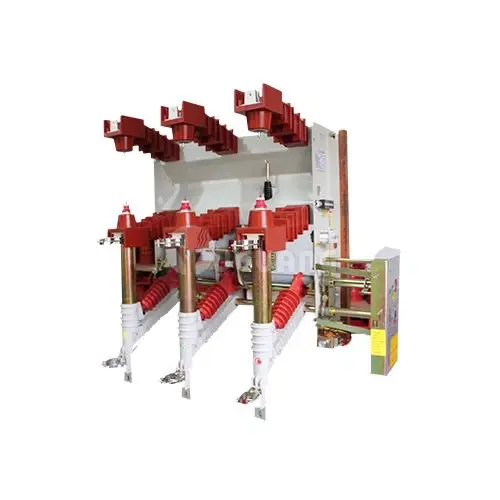
How to Choose the Best Electrical Equipment for New Energy Projects?
There needs to be clear procurement rules that take into account the budget, the size of the project, and the type of energy being used to choose the best equipment. Putting these systems together in a planned way makes sure that they all work well with each other and are worth the money in the long run.
Essential Selection Criteria
If you want to keep safety and dependability high, you should still follow local laws and international certifications. Ratings for how well it works with other systems, its ability to grow with the business, and its strong support from suppliers must all play a big role in the choice process. Certifications for equipment, like those from IEC, UL, and IEEE, make sure that it works well and is of good quality.
Also, make sure that the voltage levels work with each other. This is especially important for high-voltage systems that use voltages between 6KV and 40.5KV. This voltage range is where most industrial and utility-scale renewable energy installations are found. To work at these levels, they need safety rules that are stricter and tools that are made for high voltage.
Project-Specific Customization
For projects, it's important to think about how much space the tools will need in the future, how much energy they will use, and how bad they will be for the environment. These things are very important if you want to get the most out of your business and keep costs as low as possible over time. With custom engineering, things can be changed to fit harsh environments, the needs of a certain industry, or the way people work.
Advanced suppliers offer scenario-based customization that takes into account tough conditions, specific mounting needs, and the ability to connect to systems that are already in place. This ability to be changed is very helpful for installations that use wind power, are used offshore, or are in places where the weather is very bad.
Leading Brands and Suppliers in New Energy Electrical Equipment
Finding trustworthy manufacturers and original equipment manufacturers (OEMs) is important for making sure quality, dependability, and full after-sales support when buying new energy. Certified products from well-known suppliers with a track record of success are backed by large dealer networks and technical support.
Supplier Evaluation Criteria
Leading global suppliers have strong presences in China, Europe, and the Americas. They offer certified products and have large networks of dealers and distributors to back them up. Assessing a supplier's dependability through client feedback, verified case studies, and industry certifications lowers procurement risks and ensures the success of a long-term partnership.
Shaanxi Yuguang Electric Co., Ltd. is a great example of a supplier with a wide range of skills. They have 39 patented technologies, ISO 9001:2015 certification, and a lot of experience with 6KV-40.5KV high-voltage equipment. Their factory in Baoji, Shaanxi, has cutting-edge production lines, high-tech testing gear, and strict quality management systems that make sure their new energy electrical equipment products are reliable and last a long time.
Procurement Best Practices
Some useful strategies for buying things are negotiating good prices, knowing how long it will really take to get something, and making sure that logistics and installation services work well together. Standard products usually take 7–15 days to deliver, while customized solutions can take 30–60 days, depending on how complicated they are and what they need.
For international B2B buyers, working with well-known suppliers speeds up the sourcing process and helps keep projects on schedule. Offering a wide range of services, such as installation help, maintenance agreements, spare parts supply, and modification plans, adds value beyond just buying equipment.
Future Trends and Challenges in New Energy Electrical Equipment
The renewable energy industry is still changing quickly. New developments in material science, AI-powered predictive maintenance, and better smart grid compatibility will affect what equipment can do in the future. These new technologies promise to make systems more reliable, more efficient, and easier to integrate into a wide range of applications.
Emerging Technologies
New energy electrical equipment lasts longer and works better thanks to advanced materials like alloys that don't rust, better sealing technologies that meet IP67 standards, and aerospace-grade precision manufacturing techniques. These changes make the service last longer while also lowering the cost of operation and maintenance.
Adding artificial intelligence to maintenance makes it possible to find problems before they happen, which cuts down on unplanned downtime and maintenance costs. Smart grid compatibility makes sure that new electrical infrastructure and government rules can be easily added.
Industry Challenges
But problems like supply chain disruptions, changing rules, and technical difficulties in integrating systems are still important things for procurement teams to think about. Global logistics problems, limited material availability, and changing safety standards all call for flexible purchasing plans.
Businesses that use sustainable growth strategies, such as adaptive maintenance and continuous process optimization, can lower their risks and stay competitive in the fast-paced renewable energy market. Strategic partnerships with suppliers who have a lot of experience give you the stability and knowledge you need to deal with these problems.
Yuguang's Advanced New Energy Electrical Equipment Solutions
Yuguang Electric is an expert at sending cutting-edge new energy electrical equipment to business clients around the world who work in the manufacturing, infrastructure, and power generation sectors. Our wide range of products includes high-voltage vacuum circuit breakers, combined electrical appliances that work with wind power, and advanced control systems that are made to meet the needs of a wide range of renewable projects.
Manufacturing Excellence and Innovation
Our advanced manufacturing process starts with choosing the best raw materials, such as alloys that don't rust and sealing parts that are rated IP67. This is followed by strict inspection protocols. Basic structural parts are precisely sheared and stamped, and important parts like solid-sealed poles and arc-extinguishing chambers are precisely processed at an aerospace level using special tools to ensure the highest level of accuracy and sealing performance.
As part of our integrated modular design concept, the modular assembly process uses special tools to precisely pre-assemble key parts. These are then put together with frames and shells. This method makes basic machine configurations that can be changed to fit different functional needs and working conditions.
Quality Assurance and Certifications
Semi-finished goods go through a full surface treatment process that includes ceramic coating and powder coating. They are then cured at a constant temperature to improve their resistance to corrosion and aging, which greatly extends their useful life. Our multi-round testing protocol includes checking for compliance and reliability with national high-voltage electrical appliance standards and ISO system requirements, as well as evaluating the functional performance of things like arc extinguishing, insulation, and load adaptability.
We offer customizable solutions backed by our strong global distribution network and technical support. We follow strict international quality certifications. Our ISO 9001:2015, ISO 14001, and ISO 45001 certifications show that we care about quality, being good to the environment, and keeping workers safe.
Conclusion
There are many things to consider when picking the best electrical equipment for new energy electrical equipment projects. These include the technical specs, the skills of the supplier, and the long-term support services. For modern renewable energy installations to work, they need high-tech gear that is reliable, follows the rules, and is efficient enough to run for a long time. When buying things, it's best to build relationships with suppliers, be able to customize products, and offer full service support that includes installation, maintenance, and upgrades for the whole lifecycle of the equipment.
FAQ
What are the most important things to think about when buying new electrical equipment for energy?
Some important things to think about are ratings for efficiency, certification standards that meet IEC and national requirements, a supplier's reputation based on past performance, voltage compatibility for your application, and full after-sales support. The environment, the need for customization, and the ability to work with existing infrastructure are some of the other things that affect the choice of equipment.
How do I check the quality and dependability of a supplier?
Check the quality of the supplier by looking at international certifications like ISO 9001, IEC compliance documentation, and approvals
that are specific to the industry. Ask for references from past clients, look at case studies of projects that are similar to yours, and judge the supplier's technical support, manufacturing facilities, and quality management systems. Patents, recognition in the industry, and years of operation are some other signs of reliability.
How long does the lead time usually take for new energy electrical equipment?
Standard products usually take 7–15 days to deliver, while customized solutions take 30–60 days, depending on how complicated they are and what they need. Longer lead times may be needed for complex customizations or specialized environmental changes. Planning procurement schedules with enough lead time helps make sure that projects stay on schedule and gives installers enough time to get ready.
What options are there for installation and technical support?
Comprehensive suppliers offer advice on how to install, technical documentation, help with commissioning, and help on-site when needed. As part of these services, equipment adaptation, system integration support, performance verification, and operational training are common. As part of ongoing support, there are maintenance agreements, spare parts that can be found, and plans for how to make changes or upgrades in the future.
Partner with Yuguang for Your New Energy Electrical Equipment Needs
Yuguang Electric combines 39 patented technologies, ISO-certified manufacturing excellence, and comprehensive customization capabilities to deliver reliable new energy electrical equipment solutions. Our specialized expertise in 6KV-40.5KV high-voltage systems, wind power applications, and harsh environment adaptations ensures optimal performance for your renewable energy projects. Contact our experienced engineering team at ygvcb@hotmail.comto discuss your specific requirements and discover how our new energy electrical equipment manufacturer capabilities can support your project success.
References
1. International Energy Agency. "Renewable Energy Market Update 2023: Outlook for 2023 and 2024." IEA Publications, 2023.
2. IEEE Standards Association. "IEEE Standard for Electrical Power System Device Function Numbers." IEEE Std C37.2-2022, Institute of Electrical and Electronics Engineers, 2022.
3. International Electrotechnical Commission. "Wind Energy Generation Systems - Design Requirements." IEC 61400-1:2019, International Electrotechnical Commission, 2019.
4. National Renewable Energy Laboratory. "Grid Integration of Renewable Energy: Technical and Economic Assessment." NREL Technical Report, U.S. Department of Energy, 2023.
5. International Renewable Energy Agency. "Global Energy Transformation: Equipment and Technology Outlook 2023." IRENA Publications, 2023.
6. American Society for Testing and Materials. "Standard Specification for High-Voltage Electrical Equipment in Renewable Energy Applications." ASTM D6869-22, ASTM International, 2022.

Send Inquiry
You may like
