
Best Load Switch Solutions for Wind Power and Industrial Applications
To find reliable Load Switch Solutions for wind power and industrial uses, you need to know about the key parts that control the flow of electricity while keeping things safe and running smoothly. Strong protections are needed for modern electrical switching systems, especially in high-voltage areas where broken equipment can cause expensive downtime and safety risks. Compared to traditional mechanical switches, advanced switching technologies offer better heat management, faster reaction times, and built-in safety features. This makes them necessary for today's demanding industrial infrastructure and green energy installations.
Understanding Load Switch Solutions in Wind Power and Industrial Applications
Load switches are basic parts of electrical power distribution systems. They protect and control the flow of power in complicated industrial networks by acting as smart guardians. Instead of using mechanical links like old electromagnetic relays, current switching solutions use solid-state technology to precisely control electrical connections.
Core Functionality and Operation Principles
These high-tech switching devices work by watching the flow of power and cutting off circuits automatically when certain limits are reached. The technology uses advanced arc-extinguishing systems to safely handle electrical sparks during switching operations. This keeps equipment from getting damaged and keeps operators safe. Because they have to deal with changing weather and changing amounts of power production, wind power sites gain the most from these features.
What makes load switch solutions better is that they can handle high voltages from 6kV to 40.5kV, which means they can be used in utility-scale situations. Modern units have combined modular designs and small sizes that make them easy to put in places with limited space while still having strong closing qualities that keep out wetness and other contaminants.
Types and Applications in Industrial Settings
Depending on the needs of the moment and the factors of the surroundings, different switching methods meet different industry needs. High-current versions handle big power loads in steel plants and chemical plants, while precision models are used in data centers and transportation infrastructure for battery management systems.
Rapid switching features help manufacturing sites keep production going as much as possible during repair work. The aerospace-grade precision manufacturing makes sure that the products work reliably in serious situations where broken equipment could affect whole production lines or safety systems.
Comparison of Load Switch Solutions for Industrial and Wind Power Needs
Modern switching technology is much better than older ways of protecting electricity systems, especially in situations where dependability is important, and upkeep is not possible. When buying, teams know about these differences, they can make better choices that meet business needs and stay within their budgets.
Performance Metrics and Reliability Factors
Several key performance factors make it clear that switching systems are better than traditional switches and MOSFETs. Response times that are up to 80% faster than mechanical switches mean that security can be activated faster, which lowers the risk of damage during fault conditions. Thermal management features allow higher current levels be used continuously without lowering performance.
Testing for environmental longevity shows that it is more resistant to vibrations, water, and changes in temperature that are typical in wind power sites. The IP67 closing standards keep dust and water out, which increases the useful life of electronics in tough outdoor settings.
Technology Selection Based on Current Demands
Solid-state switching technologies are useful for low-power uses because they allow exact control while using very little power. For industrial uses involving high current, designs need to be strong enough to handle large electrical loads while still leaving enough safety gaps for times of high demand.
Because they are exposed to bad weather and have varying production trends, wind power systems have their own problems. When designing switching solutions for these kinds of settings, extra safety features and backup safety methods are added to make sure that the systems keep working even during storms and big changes in temperature.
How to Choose the Best Load Switch Solutions for Your Industrial or Wind Power Project?
To choose the best Load Switch Solutions, you need to carefully look at working aspects like voltage levels, current needs, and weather factors that are unique to each application. To have a successful execution, you need to know what the key performance indicators are and make sure they match the needs of the project.
Essential Selection Criteria
Voltage values must meet or go beyond what the system needs, with enough room for error. The way things are handled now should be able to handle both normal working conditions and high demand without affecting efficiency. Environmental safety scores make sure that the system works right in certain placement situations, like in an indoor factory or an outdoor wind farm.
Protection features are very different between brands and product lines. Arc-extinguishing features, heat tracking, and fault warning systems all help make the system safer and more reliable as a whole. Integration compatibility with current control systems affects how hard it is to install and how much upkeep is needed in the long run.
Procurement Considerations and Lead Times
When choosing a provider, the schedule for the project has a big effect. Standard goods are usually ready within 7–15 days, while personalized solutions may take 30–60 days to finish. Minimum order amounts range from buying just one item to buying a lot of them, which changes how prices are set and when items are delivered.
For unique uses where normal goods can't meet specific needs, the ability to customize becomes very important. Scenario-based adaptation makes sure that the system works right in setups that are specific to a business or a certain location. Full expert help during installation and testing lowers the risks of the application and speeds up the project's finish.
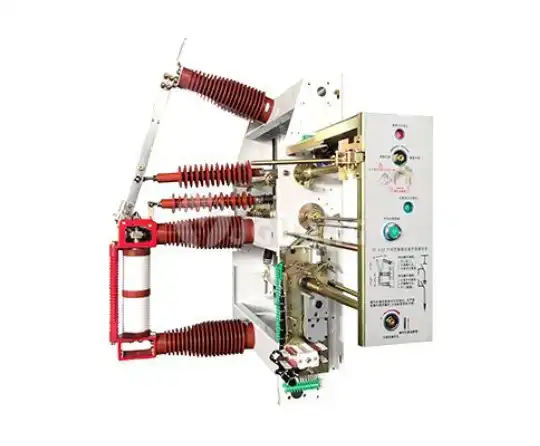
Installation, Troubleshooting, and Optimization of Load Switches
The right way to put something together makes sure that it works well and meets safety standards for its whole life. Professional installation advice cuts down on the time needed for testing and stops common mistakes that could hurt the system's functionality or pose a safety risk.
Step-by-Step Installation Guidelines
Before the Load Switch installation can start, the spot must be carefully prepared, and the wiring specs must be confirmed. Mounting methods need to take into account things like temperature expansion, sound separation, and ease of entry for future upkeep. To keep electrical connections from resistance heating up and oxidizing over time, they need to be made with the right materials and exact pressure specs.
During assembly, safety rules include lockout/tagout processes, the right way to ground things, and making sure that the power is off before starting work. Professional construction teams know what these rules are and keep up with the right licenses for high-voltage electrical work.
Common Troubleshooting Scenarios
Problems with operations usually happen because of bad fitting, the surroundings, or parts wearing out over time. Monitoring the temperature helps find situations where something is getting too hot, which could mean that links are open or there is too much load. Insulation testing makes sure that the electrical connections are properly isolated and finds possible failure modes before they cause the system to go down.
Modern switching systems have built-in diagnostic tools that give you detailed information about faults through built-in tracking links. These features make it easy to quickly find specific failure modes and direct support teams to the right steps to take to fix problems.
Future Trends and Innovations in Load Switch Solutions Technology for Wind Power and Industrial Markets
New technologies keep improving switching abilities by integrating smarter and adding better tracking tools. These changes should make things more efficient, require less upkeep, and work better with smart grid systems.
Smart Integration and IoT Connectivity
When artificial intelligence is integrated, it makes it possible for predictive maintenance to find problems before they happen. An IoT connection lets owners handle sites spread out across the world from a central control center by letting them watch and direct them from afar. These features lower running costs and make the system more reliable by planning preventative repair ahead of time. Machine learning algorithms look at operating trends to find the best time for switches and lower the electrical stress on system parts. This intelligence makes the system more efficient by better managing load and lowering energy loss, and it also makes tools last longer.
Regulatory and Environmental Drivers
Environmental laws keep pushing people to switch to technologies that are more efficient and last longer. Standards for energy economy call for less power use and better temperature performance. Sustainability efforts stress making products out of materials that can be recycled and equipment that lasts longer. Products must meet international safety and efficiency standards in order to meet global compliance requirements. ISO certification and national testing approvals make sure that goods work successfully in a variety of legal settings and installation circumstances.
Conclusion
Load Switch Solutions are important infrastructure parts that make sure power is distributed reliably in industry and wind power settings. Understanding the main differences between switching technologies, choosing the right goods for the job, and following the right installation steps are all important for a project to go well. Smart integration and predictive maintenance will get even better in the future, which should make things even more efficient and reliable. Long-term practical benefits include lower upkeep costs, better safety, and higher system stability when you buy high-quality switching options from well-known makers.
FAQ
What voltage ranges are available for industrial load switches?
Modern switching solutions cover comprehensive voltage ranges from 6kV to 40.5kV, accommodating both medium and high-voltage industrial applications. This range includes standard utility voltages for wind power installations and industrial distribution systems.
How do load switches differ from traditional circuit breakers?
Load Switch Solutions offer faster response times, solid-state operation without mechanical wear, and integrated protection features that traditional breakers cannot match. They provide precise current monitoring and thermal management capabilities essential for modern industrial applications.
What customization options are available for specialized applications?
Scenario-based customization addresses unique environmental conditions, industry-specific requirements, and integration needs. Modular designs allow configuration adjustments for different mounting arrangements, protection levels, and control interfaces.
What after-sales support is typically available?
Comprehensive support includes installation guidance, maintenance agreements, spare parts supply, and modification services. Technical teams provide ongoing assistance throughout the equipment lifecycle to ensure optimal performance and reliability.
Advanced Load Switch Solutions Manufacturer - Partner with Yuguang for Industrial Excellence
Yuguang Electric specializes in manufacturing high-voltage Load Switch Solutions designed specifically for wind power and industrial applications. Our comprehensive product portfolio covers the complete 6kV-40.5kV range with 39 patented innovations, ensuring superior performance and reliability. As an established Load Switch Solutions supplier, we provide end-to-end services from customized R&D through installation and after-sales support. Our FZN21-40.5 and YGFZN25B series deliver exceptional breaking capacity and operational reliability for demanding industrial environments. Contact our technical specialists at ygvcb@hotmail.com to discuss your specific requirements and discover how our certified solutions can enhance your power distribution efficiency.
References
1. IEEE Standards Association. "High-Voltage Switchgear and Controlgear Standards for Industrial Applications." IEEE Power and Energy Society Technical Publications, 2023.
2. International Electrotechnical Commission. "Load Break Switches for Wind Power Applications: Design and Performance Requirements." IEC Technical Committee 17A Working Group Publications, 2022.
3. Wind Power Engineering Development Magazine. "Advanced Switching Technologies in Modern Wind Farm Infrastructure." Renewable Energy Technical Review, Vol. 45, 2023.
4. National Institute of Standards and Technology. "High-Voltage Electrical Equipment Safety and Performance Guidelines for Industrial Applications." NIST Special Publication 1800-25, 2023.
5. American Society for Testing and Materials. "Standard Test Methods for Load Switch Performance in Harsh Environmental Conditions." ASTM International Standards, Document D8045-22, 2022.
6. Electric Power Research Institute. "Reliability Assessment of Modern Load Switching Technologies in Industrial Power Distribution Systems." EPRI Technical Report 3002024856, 2023.

Send Inquiry
You may like
