
Best Medium Voltage Switchgear for Wind Farms
When people who work in procurement look for the best medium voltage switchgear for wind farms, they should focus on finding gear that works reliably even in harsh conditions. In modern wind farms, switchgear systems need to be able to handle changes in temperature, being wet, and constant operational stress while still distributing power as efficiently as possible. The best medium voltage switchgear uses both advanced vacuum circuit breaker technology and the principles of modular design. This makes it last longer and work well with turbine networks. Wind farm managers are becoming more and more aware that investing in good electrical distribution equipment will save them money in the long run and reduce the chance of unplanned downtime.
Introducing Medium Voltage Switchgear and Its Role in Wind Farms
Core Components and Operational Principles
Power keeps moving between each turbine and the main power grid thanks to medium voltage electrical distribution systems in modern wind farms. Vacuum circuit breakers, disconnect switches, protection relays, and control interfaces are some of the important parts of these complicated systems. They all work together to make sure that power transmission is safe and effective.
When it comes to running, wind farms have their own issues that set them apart from regular business power systems. Wind turbines make different amounts of power based on the wind. In other words, they need switchgear that can handle changes in load quickly and not slow down. Plus, many wind farms are in out of the way places where maintenance workers might not be able to get to them right away. This makes it very important that the equipment works well.
Air-Insulated vs Gas-Insulated Systems
Operators of wind farms have to decide between gas-insulated switchgear (GIS) and air-insulated switchgear (AIS) based on the needs of the project and the impact on the environment. AIS systems are cost-effective for installations on land where space is at a premium, while GIS systems come in small packages that work well for offshore platforms or places with limited space.
Gas-insulated systems work best in places with a lot of humidity, salt air, or extreme weather, which is common in coastal wind farms. The sealed design keeps moisture out and requires much less maintenance than alternatives that insulate against air currents. Medium voltage switchgear and AIS systems, on the other hand, are easier to get to for regular checks and part replacements. This makes them better choices for installations in the middle of nowhere with enough room.
Vacuum Circuit Breaker Technology
Vacuum circuit breaker technology is used more and more in modern wind farms because it is better at stopping arcs and doesn't need any maintenance. In contrast to traditional oil or SF6 gas breakers, vacuum technology doesn't pollute the environment and keeps working well for long periods of time.
Vacuum circuit breakers are very durable when used for repeated switching tasks, which is perfect for the changing nature of wind power generation. These devices can handle thousands of switching cycles without breaking down. Compared to other options, this means that they last a lot longer and cost a lot less to replace.
Criteria for Selecting Medium Voltage Switchgear for Wind Farms
Project Scale and Environmental Assessment
To choose the right switchgear, you must first do a full project evaluation that takes into account the size of the installation, its location, and any environmental challenges that might come up. Large wind farms with many megawatts of power need strong electrical infrastructure that can handle large amounts of power flows and keep the grid stable during times of variable generation.
The environment's temperature ranges, humidity levels, salt exposure, and seismic activity all have a direct effect on the choice of equipment. Offshore installations have to deal with very tough conditions that need better corrosion resistance and sealed enclosures to keep water out. Onshore projects in desert areas need equipment that can handle big changes in temperature and a lot of dust. Installations in areas that are prone to earthquakes need equipment that can handle the shaking.
Regulatory Compliance and Performance Standards
The electrical systems in wind farms have to follow a lot of rules, such as the IEC 62271 standards for high-voltage switchgear and the local grid connection requirements. Teams in charge of buying things should make sure that any potential suppliers have up-to-date certifications from well-known testing labs and can show proof that they meet all relevant standards.
Specifications for performance should include rated voltage levels, short-circuit current limits, and duty cycles that are suitable for wind farm use. Many installations work at 35kV or lower voltages, so they need switchgear that was made for those conditions and not something that was modified from higher voltage uses.
Supplier Reliability and Support Capabilities
Because many wind installations are in remote areas, it is very important for suppliers to be able to help with project support in the long term. Procurement managers should judge potential suppliers by how quickly they can help with technical issues, how well they keep an inventory of spare parts, and how well they train maintenance staff.
Suppliers that have been around for a while and have experience with wind energy can help you understand common operational problems and come up with good solutions. Companies like Yuguang Electric show their knowledge by designing wind farm switchgear with features that are specifically made for use with renewable energy. Their 39 patents in electrical equipment technology show that they know the needs of the industry and are dedicated to coming up with new ideas.
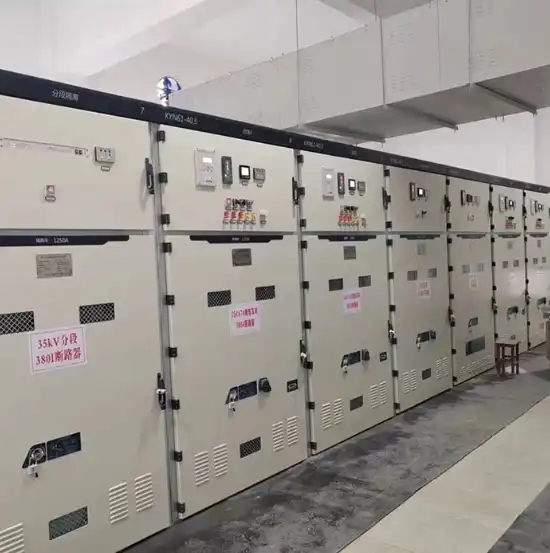
Installation, Maintenance, and Operational Best Practices for Wind Farm Switchgear
Strategic Installation Planning
For switchgear installation to go smoothly, activities like delivering equipment, getting the site ready, and starting up the turbines must all be carefully coordinated. Teams in charge of buying things should work closely with suppliers to set reasonable delivery times that take into account things like bad weather and trouble getting to remote areas.
When installing modular switchgear, it's much easier because it can be pre-assembled and tested in controlled environments before it is finally put together on-site. This method shortens the time needed for installation on-site while also increasing quality control and lowering the number of delays caused by bad weather. Yuguang's integrated modular design philosophy is a good example of this method because it makes compact units that seal better and last longer.
Preventive Maintenance Protocols
Wind farms' medium voltage switchgear needs structured maintenance programs that strike a balance between equipment dependability and operational cost control. As part of regular inspection schedules, enclosure seals should be looked at visually, control circuit functionality should be checked, and protection relay settings should be tested to make sure continued grid compliance.
The latest switchgear has better diagnostic tools that let you use condition-based maintenance strategies instead of time-based ones. Smart monitoring systems can find problems before they become operational problems. This lets maintenance teams plan their work for planned outages instead of having to respond to emergency failures.
Performance Optimization Strategies
Monitoring electrical parameters on a regular basis can help improve the performance of wind farms and find potential equipment problems before they affect their ability to generate electricity. Modern switchgear systems can log a lot of information, which lets you look at operational trends and figure out how well the equipment is working.
When installations are in difficult places where regular site visits are not possible, the ability to monitor them from afar becomes especially useful. Multiple wind farms can be monitored from one place, in a control center. This speeds up response times, lowers operational costs, and keeps high standards of reliability.
Advanced Switchgear Solutions for Modern Wind Energy Applications
Customization for Harsh Environmental Conditions
Wind energy installations are often located in some of the harshest environments in the world, so they need electrical equipment that was designed to work in these conditions. Advanced switchgear manufacturers are aware of these specific needs and come up with custom solutions that use better materials and safety features.
These problems can be solved by Yuguang Electric's scenario-based customization tools, which use detailed environmental analysis and custom engineering solutions. The first step in their manufacturing process is choosing corrosion-resistant alloys and IP67-rated seals. Next, they use aerospace-grade precision manufacturing techniques to make sure the seals work perfectly and last a long time.
The surface treatment process uses ceramic coating and powder coating technologies along with controlled curing processes to make the Medium voltage switchgear much more resistant to corrosion and make it last a lot longer. This multi-layer protection method works especially well in offshore installations where salt air and water intrusion constantly shorten the life of electrical equipment.
Integrated Quality Management Systems
Several testing steps are used in modern switchgear production to make sure that the equipment meets strict performance standards before it is shipped. As part of thorough testing protocols, arc extinction is checked, insulation resistance is measured, and load adaptability is evaluated in a lab setting.
Quality assurance includes more than just testing individual parts. It also includes checking the whole system and certifying that it meets all the requirements. National high-voltage electrical appliance standards make sure that equipment is safe and reliable, while ISO system requirements guide the manufacturing process. These strict testing methods give procurement teams confidence in the long-term dependability and performance of equipment.
The same level of quality is seen in the shipping and packaging process. Wooden boxes that are resistant to shock and moisture protect equipment while it is being sent to remote installation sites. International shipping standards make sure that equipment gets to its destination in perfect condition, no matter how long the trip takes or where it's going.
Conclusion
If you want to find the best medium voltage switchgear for wind farms, you need to think about the technical specs, the environment, and how long the project will last. These days, wind energy installations need equipment that works well and is easy to keep up so they can keep making electricity for a long time. People who are in charge of buying things should choose suppliers who offer full customization options, strong after-sales support, and a history of high-quality production. When you buy good electrical distribution equipment, it costs less to maintain, works more reliably, and lasts longer, all of which are good for the project's long-term finances.
FAQ
When buying medium voltage switchgear for wind farms, what should procurement teams look at first
Environmental resilience is the most important thing to think about, followed closely by the ability of the supplier to help and the need for long-term maintenance. The places where wind farms are located are often difficult because of things like extreme temperatures, water exposure, and limited access for maintenance. The equipment must have worked well in similar conditions before, and the supplier should provide full technical support and spare parts.
How often should the switchgear at a wind farm be inspected for maintenance?
For modern vacuum circuit breakers, a full inspection once a year is usually enough, but visual checks every three months can help find problems early. Condition-based maintenance scheduling is made possible by advanced diagnostic systems. This lets teams choose the best inspection frequency based on the actual condition of the equipment instead of random time intervals.
What makes air-insulated switchgear different from gas-insulated switchgear in wind farms?
If you have enough room, air-insulated systems are cheaper and easier to maintain for onshore installations. On the other hand, gas-insulated designs are better for protecting the environment and take up less space, which makes them perfect for offshore platforms. Because they seal better, gas-insulated systems work best in places with a lot of humidity or salty air. This keeps moisture out and makes maintenance a lot easier.
Partner with Yuguang Electric for Superior Wind Farm Switchgear Solutions
Yuguang Electric has advanced medium voltage switchgear made just for renewable energy applications that can help you with your wind energy projects. Our wide range of products includes systems from 6KV to 40.5KV that are designed in a modular way to work better in harsh environments and last longer. We offer end-to-end solutions, from initial design through installation and ongoing maintenance support, as a reputable medium voltage switchgear manufacturer with 39 patents and ISO certifications. Contact our technical team at ygvcb@hotmail.com to discuss your specific requirements and discover how our innovative electrical solutions can enhance your wind farm performance and reliability.
References
1. International Electrotechnical Commission. "High-voltage switchgear and controlgear - Part 1: Common specifications for alternating current switchgear and controlgear." IEC 62271-1:2017.
2. IEEE Standards Association. "IEEE Guide for the Application of Gas Insulated Substations for Wind Power Plants." IEEE Std 2856-2021.
3. Global Wind Energy Council. "Wind Power Technology Roadmap: Medium Voltage Electrical Systems in Modern Wind Energy Applications." GWEC Technical Report, 2023.
4. American Wind Energy Association. "Best Practices for Wind Farm Electrical Infrastructure Design and Maintenance." AWEA Technical Standards, 2022.
5. European Wind Energy Association. "Offshore Wind Farm Electrical Systems: Design Considerations and Equipment Selection Guidelines." WindEurope Technical Publication, 2023.
6. Renewable Energy World Magazine. "Advanced Switchgear Technologies for Next-Generation Wind Energy Projects: A Comprehensive Analysis." Technical Review, Vol. 26, No. 4, 2023.

Send Inquiry
You may like
