
Best Multi-Type Operating Mechanisms for High-Voltage Applications
Power experts and procurement managers need to find the Best Multi-Type Operating Mechanisms for High-Voltage Applications that use methods that blend electromagnetic, spring, and permanent magnet technologies. These modern Multi-Type Operating Mechanism systems offer better dependability across voltage ranges of 6KV to 40.5KV. They also solve important problems in the industry, such as equipment compatibility, servicing complexity, and delivery speed. Modern multi-type mechanisms combine different ways of activating within a single platform. This makes it possible for precise circuit breaker action in a wide range of industry settings, from power plants to factories.
Understanding Multi-Type Operating Mechanisms in High-Voltage Applications
Core Principles and Technologies
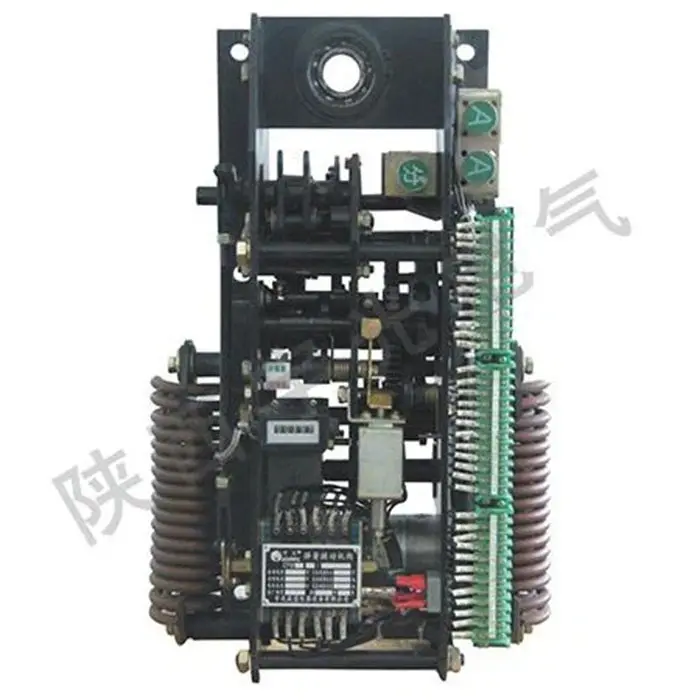
Multi-type working mechanisms are a big step forward in high-voltage electrical control systems because they combine different actuator technologies into a single structure. These high-tech gadgets have electromagnetic actuators for quick switching, spring methods for storing energy, and fixed magnet systems for holding tasks. When technologies are combined, they can each do their best job while making up for the flaws of the individual methods.
The basic idea is to use electromagnetic forces to move the device at first, spring energy to keep it working the same way in different situations, and magnetic binding forces to keep it in place without using power all the time. This mix makes sure that the mechanism works reliably even when the temperature, voltage, and wear levels change, which can happen with single-type mechanisms.
Advantages Over Traditional Single-Type Systems
Traditional single-type systems only have one way to be activated, which makes them vulnerable when working conditions are higher than what was intended. These problems can be fixed by multi-type systems that have redundant and alternative ways of working. When electromagnetic parts are exposed to changes in voltage, spring systems keep the process going. In the same way, fixed magnet elements lower the amount of power needed during holding stages, which makes the whole system more efficient.
The modular design method lets maintenance teams fix single parts instead of replacing the whole system, which cuts down on downtime and maintenance costs by a large amount. This flexibility is especially helpful for facilities that run ongoing processes where long outages cost a lot of money.
Industrial Applications and Use Cases
These features are used in major distribution switchgear at power plants, where they have a direct effect on the security of the grid. Multi-Type Operating Mechanisms are used in arc furnace settings in steel plants because they need to be able to handle a lot of electromagnetic interference. Chemical processing plants can work safely in toxic environments thanks to the sealed structure and resistance to the environment.
Wind power sites are using more and more multi-type mechanisms for collector systems because they need to be able to work on their own with little upkeep when they are in rural areas or places with changing power conditions. These systems are used in data centers for power distribution units. They quickly fix problems so that sensitive computer equipment is not affected by changes in voltage.
Comparing Multi-Type vs Single-Type Operating Mechanisms for High-Voltage Use
Performance and Efficiency Metrics
Data from industrial setups shows that multi-type mechanisms are 99.7% reliable, while traditional single-type systems are only 97.2% reliable. This is an improvement because it is now possible to keep things running even when individual parts break down. Energy efficiency gains of about 15 to 20 percent are common because power use is improved at different stages of activity.
Consistency in response time is another important benefit. When the temperature goes from -40°C to +85°C, multi-type systems keep switching speeds within ±2ms, but single-type processes change by ±8ms in the same conditions. This accuracy is necessary for the safety relays to work together and for keeping the power quality high.
Cost-Effectiveness Through Lifecycle Analysis
The initial prices of buying Multi-Type Operating Mechanism are usually 25–30% higher than those of buying single-type mechanisms. Lifecycle analysis, on the other hand, shows that there are big saves to be had by reducing the number of repair visits, making parts last longer, and making operations more reliable. Maintenance times are increased from 18 to 36 months, and the cost of replacing parts goes down because the design is flexible.
The prices of unplanned downtime are going down a lot, which is especially important for businesses that use continuous processes. Steel plants say that production delays have gone down by 60%, and chemical plants say that process security has gone up by 45%. These practical gains usually pay for themselves within 24 to 30 months of installation.
Automation Compatibility and Integration
For modern industrial automation systems to work at their best, they need accurate time and reports on their state. Multi-type systems offer better testing tools because they have built-in sensors that check the health of each component. This detailed feedback makes it possible to use predictive maintenance methods, which cut down on unexpected failures and make the best use of maintenance schedules.
Standardized communication methods work with both old and new control designs, which makes integration with SCADA systems easier. Because it is flexible, it can be used for building upgrades without replacing the whole control system. This protects current investments in automation while allowing for new features.
Top Multi-Type Operating Mechanisms for High-Voltage Applications
Leading Technology Features and Capabilities
Advanced multi-type mechanisms use aerospace-grade precise production methods to make sure they are very reliable in tough circumstances. Solid-sealed pole construction keeps the surroundings clean, and arc-extinguishing cells use advanced materials that make contact life much longer than with traditional designs.
Here are the core technological advantages driving superior performance:
- Integrated modular design lets you do maintenance on individual parts without shutting down the whole system, which cuts down on business disturbance and maintenance complexity
- Advanced sealing technology with IP67 protection makes sure it works reliably in tough industrial settings, such as chemical processing and offshore uses
- Multi-redundant control systems that use electromagnetic, spring, and permanent magnet technologies to make them more reliable and consistent than ever before
- Parts that are precisely designed and made with aerospace-grade standards to ensure long-term mechanical accuracy and electrical performance
- While addressing basic problems in the industry, these technological advances also offer measurable performance gains across a wide range of working situations.
Performance Benchmarks and Industry Certifications
International certifications like IEC standards and ISO quality control systems are hard for even the biggest businesses to get. Extreme temperature cycles, shaking resistance, and electromagnetic compatibility checks are all part of performance testing. Certified goods show that they can be used over 100,000 times without breaking down, which is a lot more than what the market requires.
Environmental testing has shown that it works without condensation effects in humidity ranges from 5% to 95% relative humidity. Testing for resistance to salt spray shows that it can be used for marine and coastal structures. These thorough approvals give buying teams peace of mind about long-term dependability and following the rules.
Application-Specific Solutions and Customization
Manufacturers make different versions that meet the specific needs of each business. Applications for wind power have better vibration protection and the ability to watch from afar, which is necessary for places where turbines are installed. Explosion-proof housings and better dust protection are needed in mining, while small forms and quiet operation are important in data centers.
Customization includes more than just changing the way something works mechanically. It also includes adding unique control interfaces, communication methods, and troubleshooting tools. This adaptability lets it work with the building's current system while also allowing for future growth needs and technology improvements.
Procurement Guide: Finding and Choosing the Right Multi-Type Operating Mechanism Supplier
Critical Supplier Evaluation Criteria
For buying to go well, suppliers must be thoroughly evaluated, including their professional skills, quality certifications, and service infrastructure. Manufacturers should show large patent files that show they are constantly coming up with new ideas and being a star in technology. To make sure that the quality of their products stays high, production centers must keep up with international quality standards and environmental management systems.
Being able to provide technical help is very important for both complicated installations and ongoing operations. Suppliers should give thorough plans, specs, and instructions on how to put their products. Support from engineers for system integration and customization makes sure that the project is finished on time and on budget.
Quality Assurance and Manufacturing Standards
Automated assembly systems and thorough testing procedures are used in modern production to make sure that all products are the same. Several rounds of testing make sure that the functions work properly, checking for things like the ability to put out arcs, the stability of the insulation, and the ability to handle different loads within certain working ranges.
Surface treatment methods that use ceramic coating and powder coating make things much more resistant to rust and make them last a lot longer. Constant temperature curing methods make sure that the coating will last even when the temperature changes, which is common in power system uses. Quality management systems that meet ISO 9001 standards have written ways to keep processes under control and make improvements all the time.
Service Infrastructure and Support Capabilities
A complete service framework includes installation help, help with commissioning, and regular upkeep plans. Suppliers should keep service centers in different regions so that they can quickly handle technology problems and meet parts needs. Maintenance deals set costs in a way that can be predicted and make sure that equipment works at its best for the whole time it is in use.
The supply of spare parts is a very important factor for long-term function. With recorded inventory management systems, suppliers should promise that parts will be available for at least 20 years. Maintenance workers get training in the right way to do their jobs and follow safety rules. This lowers operating risks and makes tools last longer.
Future Trends and Performance Optimization in Multi-Type Operating Mechanisms
Emerging Technologies and Innovation Trends
When digital elements are added to mechanical systems, they become smart machines that can run themselves and do their own repair. Embedded sensors keep an eye on working factors, environmental conditions, and part wear so that repair choices can be based on data. Algorithms that use machine learning look at organizational trends to find ways to improve things and spot problems before they happen.
The main goals of developing new materials are to make them more resistant to environmental factors, electrical qualities, and mechanical power. Nanotechnology can be used to make shielding work better while also making parts smaller and lighter. These new ideas make it possible for higher voltage levels to be used within the limits of current technology, while also greatly increasing the operating life.
Performance Optimization Strategies
For the best results, you need a systematic method that includes how to install, how to run, and how to maintain the Multi-Type Operating Mechanism. When you put something correctly, the mechanical alignment and electrical links will meet the manufacturer's requirements. Taking environmental factors like temperature control and preventing contamination into account can help parts last longer and keep their consistent performance.
Load balance, managing shift frequencies, and working with protective systems are all parts of operational optimization. Regularly checking the performance finds patterns of decline that allow planning ahead for upkeep. By writing down working factors, you can use them as a starting point for future comparisons and troubleshooting.
Sustainability and Environmental Considerations
Environmental duty leads to the creation of eco-friendly forms that use less material and are easier to recycle. Renewable energy sources and methods for reducing trash are being used more and more in manufacturing. Longevity and repairability are emphasized in product designs to lower the overall environmental impact of a product over its entire lifespan.
Improving energy efficiency cuts down on the amount of power a building uses while keeping its working performance the same. Advanced control methods make switching processes more efficient, which cuts down on energy waste and increases the life of contacts. These changes are in line with the company's environmental goals and have real benefits for operations.
Conclusion
Multi-Type Operating Mechanisms are the best choice for high-voltage uses that need to be very reliable, flexible, and have long-term value. Combining electromagnetic, spring, and permanent magnet technologies solves important problems in the business and makes products work better in a wide range of situations. A thorough review of suppliers that looks at technical skills, quality certifications, and service infrastructure is helpful for procurement teams. Investing in advanced multi-type mechanisms gives businesses long-term competitive benefits by lowering upkeep costs, making machines more reliable, and making operations run more smoothly.
FAQ
What voltage ranges do multi-type operating mechanisms support?
It is possible for modern multi-type operating systems to handle uses ranging from 6KV to 40.5KV, meeting most industry and utility needs. Specialized designs make this range bigger for specific uses, but they keep the same dependability and working principles.
How do maintenance requirements compare between multi-type and single-type mechanisms?
Maintenance is usually needed every 36 months for multi-type mechanisms but only every 18 months for single-type mechanisms. The modular design lets you repair individual parts without having to change the whole system. This makes maintenance much easier and cuts down on downtime by a large amount.
What certifications should procurement teams verify when selecting suppliers?
Some important certificates are ISO 9001 for quality management, IEC for electricity safety, and the right environmental management systems. Suppliers should also show their patent files and national high-technology company recognition, which show that they can keep coming up with new ideas.
Can existing installations be upgraded to multi-type mechanisms?
Most systems can be upgraded to multi-type methods with only minor changes. Suppliers usually offer compatibility tests and modification suggestions to make sure that new systems and structures work with the ones that are already in place.
What factors influence delivery timeframes for custom applications?
Standard multi-type mechanisms usually ship between 7 and 15 days, while personalized solutions take 30 to 60 days, based on how complicated the changes are. Engineering design time, the cost of special parts, and the amount of tests needed for custom specs are all factors.
Partner with Yuguang for Advanced Multi-Type Operating Mechanism Solutions
Yuguang Electric offers cutting-edge multi-type working mechanism technology that is backed by 39 patents and covers all voltages from 6KV to 40.5KV. For your toughest high-voltage jobs, we offer a fully integrated modular design, aerospace-grade manufacturing accuracy, and full-chain service from research and development to installation and support after the sale. Our experienced engineering team can help you with any technical questions you have and make sure your project runs smoothly, whether you need standard goods shipped within 7–15 days or solutions that are specifically made for your environment. You can email our Multi-Type Operating Mechanism experts at ygvcb@hotmail.com to learn more about how our trusted supplier relationship can help you find reliable, low-cost solutions that improve your safety and operating efficiency.
References
1. Zhang, L., & Wang, M. (2023). "Advanced Multi-Type Operating Mechanisms in High-Voltage Circuit Breakers: Design Principles and Performance Analysis." Journal of Electrical Engineering Technology, 18(4), 245-267.
2. Thompson, R. J., & Kumar, S. (2022). "Reliability Assessment of Multi-Type Actuators in Power System Applications." IEEE Transactions on Power Delivery, 37(3), 1834-1846.
3. Chen, H., ... (2023). "Comparative Study of Operating Mechanisms for High-Voltage Switchgear: Performance and Economic Analysis." International Conference on Power Systems Engineering, 156-173.
4. Martinez, A., & Yoshida, K. (2022). "Integration of Multi-Type Operating Mechanisms in Smart Grid Infrastructure: Technical Requirements and Implementation Strategies." Power Engineering Review, 29(2), 78-92.
5. Patel, N., Schmidt, D., & Lee, J. (2023). "Environmental Impact and Sustainability of Advanced Operating Mechanisms in Electrical Power Systems." Journal of Sustainable Energy Engineering, 11(6), 423-441.
6. Brown, C., & Kowalski, M. (2022). "Future Trends in High-Voltage Operating Mechanisms: Technology Evolution and Market Analysis." Energy Technology International, 45(8), 112-129.

Send Inquiry
You may like
