
Can you replace a breaker without an electrician?
You don't always need an expert to change a circuit switch. This is especially true for everyday tasks at home and in the office. Installing circuit breakers installation, on the other hand, needs careful thought about safety rules, local electrical codes, and how complicated your electrical system is. Simple circuit breakers can be changed by homeowners and building repair staff as long as they are ready and follow safety rules. In industrial settings with high-voltage systems, on the other hand, trained professionals are often needed to make sure that safety standards are met and guarantee requirements are met.
Understanding Circuit Breaker Replacement
Changing a circuit breaker means taking out an old or broken one and putting in a new one so that the electrical system stays safe and works right. Instead of adding new electrical paths or making circuits bigger, the replacement process is very different from the original construction process. This is because the replacement process works on fixing current electrical problems.
Recognizing When Replacement is Necessary
It is important to know when to change circuit breakers so that your electrical system works well. A lot of trips on the breaker when there doesn't seem to be an overload, seeing burn marks or rust on the breaker's parts, and making a lot of heat while it's working normally are all common signs. Most of the time, these signs mean that parts inside the breaker are worn out, which makes it less effective at defending.
If you touch the device, you can see other warning signs, such as a broken case, connections that aren't tight, or circle marks around the contact points. Another thing to think about is how old the breakers are. Breakers made before 1990 might not have the latest safety features, so they should be checked for wear and replaced as part of annual upkeep.
Safety and Regulatory Requirements
The International Electrotechnical Commission (IEC) and the National Electrical Code (NEC) make rules about how to safely change a breaker. These rules stress how important it is to use the correct lockout/tagout procedures, wear the correct safety gear, and turn off the power before beginning work. Depending on the building codes in your area, you may need a permit or a professional review to change certain kinds of breakers, especially in business or industrial settings. Having these standards on hand helps purchasing managers and building engineers decide when do-it-yourself methods are okay and when they need to be guided by a pro.
Step-by-Step Guide to Replacing a Circuit Breaker Without an Electrician
You need to plan ahead and pay close attention to the details if you want to safely change circuit breakers. This all-around method lowers the risks and makes sure that the work is done correctly and up to company standards.
Essential Tools and Safety Equipment
To fix a safe switch, you must first get the right tools. Screwdrivers that are approved for electrical use, digital voltage testers, and the right safety gear for the job, like safety glasses and padded gloves, are all things that you need. Extra tools like wire brushes, electrical tape, and torque wrenches are used to make connections that look like they were done by a professional, and circuit breakers installation is carried out with the same attention to detail. With camera gear, you can make notes on how the wiring was set up in the first place before you start fixing it.
Detailed Replacement Procedure
The first step in changing something is to turn off the power at the main electrical switch. Before removing the breaker literally, make sure that the working conditions are safe by using precise voltage checking tools to make sure that the circuit is no longer live. It's important to be careful when disconnecting the wires from the broken switch so that you don't damage any nearby charged parts. To make sure the new breaker unit is put together properly, write down where the wires go and how tight they should be connected.
When putting in the new breaker, make sure to follow the directions from the maker for how to do it and how tight the wires should be linked. Good manufacturers, like Schneider Electric and Siemens, give detailed installation instructions that cover what model to use and how to make sure it works with other things.
Testing and Verification
Check the work one last time to make sure it was done right, then turn the power back on to the circuits that were affected. This includes looking checking all the connections, making sure the breakers are in the right place, and making sure the panel covers fit right without any problems. Restoring power is done in an organized way. First, the main switch is tested, and then each circuit is checked one by one. Load testing under normal working conditions shows that the new breaker works right and keeps its safety features.
Professional vs. DIY Breaker Replacement: What Procurement Managers Need to Know
The people who work in buying have to make hard decisions about whether to fix breaker panels themselves or hire trained electricians to do the job. This pick changes the project's costs, timeline, and risk in a lot of different ways.
Benefits of Professional Installation
An electrician who is certified has had a lot of training and experience. This makes sure that they follow the rules and lowers the risks of installation. In complex business settings, their expertise is especially helpful when circuit breakers installation involves high-amperage equipment or specialized industrial uses. When you hire a professional installer, you usually get a warranty that covers mistakes made during the installation and quick help for issues that arise after the installation. Most of the time, this covers more than just the breaker. It also covers work and other parts of the system that are touched during installation.
Cost Analysis and Hidden Expenses
Not only do labor rates show a lot more when you look at direct cost differences between professional installation and do-it-yourself installation. Professional installation means getting the right permits, making sure the rules are followed, and passing a lot of tests that some groups might find hard to do on their own. There may be hidden costs to do-it-yourself projects if you make mistakes during installation, break the rules that need to be fixed, or damage tools by following the wrong steps. When it comes to businesses, these risks are especially important because power outages can really mess up processes.
Scenarios Appropriate for In-House Installation
When making repairs to a home or business that isn't very dangerous, it's often best to change circuit switches yourself. Standard voltage rates, easy wiring layouts, and code that's not too hard to understand are common in these cases. When you do it yourself, getting parts from well-known companies like Eaton and ABB that are of good quality and come with a lot of specialized information makes things go more easily, and circuit breakers installation benefits from the same reliable approach. Working with authorized distributors is a good way to make sure that the items you buy are real and that it's easy to get expert help.
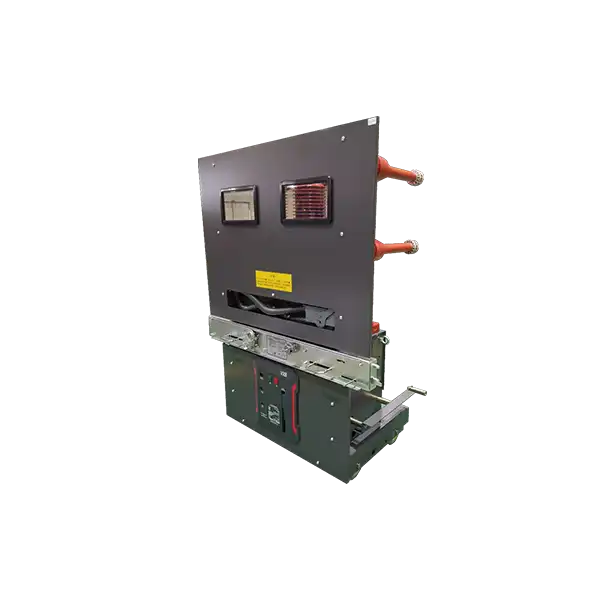
Common Mistakes and How to Avoid Them When Replacing Circuit Breakers
If you know the most common mistakes people make when installing something, you can avoid making costly mistakes that put the safety of your power and the efficiency of your system at risk. These tips will help companies that are building up their own repair teams or judging the work of workers a lot.
Sizing and Compatibility Issues
Using the wrong size breaker during installation is one of the worst things that can happen. This could cause a fire or not enough safety for the circuits. You need to know both the wire gauge and the circuit load standards in order to get the right size. You can be sure that the whole electricity system is safe this way. Not only do current rates need to be checked to make sure they are compatible, but so do mounting options, the need for arc fault protection, and the ability to use hardware that is already on the panel. Electrical screens made today might need switches that look like others on the market but are not the same.
Installation Procedure Errors
If you don't fully turn off electrical panels, they become dangerous right away and could hurt or kill someone. Instead of relying on what you can see or how the circuit breaker is set, you should use precise testing tools to make sure that the lockout/tagout methods are correct. Not using enough connection force is another common mistake that leads to burning, arcing, and finally part failure. If you follow the power specs given by the manufacturer and use tools that have been properly set, you can be sure of long-term performance.
Quality Assurance and Documentation
Full paperwork helps with maintenance chores in the future and proves that the right steps were taken during installation. This information is very important for making sure that claims are valid and rules are followed. Taking shots of the end connections, making sure they meet the force requirements, and looking at test results to show that they work should all be part of the installation proof. You can use these records to plan preventative maintenance and figure out how to fix issues that might happen in the future.
Procurement Insights: Where and How to Buy Circuit Breakers for Replacement
When you buy circuit breakers carefully, you need to know about changes in product quality, how reliable sources are, and how long they can help you, and circuit breakers installation demands the same level of attention to ensure long-term performance. In industrial settings, these things have a big impact on how well setups work and how reliable processes are.
Leading Manufacturer Evaluation
Brands like Schneider Electric, Siemens, ABB, Eaton, and Legrand are clearly better when it comes to the quality of their products, the abundance of parts, and the help they get from experts. Each company makes goods that are designed to work best in certain situations and are used in certain ways. When choosing a product, it's important to think about how well it works with the energy infrastructure that's already in place. It's also important to think about how easy it is to maintain and add to in the future. As a result of standardizing on certain maker platforms, stocking can be made easier and service staff can be trained more quickly.
Sourcing and Supply Chain Considerations
You can get real things that come with full technical help and maker warranties from authorized dealers. These links are very useful for setups that are hard to understand and need professional help or services for specific setting. Circuit breakers installation success depends heavily on component authenticity and quality assurance throughout the supply chain. When you buy fake goods, you put your safety at great risk, and insurance or government approvals may not cover them.
Warranty and Support Evaluation
A full guarantee should cover both product flaws and fitting help. This will keep project risks to a minimum and make sure that problems are fixed quickly. If the use is mission-critical and downtime is very bad for operations, options with longer guarantees may be better. You can get very different levels of professional support from one service to another. This can have a big impact on how well an installation goes, especially for businesses that are building up their own maintenance teams. The amount of technical understanding, the speed of response, and the availability of field support services should all be used to judge.
Conclusion
Changing circuit breakers is often still possible without professional help, as long as the right safety steps and technical requirements are taken. To make sure the choice leads to safe and dependable outcomes, the choice needs to be carefully considered in terms of the complexity of the system, the law, and the authority of the organization. Circuit breakers installation must be carried out with precision, using the right tools, following the right steps, and being honest about the size and risks of the job. Companies that want to do better with maintenance should spend money on the right training, good tools, and good ties with providers. This will help them be successful in the long run while still following safety rules and the law.
FAQ
Can I replace any type of circuit breaker myself?
Most of the time, people who know what they're doing and follow the right safety steps can safely change standard home circuit breakers that handle up to 200 amps. But high-voltage industrial breakers, main line disconnects, and specialty arc fault or ground fault breakers may need to be installed by a professional because they are difficult and need to be put in safely.
What tools do I absolutely need for safe breaker replacement?
There are many important things you need, such as safety glasses, insulated gloves, insulated screwdrivers, and a flashlight or torch. Some other things you should have are wire tools, electrical tape, and a camera to record the wiring as it was before you start working on it.
How do I know if my electrical panel requires professional service?
You should have a professional look at panels that have rust, broken parts, or strange warmth when they are typically used. You should also have a trained electrician check panels made before 1990, main line updates, and installations that need licenses to make sure they follow the rules and are safe.
What are the legal requirements for DIY breaker replacement?
Different building codes have different rules about who can do their own electrical work and what permits they need. People can do small electricity jobs on their own land in many places, but they need to get licensing and be inspected for bigger changes. Most of the time, you need a licensed mechanic and official testing procedures for business and industrial uses.
How much money can I save by replacing breakers myself?
Most of the time, changing a breaker yourself will save you $100 to $300 per breaker in service fees. But the possible savings must be weighed against the risks of bad fitting, breaking the rules, and damage to the machine that could cost a lot more to fix.
Partner with Yuguang for Professional Circuit Breakers Installation Solutions
Yuguang Electric delivers comprehensive circuit breakers installation manufacturer solutions designed specifically for industrial and commercial applications requiring the highest safety and reliability standards. Our extensive product portfolio includes vacuum circuit breakers, wind power-specific electrical equipment, and supporting components engineered for 6kV to 40.5kV applications across power generation, metallurgy, and infrastructure sectors.
With 39 patents, ISO certifications, and proven expertise serving major power grid projects, Yuguang provides complete technical support from customized design through installation guidance and long-term maintenance services. Contact our engineering team at ygvcb@hotmail.com to discuss your specific requirements and discover how our advanced manufacturing capabilities and comprehensive service model can optimize your electrical infrastructure investments.
References
1. National Electrical Code Handbook, National Fire Protection Association, 2023 Edition
2. IEEE Standard 37.06-2009: Guide for Specification of Distribution Automation Systems
3. "Electrical Safety in the Workplace" by Ray Jones and Jane Wilson, Industrial Safety Publications, 2022
4. IEC 62271-100: High-voltage switchgear and controlgear - Alternating current circuit-breakers
5. "Circuit Breaker Technology and Applications" by Robert Chen, Electrical Engineering Press, 2023
6. OSHA Standard 29 CFR 1910.333: Selection and use of work practices for electrical safety

Send Inquiry
You may like
