
Choosing Vacuum Circuit Breakers for Frequent Industrial Operations
When choosing the right Vacuum Circuit Breaker for a factory that does a lot of work, it's important to think about the needs of the workers, the climate, and how reliable the product needs to be in the long run. The industrial, building, and power generation industries all count on these important parts to keep electrical systems safe from overloads, short circuits, and other problems. Modern vacuum circuit breakers work better than older ones that are filled with oil or gas. This makes them the best choice for situations where switching things on and off often is needed and where upkeep is minimal.
Understanding Vacuum Circuit Breakers: Fundamentals and Benefits
Core Operating Principles and Components
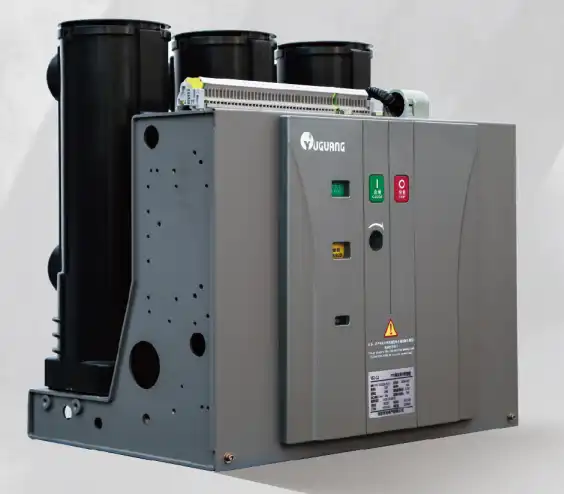
Vacuum circuit breakers use the unique dielectric qualities of vacuum to stop electrical sparks while they are switching. The main part, the vacuum interrupter, has both fixed and moving contacts that are sealed inside a room that has been emptied. When contacts break apart during a fault, an electrical spark appears in a vacuum and goes out on its own at the current zero point, usually within the first half-cycle.
Either spring-charged technology or fixed magnet technology is used in the working device to provide the mechanical force needed for touch operation. Permanent magnet systems are becoming more popular in industrial settings because they don't need to be maintained and keep working well after millions of switching cycles.
Key Advantages in Industrial Environments
There are a lot of benefits built into vacuum circuit breaker technology that make it very useful for industrial use. Unlike oil or gas circuit breakers, these devices don't need as much upkeep, which cuts down on costs and downtime. Since there are no harmful gases or burning oils, there are no environmental issues, and fitting in small areas is easier.
Modern vacuum interrupters can do over 30,000 switching processes without breaking down, making reliability one of their most important benefits. The fast arc extinction feature keeps downstream equipment safe, and the small size makes it possible to set up switches in industrial buildings that don't take up too much room.
Voltage Classifications and Applications
Vacuum circuit breakers can handle voltages from 6kV to 40.5kV, so they can be used for a wide range of industrial power transfer needs. For plant distribution systems, 12kV and 24kV ratings are common for medium voltage uses. Higher voltage units are used for transportation and large manufacturing facilities. According to industry guidelines, each voltage class has its own needs for insulation coordination and breaking ability.
Comparing Vacuum Circuit Breakers with Other Circuit Breaker Technologies
Performance Analysis Against Alternative Technologies
When looking at different types of circuit breakers, vacuum units always work better in industrial settings than air, SF6, and oil options. Even though air circuit breakers are cheap, they need to be serviced often and don't last as long when they have to do a lot of moving. Even though SF6 gas circuit breakers work very well, they are bad for the environment because they release greenhouse gases and have complicated standards for handling gases.
Even though oil circuit breakers work well, they can catch fire and need a lot of upkeep, like having the oil analyzed and replaced. The comparison shows that vacuum technology is better when it comes to practical safety gaps, environmental effects, and the amount of upkeep that needs to be done.
Cost-Efficiency and Lifecycle Considerations
In the majority of industry uses, the total cost of ownership study favors Vacuum Circuit Breaker Technology. Even though the original capital costs may be higher than some other options, the lower upkeep needs, longer operating lives, and higher stability save a lot of money in the long run. Maintenance costs for industrial sites are 60–80% lower than for oil or gas circuit breakers over a normal 20-year operating period.
Another benefit is that vacuum units are energy efficient; when they're not in use, they use very little power. The permanent magnet working mechanisms get rid of the need for holding coils to be powered all the time. This lowers the cost of energy use in the building and makes the system work better overall.
How to Choose the Right Vacuum Circuit Breaker for Frequent Industrial Use?
Assessment of Industrial Operation Requirements
A thorough study of working needs, such as load factors, shift frequency, and weather conditions, is the first step in making the right choice. For heavy industrial tasks like steel mills, mines, and chemical plants, stronger materials and better mechanical endurance are usually needed. When figuring out the switching frequency, you should look at both regular operating cycles and emergency switching needs.
Design specs are affected by things like the temperature, humidity, altitude, and amount of contamination in the air. Coastal installations need better resistance to rust, and high-altitude installations need insulation planning that takes into account the altitude. The evaluation should also look at plans for future growth and load estimates to make sure there are enough capacity gaps.
Critical Selection Criteria and Standards Compliance
To get the best results, the choosing method must put a number of technical factors in order of importance. The rated current capacity should match the highest load needs plus the right amount of safety gaps, which are usually 125% of the expected peak loads. Taking into account how the system is expected to grow, the breaking capacity must be higher than the maximum possible fault current levels.
Following international norms makes sure that systems are safe and can work with other systems. The main standard for high-voltage alternating current circuit breakers is IEC 62271-100. IEEE C37.06 covers recommended rates and other related requirements. Depending on where the work is going to happen, regional certifications like UL listing or CE marking may be needed.
Supplier Evaluation and Procurement Strategies
A good review of a seller looks at their professional skills, the level of their work, and their support services. Leading makers show that their products are always of high quality by using thorough testing programs and a history of success in similar situations. Facility audits, reference checks, and a look at relevant certifications, such as ISO 9001 quality management systems, should all be part of the evaluation.
Stability in the supply chain is very important for projects with tight deadlines or sites that are far away. Industrial operations get the most value from suppliers who offer full support, such as expert help, installation control, and access to extra parts. Initial prices, long-term assistance needs, and total lifetime value should all be taken into account in the buying plan.
Best Practices for Vacuum Circuit Breaker Maintenance and Longevity
Routine Inspection and Preventive Maintenance Protocols
Effective care plans make Vacuum Circuit Breakers work better and last longer by inspecting them regularly and taking preventative steps. Visual checks should be done once a month, focused on the outside parts, control wires, and working parts. On the maintenance checklist, you should check the orientation of the contacts, see if the mechanism is oiled, and measure the insulating resistance.
As part of the annual maintenance, the trip and close coils are tested thoroughly, the contact resistance is measured, and the vacuum integrity is checked using high-potential testing. These steps find possible problems before they become work breakdowns. This keeps the system reliable and lowers the cost of emergency repairs.
Common Failure Points and Troubleshooting Strategies
Knowing the most common ways that things go wrong lets you do preventative maintenance and fix problems quickly. The most serious type of failure is vacuum interrupter degradation, which usually shows up as higher contact resistance or lower dielectric strength. Regular measures of contact resistance let you know about possible problems early, so you can plan to replace them during planned breaks.
Problems with operating mechanisms are often caused by not lubricating them well enough, misaligning them, or wearing out parts. These problems usually show up as time problems, too much force during operation, or noise from the machine while it's running. To make a correct diagnosis, each part of the device must be tested in a planned way and then compared to the manufacturer's specs.
Upgrading Legacy Systems for Enhanced Performance
There are big differences between modern vacuum circuit breakers and the oil or air circuit breakers that were used in older factories. Retrofit projects can make systems more reliable while also lowering the need for upkeep and protecting the environment. As part of the update process, the reliability of current equipment must be carefully checked, and safety systems must be coordinated.
Successful repair projects show changes in stability of 90% or more and big drops in the cost of upkeep. The improved performance features allow for more active protection settings, which improve the coordination of system security and lower the damage to equipment during fault conditions.
Future Trends and Innovations in Vacuum Circuit Breakers for Industrial Operations
Smart Grid Integration and Predictive Maintenance Technologies
When smart grid technologies are added to vacuum circuit breakers, they can do more advanced tracking and repair before they break down. In real time, embedded sensors check important factors like vacuum purity, contact resistance, and working mechanism forces. This information lets us use condition-based repair plans to make things more reliable while cutting down on work that isn't needed.
Artificial intelligence programs look at operational data to guess what might go wrong weeks or months ahead of time. This lets repairs be planned for when the system is down. These predictive skills cut unexpected downtime by as much as 75% and increase the useful life of tools by figuring out the best time to do repairs.
Advanced Materials and Environmental Considerations
As material science progresses, Vacuum Circuit Breakers keep working better and being more compatible with their surroundings. New contact materials improve the ability to stop arcs while also making them last longer, which is especially important for uses that switch often. When it comes to tough weather conditions like high humidity, pollution, and temperature changes, better shielding materials work better.
Environmental laws are having a bigger impact on design standards, which is leading to the creation of fully reusable parts and production methods that have less of an effect on the environment. These changes are in line with companies' efforts to be more environmentally friendly while still delivering top-notch technology performance.
Strategic Procurement Considerations for Long-term Success
Long-term plans for buying things should take into account how new technologies and changes in rules will affect power systems in factories. As we move toward using more green energy, we need circuit breakers that can handle changing power flows and the quick changes needed to keep the grid stable. When making purchases, companies should give more weight to sellers who show they are stars in creativity and are committed to continued product development.
Standardization efforts in global markets allow for economies of scale and make it easier for industrial operations with multiple sites to handle extra parts. In markets that change quickly, having strategic relationships with providers that offer full engineering support and technology plan alignment can give you a competitive edge.
Conclusion
When choosing the right Vacuum Circuit Breaker options for heavy-duty industrial tasks, you have to balance technical needs, business concerns, and long-term strategy goals. Vacuum technology is the best choice for challenging industrial uses because it has better performance qualities, such as less upkeep needs, higher safety, and longer operating lives. A thorough analysis of operational needs, a careful analysis of suppliers, and the implementation of extensive repair programs that improve equipment performance and dependability throughout its operational lives are all necessary for success.
FAQ
What voltage ratings are available for industrial vacuum circuit breakers?
Industrial vacuum circuit breakers typically cover voltage ranges from 6kV to 40.5kV, accommodating most medium voltage distribution requirements. The most common ratings include 12kV for plant distribution systems, 24kV for larger industrial facilities, and 36kV for transmission applications. Proper voltage selection depends on system voltage levels, insulation coordination requirements, and applicable electrical codes.
How do maintenance costs compare between vacuum and traditional circuit breakers?
Maintenance costs for vacuum circuit breakers average 60-80% lower than oil or gas alternatives over typical 20-year operational periods. This reduction results from the elimination of fluid replacement requirements, extended inspection intervals, and reduced component replacement needs. The maintenance-free operating mechanisms further contribute to cost reductions while improving system reliability.
Can vacuum circuit breakers operate effectively in harsh industrial environments?
Modern vacuum circuit breakers incorporate enhanced environmental protection, including IP67 sealing, corrosion-resistant materials, and temperature compensation features. These design elements enable reliable operation in challenging conditions, including high humidity, contamination, and extreme temperatures. Proper selection of environmental options ensures optimal performance across diverse industrial applications.
What breaking capacity is required for heavy industrial applications?
Breaking capacity requirements depend on the maximum available fault current levels at the installation point. Heavy industrial facilities typically require breaking capacities ranging from 25kA to 63kA, with higher values needed for installations close to utility transmission systems. Proper coordination with system studies ensures adequate protection capability throughout the operational lifespan.
How often should vacuum circuit breakers undergo maintenance inspections?
Routine visual inspections should occur monthly, focusing on external components and control systems. Comprehensive maintenance, including electrical testing, should occur annually or every 2,000-5,000 operating cycles, depending on application severity. Condition monitoring systems can extend inspection intervals while maintaining optimal reliability through continuous parameter monitoring.
Partner with Yuguang for Superior Vacuum Circuit Breaker Solutions
Yuguang Electric delivers cutting-edge vacuum circuit breaker technology specifically engineered for demanding industrial applications requiring frequent switching operations. Our comprehensive 6kV-40.5kV product portfolio, backed by 39 patents and authoritative industry certifications, provides reliable solutions for power generation, manufacturing, and infrastructure sectors. As an established vacuum circuit breaker manufacturer, we offer complete lifecycle support, including customized engineering, rapid delivery, professional installation guidance, and comprehensive after-sales service. Contact our expert team at ygvcb@hotmail.com to discover how our innovative solutions can enhance your industrial power system reliability and operational efficiency.
References
1. IEEE Standards Association. "IEEE Standard for AC High-Voltage Circuit Breakers Rated on a Symmetrical Current Basis." IEEE C37.06-2009, Institute of Electrical and Electronics Engineers, 2009.
2. International Electrotechnical Commission. "High-voltage switchgear and controlgear - Part 100: Alternating current circuit-breakers." IEC 62271-100:2021, International Electrotechnical Commission, 2021.
3. Greenwood, Allan. "Vacuum Switchgear: Industrial Applications and Design Considerations." Second Edition, Industrial Power Engineering Society, 2018.
4. National Institute of Standards and Technology. "Performance Assessment of Vacuum Circuit Breakers in High-Frequency Switching Applications." NIST Technical Publication 1847, U.S. Department of Commerce, 2020.
5. Electric Power Research Institute. "Maintenance Practices for Medium Voltage Vacuum Circuit Breakers in Industrial Applications." EPRI Technical Report 3002015129, Electric Power Research Institute, 2019.
6. International Association of Electrical Equipment Manufacturers. "Global Trends in Medium Voltage Switchgear Technology and Environmental Impact Assessment." IAEEM Annual Report 2023, International Association of Electrical Equipment Manufacturers, 2023.

Send Inquiry
You may like
