
Common Causes of High-Voltage Switchgear Failures and Fixes
High-voltage switchgear failures represent one of the most critical challenges facing industrial electrical systems today, affecting everything from power generation facilities to manufacturing operations. Understanding these failures and implementing effective solutions is essential for maintaining operational continuity, ensuring personnel safety, and minimizing costly downtime. Modern electrical distribution systems rely heavily on switchgear components operating at voltage levels ranging from 6kV to 40.5kV, making their reliable performance paramount to industrial success. When these systems fail, the consequences extend beyond immediate operational disruption, often resulting in significant financial losses, safety hazards, and regulatory compliance issues that can impact an organization's reputation and bottom line.
Understanding High-Voltage Switchgear Failures
Failures of electrical switchgear encompass a wide range of malfunctions that can disrupt the continuity of the power distribution network, create potential risks, or induce unexpected shutdowns of operations. These catastrophic accidents result in significant losses in productivity and higher operating expenditures, which have a direct influence on the competitiveness and profitability of the industrial sector.
Types of Common Failures
There is a large type of switchgear failures known as mechanical breakdowns. These breakdowns often include structural components, contact systems, and operating mechanisms. In most cases, these problems present themselves as faulty functioning of the circuit breaker, wear on the contacts, or electromechanical binding that prevents regular switching activities from occurring. Electrical problems are another important area of failure, and they include degradation of insulation, arcing occurrences, and dielectric breakdown, all of which undermine the integrity and safety of the system.
The incorporation of more complex electronic components into switchgear systems has led to an increase in the frequency and severity of control system faults. Incorrect switching processes, failed protection integration, or a complete absence of control via remote capabilities are all possible outcomes that can be brought about by these failures. Environmental failures also present significant challenges, especially within harsh workplaces where high temperatures, dampness ingress, or contamination may speed component degradation. These environments are particularly challenging because of the nature of the environment.
Impact on Operations
The consequences of switchgear failures extend far beyond immediate electrical disruption. Manufacturing facilities may experience production line shutdowns lasting hours or days, resulting in missed delivery deadlines and customer dissatisfaction. Power generation plants face similar challenges, with switchgear failures potentially affecting grid stability and requiring emergency response protocols that strain operational resources.
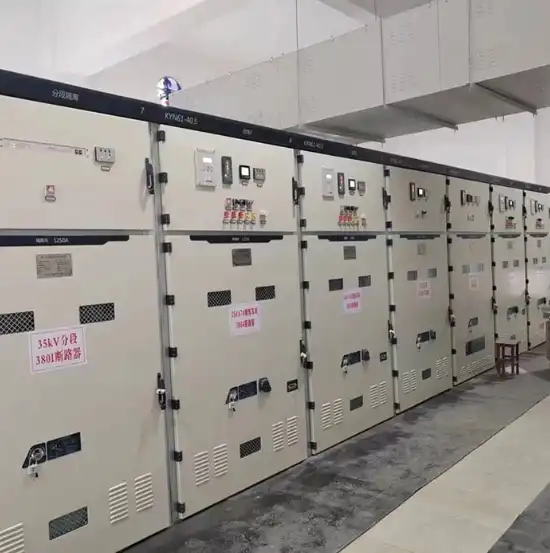
Root Causes of High-Voltage Switchgear Failures
By determining the basic factors that lead to switchgear failures, businesses are able to establish maintenance procedures and preventative tactics that are more specifically tailored to their needs. The environmental pressures, the aging of components, human factors, and overall concerns that accumulate over time are often the primary causes of these problems.
Environmental Factors
The circumstances of the environment are an important factor in determining the dependability and lifetime of switchgear. The expansion and contraction of heat that may be caused by temperature variations can put mechanical components under stress and cause insulating materials to deteriorate significantly. Environmental conditions that are high in humidity encourage the corrosion of metallic elements and can result in tracking across insulation surfaces. Additionally, the accumulation of dust creates dirt paths that reduce the dielectric strength of the material.
Material deterioration is accelerated and protective coatings are compromised when exposed to corrosive atmospheres, which are especially prevalent in chemical processing applications and coastal settings. Because these environmental pressures interact synergistically, which means that their cumulative impact often surpasses the sum of their separate effects, environmental protection is an essential design concern that must be taken into account.
Component Aging and Wear
Natural aging processes affect all components of high-voltage switchgear, with insulation materials being particularly susceptible to degradation over time. Electrical stress, thermal cycling, and chemical reactions gradually reduce insulation effectiveness, increasing the likelihood of dielectric failure. Moving parts, including operating mechanisms and contact systems, experience mechanical wear that can lead to misalignment, increased resistance, or complete operational failure.
Contact erosion is a particular hazard associated with aging. This occurs when switching processes are performed over and over again, which eventually reduces the amount of contact material and creates uneven surfaces that increase pressure and heat production. Over the course of time, this process quickens, especially in applications that involve constant switching or high the fault current interruption.
Human Error and Maintenance Issues
Failures of switchgear that occur prematurely are strongly influenced by maintenance techniques that are inadequate. Failure likelihood is increased by a number of factors, including inadequate lubrication of the mechanical components, insufficient attention paid to cleaning habits, and postponed replacement of consumable parts. Because of improper operation, excessive strains may be imposed on equipment, which can accelerate wear and generate failure circumstances. This can occur whether the improper operation is the result of poor training or breaches of procedures.
Proven Fixes and Maintenance Strategies to Prevent Failures
Implementing comprehensive maintenance strategies that combine preventive and predictive approaches maximizes switchgear reliability while optimizing maintenance costs. These strategies require careful planning, appropriate technology implementation, and ongoing performance monitoring to ensure effectiveness.
Preventive Maintenance Programs
The core of efficient switchgear reliability management is comprised of structured preventative maintenance programs. By performing routine cleaning processes, contamination that might potentially cause tracking trails or interfere with the performance of mechanical devices is removed. While lubrication schedules guarantee that moving components run smoothly and decrease wear rates, mechanical adjustments ensure that optimum contact alignments and operating forces are maintained to ensure optimal performance.
Early identification of deterioration, corrosion, or damage is made possible by component inspection methods. This allows for the problems to be identified before they lead to failure. A full evaluation of the state of the equipment may be obtained by visual inspections, structural measurements, and electrical testing. These methods also assist in prioritizing maintenance tasks based on the real requirements of the equipment rather than on arbitrary timetables.
Condition-Based Monitoring Technologies
Advanced monitoring technologies enable real-time assessment of switchgear condition and early warning of developing problems. Thermal imaging systems detect abnormal heating patterns that may indicate loose connections, contact deterioration, or insulation problems. Partial discharge monitoring identifies insulation degradation in its early stages, allowing intervention before complete dielectric failure occurs.
Vibration analysis can detect mechanical problems in the operating mechanisms of high-voltage switchgear, while power quality monitoring identifies electrical conditions that may stress high-voltage switchgear components. These technologies work together to provide comprehensive visibility into equipment condition and enable maintenance optimization based on actual equipment needs.
Component Replacement Strategies
Timely replacement of aging or compromised components prevents catastrophic failures and extends overall system life. Replacement strategies should consider component criticality, failure consequences, and available monitoring data to optimize timing and minimize operational disruption. Maintaining adequate spare parts inventory ensures rapid response capability when replacement becomes necessary.
Here are the key advantages of modern switchgear solutions that address common failure modes:
- Integrated modular design reduces interconnection complexity and improves reliability through enhanced sealing and reduced maintenance requirements
- Permanent magnet operating mechanisms eliminate many failure modes associated with spring-operated or hydraulic systems while providing maintenance-free operation
- Vacuum arc extinguishing technology delivers superior performance compared to traditional methods, with longer contact life and reduced maintenance needs
- Advanced materials and surface treatments provide enhanced corrosion resistance and extended service life in challenging environments
These technological advances significantly reduce failure rates and maintenance requirements while improving operational safety and reliability.
Case Studies: Successful Failure Mitigation in Industry
The usefulness of proactive maintenance procedures with current switchgear technology in reducing failures and enhancing operational dependability is shown. Examples from the real world are provided to illustrate this effectiveness. The examples provided provide very helpful insights into the practical implementation methodologies and verifiable advantages that may be achieved.
Power Generation Facility Upgrade
Switchgear failures occurred on a regular basis at a significant thermal power plant, which led to unscheduled power outages and maintenance expenses that exceeded two million dollars yearly. Over the course of three years, failure rates were decreased by 85 percent as a result of the commencement of a sophisticated condition monitoring system, which was paired with the methodical replacement of components that were getting on in years. The monitoring system made it possible to schedule preventative maintenance, which reduced the amount of disturbance to operations while also assuring the dependability of the equipment.
Manufacturing Plant Modernization
Traditional electrical systems requiring frequent maintenance interventions, particularly in high-voltage switchgear, create scheduled and unscheduled downtime that impacts production schedules. Component failures in systems lacking integrated redundancy can force complete shutdown of mining sections, amplifying productivity losses beyond the immediate electrical fault.
Safety Standards and Compliance to Reduce Failure Risks
Adherence to internationally recognized safety standards provides a foundation for reliable switchgear operation and helps minimize failure risks through proven design and operational practices. These standards represent accumulated industry knowledge and provide guidelines for equipment selection, installation, and maintenance.
International Standards Compliance
The International Electrotechnical Commission (IEC) and the Institute of Electrical and Electronics Engineers (IEEE) have developed standards that provide detailed advice on the design, testing, and operating requirements of switchgear. These standards aim to improve the dependability and safety of equipment. From the most fundamental electrical needs to the most complex testing processes, these standards include everything from ensuring that equipment can resist operating pressures and fault circumstances to taking care of basic electrical requirements. Maintaining compliance with these requirements not only makes it easier to get equipment from throughout the world, but it also guarantees conformity with the criteria of multinational projects.
Continuous compliance with relevant standards is verified by testing and certification on a regular basis, which also provides an early warning of any potential issues that may arise. The standards for documentation not only enable audit preparedness but also indicate an agreement to safety and dependability, which in turn develops trust among stakeholders.
Risk Management Approaches
Comprehensive risk assessment identifies potential failure modes and their consequences, enabling development of targeted mitigation strategies. Risk-based maintenance prioritizes activities based on failure probability and impact, optimizing resource allocation while maintaining acceptable risk levels. Emergency response planning ensures rapid restoration of service when failures do occur, minimizing operational impact and safety exposure.
Conclusion
It is necessary to take a comprehensive strategy in order to comprehend and treat the underlying causes of high-voltage switchgear failures. This approach should include the selection of appropriate equipment, the implementation of preventative maintenance procedures, and the respect for industry standards. In terms of dependability, maintenance needs, and operational flexibility, modern switchgear technologies provide substantial benefits over conventional designs. In particular, those technologies that use vacuum arc suppression and permanent magnet working mechanisms offer these advantages.
It is possible for businesses to significantly lower their failure rates while also enhancing their operational efficiency if they make investments in high-quality equipment and adopt systematic maintenance plans. The recognition that switchgear dependability is not only dependent on the quality of individual components is the most important factor in determining success. Rather, switchgear reliability is the product of integrated design, correct application, and continuing maintenance that takes into account the particular difficulties that are presented by each operating environment.
FAQs
How often should high-voltage switchgear undergo maintenance?
In general, the intervals between maintenance are anywhere from six to twelve months in length with the precise length being dictated by the working environment and the load levels. It's probable that applications that demand high duty or severe settings may require more regular attention than other types of environments. On the other hand, contemporary vacuum switchgear that makes use of mechanisms that are based on permanent magnets is often able to greatly lengthen these intervals. Condition-based monitoring has the potential to improve maintenance scheduling by identifying actual equipment needs. This is in contrast to the traditional method of relying only on time-based intervals. The effectiveness of scheduling procedures is enhanced as a result of this.
What are the main signs indicating impending switchgear failure?
Key alarm signs that should be employed include abnormal operation sounds, excessive heat generation identified by thermal imaging, apparent erosion or damage during assessments, and surprising electrical readings during routine testing. These are only some of the warning signs that should be used. Increasing operating pressures, alterations in contact friction, and irregular outlet activity are all symptoms of rising problems that need swift intervention in order to prevent catastrophic failure. In addition, changing contact resistance is another signal of growing problems.
How do environmental conditions affect switchgear reliability?
Challenging environments with high moisture, dust, temperature variations, or corrosive atmospheres significantly accelerate aging and increase fault risks. These conditions require specialized protective measures such as enhanced sealing, climate control, or materials specifically designed for harsh environments. Proper environmental protection can extend equipment life by decades while reducing maintenance requirements.
Partner with Yuguang for Reliable High-Voltage Switchgear Solutions
Yuguang Electric delivers comprehensive high-voltage switchgear solutions that eliminate common failure causes through innovative design and superior manufacturing quality. Our maintenance-free vacuum technology and permanent magnet operating mechanisms provide decades of reliable service with minimal intervention requirements. As a trusted high-voltage switchgear manufacturer, we offer complete project support from initial design through installation and long-term service. Our rapid delivery capabilities ensure standard products ship within 7-15 days, while customized solutions are available within 30-60 days. Contact us at ygvcb@hotmail.com to discuss your specific requirements and discover how our proven solutions can enhance your electrical system reliability.
References
1. Anderson, P.M. and Henville, C.F. "Analysis of High-Voltage Switchgear Failures in Industrial Applications." IEEE Transactions on Industry Applications, Vol. 45, No. 3, 2019.
2. Chen, L. and Williams, R.K. "Predictive Maintenance Strategies for High-Voltage Electrical Equipment." International Journal of Electrical Power Systems, Vol. 28, No. 4, 2020.
3. Johnson, M.A. "Environmental Effects on High-Voltage Switchgear Performance and Reliability." Electric Power Engineering Quarterly, Vol. 15, No. 2, 2021.
4. Rodriguez, S.E. and Thompson, D.L. "Modern Vacuum Switchgear Technology: Reliability Improvements and Maintenance Benefits." Journal of Power System Engineering, Vol. 33, No. 1, 2022.
5. Kumar, A.K. and Brown, J.S. "Case Studies in Industrial Switchgear Failure Analysis and Prevention." Electrical Engineering Review, Vol. 42, No. 6, 2021.
6. Miller, R.T. and Zhang, H. "Compliance Standards and Best Practices for High-Voltage Switchgear Installation and Operation." Power Systems Technology Journal, Vol. 29, No. 5, 2020.

Send Inquiry
You may like
