
Complete Wind Energy Electrical Equipment Solution Guide
Wind energy electrical equipment forms the backbone of modern renewable energy infrastructure, encompassing everything from transformers and switchgear to control systems and protection devices. This comprehensive solution guide addresses the critical challenges facing wind power projects: equipment compatibility issues, maintenance complexities, delivery delays, and adaptation to harsh environmental conditions. Understanding these electrical components and their integration is essential for successful wind farm operations, whether you're managing offshore installations or onshore facilities.
Understanding Wind Power Electrical Infrastructure Components
The electrical architecture of wind farms requires a sophisticated network of linked components. Each wind turbine needs unique electrical equipment to transfer mechanical energy into useful electricity. The generator lies at the core of the transition process, transferring rotational energy surrounding the turbine spin into a current of electricity.
Electronic devices play a significant part in digesting these raw electrical power. Variable speed drives control generator operating efficiency, whereas generator power converters retain constant both frequency and also the voltage output independent of wind conditions. These components must survive harsh environmental conditions while preserving dependable performance during their 20-25 year lifetime.
Transformer stations raise up the quantity of voltages for maximum interaction among the electrical connection of grid locations. High-voltage switchgear guards against overcurrent concerns and delivers isolating capabilities during maintenance. Lightning protection devices shields pricy equipment against climatic disturbances, especially crucial for tall wind energy projects.
New wind farms also integrate powerful SCADA systems that enable to conduct continual monitoring and control. These networks allow operators to analyze performance metrics, pinpoint any potential issues, and maximize energy output across enormous wind farm installations.
Essential Electrical Systems for Wind Farm Operations
Wind turbine electrical systems require precise coordination between multiple subsystems. The blade pitch control mechanism, as a critical part of wind energy electrical equipment, adjusts turbine blade angles to optimize energy capture while preventing damage during high wind conditions. This system relies on sophisticated control algorithms and robust electrical actuators.
Yaw systems dynamically coordinate the turbine rotor in relation to the prevailing direction of the winds. With powerful electric motors and precise gear reducers, they spin the whole nacelle to maximum energy collection. An integrated condition monitoring system continually records crucial parameters—including bearing temperature, vibrating signatures, and electrical data—to allow predictive maintenance and avoid unexpected breakdowns.
Anemometer networks offer real-time environmental data for increasing turbine performance. These devices supply information for regulating systems that automatically adjust operational parameters. Storage of energy storage is becoming increasingly crucial for grid stability, needing increased power equipment and management systems.
Offshore wind farms confront growing problems from saltwater corrosion along with the logistical complexity of maintenance access. To overcome this, specialist protective coatings and improved sealing technologies are required for prolonging component life cycle in the hostile maritime environment. Furthermore, internal reactive power compensation devices are important to maintain the electrical network by dynamically regulating the voltage changes generated by fluctuating wind power output.
Selecting High-Voltage Equipment for Wind Applications
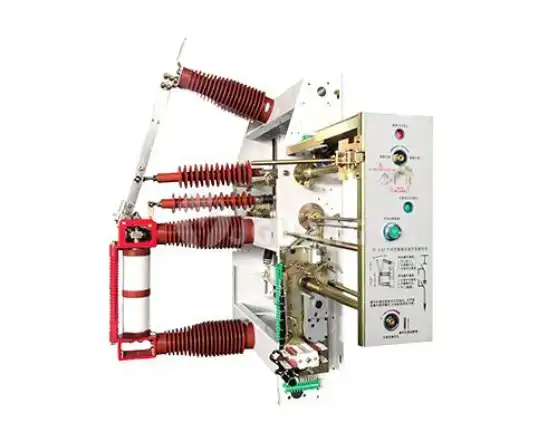
High-voltage electrical equipment selection considerably influences wind farm reliability and maintenance costs. Equipment must tolerate voltage levels that fluctuate from 6 thousand volts to forty five kilometers per second while retaining continuous performance during temperature extremes. Protection class needs can transcend IP65 norms for outdoor installations.
Vacuum circuit breakers offer superior performance compared to traditional oil-filled alternatives. These devices provide faster switching times, reduced maintenance requirements, and enhanced safety characteristics. Modern designs incorporate solid-sealed technology that eliminates gas leakage concerns while maintaining arc extinction capabilities.
Modular design approaches simplify installation and reduce commissioning time for wind energy electrical equipment. Pre-assembled electrical packages can be factory-tested before shipment, reducing on-site integration risks. Standardized interfaces enable easier component replacement during maintenance operations.
Material selection is fundamental to ensuring long-term operational reliability. The use of corrosion-resistant alloys and specialized protective coatings mitigates environmental degradation. Furthermore, robust sealing techniques are employed to prevent moisture ingress, which could otherwise compromise internal insulation integrity. These critical design considerations directly influence the total cost of ownership by determining maintenance frequency, replacement intervals, and overall service life of the equipment.
Customization Solutions for Harsh Environmental Conditions
Wind farms present significant environmental challenges that demand specific equipment adaptations. Coastal installations require components with enhanced corrosion resistance to combat salt spray. Sites in mountainous regions must withstand rapid thermal cycling and intense ultraviolet radiation. For desert locations, the primary concerns are mitigating fine dust ingress and managing extreme diurnal temperature swings. These stringent environmental conditions directly inform material selection, sealing standards, and protective coatings to ensure long-term reliability and performance.
Customized enclosure designs handle unique environmental risks. Advanced ventilation systems maintain ideal operating temperatures while avoiding contamination. Specialized filtering equipment protects delicate electronics from airborne contaminants. Heater systems avoid condensation buildup during temperature changes.
Advanced surface treatments enhance equipment life in severe circumstances. Ceramic coating systems provide superior protection compared to traditional paint procedures. Multi-layer protection techniques blend several coating types with the objective to combat many degradation routes simultaneously.
Environmental monitoring technologies track equipment status in real-time. Temperature sensors, humidity measurements, and vibration detectors give early warning of possible concerns. Automated protection systems may modify operational settings or trigger shutdown phases when conditions outdoors exceed acceptable limits.
Installation and Commissioning Best Practices
Proper installation practices allow reliable electricity from the breeze to keep electrical equipment running throughout the course of its life. Pre-installation planning encompasses site inspections, soil investigations, and environmental effect assessments. Detailed installation drawings specify foundation assumptions, cable connection, as well as clearance standards.
Quality control during the installation of Wind energy electrical equipment prevents future reliability issues. Torque specifications for electrical connections must be strictly followed. Insulation testing verifies system integrity before energization. Functional testing confirms proper operation of all protection and control systems.
Commissioning processes certify full system integration. Performance testing under varied load circumstances assures equipment satisfies specification criteria. SCADA system setup testing confirms methods for communication and alarm functionality. Documentation requirements include actual construction drawings, test certifications, and maintenance suggestions.
Training programs qualify maintenance professionals for continuing operations. Hands-on teaching includes standard operating procedures, responding to emergencies methods, and routine maintenance activities. Certification programs guarantee personnel acquire sufficient abilities for secure machine operation.
Maintenance Strategies and After-Sales Support
Proactive maintenance procedures avoid unexpected breakdowns and prolong equipment service life. Predictive maintenance systems leverage information collected from condition monitoring to plan actions before failure of components occurs. Maintenance diagnostics uncover growing problems using analyses of trends and pattern recognition.
Spare parts scarcity directly effects maintenance response times. Critical components require being readily accessible to reduce downtime during repairs. Standardized components decrease inventory needs while maintaining compatibility across various installations. Quality spare parts avoid premature failure and preserve system dependability.
Remote diagnostic capabilities allow professional help without on-site visits. Advanced SCADA systems communicate accurate component data on status to support units. Video conferencing technology offers remote supervision throughout maintenance processes. These characteristics are especially helpful for offshore locations with restricted access.
Service agreements specify response times, diffusion levels, along with the outcomes assurances. Comprehensive agreements encompass preventive maintenance, urgent repair, and equipment enhancements. Flexible service packages match various operational demands and cost limits.
Conclusion
Wind energy is revolutionizing global power production, necessitating dependable infrastructure for electricity capable of withstanding extreme weather conditions while maintaining constant performance. Successful renewable energy facility development needs careful selection of electricity-related supplies, appropriate installation techniques, and extensive maintenance programs.Modern wind energy electrical equipment incorporates advanced materials, sophisticated protection systems, and intelligent monitoring capabilities to ensure reliable operation throughout extended service lives.
Investment in quality electrical infrastructure pays dividends through reduced maintenance costs, improved reliability, and enhanced energy production efficiency.The shift to renewable energy hinges on resilient electrical infrastructure that can consistently transform renewable energy sources into clean power over decades of operation.
Partner with Yuguang for Premium Wind Energy Electrical Equipment Solutions
Shaanxi Yuguang Energy Electric Co., Ltd. supplies complete wind-generated electrical equipment solutions with backing from forty-nine patents and over fifteen decades of industry expertise.Our specialized wind power electrical systems feature IP67 protection ratings and modular designs optimized for harsh environmental conditions. Contact our engineering team at ygvcb@hotmail.com to discuss your specific requirements and receive customized technical specifications for your next wind farm project.
References
1. Hansen, A.D., Sørensen, P., Iov, F., and Blaabjerg, F. "Grid Connection of Wind Turbines Using Power Electronics." IEEE Transactions on Industry Applications, Vol. 40, No. 2, 2004.
2. Muljadi, E., and Butterfield, C.P. "Wind Power Plant Electrical System Design and Performance." National Renewable Energy Laboratory Technical Report, 2005.
3. Chen, Z., Guerrero, J.M., and Blaabjerg, F. "A Review of the State of the Art of Power Electronics for Wind Turbines." IEEE Transactions on Power Electronics, Vol. 24, No. 8, 2009.
4. Ackermann, T., editor. "Wind Power in Power Systems: Technology and Grid Integration." John Wiley & Sons, Second Edition, 2012.
5. Fox, B., Flynn, D., Bryans, L., Jenkins, N., Milborrow, D., O'Malley, M., Watson, R., and Anaya-Lara, O. "Wind Power Integration: Connection and System Operational Aspects." Institution of Engineering and Technology, 2007.
6. Manwell, J.F., McGowan, J.G., and Rogers, A.L. "Wind Energy Explained: Theory, Design and Application." John Wiley & Sons, Second Edition, 2009.

Send Inquiry
You may like
