
Differences Between Indoor and Outdoor Breakers
The main difference between indoor and outdoor breakers is how they are designed to work in different environments and how they must be protected. It is possible for indoor breakers, especially indoor vacuum circuit breakers, to work in controlled settings with steady temperature and humidity. This makes it possible for smaller designs and easier insulation systems. Outdoor breakers have to be able to handle bad weather, temperature changes, UV rays, and being wet. This means they need strong waterproof housings and better insulation materials. This basic difference affects how hard it is to install, how much upkeep is needed, and how much it costs to run an industrial facility generally.
Understanding Indoor and Outdoor Circuit Breakers
Circuit breakers are very important safety devices in electrical power systems. When they sense problems or overloads, they quickly stop the flow of current. These important parts keep machinery safe and stop electrical accidents in a wide range of industry settings, from power plants to factories.
Types of Circuit Breaker Technologies
Different types of circuit breakers are used in modern electrical systems, and each one is made for a different set of uses and power levels. Because they are so good at putting out arcs and don't need much upkeep, vacuum circuit breakers work great in medium voltage situations. SF6 breakers work very well for high-voltage outdoor uses, but they release carbon gases that are bad for the environment. For lower voltage ranges, air-insulated breakers are a cost-effective option. Oil circuit breakers, on the other hand, are mostly no longer used but are still used in some older systems.
Which of these technologies to use depends on the voltage needs, the surroundings, and the needs of the process. In recent years, vacuum technology has become very common because it is good for the environment and works well.
Indoor Vacuum Circuit Breaker Specifications
Indoor vacuum circuit breakers work with a covered vacuum interrupter box that separates electrical contacts in a vacuum. This design gets rid of the need for additional arc-extinguishing media, which makes fault interruption clean and effective. The vacuum climate keeps contact areas from rusting and makes sure that the equipment works the same way for as long as it's used.
These parts can usually handle voltages between 6KV and 40.5KV, which means they can be used in middle voltage distribution systems. The permanent magnet working system responds quickly and can handle a lot of switching operations without breaking down. Integrated modular building is used in more advanced designs to reduce the overall size while still meeting high performance standards.
Outdoor Breaker Environmental Adaptations
Outdoor circuit breakers need to be fully weatherproofed so that they can keep working reliably in a variety of weather situations. These units are made with UV-resistant materials, coats that don't rust, and better closing systems to keep water out. Temperature adjustment systems make sure that the device works the same way in a wide range of temperatures, and special bushings and insulators keep the electrical integrity in dirty settings.
The design theory for outdoor gear focuses on making things that will last a long time. This means that the items are often bigger to fit extra safety features. Advanced surface processes and careful choice of materials help to increase service life, even when exposed to harsh weather circumstances.
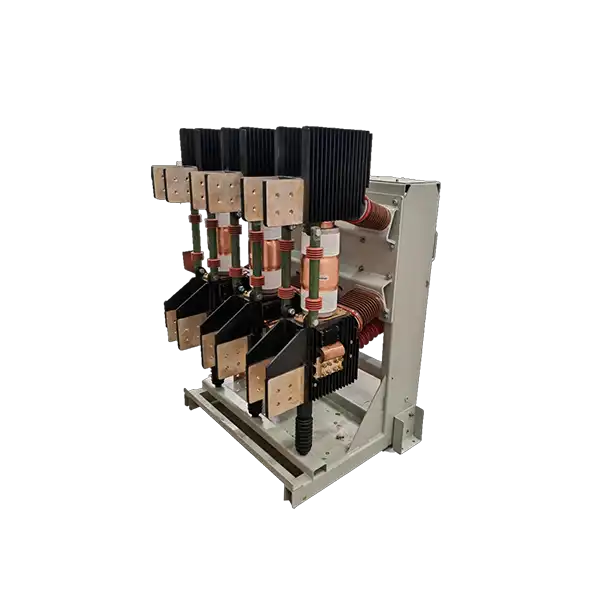
Core Differences Between Indoor and Outdoor Circuit Breakers
The biggest difference between indoor and outdoor circuit breaker uses is how they are exposed to the environment. Many design decisions are based on this basic difference, which affects performance, upkeep, and operational costs over the lifetime of the equipment.
Environmental Impact on Performance
Changes in temperature have a big effect on how circuit breakers work. Outdoor units are more likely to be affected by temperature changes than indoor units. Extreme cold can change the way grease works and how machines work, and too much heat can speed up the breakdown of insulation. Conditions inside are usually stable, which lets designers make the best designs possible that put space-saving and efficiency ahead of environmental resistance.
Moisture exposure adds to the problems that come with outdoor setups, which need better drainage and closing systems. Changes in humidity can make insulation less effective and metal parts corrode faster. When installed indoors, these problems don't happen, so standard materials and simpler designs can be used, which lowers the cost and difficulty of production.
Installation and Maintenance Considerations
Controlled entry and safety from weather-related delays are two benefits of installing circuit breakers indoors. Technicians can do repair work all year without being limited by the weather, which cuts down on operating interruptions and maintenance costs. The safe atmosphere also makes it possible for more accurate diagnosis and adjustment tasks.
For outdoor projects, special steps need to be taken to account for things like weather and entry issues. Bad weather could make it harder to do maintenance work, which could make outages last longer. On the other hand, outdoor designs tend to use stronger materials that don't need to be fixed as often, which partly makes up for the problems with mobility.
Reliability and Lifespan Comparisons
Because they are protected from external pressures, indoor vacuum circuit breakers usually last longer. The lack of UV rays, changing moisture levels, and high temperatures protects the qualities of materials and makes parts last longer. There are stable settings that are especially good for vacuum interrupter technology because it keeps working the same way for long amounts of time.
Outdoor breakers protect against the weather by using better materials and more advanced safety systems. Even though they may cost more at first, outdoor units that are properly built and put through the right maintenance plans can be just as reliable as indoor units. The main difference is the amount of maintenance needed to keep efficiency at its best.
Comparison of Indoor Vacuum Circuit Breakers with Other Breaker Types
When used in a controlled setting, indoor vacuum circuit breakers are clearly better than other technologies. Professionals in buying can make smart choices based on practical needs and budget limits when they understand these differences.
Performance Characteristics Analysis
When it comes to stopping arcs, vacuum technology is better than air or oil options. The vacuum setting makes sure that the arc goes out completely without making any toxic leftovers or needing any other quenching media. This speeds up the time it takes to fix problems and makes linked technology less stressed when there are problems.
When compared to SF6 technology, vacuum breaks don't release greenhouse gases, which are bad for the earth. SF6 breakers work very well, but they are getting more and more attention from regulators and may be limited in the future. Similar efficiency can be achieved with vacuum technology, which also meets environmental compliance standards.
Environmental and Safety Considerations
Indoor vacuum circuit breakers work without using insulation media that is harmful or burning. This makes the workplace safer and has less of an effect on the environment. Breakers that are filled with oil can catch fire, and they need to be thrown away in a certain way. Air-blast systems can make noise and need infrastructure for compressed air, which makes them harder to use.
The sealed vacuum interrupter design keeps contaminants out and gets rid of the need to change the media on a regular basis. This feature lowers the need for upkeep and the time it takes to do it, compared to technologies that need regular oil changes or gas tracking.
Cost-Effectiveness Evaluation
Initial costs for vacuum technology may be higher than basic air-insulated options, but overall costs are often lower for vacuum solutions because they need less upkeep. The equipment has lower operating costs over its lifetime because it doesn't need to be maintained as often and doesn't use replaceable insulation media.
Vacuum technology is also better for saving energy because it has lower running costs and needs less extra power. When there are a lot of switching activities or ongoing job cycles, these factors become even more important.
Procurement Essentials for Indoor Vacuum Circuit Breakers
To buy indoor vacuum circuit breakers successfully, you need to carefully consider the technical specs, the supplier's skills, and the need for long-term support. Because current electricity systems are so complicated, compatibility and integration issues need to be carefully thought through.
Supplier Evaluation and Selection Criteria
To find suitable suppliers, you have to look at their technical knowledge, ability to make things, and quality control systems. Well-known brands like Siemens, ABB, and Schneider Electric have strong track records and large support networks. Specialist makers, on the other hand, like Yuguang Electric, have a lot of experience with vacuum circuit breaker technology and can offer better tailoring and service options than other companies.
ISO 9001 certification, related product certifications, and proven knowledge in similar applications should be used as important evaluation factors. Patent portfolios and the ability to do study show that technology and creativity are always growing. The fact that Yuguang Electric has 39 patents and is a national high-tech company shows that it is dedicated to developing technology and making products better.
Technical Specification Requirements
For medium voltage uses, the voltage number must match the needs of the system. Typical voltage ratings range from 6KV to 40.5KV. The current rates should be able to handle average loads while still leaving enough room for fault current interruption. Specifications for mechanical durability make sure that the switching cycle capability is good enough for the purpose.
Even for indoor uses, environmental requirements are important when you think about things like altitude, temperature range, and humidity levels. For some locations, seismic approval may be needed, and electromagnetic compatibility makes sure that the equipment works right in places with a lot of electrical noise.
Delivery and Logistics Planning
Standard vacuum circuit breakers usually take 7–15 days to arrive, while custom options can take up to 30–60 days, based on how complicated the specifications are. Planning when to buy things around when the project needs to be done keeps things on time and cuts down on storage costs. Flexible minimum order amounts, like Yuguang's ability to make a single unit, are helpful for smaller projects or pilot installs.
When sending internationally, things to think about include the right way to package, making sure all the paperwork is in order, and the possibility of customs delays. Suppliers who have done business across borders before can help keep logistics simple and make sure deliveries happen on time. Yuguang's board packaging is shock- and moisture-proof and meets international standards. It keeps equipment safe during long shipping times.
Troubleshooting and Optimizing the Use of Indoor Vacuum Circuit Breakers
Troubleshooting and improvement techniques that work well make equipment more reliable and extend its useful life. Unplanned downtime and upkeep costs can be cut by learning about common failure modes and putting preventative measures in place.
Common Fault Diagnosis Techniques
Vacuum circuit breaker tests look at how the machine works mechanically, how well it works electrically, and how well it checks the vacuum stability. Monitoring contact wear through trip measurement and time analysis finds problems before they happen. Insulation resistance, contact resistance, and high-voltage testing are all types of electrical testing that are used to check performance factors.
Vacuum integrity testing makes sure that the arc stoppage capability is correct. Measurements of partial discharge can find problems with vacuum decay or contamination. The mechanical operation analysis checks the working time, measures the spring force, and makes sure the extra contacts work.
Preventive Maintenance Best Practices
Regular repair plans should include lubricating moving parts, checking electrical connections, and making sure performance parameters are correct. Vacuum interrupters are less demanding than other technologies because they don't need to be maintained. However, supporting systems still need regular care.
Maintenance on the operating mechanism includes servicing the greasing points, checking the spring adjustments, and trying the control circuit. Monitoring the environment inside of sites helps find problems like high humidity or changes in temperature that might affect how well the equipment works.
Performance Optimization Strategies
Getting the most out of a vacuum circuit breaker requires matching it to the right job, keeping the surroundings under control, and following strict procedures. Avoiding activities that go beyond the rated limits keeps equipment reliable and extends its life. Coordinating the security settings with devices upstream and downstream makes sure that the system works correctly when there is a fault.
By tracking success over time, you can spot slow losses before they become too big to handle. Modern monitoring systems can keep an eye on important factors all the time. This lets condition-based repair plans make the best use of resources while still meeting reliability standards.
Conclusion
Whether to use indoor or outdoor circuit breakers depends on where they will be installed and how they will be used. Indoor vacuum circuit breakers work great in controlled settings because they are small, easy to maintain, and last a long time. They protect against high temperatures, moisture, and UV rays in the environment, which improves their performance and lowers their living costs. For outdoor uses to stay reliable in bad weather, they need better weatherproofing and stronger building.
Decisions about what to buy should weigh the original costs against the long-term practical needs, taking into account things like how easy it is to maintain, how it will affect the environment, and how well it needs to work with other systems. For indoor uses, vacuum technology is very appealing because it is better at performing than other technologies, doesn't harm the environment, and doesn't need much upkeep.
FAQ
What are the main advantages of indoor vacuum circuit breakers over outdoor types?
Indoor vacuum circuit breakers are protected against external stresses, which lets them be smaller and last longer. Because the climate is controlled, there are no worries about UV damage, water getting in, or weather changes that can damage outdoor equipment. This means less upkeep needs to be done, lower running costs, and more predictable performance over the service life of the equipment.
How do I choose the right circuit breaker for my specific industrial application?
When choosing a circuit breaker, you need to carefully look at the power needs, the current rates, the fault current levels, and the surroundings. Think about things like how often the switches need to be changed, how much room you have, how easy it is to do upkeep, and any legal requirements. Most medium voltage indoor uses work well with vacuum technology because it is reliable, good for the environment, and doesn't need much upkeep.
What maintenance schedule is recommended for indoor vacuum circuit breakers?
Compared to other technologies, indoor vacuum circuit breakers don't need as much upkeep. Mechanical operation, electrical links, and control circuit functions should be checked once a year. Every three to five years, there should be thorough testing that checks the vacuum stability, the contact state, and the performance parameters. During its useful life, the vacuum interrupter usually doesn't need any upkeep.
Can indoor vacuum circuit breakers handle frequent switching operations?
Modern indoor vacuum circuit breakers that work with solid magnets are great for situations where you need to switch things on and off a lot. The vacuum arc interruption method reduces contact wear to a minimum, so it can be used for thousands of tasks without breaking down. For best performance in high-frequency switching situations, make sure the application is the right size and don't go beyond the recommended limits.
What certifications should I look for when procuring vacuum circuit breakers?
Some important certificates are IEC 62271 compliance for high-voltage switchgear, ISO 9001 quality management certification, and compliance with state standards. Look for providers that can do a lot of tests and give you reliable qualification records. Companies that have been around for a while usually offer extra certifications for certain uses or area standards.
Partner with Yuguang Electric for Superior Indoor Vacuum Circuit Breaker Solutions
Yuguang Electric offers state-of-the-art indoor vacuum circuit breaker technology that is backed by 39 patents and covers all voltages from 6KV to 40.5KV. Our combined modular design makes sure that our products seal better, last longer, and work without any upkeep for tough industrial uses. As an ISO-certified high-tech company, we offer a full range of services, from research and development to installation and help after the sale. Our capability to customize based on scenarios meets specific business needs while keeping delivery times cheap.
Our experienced team can help you with professional technical support and reliable indoor vacuum circuit breaker solutions, whether you need a single unit or a lot of them customized. You can talk about your needs with us at ygvcb@hotmail.com to learn how our advanced vacuum circuit breaker technology can make your electrical system more reliable and efficient.
References
1. IEEE Standard C37.06-2009, "AC High-Voltage Circuit Breakers Rated on a Symmetrical Current Basis—Preferred Ratings and Capabilities for Voltages Above 1000 V," Institute of Electrical and Electronics Engineers, 2009.
2. IEC 62271-100:2021, "High-voltage switchgear and controlgear - Part 100: Alternating current circuit-breakers," International Electrotechnical Commission, 2021.
3. Garzon, R.D., "High Voltage Circuit Breakers: Design and Applications," Second Edition, Marcel Dekker Inc., New York, 2002.
4. Nakanishi, K., "Switching Phenomena in High-Voltage Circuit Breakers," Marcel Dekker Inc., New York, 1991.
5. Ryan, H.M., "High Voltage Engineering and Testing," Third Edition, Institution of Engineering and Technology, London, 2013.
6. Flurscheim, C.H., "Power Circuit Breaker Theory and Design," Institution of Electrical Engineers, London, 1982.

Send Inquiry
You may like
