
Green Technology in Wind Energy Electrical Equipment
Green technology in wind energy electrical equipment is the most important part of today's green energy infrastructure. It has changed how we use wind power to make electricity in a way that is sustainable. Wind energy electrical equipment includes complex parts like generators, power converters, transformers, switches, and control systems that work together to turn kinetic wind energy into stable electricity. Cutting-edge technologies like variable frequency drives, smart grid connections, and predictive maintenance are built into these high-tech systems to make them as efficient as possible while also having the least possible effect on the environment. The development of wind energy electrical equipment has changed the green energy industry by allowing higher capacity factors, better grid stability, and lower running costs in a wide range of settings, from offshore wind farms to distributed onshore installations.
Understanding Wind Energy Electrical Equipment: Components and Functionality
Electrical systems in wind turbines are what turn the mechanical spinning into electricity that can be used. The main parts are linked in a complex chain. The wind turbine generator, which can be either a permanent magnet synchronous generator or a doubly-fed induction generator and makes changeable AC power based on wind conditions, is the first link in the chain.
Core Electrical Components and Their Roles
Power converters are an important part of controlling the changing output of wind machines. These high-tech gadgets have AC-DC rectifiers and DC-AC transformers that change the raw electricity output into power that can be used on the grid. Modern wind energy systems use modern power electronics that can track the highest power point. This makes sure that the most energy is extracted, even when the wind speed changes.
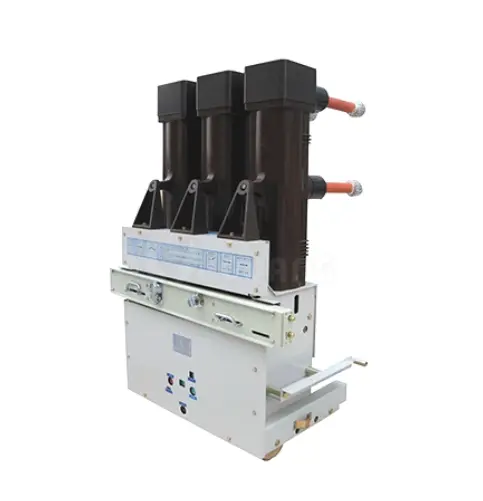
Transformers are very important parts of wind energy systems because they raise the voltage from the generator to the transmission voltage, which is usually between 6KV and 40.5KV for large-scale uses. Heavy-duty electrical equipment like high-voltage switches and vacuum circuit breakers are needed to protect and isolate expensive equipment from electrical problems and make repair work safe.
Integrated Control Systems and Smart Technology
Modern electricity tools for wind energy uses smart control systems that keep an eye on how the turbines are working in real time. These systems take care of pitch control, yaw alignment, and optimizing power output. They also collect a lot of data that can be used to plan ahead for repair. When IoT devices and cloud-based tracking tools work together, they make it possible to do remote diagnostics and performance optimization. This lowers running costs and makes things more reliable.
Advanced safety systems in wind energy electrical equipment include lightning protection grids, surge suppressors, and fault detection systems that keep the equipment running even when the weather is bad. These safety steps are especially important for installations that are located offshore, where repair workers can't easily get to them and the environment is very harsh.
Evaluating Efficiency and Performance Optimization in Wind Energy Electrical Equipment
To get the most out of wind turbine electricity systems, you need to look at a lot of different factors that all affect how much energy they produce and how reliable they are. Environmental factors have a big effect on how well equipment works. For example, changes in temperature, humidity, and salt exposure can shorten the life of parts and make operations less efficient.
Environmental Impact Factors and Mitigation Strategies
Climate is one of the most important factors that go into choosing and setting up tools. Salt corrosion is a unique problem for coastal sites that needs special protection coats and better sealing technologies. Extreme temperatures mean that component grades and cooling systems need to be carefully thought out in order to keep working at their best throughout the year.
Modern wind energy power equipment is made with high-tech materials and design features that are made to work in tough environments. Enclosures with an IP67 rating, corrosion-resistant metals, and special surface processes all help equipment last longer while keeping its peak performance. These improvements are especially useful in offshore settings, where the cost of replacing equipment is much higher than mainland settings.
Smart Monitoring and Predictive Analytics
IoT-enabled tracking systems change the way wind energy performance optimization is done by sending constant data streams from important parts. These systems keep track of electricity factors, vibration patterns, temperature profiles, and operating hours to find problems before they cause equipment to break down. Machine learning systems look at past performance data to figure out the best times for servicing and replacing parts.
Real-life case studies from large wind farms show that focused changes to the electrical system can increase efficiency by 15 to 25 percent. By using more modern power electronics and better transformers, offshore wind farms in the North Sea have improved their performance by a large amount. This has led to higher capacity factors and lower upkeep needs.
Comparing Wind Energy Electrical Equipment Solutions for Informed Procurement
When buying wind energy electricity systems, you need to carefully consider a lot of technical and business factors that have an immediate effect on the project's success and its long-term performance. To find the total cost of ownership, you have to look at the initial investment in tools, the costs of installation, the costs of ongoing upkeep, and the expected service life.
Technical Performance Comparisons
Metrics for reliability are important for judging wind energy electricity equipment. Key success measures include mean time between failures (MTBF) and availability percentages. High-quality electrical parts usually have supply rates of more than 97%, which directly leads to more money being made over the lifetime of the project.
Ratings of how efficient something is change a lot between equipment makers and technology approaches. The conversion efficiency of high-end electrical systems is 95–98% from generator power to grid link, while lower-end options may lose 5–8% of their efficiency. Over time, these differences in performance add up to big changes in how profitable a project is.
Leading Industry Solutions and Market Analysis
Major equipment makers like Siemens, GE, and Vestas all offer complete electricity kits with different technical details and business terms. Siemens' wind energy solutions focus on modular design methods that make installation and upkeep easier. GE, on the other hand, focuses on digital platforms that are fully integrated and use advanced analytics to improve turbine performance.
Different providers offer very different warranty terms and levels of after-sales support. Some offer full coverage warranties that cover parts, labor, and performance, while others only cover certain components. These differences in service have a big effect on the overall danger of the project and the long-term costs of running it.
Procurement Guide: Sourcing and Purchasing Wind Energy Electrical Equipment
To strategically buy wind energy electrical systems, you need to carefully evaluate each seller and have a good grasp of how the market works and how that affects the supply and cost of equipment. When choosing a supplier, you should look at their professional skills, the quality of their work, how reliable their deliveries are, and how long they can provide help.
Supplier Evaluation and Selection Criteria
Suppliers you can trust have a history of on-time deliveries, quality certifications like ISO 9001 and IEC compliance, and experience working with wind energy. In-house testing facilities, quality control methods, and the ability to make changes to meet the needs of each project should all be part of a manufacturer's manufacturing skills.
Here are the most important things to look for in a seller of electrical tools for wind energy:
- Technical knowledge and research and development (R&D) skills: Suppliers with dedicated wind energy engineering teams and ongoing development programs offer better long-term help and chances to move technology forward.
- Quality of manufacturing and certifications: ISO-certified facilities with a wide range of testing tools make sure that product quality is uniform and that regulations are followed in all foreign markets.
- Reliability in delivery and project support: a history of on-time delivery and expert help during installation and commissioning cuts down on project risk and scheduling delays.
- After-sales service and spare parts availability: Full service networks with local help and promised spare parts availability keep equipment running smoothly for as long as it lasts.
These supplier skills directly address common procurement problems like equipment not working with other equipment, problems with maintenance, shipping delays, and not enough expert help for specific uses.
Pricing Dynamics and Cost Optimization Strategies
The price of wind energy electrical equipment is affected by a variety of market factors, such as the cost of raw materials, the factory's ability to produce the equipment, and how the competition is acting. For big jobs, buying in bulk can save you 10 to 15 percent on costs, but if you need to change something about the tools, it may cost you 20 to 30 percent more than usual.
Delivery times depend a lot on how complicated the equipment is and how much the maker can handle. Delivery times for standard electrical parts are usually between 7 and 15 days, while delivery times for special systems can be between 30 and 60 days for planning, manufacturing, and testing. These wait times need to be taken into account when planning a project so that it doesn't go over schedule and cost more than planned.
Future Trends and Sustainability in Green Wind Energy Electrical Equipment
New technologies keep coming out that improve performance, lower prices, and make the wind energy field more environmentally friendly. High-temperature superconductors and nanoengineered insulation systems are two examples of new materials that could make devices much more efficient and increase the power output.
Emerging Technologies and Digital Transformation
Through predictive maintenance algorithms, ideal control strategies, and grid integration optimization, artificial intelligence changes the way wind energy electricity systems work. AI-powered systems look at huge amounts of data from many machines to find performance patterns and ways to improve things that human workers can't see.
Improvements in power electronics make it possible for more complex grid integration features, such as controlling voltage, supporting frequency, and managing unstable power. As more wind energy is used and stricter rules for grid safety are put in place, these skills become more important.
Regulatory Evolution and Environmental Mandates
More and more, environmental laws in North America and Europe focus on lifetime sustainability. This increases the need for electrical equipment that has less of an effect on the environment during production, use, and disposal at the end of its useful life. These rules affect the choice of materials, the way things are made, and how they can be recycled.
Grid integration standards are always changing to allow for higher levels of renewable energy use. This means that wind energy electrical equipment has to do tasks that were traditionally done by conventional power plants to help the grid. Because of these needs, technology is getting better in areas like integrating energy storage, stabilizing the grid, and being able to change the cadence.
Conclusion
Green technology in wind energy electricity equipment keeps getting better thanks to new engineering solutions that solve important problems in the industry while also making things last longer and work better. Compared to older generations, modern electrical systems are much more reliable and efficient, which means that wind energy can compete with other methods for making electricity. When smart tracking systems, advanced materials, and complex control methods are all used together, they can improve performance and lower operating costs over the lifecycle of an item.
To make sure a project is a success, strategic buying choices must take into account technical needs, costs, and the ability to provide long-term support. Successful wind energy projects depend on suppliers who can do a wide range of things, such as customizing products, getting quality certifications, and delivering goods on time.
FAQ
What are the essential maintenance requirements for wind energy electrical equipment?
Visual checks of electrical connections, thermal imaging of switchgear parts, tests of safety systems, and repair of worn-out parts like arc-extinguishing chambers are all part of regular maintenance. Using vibration tracking and electrical signature analysis in predictive maintenance programs can make parts last longer and cut down on unnecessary downtime.
How do wind and solar electrical systems compare in terms of technical requirements?
Wind energy electrical equipment has to deal with changing input power and harsh weather, so it needs more advanced power conditioning and safety systems than solar setups. Wind systems usually use higher volts and need stronger mechanical designs to handle shaking and being outside in bad weather.
What factors determine equipment selection for offshore versus onshore wind applications?
For sites that are out at sea, you need better corrosion protection, higher ingress protection rates, and materials that are specifically made for marine settings. Offshore, it's hard to get to equipment for repair, so it needs parts that are more reliable and full remote tracking capabilities to cut down on service needs.
Partner with Yuguang for Advanced Wind Energy Electrical Solutions
You can get cutting-edge wind energy electrical equipment maker options from Yuguang Electric that are made to work in tough industrial settings. Our wide range of products includes 6KV to 40.5KV electrical systems that are specially made for harsh outdoor conditions and have high safety rates. Our combined modular designs offer great sealing and longer service life, as proven by 39 patents and important standards like ISO 9001.
Our full service ecosystem includes research and development, production, installation, and assistance after the sale. This gets rid of problems with compatibility and delays in delivery. Our scenario-based customization tools make sure that the system fits your business needs perfectly, and our professional technical team helps with installation and offers full support contracts. Contact us at ygvcb@hotmail.com to learn more about how our electricity solutions that only use wind power can improve the performance and dependability of your project.
References
1. International Renewable Energy Agency. "Wind Energy Technology Assessment: Electrical Systems and Grid Integration Standards." IRENA Technical Report Series, 2024.
2. American Wind Energy Association. "Advanced Electrical Technologies for Wind Power Applications: Performance and Reliability Analysis." AWEA Technical Publication, 2024.
3. Institute of Electrical and Electronics Engineers. "IEEE Standards for Wind Turbine Electrical Systems: Safety and Performance Requirements." IEEE Power and Energy Society, 2023.
4. Global Wind Energy Council. "Global Wind Technology Roadmap: Electrical Infrastructure and Smart Grid Integration." GWEC Strategic Report, 2024.
5. National Renewable Energy Laboratory. "Wind Energy Electrical Equipment Reliability and Performance Optimization Strategies." NREL Technical Report Series, 2023.
6. International Electrotechnical Commission. "IEC Wind Turbine Generator Systems: Electrical Safety and Performance Standards." IEC Technical Committee 88, 2024.

Send Inquiry
You may like
