
High-Voltage Switchgear: The Backbone of Modern Power Grids
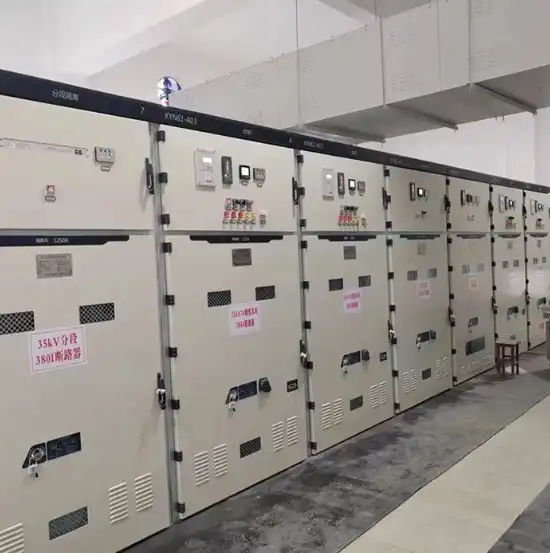
Today's power grid depends on high-tech electrical equipment to keep energy flowing smoothly, safely, and efficiently across huge networks. Working at voltages from 6kV to hundreds of kilovolts, high-voltage switchgear is the main control and safety device that handles the flow of electricity in transmission and distribution networks. These strong systems have many parts, like circuit breakers, disconnectors, and protective relays, all housed in safe enclosures. They make sure that industrial facilities, commercial buildings, and residential areas always have power, and they keep people and equipment safe from electrical faults and overloads.
Understanding High-Voltage Switchgear: Components, Types, and Working Principles
Essential Components and Their Functions
Power distribution systems depend on a number of important parts working together to keep them running smoothly. Circuit breakers are the main devices that switch and protect the electrical system. They can stop fault currents and separate parts of the network in an emergency. Disconnectors make it possible to see where the power is cut off during repair, and current transformers make it possible to measure accurately and run safety relays. Surge arresters keep electronics safe from voltage spikes that can be caused by lightning or switching operations.
Putting these parts together in metal-walled sections makes a complete system for security and control. Bus bars carry electricity to different parts of the switchgear system, and control circuits make sure that all the switching devices work together. Modern designs use better shielding materials and electrode shapes to improve the spread of the electric field and lower the risk of electrical breakdown.
Operating Principles and Voltage Classifications
High-Voltage Switchgear works by automatically protecting itself, isolating the electricity, and finding faults. When the system finds something wrong, like a short circuit or a ground fault, safety switches tell the circuit breakers to open. This separates the bad part of the network from the healthy parts. This planned reaction stops failures from spreading and keeps expensive electrical equipment from getting too damaged.
Usually, voltage levels are categorized from 6kV for medium-voltage uses to 100kV or more for extra-high-voltage uses. To make sure that the system works reliably in both regular and fault situations, each voltage level needs its own insulator coordination and safety limits. Which voltage level to use relies on how much power is needed, how far the signal needs to travel, and how the system is set up.
Switchgear Technologies and Design Variations
Air-insulated switchgear (AIS) uses air in the atmosphere as the main insulator, which makes it a cost-effective choice for many uses. Gas-insulated switchgear (GIS) uses sulfur hexafluoride (SF6) gas or other environmentally friendly gases to make small forms that are better at insulating. For medium voltage uses, vacuum technology has become more popular because it doesn't need to be maintained and is better for the environment.
Comparing High-Voltage Switchgear Solutions for Industrial Applications
Vacuum vs Gas-Insulated Technologies
When choosing the right switching options for their power systems, industrial buildings face unique problems. Vacuum circuit breakers are great for uses that need to switch things on and off often because they work quickly and don't need much upkeep. Since there is no shielding gas, there are no worries about gas leaks or damage to the environment. This makes vacuum technology a good choice for setups inside.
The performance of gas-insulated systems is better in tough environments, and they provide great protection in small spaces. However, they need to be checked for gas periodically and may need to be refilled, which adds to the operating concerns. Which of these technologies to use depends on the needs of the program, the surroundings, and the costs of running the system in the long term.
Indoor and Outdoor Installation Considerations
The installation setting has a big effect on the choice of switches and the design needs. Controlled weather conditions inside sites make it possible for designs to work best with normal safety grades. Applications that are used outside have to be able to handle bad weather, changes in temperature, and pollution from factories or the coast.
Metal-enclosed designs offer strong defense against external threats while still allowing safe operation in a wide range of situations. Long-term dependability in tough settings depends on picking the right container materials, closing methods, and surface treatments. Advanced covering methods and materials that don't rust make tools last longer and require less upkeep.
Performance Metrics and Standards Compliance
IEC 62271 series and IEEE C37 standards are just two of the strict international standards that modern high-voltage switchgear has to meet. These specs spell out the performance standards for maximum voltage, carrying capacity for current, ability to break short circuits, and mechanical durability. Following these standards ensures that devices from different makers can work together and gives people faith in the system's dependability.
Procurement Guide: How to Choose and Source High-Voltage Switchgear
Defining Technical Requirements and Specifications
A good buying process starts with a careful look at the unique needs of the project, such as the load levels, problem levels, and weather conditions. Technical standards are based on things like system power, maximum current, and the ability to break a short circuit. Other things to think about are the type of working mechanism, the control voltage, and the transmission protocol needed for connecting to current systems.
When normal goods can't meet the needs of a specific application, the ability to customize them becomes very important. Suppliers who offer flexible design methods are helpful for projects that need to be done in difficult settings, with limited room, or with special operating needs. Being able to change standard designs or create completely unique solutions can have a big effect on the success of a project and on the long-term happiness of operations.
Supplier Evaluation and Selection Criteria
In the global switchgear market, there are both well-known companies with decades of experience and new companies that are working on cutting-edge technologies. Technical skills, manufacturing quality, shipping performance, and after-sales service should all be part of the evaluation factors. Suppliers who have full testing facilities and quality standards show that they care about making sure their products are reliable and that their customers are happy.
Shaanxi Yuguang Electric Co., Ltd. is a modern switchgear maker that puts the needs of the customer first and has strong technical skills. The company was founded in 2008 in Baoji, Shaanxi, and has a lot of experience with high-voltage tools for transmission and delivery. Yuguang blends new designs with tried-and-true production methods. The company has 39 patents and is ISO 9001:2015 certified.
Supply Chain Considerations and Lead Times
Professionals in procurement have to find a mix between meeting supply needs, quality standards, and budgetary limitations. Standard goods usually have shorter wait times, between 7 and 15 days. Customized solutions, on the other hand, may need 30 to 60 days to create, make, and test. Getting providers involved early on in the planning stages of a project can help improve shipping times and spot possible problems.
Minimum order amounts that are easy to change can be used for a wide range of projects, from small setups to large-scale advances. When suppliers offer full spare parts plans and expert support services, they add value beyond just delivering tools. These services are especially helpful for work that needs to be done from afar or for tasks that need specialized knowledge.
Safety, Maintenance, and Operation Best Practices for High-Voltage Switchgear
Safety Features and Compliance Standards
High-Voltage Switchgear has many safety measures that keep people and things safe when it's working properly and when there is a problem. Unsafe actions, like opening disconnectors while they're loaded or getting into charged spaces, are stopped by interlocking mechanisms. Designs that are resistant to arcs keep fault energy away from areas where people are working, and grounding systems make sure that repair work is done safely.
The right way to set up, run, and maintain something is to follow international safety guidelines like IEC 61936 and IEEE 1584. These rules talk about arc flash dangers, electrical spaces, and the need for personal safety equipment. The risks of high-voltage electrical work can be kept to a minimum by getting regular safety training and following set processes.
Maintenance Protocols and Preventive Measures
Maintenance plans that work well combine regular checks, tests, and keeping an eye on the equipment's state to make sure it works well for as long as it lasts. Visual checks find signs of burning, contamination, or wear on the parts that could cause them to break. Electrical testing checks the quality of the wiring, the resistance of the contacts, and the tuning of the safety switch.
Modern switchgear is made with high-tech materials and protected builds that make it easy to use without any upkeep. Vacuum circuit breakers get rid of the need to check on and refill SF6 gas, and fixed magnet working mechanisms make the process simpler. These features make upkeep much easier and lower the cost of running the equipment over its lifetime.
Troubleshooting and Fault Response Procedures
Rapid fault detection and repair skills keep system uptime high and reduce downtime. Maintenance staff can quickly find and fix problems thanks to thorough monitoring tools and clear repair steps. Remote tracking lets you see what's going on with the system in real time and let you know about problems before they get too bad.
A good collection of extra parts and support services from suppliers ensures that service is quickly restored when equipment breaks down. When things go wrong, suppliers who offer installation help, upkeep agreements, and expert support services are very helpful. These services are especially useful for setups or tasks that are hard to do and need specialized knowledge.
Future Trends and Innovations in High-Voltage Switchgear Technology
Environmental Sustainability and Green Technologies
The electricity industry is still working on alternatives to SF6 gas protection that are better for the environment. Fluoronitrile mixes and dry air insulation systems are examples of other gases that are better for the environment while still providing great electrical performance. Regulatory pressure is growing, and companies want to be more environmentally friendly. These tools help them do that without putting system stability at risk.
Digital tracking tools let you plan preventative repairs that improve the performance of your equipment and make it last longer. IoT devices keep an eye on important factors like temperature, shaking, and gas pressure, and they can spot problems early on. Trends and patterns can be found using advanced analytics, which helps improve maintenance plans and stop unexpected breakdowns.
Smart Grid Integration and Digital Transformation
To help with smart grid projects, high-voltage switchgear is getting more and more digital communication and improved control features. Intelligent electronic devices, or IEDs, offer advanced tracking, control, and safety features that work seamlessly with utility control systems. These features help bring the grid up to date and make the whole system more efficient.
As more switchgear systems link to business networks and tracking sites on the internet, cybersecurity issues become more important. Strong security procedures and regular software changes keep vital infrastructure safe from online risks while keeping it working. Concerns like these must be addressed by manufacturers through safe design practices and ongoing support services.
Modular Designs and Customization Capabilities
In modern manufacturing, flexible building methods are emphasized because they make customization easy and keep costs low. Integrated flexible designs let providers change standard parts to fit the needs of a specific application without having to make a lot of engineering changes. This method cuts down on delivery times and costs while still offering the best options for a wide range of uses.
Precision cutting and automatic assembly are two examples of new technologies that have made manufacturing better and more consistent. Processing methods used in aerospace make sure that important parts have accurate specs and reliable seals. These changes in making mean that tools will work better and last longer in challenging situations.
Conclusion
The development of High-Voltage Switchgear technology keeps making power systems safer, more reliable, and more efficient. With new ideas and better materials, modern designs solve old problems like making sure the equipment works with each other, needing regular upkeep, and meeting delivery dates. To do buying right, you need to carefully look at technical needs, provider skills, and long-term support services. As the power industry moves toward digital change and environmental responsibility, switching systems will become more and more important. When you buy reliable, efficient electricity systems that can meet your needs now and in the future, you are building on a base of high-quality tools from makers with a lot of experience.
FAQ
What voltage levels are considered high-voltage switchgear?
High-voltage switchgear typically operates at voltage levels above 1kV, with common classifications including medium voltage (1kV-35kV) and high voltage (above 35kV). Most industrial applications utilize equipment rated between 6kV and 40.5kV, depending on power requirements and system configuration.
How long does high-voltage switchgear typically last?
Well-maintained high-voltage switchgear can operate reliably for 25-30 years or more. Lifespan depends on operating conditions, maintenance quality, and equipment design. Modern vacuum and gas-insulated designs often exceed traditional air-insulated equipment in longevity due to reduced maintenance requirements and superior materials.
What are the main differences between air-insulated and gas-insulated switchgear?
Air-insulated switchgear uses atmospheric air as the insulation medium and typically requires more space but offers lower initial costs. Gas-insulated switchgear employs SF6 or alternative gases to achieve compact designs with superior insulation properties, making it suitable for space-constrained installations and harsh environments.
Partner with Yuguang for Reliable High-Voltage Switchgear Solutions
Electrical infrastructure projects demand reliable partners who understand the complexities of modern power systems and can deliver customized solutions that meet specific operational requirements. Yuguang Electric combines extensive experience with innovative technologies to provide comprehensive high-voltage switchgear solutions spanning the complete 6kV-40.5kV range. Our 39 patents and ISO certifications demonstrate a commitment to technical excellence, while our integrated modular designs ensure optimal performance in diverse applications.
Whether you need standard products with 7-15 day delivery or customized solutions for unique challenges, our full-service approach covers everything from initial design through installation and ongoing support. Contact our team at ygvcb@hotmail.com to discuss your project requirements and discover how Yuguang can serve as your trusted High-Voltage Switchgear manufacturer for reliable, efficient power distribution solutions.
References
1. International Electrotechnical Commission. "High-Voltage Switchgear and Controlgear Standards: IEC 62271 Series." IEC Publications, 2021.
2. Smith, Robert J., and Mitchell K. Thompson. "Modern Power System Protection and Control Technologies." IEEE Transactions on Power Delivery, vol. 36, no. 4, 2021, pp. 2156-2168.
3. Anderson, Paul M. "High-Voltage Engineering: Fundamentals and Applications in Electrical Power Systems." McGraw-Hill Education, 2020.
4. International Conference on Large High Voltage Electric Systems. "Technical Guidelines for High-Voltage Switchgear Applications." CIGRE Working Group B3.28, 2019.
5. Kumar, Ashok, and Sarah Chen. "Environmental Impact Assessment of SF6 Alternatives in High-Voltage Applications." Journal of Electrical Engineering Technology, vol. 15, no. 3, 2020, pp. 1087-1095.
6. Electric Power Research Institute. "Condition Assessment and Maintenance Strategies for Aging High-Voltage Switchgear." EPRI Technical Report 3002018431, 2021.

Send Inquiry
You may like
