
How Combined Switchgear Improves Wind Farm Safety
Combined switchgear changes the way wind farms are safe by combining different electrical security parts into a single system that constantly checks for, controls, and reacts to electrical dangers. Electrical problems, machine damage, and safety incidents are much less likely to happen with modern integrated switchgear solutions that have advanced fault detection tools, environmental protection features, and real-time tracking systems. These all-in-one electrical distribution units give wind farm operators more reliable operations, less maintenance, and safer working conditions for their employees. They do this by using automated safety features and remote monitoring to help with risk management in harsh outdoor settings.
Comprehending Combined Switchgear and Its Role in Wind Farms
To safely receive, control, and share the power made by many turbines, wind farms need very complex electrical infrastructure. Combined switchgear is the most important part of this electrical network. It combines important parts like control systems, safety relays, circuit breakers, and disconnector switches into a single, united unit.
Essential Components and Their Functions
A lot of modern electrical switchgear is made up of separate modules that fit together to form a whole. These modules include vacuum circuit breakers that work reliably to stop arcs and faults. Protection switches keep an eye on electrical factors all the time, looking for overcurrent, ground problems, and changes in voltage that could be dangerous. Disconnector switches keep equipment safe while maintenance is being done, and integrated control systems make sure that the working of many parts works together to handle power flow smoothly.
All of these parts work together inside a sealed enclosure that keeps out natural pollution, water, and temperature changes that are common in wind farm setups. By combining these parts, they get rid of possible weak spots that can happen in older distributed electrical systems, where different parts might not work with each other or coordinate properly.
Types and Applications in Wind Energy
Gas-insulated switchgear (GIS) is the best portable electrical distribution technology. It uses sulfur hexafluoride (SF6) or other environmentally friendly gases to provide better shielding in a smaller space. For outdoor locations where room isn't as important, air-insulated switchgear is a cost-effective option. Hybrid switchgear takes the best parts of both technologies and combines them to get the best performance and cost for wind farms.
It depends on things like accessible room, environmental conditions, voltage needs, and long-term operating goals to choose between these methods. Integrated solutions that offer full safety and control while reducing installation complexity and ongoing upkeep needs are becoming more and more popular in modern wind farms.
Why Safety in Wind Farms Demands Advanced Switchgear Solutions?
When it comes to electricity safety, wind energy sites have problems that aren't always solved by standard power distribution equipment. High voltage, variable power production, harsh environmental exposure, and remote places all work together to make a dangerous environment that needs special security systems.
Environmental and Operational Challenges
Both offshore and coastal wind farms work in places where there is salt spray, temperature and humidity changes, and vibrations from the wind turbines. These conditions speed up the breakdown of equipment and make electricity problems more likely, which could lead to fires, blasts, or damage to equipment. When put through these tough conditions, traditional electrical distribution equipment that was made for controlled indoor settings often breaks down too soon.
Depending on the wind speed, wind mills produce different amounts of power. This creates changing electrical loads that put a lot of stress on standard safety equipment. Power production can change quickly when there are sudden gusts of wind or times of calm. The electrical system needs to respond right away to keep things stable and avoid damage to equipment.
Limitations of Conventional Equipment
For wind farms to work reliably, older switchgear technologies often don't have the advanced safety systems and weather sealing that are needed. When protection isn't coordinated well or contact between protection devices is broken, small problems with individual parts in distributed systems can lead to bigger safety issues.
Access for maintenance workers in wind farms is harder to keep safe because they often have to work at heights or in remote areas where help is hard to get in an emergency. When electrical risks aren't properly protected, people can be put in danger when equipment breaks down and needs to be fixed right away.
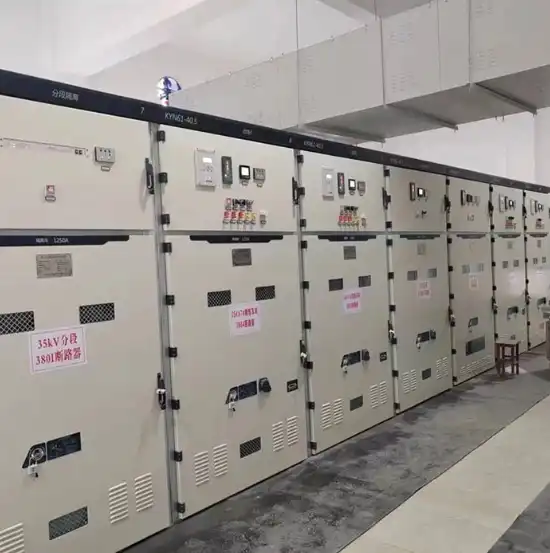
How Combined Switchgear Enhances Wind Farm Safety? – Core Advantages
Modern electrical switchboard solutions offer a wide range of safety benefits that are tailored to the unique problems that come up in wind energy uses. These systems combine many safety features and changes to respond to different environments to make a strong safety base for wind farm activities.
Modern integrated electrical protection systems have many benefits, such as better fault detection, better environmental protection, and easier repair processes that all work together to lower safety risks and operational interruptions.
Integrated Fault Detection and Protection Systems
Modern combined switchgear has intelligent safety switches that use complex algorithms to find electrical faults and fix them within milliseconds. These systems keep an eye on voltage, current, frequency, and power quality factors all the time. If any equipment is found to be broken, they automatically turn it off before it becomes a safety risk. Arc fault detection can find dangerous electrical arcing conditions that could cause fires or blasts and quickly unplug the affected circuits to stop the problem from getting worse.
Communication methods allow many security devices in the wind farm to work together. This makes sure that problem isolation is accurate and doesn't stop power production from turbines that aren't affected. This method of selective protection keeps operations going while handling safety concerns. It meets both safety and efficiency goals.
Environmental Protection and Reliability
Integrated modular design and IP67 sealing protection make sure that the system will work reliably in tough weather conditions. Advanced surface treatments and corrosion-resistant metal construction make equipment last longer while keeping its electrical performance in harsh circumstances. Temperature adjustment features change the safety settings automatically based on the environment, making sure that the system works the same way all year.
The sealed section design keeps moisture, dust, and other contaminants from damaging the electrical parts. This lowers the risk of insulation failure or tracking, which could be dangerous. Internal arc events can be avoided with pressure relief systems, which safely let out gases and keep possible blasts inside the switchgear enclosure.
These features for protecting the environment make equipment safety incidents much less common, while also increasing the time between maintenance visits and lowering the total costs for wind farm owners.
Selecting the Right Combined Switchgear for Wind Farm Safety and Efficiency
In order to buy electrical protection systems for wind farms, technical specs, environmental needs, and long-term operating goals must all be carefully considered. Procurement pros can find solutions that improve both safety and value for money by understanding key selection factors.
Technical Specifications and Performance Criteria
Voltage rating suitability is the most important thing to look for in Combined switchgear. For example, equipment used in wind farms usually needs to be rated for 6kV to 40.5kV operation. The short circuit capacity needs to be able to handle the highest fault current levels that can happen in the electrical system. This makes sure that the safety equipment can safely stop fault conditions without doing any harm. Insulation coordination between the different voltage levels in the wind farm's electrical system stops flashovers and keeps workers safe in both normal and breakdown situations.
For wind energy uses, safety relays should be able to handle overcurrent, undercurrent, overvoltage, undervoltage, frequency, and directional protection. Communication methods must be able to work with supervisory control and data acquisition (SCADA) systems at wind farms so that they can be integrated. This will allow for remote tracking and control, which will make operations safer.
Customization and Compliance Considerations
Modern wind farms need electrical tools that can change based on the site factors and the needs of the business. Manufacturers can change standard designs to fit different voltage levels, weather conditions, or safety needs that might not be met by standard products because of customization options.
International electrical standards, such as IEC 62271 and IEEE C37, and local electrical rules make sure that equipment meets well-known standards for safety and performance. It is proof that technology has been through thorough tests to make sure it is safe and works well under certain conditions when it is certified by a known testing laboratory.
Quality management system standards, like ISO 9001, show that makers use consistent production methods and quality control techniques that keep products working well for as long as they are used. These certifications give buying workers faith in the skills of suppliers and the quality of their products.
Implementing and Maintaining Combined Switchgear to Maximize Wind Farm Safety
To properly set up electrical security systems, you need to pay close attention to the installation steps, the commissioning steps, and the ongoing upkeep processes that make sure the safety performance stays high throughout the equipment's lifetime.
Installation and Commissioning Best Practices
Professional installation advice makes sure that electrical equipment is properly connected to wind farm electrical systems according to the rules set by the maker and any relevant electrical codes. Site planning needs to include the right base design, the right grounding systems, and the right clearances for safe operation and repair access.
During the commissioning process, all safety functions are checked to make sure they work properly and are in sync with all the other electrical equipment in the wind farm. As part of the testing procedures, safety switches are put through primary and secondary injection tests, the resistance of the insulation is checked, and all switching devices are tested in real-life fault situations.
Recording the steps of installation and commissioning is important for planning future upkeep and meeting legal requirements. These records also help with insurance claims and fixing when problems happen with the equipment while it's being used.
Preventive Maintenance and Condition Monitoring
Modern combined switchgear is maintained by visually inspecting, thermal imaging, and checking the protection functions on a regular basis. This helps find problems early on, before they become safety risks. Modern equipment's flexible design makes upkeep easier by making it easy to get to parts that need regular care while keeping sensitive parts from being exposed to the environment.
Condition monitoring technologies, such as tremor analysis, partial discharge monitoring, and heat monitoring, can keep an eye on the health of equipment all the time. They can spot problems before they get so bad that they need emergency help. With remote monitoring, repair teams can check on the state of equipment without having to go to the site in person. This keeps workers safer around electricity while still keeping a close eye on how the system is running.
Predictive maintenance strategies use past performance data and information about the state of equipment to make the best maintenance schedules. This lowers the risk of accidents and downtime while keeping maintenance costs low.
Conclusion
Combined switchgear is a significant development in wind farm safety technology because it offers integrated security, environmental resilience, and operating dependability that conventional electrical distribution equipment cannot match. Putting together advanced fault detection systems, strong environmental protection, and modular repair access makes a complete safety solution that works for wind energy uses' unique problems. By putting money into more advanced electrical protection systems, you can improve the safety of workers, the dependability of tools, and the speed of operations. You can also help wind energy projects last for a long time.
Partner with Yuguang for Advanced Combined Switchgear Solutions
For wind farms to be safe and run efficiently, they need electricity security systems that are designed to work with renewable energy. Yuguang Electric offers complete combined switchgear solutions for voltage ranges from 6kV to 40.5kV. These solutions are backed by 39 patents and official certifications that guarantee steady performance in wind farm settings that are very tough. Compared to traditional electricity distribution equipment, our integrated modular design method protects the environment better, makes upkeep easier, and extends the equipment's useful life.
Yuguang is one of the biggest companies that makes combined switchgear, and they offer full services from custom design and manufacturing to installation help and ongoing upkeep programs. Our aerospace-grade precise manufacturing methods and strict testing routines make sure that the equipment we sell meets international safety standards and is reliable enough for use in wind farms. Email our technical team at ygvcb@hotmail.com to talk about your unique electrical security needs for a wind farm and find out how our tried-and-true solutions can improve the safety and operating performance of your project.
References
1. International Electrotechnical Commission. "High-voltage switchgear and controlgear - Part 1: Common specifications for alternating current switchgear and controlgear." IEC 62271-1:2017.
2. Institute of Electrical and Electronics Engineers. "IEEE Standard for Electrical Power System Device Function Numbers, Acronyms, and Contact Designations." IEEE C37.2-2022.
3. Global Wind Energy Council. "Wind Farm Electrical Infrastructure Safety Guidelines and Best Practices." GWEC Technical Report 2023.
4. International Organization for Standardization. "Quality management systems for electrical equipment manufacturing." ISO 9001:2015 Application Guide for Power Equipment.
5. European Committee for Electrotechnical Standardization. "Safety requirements for electrical equipment in renewable energy installations." EN 50522:2022.
6. American National Standards Institute. "Switchgear assemblies including metal-enclosed interrupter switchgear, metal-clad switchgear, and station-type cubicle switchgear." ANSI C37.20.2-2015.

Send Inquiry
You may like
