
How do I tell what kind of circuit breaker I have?
Identifying the correct type of circuit breaker in your electrical system is crucial for maintaining operational safety and ensuring proper functionality. Whether you're dealing with a manual breaker that requires hand operation or an automatic unit with motorized controls, accurate identification directly impacts your procurement decisions, maintenance schedules, and overall system reliability. This comprehensive guide will walk you through the essential steps to determine your circuit breaker type, helping you make informed decisions that reduce downtime risks and optimize your electrical infrastructure investments.
Understanding Circuit Breakers: Definition and Types
Circuit breakers are very important safety devices that keep electrical systems safe from dangerous overloads and fault currents. When something goes wrong, these complex systems stop the flow of electricity. This keeps equipment from getting damaged and avoids possible safety risks. When procurement managers know the basic differences between the different types of breakers, they can choose the right tools for their business uses.
Manual Versus Automatic Circuit Breakers
Mechanical breakers have hand-operated devices that open and close electrical circuits. They can only be used by a person. Most of the time, these units have an obvious working handle that lets people change the position of the breaker by hand. Automatic breakers, on the other hand, have powered or spring-loaded parts that react to electrical signals or set conditions without any help from a person.
This difference is especially important in business settings where response time and ease of access to operations are very important. Manual units let you control the breaker directly and see what its state is, while automatic units respond faster and can be controlled from a distance.
Voltage Classifications and Applications
Low voltage circuit breakers are popular in business buildings and smaller industrial facilities. They can handle loads of up to 1000V AC. Medium voltage units work with voltages between 1kV and 35kV and are used in distribution networks and bigger industrial buildings. High voltage breakers are needed for transmission systems and big industry projects because they protect against voltages higher than 35kV.
Each voltage class needs its own set of safety rules and methods for recognition. Understanding these categories helps buying teams choose the right equipment that meets both practical needs and standards for legal compliance.
Systematic Approach to Identifying Your Circuit Breaker
To correctly identify a circuit breaker, you need to follow a methodical process that includes eye inspection, reviewing paperwork, and technical analysis. This organized method cuts down on mistakes in recognition and makes sure that the right equipment specifications are kept for future purchases.
Reading Labels and Manufacturer Information
Find the manufacturer's logo. It's usually on the breaker's front panel or side case. This is the first step in identifying it. This label has important details like model numbers, voltage rates, current capacities, and approval marks. Write down all the markings you can see. This information is very useful when comparing maker specs or buying replacement parts.
It is important to pay close attention to approval marks like UL, IEC, or IEEE standards compliance signs, especially when selecting a manual breaker. These markings not only prove the breaker's safety scores, but they also show the criteria that were used to test the equipment.
Analyzing Operational Mechanisms
Check the breaker's working parts to tell the difference between manual and automatic modes. Manual breakers have handles, switches, or wheels that can be seen and must be physically manipulated to work. Position indicators that show "OPEN," "CLOSED," or "TRIPPED" state are often part of these systems. Motor operators, solenoid mechanisms, or gas systems can all be used in automatic breakers. Look for electrical connection points, control wire connectors, or extra contacts that show the ability to operate from a distance. These features suggest that the device works automatically instead of being controlled by hand.
Cross-Referencing Technical Documentation
To make sure what you saw was correct, look at electrical drawings, machine schedules, and repair records that are available. Often, these papers have thorough specs that explain the different kinds of breakers, their grades, and how they work. If you can't find or finish the paperwork, you should call the original equipment manufacturer or trained electrical engineers to make sure you are who you say you are.
Comparison of Manual Breakers Versus Other Breaker Types for B2B Usage
When procurement managers know how manual breakers work differently from other types of circuit breakers, they can make decisions that are in line with the working needs and safety rules of their building.
Operational Reliability and Safety Considerations
Manual circuit breakers offer distinct advantages in applications requiring direct operator control and visual proof of breaker state. These units provide reliable operation in environments where automatic systems could be affected by electromagnetic interference or control system breakdowns. The mechanical simplicity of manual operation reduces dependency on backup power systems and control circuits.
But when things are done by hand, there are human factors that can slow down reaction times in an emergency. Operators need to be properly trained and placed so they can get to the breaker settings when they need to. This is an especially important thing to think about in places that don't have a lot of workers or are far away.
Cost Analysis and Procurement Benefits
Based on a recent study of the market, human circuit breakers are usually less expensive to buy at first than automatic ones. The lack of motor operators, control circuits, and safety switches lowers the cost of the equipment and makes installation easier. When you buy in bulk from a well-known source, you can save even more money, especially on standardized voltage and current values.
In addition to the initial purchase price, the total cost of ownership includes the cost of repairs, the availability of extra parts, and the cost of teaching people how to use the equipment. A manual breaker usually doesn't need as much specialized upkeep knowledge and doesn't have as many parts that can break or wear out.
Integration with Modern Control Systems
Even though manual breakers don't have built-in remote control capabilities, they can be connected to more sophisticated tracking systems with the help of extra contacts and position markers. With these features, progress can be checked from afar while direct control is still possible. This mixed method works well for places that want to improve their tracking without going all the way to full automation.
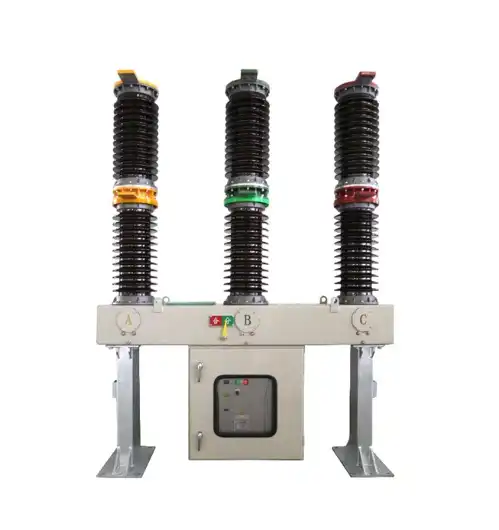
How to Safely Use, Maintain, and Install Manual Circuit Breakers
The performance, safety, and service life of a circuit breaker are all directly affected by how it is installed, used, and maintained. Following set processes lowers operational risks and makes sure that safety standards are met in the business.
Installation Guidelines and Compliance Standards
The placement of a circuit breaker must follow the appropriate electrical codes, such as the NEC, the IEC, and any local rules. Making sure that the chosen breaker meets the needs of the application in terms of voltage, current, and stopping ability is the first step in a proper installation. Installing things should only be done by licensed electricians who know how to stay safe around high power.
Important installation factors include the right way to place the device, leaving enough space between objects, and making sure the electrical links are safe. To keep things from overheating and to make sure they work properly, all links must be torqued to the manufacturer's specs. Installation paperwork should be kept for future use and to make sure that the rules are being followed.
Preventive Maintenance Strategies
Regular repair plans help find problems early on, before they cause devices to break down or pose a safety risk. The working parts, touch areas, and insulation systems of manual breakers need to be checked every so often. As part of routine maintenance, insulator surfaces should be cleaned, mechanical parts should be oiled, and safety relay settings should be tested.
Maintenance intervals are based on the climate, how often the machine is used, and what the maker recommends. Facilities that are in tough settings may need to be maintained more often to deal with problems like rust or contamination. Maintenance records are useful for finding problems that keep happening and making maintenance plans better.
Safety Protocols and Operational Procedures
For safe operation of circuit breakers, people must follow set lockout/tagout processes and wear the right safety gear, particularly when using a manual breaker. Operators need to be taught how to tell the difference between standard and abnormal working conditions and how to handle faults properly. Breaker failures, spark flashes, and electrical faults should all be covered in emergency reaction plans. Regular safety training makes sure that employees know how to do their jobs right and what to do in a situation.
Procurement Guide: How to Buy the Right Manual Breaker for Your Business
To buy circuit breakers successfully, you need to carefully create specifications, evaluate suppliers, and use quality assurance methods. This organized method makes sure that the bought gear meets the needs of the business and has long-term value.
Defining Technical Requirements
Start planning your purchases by making a list of all the technical details you need for your application. This list should include voltage levels, current rates, interrupting capacity, and the surroundings. When making specs, think about the need for future growth and the benefits of standardization. Giving sellers clear instructions helps them give accurate quotes and lowers the chance that the tools won't work together.
Extreme temperature, dampness, and exposure to contamination are some of the environmental factors that have a big effect on the choice of tools. Different amounts of insulation and safety measures are needed for setups inside and outside. It's important to make these points clear to possible providers.
Supplier Evaluation and Selection Criteria
Check out possible sources based on their technical knowledge, quality certifications, and ability to help with projects. Companies that have been around for a while and have ISO 9001 certification show that they are committed to quality management systems. Look for providers that offer full technical help, such as engineering advice, the ability to make changes, and service after the sale. Think about how much experience the provider has with similar projects and whether they can give you references from similar setups. Local representation and service skills can be very important, especially for places where machine breakdowns need to be fixed quickly.
Quality Assurance and Certification Requirements
Check to see if the suggested equipment meets industry standards like those set by IEEE, IEC, and ANSI. Ask for test results and certifications from the factory to make sure they meet the standards. Quality assurance includes more than just initial compliance. It also includes quality tracking and processes for taking corrective action.
Long-term running costs are affected by warranty terms and the supply of spare parts in a big way. Check the supplier's history of keeping warranty promises, as well as the length and terms of the guarantee coverage. Having spare parts on hand makes sure that equipment can be kept up to date for as long as it is supposed to last.
Conclusion
Correctly identifying circuit breakers is a necessary part of managing an electrical system and making smart buying choices. Knowing the differences between a manual breaker and other types helps building managers choose the right tools for their needs and safety standards. This guide shows a systematic way to find things, which gives procurement workers the information they need to make smart choices that lower risks and improve long-term business performance.
FAQ
What are the key visual indicators that distinguish a manual breaker from an automatic breaker?
Manual breakers feature visible operating handles, levers, or rotary mechanisms that require direct physical manipulation. Look for mechanical position indicators showing "ON," "OFF," or "TRIPPED" labels. Automatic breakers usually have motor housings and electrical connections for control circuits. They might not have obvious ways to operate them manually, though.
Which certifications should I look for when evaluating circuit breaker quality?
Essential certifications include IEEE standards for electrical performance, IEC worldwide standards for safety and interoperability, and UL listings for North American markets. If a company has ISO 9001 certification, it means they follow quality control methods. When needed, look for specific application licenses like those for marine, hazardous site, or seismic use.
How often should manual circuit breakers undergo maintenance inspection?
How often maintenance is done relies on the environment and the job cycles of the equipment. In normal workplace settings, checks should be done once a year. More frequent inspections are needed in harsh situations or for heavy-duty uses. For critical uses to stay reliable, inspections may need to happen every three or six months.
Partner with Yuguang for Superior Manual Breaker Solutions
Shaanxi Yuguang Electric Co., Ltd. offers top-notch manual breaker options backed by advanced research and development and a wide range of quality approvals. Our 39 patents and ISO 9001:2015 approval show that we are dedicated to new ideas and high quality. We are experts in 6KV-40.5KV transmission and distribution tools, and we can make products that fit the needs of a wide range of industries. Our skilled engineering team offers full technical support, from the first meeting to installation and ongoing upkeep. Get in touch with our purchasing experts at ygvcb@hotmail.com to talk about your specific needs and find out how our dependable manual breaker maker can help you get the most out of your investments in electrical infrastructure.
References
1. IEEE Standard C37.06-2009: AC High-Voltage Circuit Breakers Rated on a Symmetrical Current Basis - Preferred Ratings and Related Required Capabilities for Voltages Above 1000 V
2. National Electrical Manufacturers Association (NEMA) Standards Publication SG 4-2009: AC High-Voltage Circuit Breakers
3. International Electrotechnical Commission (IEC) 62271-100: High-voltage switchgear and controlgear - Part 100: Alternating current circuit-breakers
4. Institute of Electrical and Electronics Engineers (IEEE) Standard C37.09-2018: Standard Test Procedures for AC High-Voltage Circuit Breakers
5. ANSI/IEEE C37.010-2016: Application Guide for AC High-Voltage Circuit Breakers Rated on a Symmetrical Current Basis
6. Electrical Safety Foundation International (ESFI): Circuit Breaker Maintenance and Testing Guidelines for Industrial Applications

Send Inquiry
You may like
