
How do vacuum load switches compare to SF6 load switches in terms of maintenance?
When procurement managers and chief engineers look at medium-voltage switchgear, the amount of maintenance needed can often make the difference between two technologies. When compared to SF6 options, vacuum load switches require significantly less upkeep. The sealed design of the vacuum interrupter gets rid of the problems that SF6 systems have with gas monitoring, leak detection, and environmental compliance. For routine maintenance, only mechanical parts like working mechanisms need to be looked at visually every three to five years. Gas density checks should not be done too often. This basic difference directly leads to lower running costs, less downtime, and safer intervention methods, all of which are very important when time is of the essence for a project and reliability cannot be compromised.
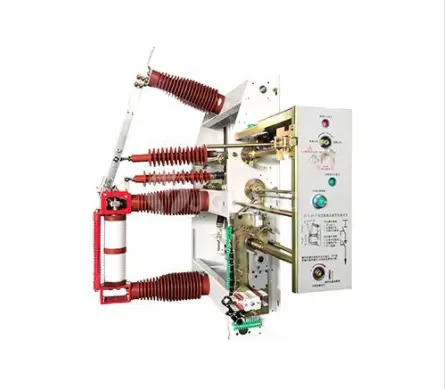
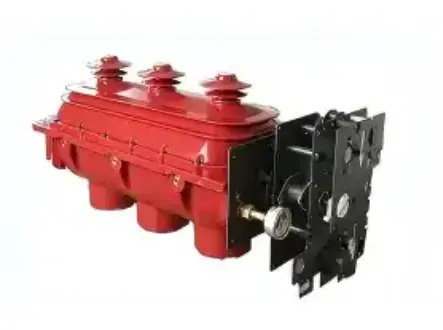
Understanding Vacuum and SF6 Load Switches: Basic Principles and Maintenance Needs
The long-term maintenance needs of each switching solution are based on the technology that makes it work. When procurement teams understand these operating concepts, they can more correctly predict lifecycle costs and service needs.
How Vacuum Interrupters Reduce Maintenance Frequency
When electrical circuits are working in a high-vacuum setting (typically below 104 Pa), vacuum load switches use hermetically sealed interrupters. When contacts split under load, the vacuum provides exceptional dielectric strength, putting out sparks almost instantly without any help from outside sources. It doesn't need any edible media, petrol refills or environmental tracking for this self-contained arc extinction.
The sealed chamber keeps moisture, dust, and other contaminants out of the internal parts, which greatly increases the contact life beyond 10,000 mechanical operations. Maintenance times are extended to three to five years or longer, and the main focus is on lubricating the mechanical links instead of inspecting the interrupters. This way of thinking about design directly addresses the problem in the industry of too much downtime for routine maintenance.
SF6 Technology and Its Inherent Maintenance Demands
Sulphur hexafluoride gas is used to both insulate and stop arcs in SF6 load switches. Although SF6 has great dielectric properties, the technology comes with a number of maintenance tasks. Regular checks of gas density are needed to make sure that switching capacity stays within the allowed ranges; even small leaks can hurt performance. Specialised equipment is needed once a year to look for leaks in sealed pressure systems. Because SF6 is a very strong greenhouse gas (23,500 times more powerful than CO2), environmental laws are making it harder and harder to handle.
Any work that needs to be done must be done by trained experts. Also, SF6's insulating properties get worse when it gets wet, which is why gas quality analysis is needed on a regular basis. These regular chores lead to expected operating costs and schedule problems. This is especially true for installations that are far away, like wind farms or industrial mining sites, where getting technicians there is expensive and hard to do.
Design Differences That Shape Inspection Routines
Because of how each technology is built, what maintenance teams see is very different. Vacuum load switches have small, integrated designs with few external parts. Yuguang's modular architecture is an example of this, with its IP67-rated seals and corrosion-resistant alloys that were made using aerospace-grade precision techniques. Solid insulation and a small footprint (often 40% smaller than SF6 alternatives) get rid of the need for bulky gas tanks and pressure gauges.
Inspection tasks are reduced to simple visible checks of wear signs and link integrity. SF6 systems, on the other hand, have pressure vessels, gas handling ports, density monitors, and relief valves. Each of these adds another point of inspection and a possible way for the system to fail. This level of complexity raises the skill level needed for maintenance workers and makes planned outages last longer.
Detailed Maintenance Comparison: Vacuum Load Switch vs. SF6 Load Switch
By separating maintenance tasks into groups based on type, regularity, and technical difficulty, we can see clear differences in how they are carried out that have a direct effect on the total cost of ownership and the stability of the system.
Routine Maintenance Tasks and Frequency
The mechanical parts of a vacuum load switch are what need to be maintained. Technicians visually check the working parts every three to five years or after 2,000 operations. They also grease the pivot points and use motion readings to make sure the contacts are lined up correctly. Tightness checks of electrical connections with torque wrenches and thermal imaging scans finish off the routine. Maintenance doesn't need any special weather conditions, and work can go ahead safely with standard electrical safety rules in place. The whole process usually takes between 2 and 4 hours per unit.
SF6 systems need to be tended to more often. Every year, the gas density is checked to make sure that the pressure stays above vital levels, which are usually 5 to 6 bar absolute at 20°C. Leak detection surveys done every six months with halogen detectors or infrared cameras show that the seal is wearing down. Every 3 to 5 years, gas quality research checks for moisture levels and results of decomposition. When there are leaks or drops in pressure, the gas has to be recovered using recovery equipment, the system has to be emptied, fixes have to be made and then fresh gas has to be added. This process needs trained people and special tools. Each repair session lasts at least six to eight hours, because working with petrol adds to the safety concerns and paperwork that needs to be done.
Troubleshooting and Failure Mode Management
When problems happen, the ways of diagnosing them are very different. Problems with vacuum load switches usually show up as mechanical failures (like worn drive links or spring fatigue) or contact erosion after a long time of use. Standard electrical tests are used to make the diagnosis: measuring the contact resistance (it should stay below 60 microhms), checking the insulation resistance, and looking at the operational timing. Repairs usually involve replacing parts with spares that are easy to find. Since there are no pressurised systems, there is no chance of a blast during involvement.
Failures of SF6 switches add to the complexity. Low gas density could mean there are leaks that need to be found with pressure decay testing. Arc byproducts from fault delays can poison gas, which means that the whole gas has to be replaced. Moisture pollution needs gas recovery and cleaning on the inside. In each case, you need to rent specialised tools and hire trained staff, which makes reaction times longer. Because of all the rules about handling SF6, even small repairs are required to be reported for environmental compliance in many places.
Environmental and Safety Considerations in Maintenance
This example shows how different things are. During upkeep, vacuum technology doesn't pose much of a threat to the environment. When the chambers are opened, they don't contain any dangerous materials, and the contact disposal follows standard metal recycling rules. Technicians do their jobs without masks or tools to check for gases. This ease of use is very helpful in small places like underground substations or platforms in the ocean.
Maintenance on SF6 comes with safety and environmental risks. International agreements keep track of greenhouse gas emissions, and leak rates are a part of that. Because SF6 is heavier than air and pushes oxygen out of enclosed spaces, gas handling needs ventilation systems to keep people from suffocating. Accidental releases that happen during maintenance need to be reported and measured. Professional gas reclamation services are needed to shut down SF6 equipment, which costs a lot. As environmental goals get stricter across all industries, these factors become more important in purchasing decisions.
Cost and Efficiency Implications of Maintenance for Procurement Decisions
By converting maintenance traits into financial impacts, procurement professionals can get the numbers they need to support their choice of technology. Knowing what these cost drivers are can help you choose equipment that fits your budget and meets your business goals.
Direct Maintenance Expense Analysis
Vacuum load switches are more cost-effective over the entire maintenance lifecycle. Due to longer service intervals and quick completion times, labour costs stay low. Consumable costs are very low and mostly consist of oils and replacing springs every so often. Besides standard electrical test equipment, you don't need any other specialised tools. The small amount of spare parts that need to be kept on hand is usually limited to mechanical linkage parts and drive motors for general switchgear. Over the course of 20 years of use, straight upkeep costs usually add up to 15 to 20 percent of the original cost of the equipment.
The costs of SF6 systems add up to a lot more. More work hours are needed for yearly inspections, and gas-related services need to be done by specialised contractors who charge more ($150–250 per hour vs. $80–120 per hour for general electrical technicians). Gas refills cost $50 to $80 per kilogram, and medium-sized switches hold 5 to 15 kg. Rental of leak detection tools, lab fees for gas quality research, and paperwork for environmental compliance are all examples of ongoing costs. Pressure gauges, density switches, and special seals must be included as spare parts. Over 20 years, the total cost of upkeep often adds up to 35–50% of the original purchase price. This difference has a big effect on figuring out the total cost of ownership.
Operational Reliability and Downtime Reduction
The regularity of maintenance is directly related to how available something is and how long output can go on. Longer service intervals for vacuum load switches mean fewer planned outages, which is very important for industries that use continuous processes, like steel mills or chemical plants, where each shutdown costs thousands of dollars per hour. Rapid maintenance execution cuts down on the time that systems are down when work needs to be done. Predictable performance over more than 10,000 processes cuts down on unplanned fails that cost a lot to fix.
Because SF6 systems need to be inspected so often, they need more planned downtime. Unexpected gas-related fails can happen between checks, causing power outages that weren't planned for. Repair and diagnosis that are more difficult make restoration times longer, especially when gas reclamation services need to be called in. These things raise operating risk, which could slow the start of a project or lead to penalties under the terms of a contract if equipment doesn't work as agreed. Yuguang addresses these concerns by using an integrated modular design and thorough testing protocols that check performance in areas like arc extinguishing, insulation strength, and load adaptability before shipping. This makes sure that the equipment arrives ready to be used right away and reliably.
Total Cost of Ownership and Lifecycle Value
Lifecycle cost modelling is used by sophisticated buying teams to assess equipment. Medium-voltage switchgear's overall ownership cost is only 30–40% of its initial purchase price. The rest is made up of upkeep, downtime, and disposal. The lower maintenance needs, longer component life (vacuum interrupters can last 20+ years, while SF6 seals need to be replaced every 10-15 years), and easier decommissioning of vacuum technology all add up to 25–35% lower lifetime costs compared to SF6 options.
This economic benefit is even bigger in harsh places like coastal installations, mines, or outdoor substations, where dirt and vibration make SF6 seals break down faster but don't affect sealed vacuum chambers. When you put these things together with Yuguang's ability to customise products based on specific situations, like adapting equipment to high or low temperatures, changes in altitude, or toxic environments, you get great value for your demanding uses.
Selecting Load Switches: How Maintenance Requirements Influence Procurement
Along with standard factors like voltage grade and breaking ability, maintenance concerns should be used to choose technologies. The best results happen when the skills of the tools are matched with the operating environments and support infrastructure.
Evaluating Supplier Maintenance Support Capabilities
Long-term maintenance success depends on more than just the product specs. It also depends on the provider service infrastructure. Well-known companies like Yuguang offer full support systems that go beyond just delivering equipment. When looking at vacuum load switch suppliers, you should check out their after-sales service. For example, do they offer installation help to avoid mistakes during commissioning that lead to maintenance issues in the future? Can they give you detailed maintenance instructions that are made to fit the way you run your business? Is it promised that extra parts will be available with clear lead times? When equipment is used in critical situations where delays lead to a chain reaction of production loses, these service factors become very important.
Yuguang stands out because it offers full-chain service delivery, which includes research and development, production, installation guidance, and ongoing support after the sale. This solves the common problem of suppliers who disappear after the equipment is handed over. The company's 39 patents show that it is always coming up with new ideas based on its experience in the field, and its ISO9001, 14001, and 45001 standards show that it manages quality in a structured way. By helping procurement teams choose the best options, technical advice services help them avoid over-specification, which wastes money, and under-specification, which leaves gaps in reliability.
Matching Equipment to Operational Environments
Maintenance needs are very different depending on how the placement was done. Vacuum technology makes it easier to maintain and reduces the footprint of urban ring main units (RMUs) in compact substations. Technicians can service equipment in small spaces without having to use gas handling equipment. In wind farm collector circuits, where switching on and off a lot speeds up wear, vacuum load switches are better because they can handle 10,000+ operations before they need to be serviced, compared to 3,000–5,000 operations for SF6 systems. Vacuum technology's sealed design keeps gas systems from failing because of contamination, which is useful for mining in dusty and explosive environments.
When it comes to difficult tasks, Yuguang's scenario-based customisation skills really shine. Products are made to work in harsh environments by using IP67 sealing, ceramic coatings to prevent corrosion, and powder coating treatments that make parts last longer. This design philosophy directly addresses concerns raised by buyers about the compatibility of equipment in unique situations, such as substations in the north that are very cold or facilities on the coast that are very humid.
Procurement Logistics and Delivery Considerations
Installation is the first step in maintenance; equipment that is damaged or not set up correctly causes instant service problems. At every step of the manufacturing process, Yuguang puts quality first: choosing the raw materials (corrosion-resistant alloys), using aerospace-grade processes for precise machining on key parts, performing multiple rounds of performance tests to confirm the arc-suppressing and insulation properties, and finally packaging that is waterproof, shock-proof, and meets international standards. This care for the little things makes sure that the equipment comes ready to be used.
Delivery dates have a big effect on project plans. Standard vacuum load switch setups are sent out within 7–15 days. Customised solutions, which include special mounting arrangements, extra contacts, or environmental protections, take 30–60 days to deliver. Minimum order amounts that are flexible and start at one unit make it possible to handle test projects and urgent replacements without having to buy in bulk. These logistics benefits help EPC contractors and project managers stick to critical path schedules and avoid delays that cost a lot of money.
Best Practices for Vacuum Load Switch Maintenance: Enhancing Longevity and Performance
Structured upkeep procedures make vacuum load switches more reliable and extend their useful life, which is the technology's full economic benefit. The tips below are special to vacuum load switches that are used in workplace settings.
Routine Inspection Procedures and Schedules
Set inspection times based on how busy the operations are instead of just the calendar. Equipment that is switched on and off often (daily operations) should be inspected once a year, while installations that aren't used very often should be inspected every 3 to 5 years. Manual charging and release tests should be done during each check to make sure the operating mechanism works. The contact travel lengths should be compared to the manufacturer's standards, which are usually 10–12 mm for 12kV systems. Use thermal imaging to find emerging hot spots in busbar connections and wire terminations before they fail.
Check the condition of the cabinets to make sure the seals are still in place and the ventilation systems are working right so that moisture doesn't build up. Write down the values of the contact resistance; values higher than 60 microhms mean that erosion needs to be fixed. Yuguang makes thorough inspection checklists for lines of products like the FZN21-40.5 and YGFZN25B to make sure that maintenance teams check all the important factors.
Preventive Maintenance and Troubleshooting Methods
The mechanical parts around the sealed vacuum interrupter are the subject of preventive maintenance. Follow the manufacturer's instructions for applying the right lubricants to pivot points, cam surfaces, and latching mechanisms. Too much lubrication attracts dirt, while not enough lubrication speeds up wear. Use force gauges to check the working spring tension. Weaker springs cause slower opening speeds, which lowers their breaking strength. Check the extra contacts to make sure they are lined up correctly and use fine abrasives to remove any rust. Check the interlocks and safety features to make sure they are still working to protect people.
Systematic diagnosis keeps you from replacing parts that aren't needed when you're trying to fix operational problems. Most of the time, mechanical binding or spring wear is the cause of slow operation, not a vacuum interrupter failure. Before assuming contact erosion, a rise in contact resistance could mean that the connection is loose or that the busbar is oxidising. Interrupters are rated for 20+ years of sealed operation, so vacuum integrity rarely breaks early. Using magnetron discharge methods to test the vacuum quality without damaging it confirms the interrupter's condition before deciding whether to replace it. This methodical approach keeps maintenance costs low by getting to the root of problems instead of guessing what to replace expensive parts with.
Digital Monitoring and Predictive Maintenance Integration
Condition-based upkeep, which finds the best time to act, is possible with modern asset management tools. Set up operational counters to keep track of switching cycles. When certain levels are reached, they will start repair processes. Temperature sensors built into important links keep an eye on things all the time and let repair teams know when there are problems with the temperature. By measuring operational current, you can find stress trends that make parts wear out faster. When you add this information to a computerised maintenance management system (CMMS), it makes maintenance plans that are based on the real state of the equipment instead of just random time intervals.
Yuguang is dedicated to new ideas and supports digital maintenance strategies. Products made with sensor connection points make it easier to set up a tracking system without affecting safety or electrical openings. Helping maintenance departments switch from reactive to predictive maintenance models, technical support teams help define parameter thresholds that are specific to operational environments. This method lowers the overall cost of maintenance by 20 to 30 percent while increasing reliability by stepping in early, before problems happen.
Conclusion
When you compare the upkeep needs of vacuum load switches to those of SF6 load switches, you can see that vacuum technology has clear practical and financial benefits. Simplified procedures, longer service intervals, no longer having to handle gas, and better environmental safety all work together to lower lifecycle costs by a large amount while increasing reliability. Teams in charge of buying things that want to keep operating risk to a minimum and long-term costs under control should give vacuum solutions top priority, especially when they come from makers with strong service networks. Due to their sealed design, proven dependability, and ability to comply with environmental rules, vacuum load switches are the best option for modern medium-voltage uses in the industrial, renewable energy, and power distribution fields.
FAQ
Q1: What distinguishes vacuum load switch maintenance from SF6 systems?
A: Every three to five years, vacuum load switches only need to be inspected mechanically, focusing on the working parts and connections. They don't need to be checked for gases or special atmospheric settings. SF6 systems need to have their gas density checked once a year, their leaks found, and their gas quality analysed on a regular basis. To do these tasks, trained experts and special tools are needed. This basic difference cuts the work needed to maintain vacuum load switches by 60–70% over the life of the equipment.
Q2: Can vacuum switches operate maintenance-free throughout their rated life?
A: The vacuum load switch interrupter is protected for life, and usually doesn't need to be touched for more than 20 years. But the mechanical parts around it need to be inspected and oiled every 3 to 5 years or after 2,000 operations, whichever comes first, depending on how harsh the environment is. The phrase "maintenance-free" is accurate for the vacuum chamber but not for the whole assembly. The assembly needs to be properly maintained to make sure it lasts as long as it was designed to.
Q3: How do environmental regulations affect maintenance practices?
A: As SF6 is a strong greenhouse gas, repair activities are subject to environmental reporting, qualified technician standards, and gas reclamation laws when they service equipment. Many places now limit the use of SF6 in new installs. As environmental standards get stricter around the world, vacuum technology gets rid of these compliance burdens. This makes upkeep procedures easier and lowers regulation risk.
Partner with Yuguang for Superior Vacuum Load Switch Solutions
Choosing the right vacuum load switch provider is what determines whether the benefits of easier upkeep lead to success in operations. Yuguang offers proven knowledge throughout the whole lifecycle of an item of equipment. They have 39 patents and are recognised as a national high-tech enterprise. Our 6kV–40.5kV product range is designed to work with a wide range of applications, from urban ring mains to wind farm integration. It is made with an integrated modular design that focuses on small sizes, great seals, and long life. To make sure every unit meets strict reliability standards, excellent manufacturing uses corrosion-resistant metals, IP67 sealing, and multiple rounds of performance testing.
Full support includes installation instructions, personalised upkeep plans, guaranteed spare parts availability, and free planning for equipment modifications. This takes care of common problems buyers have with expert support and long-term service. Get in touch with our technical team at ygvcb@hotmail.com to talk about your specific needs and find out how Yuguang's vacuum load switch manufacturer services can make your project more reliable and save you money.
References
1. IEEE Standard C37.74-2017, "IEEE Standard for Sealed Contact Assembly Mechanisms," Institute of Electrical and Electronics Engineers, 2017.
2. International Electrotechnical Commission, "IEC 62271-103: High-voltage switchgear and controlgear – Part 103: Switches for rated voltages above 1 kV up to and including 52 kV," Edition 2.0, 2021.
3. Ryan, Hugh M., "High Voltage Engineering and Testing," 3rd Edition, Institution of Engineering and Technology, 2013.
4. Kapetanović, Miloš, "High Voltage Circuit Breakers," 2nd Edition, Technical University of Delft, 2011.
5. CIGRE Working Group A3.22, "Technical Brochure 506: Vacuum Switchgear – Contribution to the Estimation of the Amount of SF6 Insulated Switchgear in Service," International Council on Large Electric Systems, 2012.
6. Slade, Paul G., "The Vacuum Interrupter: Theory, Design, and Application," CRC Press, 2017.

Send Inquiry
You may like
