
How does an automatic fuse work?
Sensors put into an automatic fuse check the flow of current, the amount of voltage, and the temperature to find electrical problems. In the event of abnormal conditions, the automatic fuse breaker immediately cuts the electrical connection to protect people and property from damage. Instead of having to be replaced by hand like regular fuses, these smart devices reset themselves after temporary faults are fixed. They use advanced vacuum arc extinguishing technology and electronic control systems to protect important industrial applications without any need for maintenance.
Understanding Automatic Fuse Breakers: Basics and Working Principle
The basic way that automatic fuse breakers work is a big step forward in the technology used to protect electricity. These high-tech gadgets have all the benefits of regular circuit protection plus the added benefit of being able to automatically react to electrical problems without any help from a person.
Core Components and Architecture
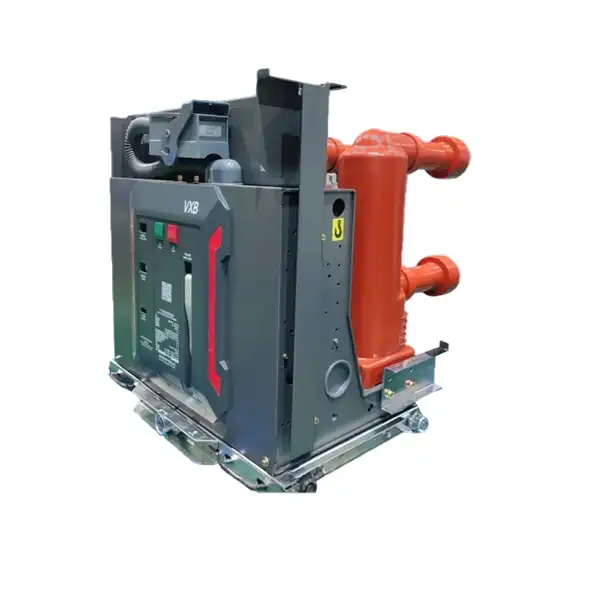
Modern automatic safety systems are made up of many parts that are all connected and work together. The vacuum interrupter is the most important part. It uses vacuum technology to stop electrical sparks more effectively than oil- or air-insulated options. This vacuum box has both fixed and moving contacts that quickly separate when fault conditions are found. This makes a controlled environment where electrical arcs can't continue to grow.
The clever control unit is like the brain of the system; it constantly checks electrical conditions like temperature, current amplitude, and voltage changes. The control unit sets off the mechanical working mechanism, which could be a spring-loaded system or a fixed magnetic actuator, when certain limits are crossed. These parts make sure that the time is perfect and that the machine works reliably for thousands of swapping cycles.
Detection and Response Mechanisms
Detection is based on complex algorithms that can tell the difference between normal changes in operation and real faults. The control system gets real-time data from current transformers and voltage monitors. It then uses advanced signal processing methods to make sense of this data. The system can recognize different types of faults, such as overloads, short circuits, and ground faults. Each type of fault needs a different reaction strategy.
Monitoring the temperature adds another layer of safety. This is especially helpful in industrial settings where high temperatures can show that problems are starting to appear. The automatic fuse breaker constantly checks recorded values against pre-set parameters to make sure that security is activated before damage to equipment or safety risks happen.
Compliance and Safety Standards
These safety gadgets are made and work according to international safety standards. The IEC 62271-100 sets standards for high-voltage switchgear and control gear, and the IEEE C37 series standards cover specific performance needs for North American uses. These standards make sure that automatic safety systems pass strict tests for how well they work with electricity, metal, and the environment.
As part of quality assurance, there are strict testing methods that make sure the system works correctly in a variety of fault situations. Type tests, such as dielectric strength tests, mechanical endurance trials, and external stress studies, are done by manufacturers to show that their products meet safety standards. These thorough testing programs give buying teams faith in the long-term performance and dependability of products.
Automatic Fuse Breaker Types and Their Applications
In different industrial areas, different protection systems meet specific working needs. By knowing these differences, procurement workers can choose the best options for their specific needs and work settings.
Thermal Protection Systems
When there is too much power, thermal-based automatic breakers trip when they sense too much heat. Bimetallic parts or electronic temperature monitors are used in these systems to find temperatures that aren't normal. When working temperatures go above what is considered safe, the protection system kicks in to keep equipment from breaking or starting a fire.
Thermostatic safety systems are very helpful in factories that use a lot of motors. These things are used to keep expensive gear from getting damaged by heat in places like steel mills, chemical plants, and mines. The gradual reaction of thermal systems makes them a good choice for protecting equipment that normally sees surges when it first turns on but also needs protection from long-term overcurrent situations.
Magnetic Protection Technology
Through electromagnetic monitors that pick up on sudden increases in current, magnetic protection devices can quickly fix short-circuit problems. By protecting equipment and people right away when serious fault conditions happen, these systems stop arc flashes before they happen and limit the damage to equipment.
Facilities that make electricity, like wind farms and solar panels, use magnetic safety systems, such as an automatic fuse breaker, to quickly cut off faulty parts. The ability to respond quickly saves sensitive electronic equipment and stops faults from spreading through the electrical system. Utility companies really like this technology because it keeps the grid stable when there are faults.
Smart Integration Capabilities
Supervisory control and data collection (SCADA) systems can be connected to more advanced automatic fuse breaker systems through communication features. These smart gadgets give you real-time status information, data on where faults are located, and maintenance tips that help you plan ahead, all of which improve the general reliability of the system.
Smart protection systems that can immediately cut off service to faulted areas while keeping service going to areas that aren't affected are very helpful for distribution automation uses. Infrastructure at airports, data centers, and public transit systems in cities depend on these abilities to keep important operations running during electrical outages and reduce service delays.
Installation, Maintenance, and Troubleshooting Guide for Automatic Fuse Breakers
Automatic safety systems are more reliable and last longer if they are installed and maintained correctly. To get the best results from these steps for the whole life of the equipment, you need to pay close attention to the manufacturer's instructions and best practices in the business.
Pre-Installation Requirements and Safety Protocols
The first step in planning an installation is to do a full site study to check the surroundings, the electrical system, and the mechanical mounting needs. For equipment to work reliably, the ambient temperature ranges, altitude issues, and pollution levels must all match the equipment's specs. Checking for proper grounding systems, enough gaps, and the right support structures are all part of preparing a site.
Installation teams must follow set lockout/tagout processes and wear the right personal protective equipment according to safety rules. To make sure that measures are correct during commissioning, electrical testing equipment needs to be measured and approved. Installation teams need to know how to safely work with high-voltage electrical systems and have special training on the tools they are putting in place.
Routine Maintenance and Inspection Procedures
Preventive repair plans keep safety systems working at their best and extend the life of the equipment. Every three months, there should be a visual check to look for signs of corrosion, loose links, or damage from the surroundings. Protection features, communication systems, and motor parts are tested every year to make sure they work properly.
Testing the mechanical action makes sure that the times for opening and shutting stay within the limits that were set. Contact resistance tests find weak spots in electrical links that could cause the system to overheat or stop working properly. Insulation resistance testing makes sure that electrical insulation systems are working properly. This is especially important for setups that are outside where they could get wet or dirty.
Diagnostic Techniques and Fault Resolution
Modern automatic fuse breaker systems can do a lot of different diagnostics that make it easier to find problems and fix them. Event recording functions keep thorough records of protection operations, such as fault currents, working times, and the state of the system when the operation took place.
Systematic steps are used to fix problems, and the first step is to look over recorded events and system state signs. Diagnostics of communication systems make sure that they work well with control systems and find any possible security issues. When repairs are needed, only original maker parts and trained service techs are used to make sure that the integrity of the safety system, including components like the automatic fuse breaker, is kept during the repair.
How to Choose the Right Automatic Fuse Breaker for Your Business Needs?
To choose the right safety gear, you need to carefully think about technical needs, working limitations, and long-term business goals. Throughout the lifetime of the equipment, this decision process has a direct effect on how reliable the system is, how much it costs to maintain, and how efficiently it works.
Technical Selection Criteria and Performance Parameters
The basic needs for protection tools are based on the features of the load. Motor starting currents, generator inrush currents, and regular changes in operation must all be able to be handled without tripping. The interrupting capacity that safety equipment must be able to handle during serious fault circumstances is set by the fault current levels.
The environment has a big impact on the choices about what tools to buy. sites near the coast need better security against corrosion, and sites in harsh regions need wider temperature ranges. Because of earthquakes, some parts may need special installation and quality tests to make sure they work reliably during these events.
The frequency and power levels in the system must exactly match what the tools says they need to be. Coordinating with existing security systems makes sure that new equipment works well with current security systems. Communication protocol compatibility lets new control and tracking systems work with old ones.
Manufacturer Evaluation and Quality Considerations
Leading manufacturers keep a lot of testing centers and quality control systems in place to make sure that their products always work well. In the market for safety equipment, companies like Schneider Electric, Siemens, and ABB have built names for dependability and new technology. These companies make equipment that is supported for as long as it works by offering full expert help, training programs, and global service networks.
Quality badges, like ISO 9001 and related product safety standards, show that a company is dedicated to quality and always getting better. Independent confirmation of performance claims and safety compliance comes from third-party testing and approval by well-known testing labs.
Procurement Considerations and Total Cost Analysis
The total cost of ownership, not just the original buy price, is what procurement teams need to look at. Long-term running costs are affected by things like the need for maintenance, the supply of spare parts, and the cost of service support. Service level agreements and warranties are important ways to protect the money you spend on tools.
When there are strict release dates for big projects, supply chain stability is very important. Companies that have been making things for a long time and have global marketing networks can better help projects with tight deadlines. Automatic fuse breaker suppliers should show that they are financially stable and committed to the safety equipment market for a long time to make sure that help is always available.
Benefits and Future Trends of Automatic Fuse Breakers in Industrial Procurement
Adopting automatic protection technology has measured benefits across a wide range of working areas and prepares businesses for future technological advances. These benefits are especially important in large-scale manufacturing settings where dependability and speed have a direct effect on profits.
Operational Advantages and Cost Effectiveness
Automatic protection systems cut service restoring times by a huge amount because they don't need any human help during problem clearing operations. Changing fuses the old-fashioned way can take hours, but automatic methods can get service back up and running in minutes or seconds. This ability to quickly restore service means that energy companies lose less production and their customers are happier.
Another big benefit of automatic defense technology is that it lowers the cost of maintenance. For traditional fuses, such as an automatic fuse breaker, to work properly, they need to be inspected regularly and new parts need to be kept on hand. Automatic systems work for years without needing any parts to be replaced. This saves money on materials and time spent on upkeep.
Safety changes keep people and things from being damaged by electricity. Automatic fuse breaker systems keep people from coming into contact with live electrical equipment while faults are being fixed. This lowers the risk of arc flash and electrical shock. Because of these safety perks, job safety records are better and insurance costs are lower.
Technology Integration and Smart Grid Capabilities
When you connect to advanced communication networks, you can watch and handle things in real time, which makes the whole system work better. A lot of smart grid projects depend on intelligent safety systems that can adapt to changing system conditions and give thorough operating data to help improve the system.
With predictive maintenance, operational data is used to find problems before they become major ones and cause machine breakdowns. Trends in contact wear, insulation decline, and mechanical performance can be found using advanced analytics to show that preventive maintenance needs to be done. These features cut down on unexpected downtime and make tools last longer.
Emerging Innovations and Industry Evolution
In the future, security technology is likely to include AI and machine learning features that make it easier to find faults and make systems work better. These technologies can instantly change safety settings based on changing system configurations and load patterns. This makes the system safer and more reliable.
Concerns about cybersecurity are growing more important as security systems connect with communication networks more deeply. In the future, protection systems will have advanced cybersecurity features that keep them safe from threats while still allowing the connection needed for modern power systems to work. Because of concerns about the environment, more long-lasting security technologies are being created. These technologies use materials that are better for the environment and use less energy when they're not in use.
Conclusion
Automatic fuse breakers are a major step forward in electrical security technology. They offer advanced problem detection, quick reaction times, and smart automation that makes systems much safer and more reliable. With their advanced vacuum arc extinguishing technology, ability to meet international safety standards, and ability to be integrated with other systems that support current distribution automation needs, these devices meet important industry needs.
As part of the decision process, technical factors, environmental conditions, and long-term operating goals must all be carefully thought through to ensure the best performance and lowest cost. As factories continue to put dependability, safety, and operational efficiency at the top of their lists, automatic protection systems are essential. They cut down on downtime, reduce the need for maintenance, and protect expensive equipment while supporting the move toward smarter, more resilient electrical infrastructure.
FAQ
What is the main difference between automatic fuse breakers and traditional circuit breakers?
Automatic fuse breaker systems protect like regular fuses do, but they also have smart automatic features that get rid of the need to change fuses by hand. Automatic systems can tell the difference between brief and permanent faults, returning service automatically when safe conditions are found while permanently isolating continued fault conditions. This is in contrast to traditional circuit breakers that need to be reset by hand after use.
How do automatic fuse breakers integrate with existing electrical systems?
Modern automatic safety systems are made to work with other systems. They have standard mounting measurements and electrical connections that make it easy to connect to existing systems. Communication standards allow for easy connection to SCADA systems and building control networks. Protection settings that can be changed to fit different load conditions and work with current protection systems are also available.
What maintenance practices extend the lifespan of automatic fuse breakers?
Regular visual checks, testing of safety functions once a year, and cleaning of outdoor setups on a regular basis all greatly increase the life of equipment. Monitoring working data can help find problems before they become major. Protecting the environment properly and following the manufacturer's instructions will also ensure the best long-term performance.
Are automatic fuse breakers suitable for harsh industrial environments?
In fact, these devices were designed to work in harsh industrial settings. Solid insulation technology, sealed mechanisms, and tough construction make it possible for devices to work reliably in places with high humidity, harsh temperatures, and contamination. Choosing the right environmental standards is important to make sure that the system works well in the conditions of the setting.
How do smart features in modern automatic fuse breakers benefit facility operations?
Smart features give real-time operating data, information on where faults are located, and insights into predictive maintenance that make managing a building better as a whole. Remote tracking cuts down on the need for regular checks, and automatic fault isolation minimizes service interruptions and accelerates restoration procedures during electrical disturbances.
Partner with Yuguang for Advanced Automatic Fuse Breaker Solutions
Shaanxi Yuguang Electric Co., Ltd. is a reliable company that makes automatic fuse breakers. They offer cutting-edge safety solutions that can handle the toughest industry tasks. Our ISO 9001:2015-certified factory in Baoji uses 39 patents and modern production lines to make security equipment that is reliable, doesn't need to be maintained, and meets IEC and GB standards. Yuguang customizes high-voltage safety systems for power plants, factories, and building projects all over the world. They can do this because they offer full OEM and ODM services.
Our skilled engineering team offers full technical support, from the initial plan advice to installation help and ongoing service agreements. Get in touch with our purchasing experts at ygvcb@hotmail.com to talk about your automatic fuse breaker requirements and find out how our tried-and-true solutions can make your electrical system more reliable while lowering your costs.
References
1. IEEE Guide for Application of Automatic Circuit Reclosers on Distribution Systems, IEEE Std C37.60-2012, Institute of Electrical and Electronics Engineers, 2012.
2. Smith, J.R., Modern Distribution Automation and Smart Grid Protection Technologies, McGraw-Hill Professional, 2019.
3. International Electrotechnical Commission, High-voltage switchgear and controlgear - Part 100: Alternating current circuit-breakers, IEC 62271-100:2021.
4. Anderson, P.M. and Henville, C.F., Power System Protection: Principles and Applications, CRC Press, 2018.
5. Zhang, L. and Wilson, K.T., "Vacuum Circuit Breaker Technology and Applications in Modern Power Systems," Electrical Engineering Journal, Vol. 45, No. 3, 2020.
6. National Institute of Standards and Technology, Guidelines for Smart Grid Cybersecurity: Vol. 1, Smart Grid Cybersecurity Strategy, Architecture, and High-Level Requirements, NIST Special Publication 1108R3, 2021.

Send Inquiry
You may like
