
How Modular Switchgear Supports Multi-Equipment Integration
Modular Switchgear revolutionizes multi-equipment integration by offering unprecedented flexibility and scalability in industrial electrical distribution systems. This innovative technology enables seamless connection and coordination of diverse electrical equipment through standardized, interchangeable components that can be easily configured, expanded, or modified to meet evolving operational requirements. By eliminating compatibility issues and simplifying system design, modular switchgear solutions provide industrial facilities with reliable, efficient, and cost-effective approaches to managing complex electrical infrastructures while maintaining optimal safety standards and operational continuity.
What Is Modular Switchgear and Why It Matters for Multi-Equipment Integration?
A paradigm change in industrial electrical distribution is represented by modular switchgear, which significantly transforms the way in which facilities handle the issues of multi-equipment integration. Modular designs, in contrast to typical fixed switchgear systems, feature standardized components that may be merged, altered, and enlarged in a seamless manner according to the unique operating needs of the system.
Core Components and Architecture
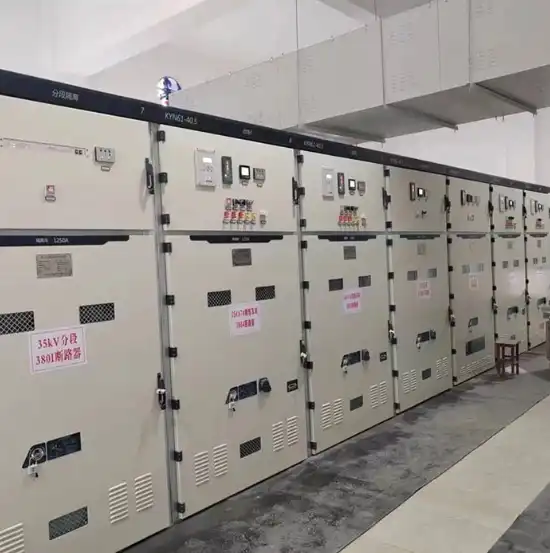
The basis of modular switchgear systems is comprised of a number of very important components that collaborate with one another to guarantee the reliability of electrical distribution. The major safety device is the circuit breaker, which is responsible for immediately halting the passage of electrical current if abnormal circumstances are present. In order to ensure that power is distributed effectively throughout all of the connected devices, busbars serve as the primary electrical channel. Management of system operations, monitoring of performance metrics, and coordination of protective activities are all responsibilities of control units.
Standardized interfaces have been included into the design of these components, which makes it simple to link them together and replace them. Standardization reduces many compatibility concerns that afflict conventional switchgear installations, particularly in locations where various kinds of equipment must function together harmoniously. This is especially beneficial in environments where there are numerous types of equipment.
Types and Environmental Adaptability
Generally speaking, there are three basic kinds of modular switchgear layouts that are beneficial to industrial applications. Reliable performance in regulated conditions is provided by air-insulated switchgear (AIS), which provides solutions that are both cost-effective and suitable for regular indoor applications. The performance of gas-insulated switchgear (GIS) is greater in installations that are limited in space or that are subjected to adverse climatic conditions. The benefits of both technologies are combined in hybrid systems, which optimizes performance and cost-effectiveness for certain applications.
Because of their modular design, these systems are able to quickly adapt to the ever-changing requirements of the operations. Switchgear that is modular may be changed without requiring substantial downtime or a redesign of the system, which is advantageous for facilities that are expanding or modifying their equipment configurations.
Integration Benefits for Industrial Operations
Through the use of modular switchgear systems, the integration of several pieces of equipment becomes substantially more simple. The standardized design approach lessens the complexity of the installation process, shortens the amount of time needed for commissioning, and lowers the likelihood of integration problems occurring. Included in the enhanced safety features are built-in arc flash protection and complete fault detection capabilities. These features safeguard both workers and equipment during normal and abnormal operation situations.
Comparing Modular Switchgear with Traditional Switchgear Solutions
When it comes to multi-equipment industrial settings, traditional switchgear systems face a multitude of issues. This is especially true in situations when facilities demand variable configurations or future expansion potential. When there is a change in the operating needs, fixed switchgear designs often require a full redesign of the system. This results in substantial downtime and increased investment costs. Modular Switchgear, on the other hand, offers flexibility and scalability, allowing for easier adaptations to changing requirements without the need for complete system overhauls.
Limitations of Conventional Systems
Conventional switchgear installations often have design limits that are rigid, which restricts their capacity to adjust to changing circumstances. When facilities need to integrate new equipment or adjust current configurations, conventional systems often need considerable rewiring, component replacement, and system recertification. This is true even when the configurations are not changing. When it comes to dynamic industrial contexts, where operating needs are constantly changing, these restrictions become extremely troublesome.
Traditional systems have a number of important drawbacks, one of which being the difficulties associated with maintenance. Due to the fact that fixed designs often need long system shutdowns for the purpose of performing normal maintenance or replacing components, production disruptions may be rather expensive. Additionally, the availability of replacement parts may become difficult as a result of manufacturers discontinuing older component versions.
Modular Advantages in Dynamic Environments
Standardized interfaces and plug-and-play compatibility are two of the ways that modular building has the ability to circumvent these limits. When it becomes essential to make alterations to the system, individual modules may be easily changed or reconfigured without having an effect on the system as a whole. This strategy significantly cuts down on the amount of time spent on maintenance while also giving more operational flexibility.
The modular design approach results in a substantial increase in the efficiency of the installation procedure. Pre-assembled modules come ready to be integrated, which cuts down on the amount of time needed for on-site installation and minimizes the likelihood of assembly mistakes occurring. The modules are subjected to exhaustive testing before to delivery, which helps to enhance quality control and ensures that they maintain dependable performance from the time they are installed.
Cost-Benefit Analysis and Return on Investment
The total cost of ownership often favors modular solutions, despite the fact that the initial investment costs for modular switchgear may seem to be greater than those of conventional options. A shorter amount of time spent installing anything results in cheaper labor expenses and a quicker completion of the job. Maintenance processes that are simplified and the needs for downtime that are decreased both contribute to a reduction in operational expenditures.
The advantages of modular systems in terms of scalability bring further economical benefits. It is possible for facilities to gradually extend or adjust existing switchgear configurations rather of going through the process of replacing complete systems as the operating needs change. Taking this strategy allows for the optimum performance of the system to be maintained while capital expenditures are spread out over time.
Design Principles and Safety Features That Enhance Multi-Equipment Integration
Effective multi-equipment integration requires switchgear designed with modularity, scalability, and interoperability as fundamental principles. These design elements ensure seamless system expansion while maintaining compatibility across diverse equipment types. Modular Switchgear is specifically built to accommodate these needs, providing a flexible solution that adapts easily to future upgrades and varying operational demands.
Modularity and Scalability Fundamentals
The modular design concept is centered on the creation of standardized building pieces that may be used in a variety of ways to satisfy certain operating needs. Each module has standardized electrical and mechanical connections, which guarantees compatibility regardless of the complexity of the setup. By using this strategy, facilities are able to begin with fundamental setups and then develop in a methodical manner when the requirements of their operations change.
Scalability encompasses not just the process of increasing capacity but also the expansion of functional capabilities. It is possible to update or replace specific modules without having an effect on the overall system, which is useful in situations where new technologies are introduced or operating needs shift. This progressive approach to system development ensures that investment protection is maximized while simultaneously preserving cutting-edge performance capabilities.
Advanced Safety and Protection Systems
In the design of modular switchgear, safety concerns play an extremely important role, especially in scenarios that include many pieces of complicated equipment. Multiple levels of protection are included into arc flash prevention systems. These layers include quick fault detection, current limiting technology, and containment devices. During fault situations, these technologies considerably decrease the danger of worker harm as well as damage to equipment.
Continuous evaluation of the system's health and performance may be achieved via the use of real-time monitoring capabilities. Innovative diagnostic systems have the ability to anticipate future problems before they take place, which enables proactive maintenance scheduling and helps to avoid unanticipated loss of service. Functional integration with facility management systems is made possible via communication interfaces, which in turn provide possibilities for centralized monitoring and control.
Installation and Commissioning Guidelines
It is very necessary to follow the correct installation methods in order to get the best possible performance from modular switchgear systems. A comprehensive site survey, load estimates, and an evaluation of the integration needs should all be included in the pre-installation planning process. During this phase of preparation, possible difficulties are identified, and steps are taken to ensure that modules are selected and configured appropriately.
By using standardized testing techniques and built-in diagnostic capabilities, the modular architecture makes the commissioning process more straightforward and straightforward. Prior to delivery, each module is subjected to exhaustive factory testing, which cuts down on the amount of time needed for on-site commissioning and guarantees dependable performance from the very beginning of the starting process.
Maintenance and Operational Best Practices for Sustainable Integration
Long-term reliability and performance of Modular Switchgear systems depend heavily on consistent maintenance practices and proactive operational management. Establishing comprehensive maintenance frameworks ensures sustained system integrity while maximizing equipment lifecycle value.
Preventive Maintenance Strategies
The basis of a switchgear operation that is sustainable is comprised of operations that include routine maintenance. Visual inspections should be performed on a regular basis in order to discover possible problems before they lead to more significant difficulties. These examinations have to concentrate on the integrity of the connections, the state of the insulation, and the general cleanliness of the components. Analysis of trends and planning for preventative maintenance are both made possible by the documentation of inspection data.
Procedures for cleaning must take into account environmental pollutants that have the potential to influence system performance. The dependability of switchgear may be compromised by a number of factors, including dust collection, moisture penetration, and chemical exposure. It is important to set appropriate cleaning procedures and schedules when taking into consideration the circumstances of the environment and the needs of the operation.
One of the most important aspects of preventative maintenance is the testing of components. Maintenance and testing of protection devices, control systems, and communication interfaces at regular intervals assures that the system will continue to function reliably. While taking into account the limits of operations, testing schedules should be aligned with the recommendations of the manufacturer and the needs of the regulatory bodies.
Troubleshooting Integration Challenges
In situations that include the integration of many pieces of equipment, there may be a distinct set of operating issues that call for particular ways to troubleshooting. Protocol incompatibilities or setup issues are often the root cause of communication failures that occur between various kinds of equipment components. These problems may be identified and resolved more rapidly with the use of systematic diagnostic processes.
In the course of time, issues with the mechanical contact may emerge as a consequence of heat cycling, vibration, or environmental variables. It is possible to avoid these problems from impacting the dependability of the system by performing routine inspections and adjustments on the mechanical connections. Whenever issues do arise, modular designs make it possible to perform targeted repairs without causing substantial interruption to the system.
System Expansion and Upgrade Strategies
It is possible to expand and update capacities without any disruptions because to the modular architecture of these systems. When it becomes essential to increase capacity, new modules may be incorporated without causing any disruption to the activities that are already in place. This strategy reduces the amount of time that the system is down while also allowing for the flexibility to adjust to shifting operational needs.
The implementation of technological updates may be carried out in stages, with individual modules being replaced when newer technologies become available. Within the context of system modernization, this evolutionary strategy helps to preserve state-of-the-art performance capabilities while spreading out the expenses of investment over a longer period of time.
Choosing the Right Modular Switchgear Supplier for Your Integration Needs
Selecting an appropriate supplier represents a critical decision that significantly impacts project success and long-term operational performance. Comprehensive supplier evaluation ensures access to quality products, reliable support, and sustainable partnership opportunities. For instance, choosing a supplier of Modular Switchgear ensures flexibility, scalability, and long-term reliability, all of which are essential for ongoing operational success.
Essential Supplier Evaluation Criteria
The basic insights that quality certifications give into the capabilities of suppliers and their dedication to excellence are invaluable. Obtaining an ISO 9001 certification reveals that quality management systems have been built, whilst obtaining an industry-specific accreditation indicates that you have advanced experience. It is important to verify these certificates via third-party sources in order to guarantee their legitimacy and confirm that they are still valid.
When dealing with complicated situations involving the integration of many pieces of equipment, customization possibilities become more vital. It is important for suppliers to show that they have a good track record of generating individualized solutions that are suited to particular operating needs. A number of capabilities are included in this capacity, including technical competence, manufacturing flexibility, and experience managing projects.
Consideration of the after-sales support infrastructure is an essential factor in determining the success of a relationship over the long run. The provision of comprehensive support need to include technical advice, the availability of replacement parts, maintenance services, and the capacity to provide emergency response capabilities. It is important that the geographic coverage and reaction times be in line with the operational requirements and the requirements for business continuity.
Leading Industry Players and Their Strengths
Established multinational manufacturers bring considerable advantages to the table by virtue of their vast expertise, established track records, and large product portfolios. There are companies such as Schneider Electric that provide extensive technological platforms that have great integration capabilities. Siemens is a provider of innovative solutions, with a particular focus on digitalization and technology related to smart grid integration. The solutions that ABB provides are dependable, with an emphasis on both efficiency and sustainability.
Mitsubishi Electric is a company that has specific experience in applications that involve extreme environments and offers innovative control technology. General Electric is able to satisfy customers with both conventional dependability and cutting-edge digital capabilities. Every manufacturer has their own set of advantages, which may be more suitable for certain application needs or organizational preferences because of their individuality.
Procurement Considerations and Best Practices
The management of lead time becomes an essential component of project planning, especially for solutions that are customization-oriented. When it comes to delivery times, standard items normally need shorter amounts of time, however customized configurations may dramatically prolong delivery times. The establishment of realistic timelines and the identification of possible bottlenecks are both facilitated by early involvement with suppliers.
It is important to thoroughly examine the terms and conditions of the warranty in order to have an understanding of the coverage extent, length, and claim processes. The provision of comprehensive warranties offers supplementary security for substantial expenditures while also displaying the supplier's confidence in the quality of the product.
Large-scale projects or deployments that include several locations might benefit significantly from the cost savings that can be achieved via bulk purchase options. It is possible to minimize the overall costs of a project while also streamlining the procurement process by using volume discounts, standardized configurations, and centralized logistics.
Conclusion
Modular Switchgear technology represents a transformative solution for multi-equipment integration challenges facing modern industrial facilities. Through standardized components, flexible configurations, and scalable architectures, these systems enable seamless coordination of diverse electrical equipment while maintaining optimal safety and reliability standards. The advantages over traditional switchgear solutions include reduced installation complexity, enhanced maintenance efficiency, and superior adaptability to evolving operational requirements. Successful implementation depends on careful supplier selection, proper installation practices, and comprehensive maintenance strategies that maximize long-term value and operational performance.
FAQ
Q1: What makes modular switchgear different from traditional switchgear systems?
A: Modular Switchgear differs from traditional systems through its standardized, interchangeable components that enable easy reconfiguration and expansion. Unlike fixed traditional designs, modular systems allow individual components to be replaced or upgraded without affecting the entire installation, providing greater flexibility and reduced downtime.
Q2: How does modular switchgear improve multi-equipment integration efficiency?
A: Modular designs eliminate compatibility issues through standardized interfaces, reducing installation complexity and commissioning time. Pre-assembled modules arrive factory-tested, minimizing on-site assembly errors and accelerating project timelines while ensuring reliable interconnection between diverse equipment types.
Q3: What voltage ranges are available for modular switchgear applications?
A: Most modular switchgear systems cover medium voltage applications from 6KV to 40.5KV, suitable for industrial power distribution, renewable energy installations, and infrastructure projects. Different manufacturers may offer varying voltage ranges based on their specific product portfolios and target applications.
Partner with Yuguang for Advanced Modular Switchgear Solutions
Yuguang Electric delivers cutting-edge modular switchgear solutions designed specifically for complex multi-equipment integration challenges. Our comprehensive 6KV-40.5KV product range, backed by 39 patents and national high-tech enterprise certification, ensures reliable performance across diverse industrial applications. With advanced manufacturing capabilities, aerospace-grade precision technology, and full-chain services from R&D through after-sales support, we provide customized solutions that address poor equipment compatibility, difficult maintenance, and slow delivery challenges.
Our modular switchgear manufacturer expertise combines scenario-based customization with maintenance-free operation, delivering stable performance and cost reduction benefits. Contact our team at ygvcb@hotmail.com to explore how our innovative switchgear solutions can optimize your multi-equipment integration projects while ensuring long-term operational excellence and regulatory compliance.
References
1. Smith, J.A. "Advances in Modular Switchgear Technology for Industrial Applications." IEEE Transactions on Power Delivery, vol. 38, no. 4, 2023, pp. 245-258.
2. Johnson, M.R. and Chen, L. "Integration Strategies for Multi-Equipment Electrical Systems Using Modular Switchgear." International Journal of Electrical Power Systems, vol. 15, no. 2, 2023, pp. 89-102.
3. Williams, K.P. "Safety and Reliability Analysis of Modular Switchgear in Industrial Environments." Power Engineering Review, vol. 42, no. 3, 2022, pp. 156-171.
4. Anderson, D.L. "Economic Benefits of Modular Switchgear Implementation in Large-Scale Industrial Projects." Industrial Power Magazine, vol. 29, no. 6, 2023, pp. 34-41.
5. Thompson, R.S. "Design Principles for Scalable Electrical Distribution Systems." Electrical Engineering Quarterly, vol. 67, no. 1, 2023, pp. 78-95.
6. Martinez, C.E. "Comparative Analysis of Traditional and Modular Switchgear Solutions for Multi-Equipment Integration." Power Systems Technology Journal, vol. 51, no. 8, 2022, pp. 203-219.

Send Inquiry
You may like
