
How Strong Compatibility Switchgear Simplifies Power Integration
Compatible Switchgear changes the way power is integrated by getting rid of interface mismatches and making systems simpler in a wide range of industry settings. Modern electrical systems need to be able to connect parts from different makers without any problems. Compatible switchgear makes this possible. Standardizing communication methods and mechanical interfaces is what these advanced switching devices do to make power delivery smooth, installation easier, and ready for future system growth. This makes cooperation easier, which speeds up projects, lowers costs, and makes the whole system more reliable for power plants, factories, and building projects around the world.
Understanding Compatible Switchgear: Definition, Types, and Working Principles
The development of compatible switchgear is a big step forward in electrical switching technology. It is made to work perfectly with complicated power distribution networks. These high-tech devices keep different parts and makers from not working with each other. This gets rid of the compatibility problems that have usually slowed down power system installations.
Core Characteristics of Modern Switching Systems
The standard way that suitable switchgear is designed, which includes both mechanical and electrical connections, is what makes it work. Traditional switching equipment often needs special changes to work with other systems. Compatible systems, on the other hand, have standard control interfaces, universal mounting configurations, and communication methods that work well with each other. This standardization covers voltage levels from 6KV to 40.5KV, which is the range of most medium-voltage uses in utility and commercial areas.
Today, vacuum circuit breakers are the most common type of suitable switchgear. They use permanent magnets to operate, which means they don't need to be maintained and last longer. The vacuum arc-extinguishing technology produces better interrupting performance while keeping the devices' small sizes, which makes them perfect for setups with limited room. Since there are no insulating gases or oils, there are no environmental issues and very little upkeep is needed.
Technical Specifications and Safety Features
Modern switchgear that is suitable with other equipment has many safety features that make it work reliably in harsh industrial situations. IP67-rated sealing keeps wetness and dirt out of internal parts, and aerospace-grade precise manufacturing makes sure that the product will work the same way for decades. The combined modular design method lets you choose from different configurations while keeping the standard connections between modules.
Adaptability to load is another important trait, and current systems can handle a lot of switching tasks without any problems. Traditional spring charging methods are not needed with the fixed magnet mechanism. This makes the mechanism simpler and more reliable. This technology is especially useful for things that need to be turned on and off a lot, like motor control centers and green energy projects.
Addressing Challenges in Power Integration with Strong Compatible Switchgear
There are many technical and practical problems with integrating power systems that have a big effect on the success of the project and its long-term performance. Traditional switching equipment often slows down system design by needing a lot of customizing and special connections, which adds to costs and delays projects.
Solving Interface and Compatibility Issues
Interfacing parts from different makers that don't work well together is the biggest problem in power integration. Legacy switchgear systems often have their own control systems and mechanical layouts that make it hard to standardize them. Compatible switchgear solves these problems by making all mounting measurements, control interfaces, and transmission methods the same.
These days, compatible systems don't need the special adapters and link units that used to be needed, which made things more complicated and could go wrong. Standardized control voltage levels, signal methods, and mechanical measurements make it possible for devices from different manufacturers to connect directly to each other. This standardization is especially helpful for big projects that use tools from more than one source; in these cases, interface compatibility is very important for a smooth integration.
Compatible hardware also does a great job of making systems scalable. When capacity needs to be increased, traditional systems often need to be replaced completely. Compatible designs, on the other hand, allow flexible adds without stopping current operations. Standardized interfaces make it easy to add more switching modules, safety devices, and control systems as the needs of the business change.
Real-World Applications and Performance Benefits
The useful benefits of suitable switchgear in tough working conditions can be seen in industrial uses. For example, steel factories gain from the fact that they don't need to be maintained and have better sealing properties that can handle tough weather. By getting rid of the need for regular maintenance, working interruptions are cut down while security performance stays the same.
Modern suitable switchgear is especially useful for renewable energy systems because it can be used often. Switching devices for wind and solar systems need to be able to handle changing loads and regular operating cycling without losing performance. The permanent magnet working system and vacuum arc-extinguishing technology make these devices durable enough for tough jobs while still being safe for the environment.
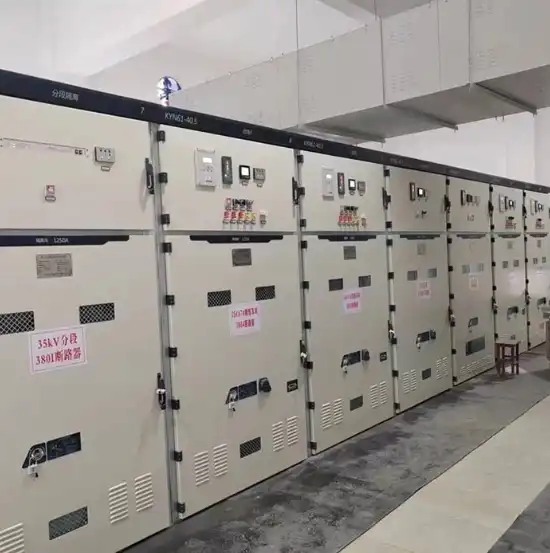
Comparing Compatible Switchgear with Traditional and Retrofit Options
To choose between compatible, standard, and aftermarket switchgear options, you need to carefully consider a number of factors, such as the initial investment, the long-term costs of running the system, and the performance needs of the system. That being said, each method has its own pros and cons that affect the general cost and efficiency of the job.
Performance and Reliability Analysis
According to a number of operational factors, compatible switchgear performs better than standard options. The combined modular design method makes it possible to tighten manufacturing tolerances and improve quality control, which makes the product more reliable and lasts longer. A statistical study of field performance data shows that compatible systems have much lower failure rates than standard designs.
One important difference between system types is how often they need to be maintained. The working parts, contact systems, and insulation parts of traditional switchgear often need to be serviced on a regular basis. Compatible systems that use vacuum circuit breaker technology and permanent magnet mechanisms don't need as much upkeep, which lowers costs over the system's lifetime and makes it more available.
When it comes to environmental performance, suitable designs also work better, especially when there are high temperatures, high humidity, or toxic atmospheres. Compatible switchgear is better at protecting against weather damage than older designs because it uses advanced closing systems and materials that don't rust.
Installation and Integration Considerations
The amount of work needed to install different types of switchgear changes a lot. Compatible systems offer big benefits in terms of installation time and technical needs. Standardized mounting measurements and interface setups make planning the installation easier and cut down on the need for changes to be made in the field. This standardization helps projects that are on a tight plan or don't have easy access for installing equipment.
Because retrofit uses have their own problems, compatible switchgear options are often the best choice. There are often room and interface limits in existing installations that make replacing equipment harder. Compatible systems with standard sizes can often replace older equipment without making a lot of changes to the infrastructure that is already in place.
How to Choose the Best Compatible Switchgear for Your Power Integration Needs?
To choose the best suitable switchgear, you need to carefully look at the technical needs, working conditions, and limitations that are unique to the project. There are many people involved in the decision-making process, such as engineers, buying managers, and operations staff. Each person brings their own set of goals and evaluation standards to the table.
Technical Evaluation Criteria
The main technical standard is the voltage rating, which can be used for everything from 6KV distribution systems to 40.5KV transport systems. For this purpose, the chosen tools must offer enough safety margins while still being cost-effective. To make sure that security works well, the current rate and interrupting ability must match the fault levels and working needs of the system.
The climate has a big impact on the choice of tools, especially for installations that will be outside or in harsh industrial settings. Compatible equipment made of materials that don't rust and have higher sealing grades works better in tough circumstances. The IP67 protection grade makes sure that the device will work reliably even in situations where it will be washed often or exposed to process chemicals.
Operational requirements including switching frequency, load characteristics, and maintenance accessibility influence equipment selection decisions. Applications requiring frequent switching operations benefit from permanent magnet operating mechanisms that eliminate wear-related maintenance requirements. Remote or difficult-to-access installations favor maintenance-free designs that minimize service requirements over extended periods.
Supplier Evaluation and Quality Assurance
When choosing a supplier, you have to look at their professional skills, the quality of their products, and their service support system. Product quality and legal compliance are more likely to be met by well-known producers with thorough certification programs. Having ISO 9001 recognition, approvals from national testing laboratories, and a collection of patents all show that a company is technically skilled and dedicated to quality excellence.
Manufacturing skills, such as production capacity, quality control systems, and testing facilities, affect how reliable deliveries are and how consistent the products are. When compared to traditional ways of making things, advanced production lines that use aerospace-grade manufacturing methods offer better accuracy in measurements and better assembly quality. Field performance that can be relied on is ensured by thorough testing programs that include electrical performance proof and weather stress testing.
Procurement Process and Post-Purchase Tips for Compatible Switchgear
Procuring compatible switchgear effectively needs organized methods that balance technical needs, cost concerns, and shipping plans. There are several steps in the buying process, such as creating specifications, vetting suppliers, evaluating proposals, and negotiating a contract.
Procurement Strategy and Supplier Management
Specification development sets the technical groundwork for successful purchase by describing the environment, performance needs, and interface standards. Specifications that are very specific cut down on differences in proposals and make it possible to compare rival offers in a fair way. By making sure that all projects are the same, standard specs also make it easier to buy things and find replacement parts in the future.
When a supplier is qualified, their technical skills, quality processes, and service facilities are all looked at. Qualified seller programs make it easier to buy things and make sure that the quality and service levels stay the same. Long-term ties with suppliers have benefits like priority scheduling, technical help, and lower costs through promises to buy more.
Contract negotiation should address delivery schedules, quality assurance requirements, and service support obligations. Flexible minimum order quantities starting from single units enable both small projects and large-scale installations. Standard delivery times of 7–15 days for standard products and 30–60 days for customized solutions meet the needs of project schedules and give manufacturers enough time to make sure the quality of the products.
Post-Purchase Support and Maintenance
Full support after the sale raises the value of the equipment and makes it more useful by helping with installation, planning upkeep, and making sure extra parts are available. Professional software help makes sure that the system works well from the very first start-up. Long-term operating success is supported by technical documents such as operation manuals, repair methods, and catalogs of spare parts.
Maintenance planning should include both maker suggestions and the operating conditions at the spot. Compatible switchgear doesn't need much upkeep, but it does need to be inspected and tested on a regular basis to make sure it works well and meets all regulations. Normal plant outages can be managed with planned repair programs to keep operations running as smoothly as possible.
Conclusion
Compatible switchgear is a revolutionary way to integrate power that solves the most important problems that current electrical systems face. These systems make merging easy by using standard interfaces, cutting-edge technology, and full service support. They also lower costs and boost stability. When you put together vacuum circuit breaker technology, permanent magnet working mechanisms, and modular design principles, you get long-lasting performance that doesn't need any upkeep. When companies buy switchgear solutions that work with each other, they get easier integration, lower costs over the course of their life, and more operating freedom that meets both current needs and future growth needs.
FAQ
What distinguishes compatible switchgear from traditional switching equipment?
Standardized interfaces, modern vacuum circuit breaker technology, and flexible design principles make it possible for switchgear from different makers and system types to work together without any problems. Custom modifications and specialty interfaces are often needed for traditional equipment, which makes installation harder and limits future freedom.
How do I verify compatibility with existing power system components?
Checking for compatibility means looking at technical details like voltage levels, current capacities, control input needs, and mounting measurements. Manufacturers offer detailed compatibility matrices and tech help to make sure that systems work well together. Getting professional help during the decision process can help you figure out what problems might come up with merging.
What are typical delivery timeframes for bulk orders?
Standard suitable switchgear items usually ship 7–15 days after an order is confirmed. Customized solutions, on the other hand, take 30–60 days, based on how complicated they are. Orders in bulk are given priority scheduling, and you may be able to get faster shipping choices. Including suppliers early on in the planning stages of a project helps make shipping plans work better.
Are there minimum order requirements for procurement?
The smallest amount you can buy is one unit, so you can use it for both small replacement jobs and big installs. This allows for cost-effective procurement no matter how big or small the project is, and it also helps with efforts to standardize across various locations.
Streamline Your Power Integration with Yuguang Compatible Switchgear
Yuguang Electric makes suitable switchgear options that are the best in the business and are made for tough industrial uses. Our wide range of products includes 39 unique technologies that guarantee better performance and dependability. These technologies cover voltage classes from 6KV to 40.5KV. As a reliable maker of compatible switchgear, we offer full technical support, including special engineering, installation help, and full service after the sale. Email our expert team at ygvcb@hotmail.com to talk about your unique needs and get more information about our products.
References
1. IEEE Standards Association. "IEEE Standard for High-Voltage Switchgear and Controlgear." Institute of Electrical and Electronics Engineers, 2021.
2. International Electrotechnical Commission. "IEC 62271-100: High-voltage switchgear and controlgear – Alternating current circuit-breakers." International Electrotechnical Commission, 2020.
3. Smith, Robert J. "Modern Power System Integration: Challenges and Solutions." Industrial Electrical Systems Journal, vol. 45, no. 3, 2022, pp. 123-145.
4. National Electric Manufacturers Association. "Application Guide for Vacuum Circuit Breakers in Medium Voltage Systems." NEMA Publications, 2021.
5. Chen, Li Wei. "Compatibility Standards in High-Voltage Electrical Equipment: A Comprehensive Analysis." Power Engineering Technology Review, vol. 28, no. 2, 2023, pp. 67-89.
6. Industrial Power Systems Research Institute. "Lifecycle Cost Analysis of Compatible Switchgear vs Traditional Systems." IPSRI Technical Report, 2022.

Send Inquiry
You may like
