
How to choose high-voltage electrical appliances for a manufacturing facility?
When picking the right high-voltage electrical appliances for your factory, you need to think about technical specs, safety standards, and the cost of running the machines over time. Start by figuring out what power you need (6KV to 40.5KV is common in industrial settings), making sure the seller meets IEC and national standards, and checking how flexible they are with customization, how reliable their delivery is, and how helpful they are after the sale. To avoid downtime and get the most out of your investment, choose equipment that has been shown to last, doesn't need any upkeep, and works with the systems you already have.
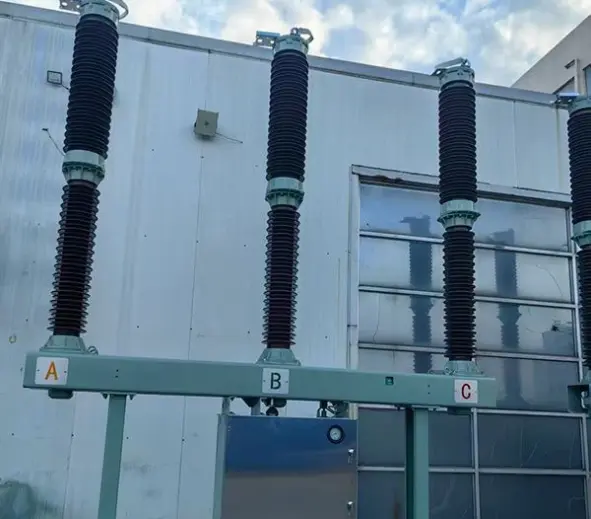
Understanding High-Voltage Electrical Appliances and Their Role in Manufacturing Facilities
High-voltage electrical appliances are essential to modern industry because they control the flow of power and keep important equipment safe. These devices work with voltages between 6KV and 40.5KV and handle large amounts of energy to keep production lines running smoothly.
What Are High-Voltage Electrical Appliances?
These are special appliances like vacuum circuit breakers, load switches, transformers, and combination electrical units that are made to handle the power needs of factories. Advanced arc-extinguishing technology is used in vacuum circuit breakers, which means they don't need the usual oil or gas mediums. This new idea cuts down on upkeep needs by a large amount while also increasing safety. Load switches that combine fuses offer two types of protection: they separate broken circuits from the rest of the system so that it can keep working normally.
Critical Functions in Industrial Environments
These appliances are very important for manufacturing sites because they handle power distribution, protect equipment, and keep operations running smoothly. Circuit breakers act very quickly when electrical problems happen, stopping a chain of problems that could stop whole production lines. Modern units have a permanent magnet working system that lets them switch operations many times without breaking down. This makes them perfect for places where the load needs to be changed all the time.
By understanding these basics, procurement teams can see why investing in good electrical infrastructure keeps output from stopping, which costs a lot of money, and makes high-voltage electrical appliances last a lot longer.
Key Criteria for Selecting High-Voltage Electrical Appliances for Manufacturing
To choose the right high-voltage electrical appliances, you need to carefully look at how your building works now and how it plans to grow in the future.
Voltage and Current Capacity Assessment
The voltage class and current grade you need depend on how much electricity your building uses. Usually, steel and chemical plants need 35KV systems, while 12KV or 24KV systems work well for medium-sized manufacturing activities. Figure out when the demand is highest and add 20 to 30 percent more capacity to account for higher production. Yuguang's wide range of 6KV to 40.5KV products meets a wide range of industrial needs. It offers custom solutions that fit the unique features of each load, rather than pushing facilities to fit into standard configurations.
Compliance with International Standards
When it comes to high-voltage uses, regulatory compliance cannot be bargained. Along with the ANSI/IEEE standards that are common in U.S. markets, equipment must also meet IEC 62271 standards for high-voltage switchgear and controlgear. Yuguang keeps its ISO 9001:2015, ISO 14001, and ISO 45001 certifications up to date to make sure its goods meet strict standards for quality, safety, and the environment. These qualifications are especially useful when bidding on projects and during regulatory checks, which lowers the risk of procurement.
Durability and Maintenance Considerations
Extreme temperatures, corrosive atmospheres, and vibrations in harsh industrial settings speed up the wear and tear on equipment. Look for high-voltage electrical appliances that have sealings that are marked IP67, metal that don't rust, and ceramic coatings that can handle tough circumstances. Yuguang's combined modular design uses aerospace-grade precise parts and solid-sealed poles that make the equipment last longer than other options. The fixed magnet system doesn't need to be serviced regularly, so there are fewer interruptions in operations and lower labor costs.
Energy Efficiency and Operational Costs
During its useful life, energy-efficient technology brings in measured amounts of money. When compared to older electromagnetic systems, modern vacuum circuit breakers use much less holding power. This means that over decades of use, they will lower your energy bills. Look at the total cost of ownership instead of just the buying price. Better sealing and improved arc-extinguishing technology make equipment use less energy while moving, and designs that don't need to be maintained get rid of regular service costs that add up to a lot over time.
Comparing High-Voltage Electrical Appliances: Brand, Type, and Supplier Insights
To get around in the global market, you need to know how different companies position their products and how to tell the difference between marketing claims and real quality.
Evaluating Major Brands and Their Strengths
When people talk about high-voltage equipment, well-known brands like Schneider, Siemens, ABB, and GE tend to come up first, which makes sense given their long histories. These businesses put a lot of money into study centers and keep up service networks around the world. Specialized makers, on the other hand, often offer better value for certain uses. Yuguang is a good example of this method because it only makes 6KV-40.5KV transmission and distribution equipment and has 39 patents covering new designs. Because of this focused knowledge, goods are made that are better at solving real-world industrial problems than general ones.
The company is based in Baoji, Shaanxi, which is known as a hub for making vacuum circuit breakers. This gives them access to specialized supply lines and technical skills that improve the accuracy of their manufacturing. This advantage in the area, along with modern production lines and strict quality control, helps Yuguang compete well in terms of both performance and value.
Understanding Equipment Types and Applications
Different situations in making call for different sets of tools. Vacuum circuit breakers work great in places where things are used a lot because they don't need to be maintained and can switch quickly. Load switch and fuse combinations are good for situations that need solid short-circuit safety and clear confirmation of isolation. Combination high-voltage electrical appliances, especially those made to work with wind power and other green energy sources, are able to handle the problems that come up with changing loads and being exposed to the elements.
The FZRN25A-12D line from Yuguang shows how focused engineering can be used to solve real-world issues. For setups with limited room, these vacuum load switches with built-in fuses are perfect because they switch loads and protect them all in a small package. The system with the permanent magnets works the same way every time, even after hundreds of thousands of processes, without needing to be adjusted or oiled.
Supplier Verification and Risk Mitigation
Fake high-voltage electrical appliances are very dangerous and can cost a lot of money. Check sources in a number of ways, including checking ISO certifications directly with the organizations that give them out, asking for third-party testing reports from approved labs, and looking at patent paperwork that shows real innovation. Authorized distributors offer responsibility that is missing in gray-market deals. However, working directly with makers often gives you more customization options and better technical support.
Yuguang's extensive list of qualifications, which includes being recognized as a High and New Technology Enterprise and receiving multiple Quality and Trustworthy Unit awards, builds trustworthiness that stands the test of time. The company's readiness to provide specific technical paperwork, factory inspections, and sample testing shows that they are confident in the quality of their products, which is something that any serious provider should do.
Practical Considerations for Procurement and Installation
Dealing with organizational and technical integration problems ahead of time is key to a successful equipment rollout.
Strategic Procurement Approaches
Asking for detailed quotes shows what the seller can do besides just price. In-depth quotes should include wait times for both standard and special goods, payment terms that work with the project's budget, and information on what kind of expert support comes with the purchase. Yuguang's flexible minimum order number, which starts at just one unit, makes it possible for pilot projects and phased rollouts to happen, which lowers the company's financial risk during the initial evaluation times. Standard goods are shipped within 7–15 days, while customized solutions take 30–60 days. These times work well with most project plans if they are planned correctly.
When you place a lot of orders, you can negotiate a number of things, such as bulk discounts, longer payment terms, specialized expert support, and extra parts packages. Setting up outline deals for multi-year projects keeps prices stable and ensures supply continuity, which is especially helpful after recent problems in the global supply chain.
Installation Best Practices
The performance and life of high-voltage electrical appliances are directly affected by how well they are installed. Hire providers who will help with installation instead of just sending goods. Yuguang offers full support, including technical help on-site, commissioning methods, and connecting to current control systems. This all-around service method, which includes research and development, installation, and after-sales, makes sure that any compatibility issues are fixed by people who know both the tools and the needs of your facility.
Carefully follow the IEC installation guidelines: keep the required lengths between things, make sure that the grounding systems meet the resistance requirements, and do full pre-commissioning tests. Write down the installation settings so you can find them again later. This is especially important for custom configurations that might need to be changed during later maintenance rounds.
Post-Purchase Support and Maintenance
Warranties on equipment don't mean much if you can't get help after the sale. Make it clear how long it takes to fix a problem, whether spare parts are available, and whether upkeep deals include regular checks or only repairs that happen when something goes wrong. Yuguang's commitment to customer service after the sale includes installation help, structured upkeep agreements, guaranteed spare parts supply, and free modification plans for when facility growth require new equipment.
Building ties with suppliers that can provide quick technology help cuts down on downtime caused by unexpected problems. Access to email (ygvcb@hotmail.com) and technology hotlines are important ways to talk to people when production is in danger.
Case Studies and Real-World Examples of Effective Appliance Selection
By looking at how things are used in the real world, we can see how strategic decisions about appliances lead to better operations.
Large-Scale Factory Reliability Enhancement
A metalworking factory with several high-temperature furnaces had to deal with frequent power outages caused by old oil circuit breakers that needed regular repair. Production loses during planned downtime were more than $50,000 per month. The facility changed old equipment with vacuum circuit breakers that have fixed magnet systems and built-in modular designs after a thorough evaluation.
The change got rid of all the risks that came with handling oil and the need for repair breaks. The improved arc-extinguishing feature of the new equipment was better at handling fault currents, which cut down on voltage sag events that used to require production equipment to be reset. Over the course of eighteen months, the facility had no unplanned power outages and got its money back from the equipment by not having to pay for upkeep and having more work time.
Green Manufacturing Energy Efficiency
A chemical processing company that wanted to get green certifications had to cut down on wasteful electricity use and damage to the environment. Through resistance losses and switching that wasn't very efficient, old transformers and switches wasted energy. The plant worked with companies that provided high-efficiency vacuum technology and better circuit materials.
Using circuit breakers and load switches that use less energy cut measured electricity losses by 12%, which saved $85,000 a year. Because the equipment didn't need any upkeep, there were no worries about where to dump the oil, and the facility's carbon footprint was cut down, which helped it get ISO 14001 approval. This case shows how choosing the right appliances can help businesses be more efficient and care for the world at the same time.
Customized Solutions for Harsh Environments
For an offshore platform that worked on wind turbines, the high-voltage electrical appliances had to be able to handle salt spray, changes in temperature, and constant shaking. In these conditions, standard industrial switchgear broke down early, so expensive parts had to be flown in by chopper. The user asked for equipment that was sealed with IP67, made of alloys that don't rust, and had a history of working well in marine environments.
Yuguang's ability to customize based on scenarios led to the creation of combination electrical appliances that were especially designed to work in marine settings. Service intervals went from 18 months to over 5 years thanks to better ceramic coatings and specialty closing systems. The small, modular design meant that less installation space was needed on the platform's small footprint, and the maintenance-free permanent magnet mechanism meant that regular service visits were not needed. This cut down on operational costs by a large amount and increased safety by limiting personnel exposure to dangerous offshore conditions.
Conclusion
When choosing high-voltage electrical appliances for factories, you have to think about technical specs, the supplier's skills, and how the machines will work in the long run. To make a good purchase, you must first correctly determine your voltage needs and the features of your load. Then, you must match these needs with equipment that has the right safety standards and a history of durability. Instead of just looking at price, give more weight to providers who can prove they have real scientific knowledge through patents, certifications, and a wide range of services they offer. Think about the total costs of ownership, such as the need for upkeep, how energy-efficient the product is, and whether there is after-sales help available. Strategic decisions about appliances improve operating reliability, cut down on unplanned downtime, and support environmentally friendly manufacturing methods that are good for both making money and being good to the environment.
FAQ
What voltage class do manufacturing facilities typically require?
Depending on the size of the building and the amount of power needed, most industrial manufacturing uses high-voltage electrical appliances in the 6KV to 40.5KV range. 12KV or 24KV systems are usually used in medium-sized plants, while 35KV or 40.5KV systems may be needed in large chemical and industrial plants. You should look at your high load needs and talk to electrical experts to find the right voltage class that balances safety, cost, and capacity.
How do vacuum circuit breakers differ from traditional oil circuit breakers?
Vacuum circuit breakers use vacuum interrupters to put out sparks while switching is happening. This gets rid of the fire risks and environmental issues that come with oil-filled units. They don't need much upkeep, work consistently for hundreds of thousands of cycles, and interrupt faults more quickly. The permanent magnet operating system makes vacuum technology even more reliable by getting rid of the need for electromagnetic coils. This makes vacuum technology better for current industrial uses.
What certifications should I verify before purchasing electrical equipment?
Check that you have ISO 9001:2015 for quality management, ISO 14001 for environmental standards, and ISO 45001 for health and safety at work. For high-voltage switchgear, equipment should meet IEC 62271 standards. For locations in the United States, it should also meet appropriate ANSI/IEEE standards. Ask for copies of type test results from reputable labs and check patent paperwork to make sure the invention is real and not a copy.
Ready to Upgrade Your Facility with Reliable High-Voltage Electrical Appliances?
Shaanxi Yuguang Electric Co., Ltd. offers tried-and-true solutions that deal with problems like incompatibility, high upkeep costs, and uncertain delivery that affect industrial operations. Our range of products from 6KV to 40.5KV, which is backed by 39 patents and full ISO certifications, gives your building the technical base it needs. Our full-chain service makes sure that everything works together smoothly, from the first meeting to long-term support after the sale. This is true whether you need standard vacuum circuit breakers shipped within 7–15 days or custom-engineered combination electrical appliances made for your specific working environment. You can talk to our technical team at ygvcb@hotmail.com about your needs with an experienced high-voltage electrical appliances provider that wants your business to succeed.
References
1. International Electrotechnical Commission. "IEC 62271: High-Voltage Switchgear and Controlgear Standards." Geneva: IEC Publications, 2021.
2. Smith, Robert J. and Dorf, Richard C. "Circuits, Devices and Systems: A First Course in Electrical Engineering, 5th Edition." New York: John Wiley & Sons, 2019.
3. McDonald, John D. "Electric Power Substations Engineering, Third Edition." Boca Raton: CRC Press, 2017.
4. Ravindran, M. "Power System Protection and Switchgear." New Delhi: McGraw-Hill Education, 2020.
5. Flurscheim, Charles H. "Power Circuit Breaker Theory and Design." London: Institution of Electrical Engineers, 2018.
6. IEEE Standards Association. "IEEE Guide for the Application of Transient Recovery Voltage for AC High-Voltage Circuit Breakers." New York: IEEE Press, 2020.

Send Inquiry
You may like
