
How to fix overcurrent protection error?
Overcurrent protection mistakes usually happen when an overcurrent protective device trips because of too much current flow, bad wiring, an old device, or bad tuning. The solution is to carefully check to see if the problem is caused by actual overcurrent or a broken device. If it is, the right steps need to be taken to fix it, like resetting the protection system, replacing broken parts, or recalibrating settings to match load requirements and make sure the device works reliably.
Understanding Overcurrent Protective Devices and Their Errors
Overcurrent protective devices are the most important part of electrical safety systems in factories, power plants, and other important buildings. When current levels get too high, these devices instantly cut off electrical circuits. This keeps equipment from getting damaged, avoids fire risks, and stops system failures that could cost companies millions in fixes and downtime.
Types and Operational Principles
Different types of safety methods are used in modern electrical systems, and each one is made for a specific job and set of conditions. Circuit breakers use electromagnetic or thermal processes to find situations with too much current. They then physically separate contacts to stop the flow of current. Because these devices can be restarted after tripping, they are perfect for uses that need to be used often and have easy access for upkeep.
When an excessive amount of current flows through a metal part, it melts and releases the fuse. Fuse need to be replaced after every use, even though they protect well and are cost-effective in many situations. Thermal overload relays keep an eye on the current levels over time and trip when there is a risk of prolonged overcurrent damage to linked equipment, especially motors and transformers in industrial settings.
Power capacitors that protect against overvoltage are specialized parts that are often found in systems that balance reactive power. When used in high-voltage situations, where switching transients and harmonic distortion make safety needs more complicated, these parts face special problems.
Common Causes of Protection Errors
Protection system breakdowns are usually caused by a number of interconnected factors that people who buy things need to know about when they are choosing tools. When wiring breaks down, especially in tough industrial settings, resistance changes that impact how current flows and how sensitive the safety is. Extremes in temperature, humidity, and vibrations in the environment can change the measurements and mechanical parts of a device over a long length of time.
Another big problem is that devices are getting old, which is especially important in places where equipment is getting close to or past its planned life. Over time, contact wear, insulation degradation, and calibration shift make security less accurate and reliable. Protection systems often stop working when they're needed the most because of poor care procedures that speed up these age effects.
Systematic Troubleshooting of Overcurrent Protection Errors
Troubleshooting works best when maintenance teams have the right monitoring tools and methods to quickly tell the difference between real overcurrent situations and problems with the safety system. Digital multimeters, clamp-on current meters, and insulation resistance testers are all important tools for measuring things that are needed for a full system review.
Diagnostic Framework and Tools
Professional diagnostic methods begin with a visual check of all the safety devices, wiring links, and equipment that goes with them, including the overcurrent protective device. System problems are often easy to spot right away, like when links are loose, the computer is hot, or there is physical damage. Thermal imaging cameras can find hot spots that mean there is too much resistance or a failure is about to happen before the security system trips.
Techniques for measuring current help make sure that real load currents match predicted values and stay within the limits of the device. By comparing readings taken at different points in the electrical system, you can find exact places where problems are happening. Insulation testing shows that the wire is getting worse, which could lead to ground faults or short circuits that set off safety devices.
Load analysis is especially important in industrial settings where adding new equipment or changing how things are run may have raised present needs above what was originally planned. Knowing the features of the load helps you figure out if the safety settings need to be changed or if you need to buy new equipment.
Resolution Principles and Case Studies
For settlement to work, correction methods must be used methodically based on diagnostic results. Simple restarts may fix short-term issues, but tripping over and over again means there are deeper problems that need more thorough answers. When devices have moved away from their original settings because of age or the environment, recalibration processes bring them back to the right level of safety.
When diagnostic testing shows that safety devices have failed or system components are broken, they need to be replaced. When choosing the right alternative devices, you need to carefully think about their voltage levels, current capacities, interrupting abilities, and how well they work in different environments.
A steel factory had safety trips in their main distribution system that happened over and over again during busy production times. An investigation showed that the growth of the building had raised the load currents above what the original protection devices could handle. By switching to bigger circuit breakers with the right time-current properties, the annoying trips stopped happening while still providing the necessary safety levels.
Choosing the Right Overcurrent Protective Device to Prevent Future Errors
Device choice has a big effect on how reliable a system is, how much upkeep it needs, and how much it costs to run in the long run. When buying teams know exactly what an application needs, they can choose devices that offer the best protection while reducing the number of false trips and repair calls.
Selection Criteria and Application Considerations
When choosing protection systems, the main thing to think about is the load factors. Motor starting currents, transformer inrush currents, and capacitor switching transients all cause short-term overcurrent situations that safety systems have to handle without stopping the flow of electricity for no reason. Time-current coordination makes sure that safety devices work in the right order, so devices further up the chain can fix problems while keeping circuits that aren't touched running.
Environmental factors affect the choice of gadget for certain installation sites, including the overcurrent protective device. For placements outside, the shelters need to be weatherproof and have temperature compensation features. When devices are used in industrial settings that have chemical contact, shaking, or electromagnetic interference, they need to be specially designed to keep working reliably even when conditions are tough.
The voltage values must be higher than the system's working voltages by a safe amount, and the interrupting capacity must be high enough to safely clear the highest fault currents. These factors have a direct effect on the price, size, and fitting needs of the device. For this reason, it is important to do a thorough system analysis before making any purchasing choices.
Comparative Analysis and Brand Considerations
Big names in the industry, like Siemens, Schneider Electric, ABB, and General Electric, make a wide range of safety devices with different features and functions. Siemens devices work great in industrial settings because they are built to last and can be customized in a lot of ways. Schneider Electric makes new digital security technologies and high-tech communication tools for modern control systems.
ABB is an expert in high-voltage uses that have been tested and shown to work reliably in heavy industry and utility settings. Their gadgets often have better interrupting features and longer repair windows. General Electric works on making solutions that are both cheap and universally useful for a wide range of business and light industry uses.
Customization choices are important for specialized programs that need to work in a certain way or connect to other systems. A lot of makers offer engineering support to help customers come up with custom solutions that meet their exact technical needs while still keeping the standard level of product reliability and support infrastructure.
Procurement Guide: Buying Overcurrent Protective Devices for B2B
Strategic methods to buying help businesses get reliable safety gear while lowering costs and building long-term relationships with suppliers. Making better buying choices means knowing how the market works, what the seller can do, and how much the whole thing will cost.
Supplier Evaluation and Sourcing Strategies
Suppliers you can trust show that they have the right technical knowledge, quality certifications, and a wide range of support services. IEC compliance makes sure that goods meet foreign safety and performance standards, while ISO 9001 certification shows that quality control systems are in place. Experience that a supplier has in certain businesses or uses can tell you a lot about how well a product will work and what problems might come up during implementation.
Location affects shipping times, the availability of local help, and the ease of getting spare parts. When you need emergency substitutes or technical help, suppliers with area service centers can get to you faster. This is especially important for mission-critical uses where long-term downtime poses major risks to safety or operations.
Financial security and long-term success guarantee that spare parts and product support will be available for as long as the equipment is in use. Looking at a supplier's financial health, place in the market, and investment in research and development can help you figure out if they will be able to keep supporting investments in safety systems.
Price Factors and Value Optimization
The initial cost of buying overcurrent protective devices is only one part of the total cost of owning them. The cost of extra parts, the amount of maintenance that needs to be done, and the expected service life all have a big effect on long-term economics. Devices that cost more at first often end up being more valuable because they need less upkeep and last longer.
Opportunities to buy in bulk can help big facilities or groups with multiple locations save a lot of money. There are a lot of suppliers that give discounts and special prices for large orders. Coordinating purchases across multiple projects or sites gives you the most buying power and negotiating power.
Technical help and teaching services are useful in addition to just supplying products, and this is especially true for components like the overcurrent protective device. Suppliers who offer installation advice, operational support, and user training help make sure that the system is set up correctly and works well for a long time. Most of the time, these services are worth more than small price changes between sellers.
Preventing Future Overcurrent Protection Errors: Best Practices and Innovations
Companies can find possible problems before they become system breakdowns or safety risks by using proactive maintenance strategies and new technologies. Comprehensive prevention programs cut down on unexpected downtime, increase the life of tools, and make the system more reliable as a whole.
Routine Maintenance Protocols
Regular testing programs check that the safety device is working and that the setting is correct. Every year, testing usually includes checking the accuracy, measuring the contact resistance, and making sure the trip time is correct using precise test tools. These steps find slow decline before it hurts the system's performance.
Maintenance that is done before something goes wrong includes more than just protecting devices. It also includes things like current transformers, control wires, and communication systems. Even if the main devices are still working, loose connections, wire wear, and contact corrosion can stop the safety system from working.
Documentation systems keep records of test results, maintenance tasks, and the past of tools so that trends or problems that keep happening can be found. This information helps figure out how often to do upkeep and what equipment needs to be replaced or upgraded. Digital repair management systems can handle schedules and offer analysis tools for finding trends.
Advanced Technologies and Innovation Trends
Smart security devices have digital contact features that let tracking and diagnostics be done from afar. These gadgets can send state information, danger conditions, and data about how they're working to central control systems in real time. Maintenance teams can fix problems before they cause the system to fail by finding strange situations early on.
When security devices are connected to larger building management systems through the Internet of Things, predictive maintenance algorithms and automatic reaction processes can be used. Machine learning programs can pick up on small changes in how a device works that mean problems are getting worse and need to be fixed.
Remote tracking is especially useful for sites that are far away or in dangerous places where it would be hard or dangerous to do a check by hand. Continuous tracking lets you know right away if there are problems with the protection system, so you can act quickly to keep the system safe and secure.
Conclusion
To fix overcurrent protection errors correctly, you need to use organized ways to diagnose the problem, pick the right devices, and plan ahead for maintenance. The overcurrent protective device itself must be carefully selected to match the application's requirements. Procurement pros and repair teams can put in place complete safety solutions by learning about the different types of devices, how they work, and the most common ways they break. Strategic partnerships with suppliers, quality-focused purchasing, and new digital technologies all help make security systems that keep important electrical equipment safe while reducing downtime and upkeep costs.
FAQ
How often should overcurrent protective devices be tested?
Overcurrent protective devices require annual testing for most industrial applications, though critical systems may need semi-annual or quarterly testing. Testing frequency depends on environmental conditions, device age, and system criticality. Harsh environments or high-vibration applications typically require more frequent inspection and testing intervals.
Can adjustable overcurrent devices be used in different applications?
Adjustable devices offer flexibility for various applications by allowing trip settings to match specific load requirements. But proper coordination studies must be done to make sure that settings that can be changed keep the right amount of protection while not interfering with other system security devices.
What immediate steps should be taken when protection devices trip unexpectedly?
As an immediate reaction, you should check that the system is safe, figure out which device was used, and look for clear problems like broken equipment or strange conditions. Do not restart devices right away without first figuring out why they are acting up. Doing so could put people in danger or damage the equipment if a fault is actually present.
Partner with Yuguang for Reliable Overcurrent Protection Solutions
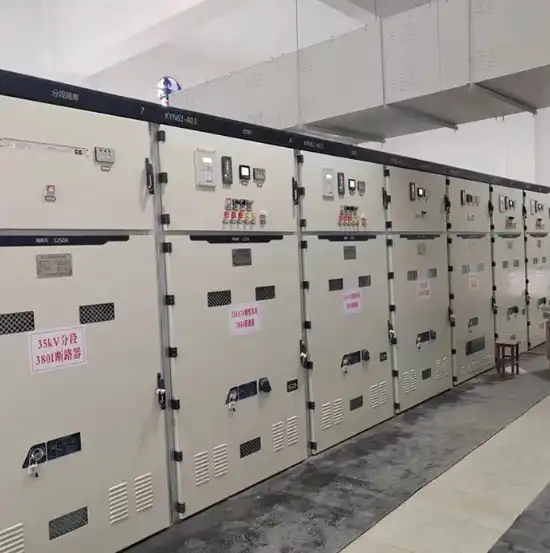
Yuguang Electric delivers comprehensive overcurrent protective device solutions backed by advanced production skills, deep R&D knowledge, and years of successful experience in the field. Our ISO 9001:2015-certified factory makes high-quality safety equipment for power lines from 6KV to 40.5KV. We are committed to innovation, as shown by our 39 patents. As a reliable provider of overcurrent protective devices, we offer unique solutions, expert technical support, and dependable service after the sale to meet the needs of a wide range of industries. Get in touch with our engineering team at ygvcb@hotmail.com to learn more about how our protection devices can make your electricity system safer and more reliable.
References
1. IEEE Standards Association. "IEEE Standard for Electric Power System Device Function Numbers, Acronyms, and Contact Designations." C37.2-2022 IEEE Std.
2. International Commission for Electrotechnical Standards. "Low-voltage switchgear and controlgear assemblies - Part 1: General rules." IEC 61439-1:20
3. The National Electrical Manufacturers Association is a group. "Application Guide for AC High-Voltage Circuit Breakers Rated on a Symmetrical Current Basis." SG 4-2020, NEMA.
4. There is J. Lewis Blackburn and Thomas J. Domin. "Protective Relaying: Principles and Applications, Fourth Edition." The CRC Press, 2014.
5. Anderson and Paul M. In 1999, the IEEE Press published a book called "Power System Protection."
6. Stan H. Horowitz and Arun G. Phadke. 2014: "Power System Relaying, Fourth Edition." John Wiley & Sons.

Send Inquiry
You may like
