
How to prevent circuit breaker overload?
To keep circuit breakers from overloading, you need to use thorough load management strategies, choose overload breaker systems with the right ratings, and set up regular monitoring routines. The best method includes accurate load estimates, planned preventative maintenance, and advanced safety technologies that shut down circuits automatically before they become dangerous. Combined with high-quality circuit protection equipment, smart monitoring systems help modern industrial facilities stay safe by making sure electrical systems work within safe limits. This keeps operations going and stops expensive equipment damage or safety risks.
Understanding Circuit Breaker Overload
When electrical current goes over the protective devices' set limits, this is called circuit breaker overload. It creates dangerous situations that can cause equipment failure, fire risks, and shutdowns of operations. Professionals in procurement and engineering need to understand this behavior in order to protect industrial processes and keep power distribution systems running smoothly.
Defining Electrical Overload Conditions
Overloading an electrical system happens when the flow of current is too high for the circuit safety devices to handle. This is usually measured in amperes. This state slowly happens as linked loads rise above what was originally planned, putting heat stress on conductors and safety gear. Overload conditions build up over time, unlike short circuits, which happen instantly. This makes them very hard to find without the right tracking systems.
Overloading an electrical system can cause sustained current values of 110% to 300% of its standard working capacity. These high current levels make wires, junction points, and protection devices very hot. The temperatures could get so high that they damage the insulation and make the parts less reliable.
Common Symptoms and Warning Signs
When circuit breakers get close to overload situations, there are a number of visible signs in industrial buildings. Breaker trips that happen a lot are the most obvious sign, especially when safety devices go off for no clear reason. High temperatures around electrical panels, strange smells from burning insulation, or thermal imaging that shows hot spots in electrical systems are all signs that equipment is overheated.
Other warning signs are changes in voltage across linked loads, equipment that doesn't work as well, and problems with power quality that come and go. These signs usually show up one at a time, which helps maintenance teams spot possible issues before they become major problems.
Impact on Industrial Operations
Overloading a circuit breaker causes big problems with operations that go beyond the obvious electricity issues. When safety devices are activated, they can cause unplanned downtime that can stop production, which can cost a lot of money and cause delivery delays. Downtime at factories costs between $50,000 and $500,000 an hour on average, based on the type of business and the complexity of the production.
Overloading can cause safety problems like a higher chance of fire, damage to tools, and worries about the safety of the workplace. When electricity systems don't meet safety standards, they can cause problems with regulatory compliance, which could lead to shutdowns or fines. An overload breaker is essential to prevent these risks by interrupting excessive current before it causes damage or non-compliance.
Proven Methods to Prevent Circuit Breaker Overload
By using organized protection methods, industrial facilities can keep their electrical systems working well and avoid costly problems caused by overloading. These tried-and-true methods combine the best engineering practices with operating rules that get to the bottom of why electricity overloads happen.
Accurate Load Assessment and Planning
Effective methods for preventing overload are built on thorough load assessments. As part of this process, linked tools, operational habits, and future growth needs are all carefully looked at. To find out how much electricity is really needed, engineering teams add up the total linked load, demand factors, and variety coefficients.
As part of the load assessment process, all electrical equipment is listed with its nameplate values, operating schedules, and power factor traits. This information helps make sure that the safety devices are the right size and that possible overload situations can be found during peak operating times.
Proper Circuit Breaker Sizing and Selection
If you choose safety devices with the right rating, they will work reliably in normal situations and give you enough protection in case of a fault. The size of the circuit breaker needs to take into account the features of the linked load, the starting current, and how well it needs to work with other protective devices upstream.
Modern overload breaker technologies offer better safety features, such as trip shapes that can be changed, ground fault protection, and the ability to communicate. These high-tech gadgets offer precise coordination for safety while still being able to work in a variety of load situations.
Regular Maintenance and Inspection Protocols
By making sure that protective devices work according to their design specs, thorough repair programs stop overload situations before they happen. Regular inspections find problems like loose connections, component wear, and calibration drift before they become a threat to the system's trustworthiness. Visual checks, thermal imaging scans, and electrical tests of protective devices are all part of maintenance plans. These tasks make sure that everything is working right and find worn-out parts that could cause overload situations.
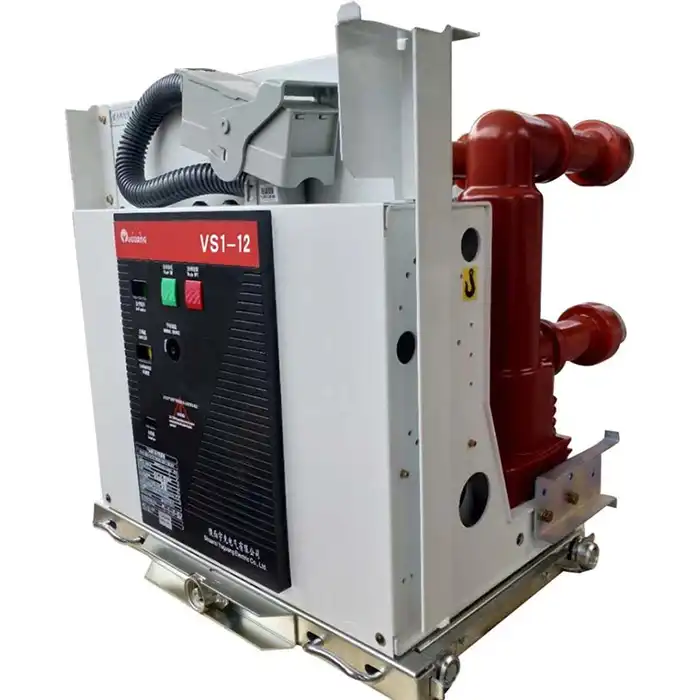
Advanced Circuit Overload Breaker Solutions
Modern factories need advanced safety equipment that can better watch over things, react automatically, and connect all the parts of the system better. Digital technologies are used in more advanced overload breaker solutions to turn standard safety systems into smart systems that can do predictive maintenance and real-time optimization.
Real-Time Monitoring and Smart Technologies
Modern safety systems have advanced tracking features that check electrical parameters, load trends, and system performance all the time. These smart devices gather information about things that affect how electrical systems work, like the amount of current flowing, the features of the voltage, measures of power quality, and the weather.
Communication protocols like Modbus, DNP3, and IEC 61850 are used by smart tracking systems to connect to building management systems. This connectivity allows for centralized tracking, automatic reporting, and predictive analytics that find situations where there might be too much traffic before they affect operations.
Automated Protection and Response Mechanisms
Modern safety devices have complex systems that look at electrical factors in real time, responding right away to situations where overloading is happening. These systems come with customizable trip curves, the ability to selectively coordinate, and automatic load shedding features that put important loads first in an emergency. An overload breaker integrates with these features to provide a reliable, physical layer of protection by disconnecting the circuit when predefined limits are exceeded, ensuring that the coordination and prioritization functions are not compromised by sustained overcurrent conditions.
Staged load disconnection, warning generation, and contact with building control systems are all examples of automated reaction mechanisms. These features allow coordinated reactions that keep operations going and keep electrical equipment from getting damaged.
Enhanced Reliability Features
Modern overload breaker technologies have design improvements that make them more reliable in harsh industrial settings. Some of these improvements are sealed touch systems, better ways to stop an arc, and strong motor designs that can handle a lot of use. Reliability features make tools last longer and require less upkeep, which is useful for industrial uses in the long run. Modern materials, better ways of making things, and thorough testing make sure that the performance stays the same in all kinds of working situations.
Choosing the Right Overload Breaker for Your Procurement Needs
To choose the best protection gear, you need to carefully look at the technical specs, working needs, and long-term strategy goals. When making a purchase choice, it's important to think about the total cost of ownership, future plans for growth, and current technical needs.
Essential Selection Criteria
Key selection factors include a current rating that works with linked loads, an interrupting capacity that is high enough to handle the fault current, and coordination features that let it work with other safety devices. Ratings for the environment need to meet the conditions of placement, taking into account things like temperature, humidity, and contamination levels. Communication options, extra link layouts, and mounting needs are some other things to think about that affect how hard the work is. Following the right rules, like those set by UL, IEEE, and IEC, makes sure that equipment is safe and works well for certain uses.
Certification and Compliance Standards
For industrial uses, security gear needs to be approved to well-known standards that check its safety, performance, and dependability. UL 489 for molded case circuit breakers, IEEE C37 series standards for medium voltage devices, and IEC 60947 for low voltage switchgear components are all important approvals. Compliance verification makes sure that equipment meets the rules set by regulators and records the performance data needed for engineering calculations and system coordination studies.
Strategic Procurement Considerations
Long-term purchasing plans look at how well suppliers can do their jobs, how easy it is to get extra parts, and how much expert support services cost over the life of the equipment. Building ties with qualified providers guarantees access to technical knowledge, training materials, and engineering help for as long as the equipment is in use.
When making strategic decisions, it's important to think about things like standardization options that can cut down on inventory needs, seller qualification processes that check the quality of their work, and total cost of ownership assessments that look at the original purchase price, installation costs, and ongoing maintenance costs.
Best Practices and Tips for Circuit Breaker Overload Prevention
To make complete programs to stop overloading work, you need to combine technology solutions with operational methods that take into account things like people, the organization's resources, and ways to keep getting better. These best practices give you useful information for making good plans for protection.
Proactive Monitoring and Maintenance Strategies
Monitoring programs that work well combine regular checks with technologies that find new problems before they affect operations with technologies that do ongoing assessment. Thermal imaging scans look for hot spots that mean connections are loose or parts are breaking down. Electrical testing checks the settings and working conditions of safety devices.
Trending analysis is used in predictive maintenance methods to find trends of slow degradation that could lead to overload situations. These methods allow planned maintenance to happen during planned downtime, which lowers the need for emergency fixes and the costs that come with them. An overload breaker serves as the final safeguard in this strategy, ensuring that if predictive methods fail to detect a developing issue, the circuit is physically interrupted before degradation escalates into equipment damage or safety hazards.
Training and Education Programs
Maintenance workers must go through thorough training programs to make sure they know how to use overload breakers, how to test them, and the safety rules that must be followed for effective system maintenance. Training includes learning about security principles in a formal way, as well as learning how to test tools and follow safety rules when working with live electrical systems.
Staff members stay up to date on new technologies, updated standards, and better ways to maintain systems that make them more reliable while lowering safety risks through ongoing training.
Supplier Collaboration and Technical Support
By working together with skilled providers, you can get access to technical knowledge, engineering support, and training materials that help your own skills. Partnering with suppliers lets you share knowledge, get help with problems, and get access to up-to-date product information that makes the system run better. Application planning, coordination studies, and field service are all types of technical support services that make sure that equipment is used and operated correctly. For complicated setups or specialized tasks that need professional help, these services are very helpful.
Conclusion
To keep circuit breakers from overloading, you need to use tried-and-true methods that include picking the right tools, keeping an eye on everything, and doing regular repair. Knowing the characteristics of electrical overload helps people who work in procurement choose safety equipment that keeps activities safe while still being reliable. An overload breaker is a key example of such equipment, as it directly addresses the risks of overcurrent by combining precise protection with operational continuity.
Modern industrial applications can benefit from advanced overload breaker technologies that offer real-time tracking, automated security, and better system integration. Choosing the right equipment based on technical needs, setting up good maintenance plans, and keeping working relationships with skilled providers who offer technical help for the whole lifecycle of the equipment are all important for success.
FAQ
How often should circuit breakers be inspected for overload prevention?
Every year, circuit breakers need to be inspected thoroughly, which includes an eye check, thermal imaging, and electrical testing. Visual checks done once a month find clear problems like damaged or loose connections. For reliable operation, high-load uses may need full checks every six months.
What are the early warning signs of potential circuit breaker overload?
Early warning signs include trips that are annoying, high temperatures near electrical panels, changes in power, and equipment that doesn't work as well as it used to. Thermal imaging shows hot spots that mean problems are starting to happen. Load tracking systems can pick up on slow increases in load that get close to overloading situations.
Can software tools help prevent circuit breaker overload?
Advanced tracking software keeps an eye on electrical factors all the time, finds load trends, and predicts what might happen in case of an overload. These tools send out alerts when load levels get too high, and they keep past data for analyzing trends and planning repair.
What role do load calculations play in overload prevention?
Accurate load estimates make sure that the circuit breakers are the right size and show possible overload situations during the planning stages of a system. Regular load estimates take into account changes to operations and new pieces of equipment that might put too much stress on the system.
How do modern smart breakers improve overload protection?
Smart breakers offer tracking in real time, security settings that can be programmed, and communication features that let the system respond in a coordinated way. These devices have better selection, automatic load shedding, and predictive repair features that make the system more reliable as a whole.
Partner with Yuguang for Superior Overload Protection Solutions
Yuguang Electric delivers industry-leading overload breaker solutions engineered specifically for demanding industrial applications across power generation, manufacturing, and infrastructure sectors. Our comprehensive product portfolio includes vacuum circuit breakers rated from 6kV to 40.5kV, designed with advanced protection technologies and proven reliability in critical applications. As a certified overload breaker manufacturer with ISO 9001:2015 certification and 39 patented technologies, we provide customized solutions backed by comprehensive technical support, rapid delivery, and extensive after-sales service capabilities. Contact our engineering team at ygvcb@hotmail.com to discuss your specific protection requirements and discover how our advanced circuit protection solutions can enhance your operational reliability while reducing long-term maintenance costs.
References
1. Institute of Electrical and Electronics Engineers. "IEEE Standard for Low-Voltage AC Power Circuit Breakers Used in Enclosures." IEEE Std C37.13-2015.
2. National Electrical Manufacturers Association. "Application Guide for AC High-Voltage Circuit Breakers Rated on a Symmetrical Current Basis." NEMA SG 4-2013.
3. International Electrotechnical Commission. "Low-voltage switchgear and controlgear - Part 2: Circuit-breakers." IEC 60947-2:2016.
4. Blackburn, J.L., and Domin, T.J. "Protective Relaying: Principles and Applications, Fourth Edition." CRC Press, 2014.
5. American Society for Testing and Materials. "Standard Test Method for Measurement of Circuit Breaker Contact Resistance." ASTM D2675-19.
6. Electric Power Research Institute. "Circuit Breaker Condition Assessment: Maintenance Strategies and Testing Methods." EPRI Technical Report 3002005777, 2015.

Send Inquiry
You may like
