
How to Reduce Wind Farm Costs with Integrated Switchgear
Wind farm operators constantly seek innovative approaches to minimize operational expenses while maximizing energy production efficiency. Integrated switchgear emerges as a game-changing solution that consolidates multiple electrical components into unified systems, dramatically reducing installation complexity and long-term maintenance requirements. By replacing traditional compartmentalized electrical equipment with modular, factory-tested units, wind energy projects can achieve substantial cost savings across their entire operational lifecycle. This advanced electrical infrastructure approach addresses critical pain points including equipment compatibility issues, extended delivery schedules, and maintenance challenges that plague conventional wind farm installations.
Understanding Integrated Switchgear and Its Impact on Wind Farms
Operators of wind farms are always looking for new ways to cut costs while still producing as much energy as possible. Integrated switchgear is a game-changing option that combines many electrical parts into a single system. This makes installation much easier and lowers the need for long-term upkeep. By switching from old electrical equipment with separate compartments to modular, factory-tested pieces, wind energy projects can save a lot of money over the course of their full operational lifecycle. This more advanced way of building electricity infrastructure solves some of the biggest problems that come up with traditional wind farms, like tools not working with each other, delivery times that are too long, and maintenance problems.
Space-Saving Design Benefits
Modern wind energy infrastructure needs complex electrical systems that can handle changeable power production while keeping the grid stable and making sure operations are safe. Traditional switchgear configurations often have a lot of separate parts that need to be wired and tested individually and coordinated with equipment from different makers.
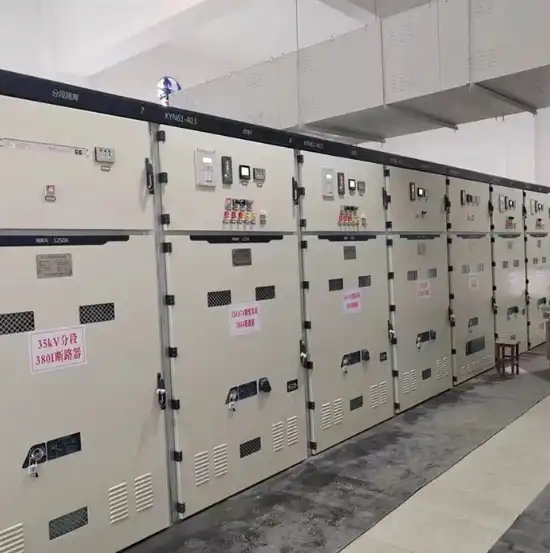
Integrated switchgear changes this method by putting together circuit breakers, safety relays, control devices, and tracking systems into units that have already been designed and are put together in a factory. There are a lot of tests that are done on these small electrical solutions before they are sent out. This makes sure that they work well with everything from the first day they are used.
Enhanced System Reliability Through Unified Components
Substations for wind farms don't have a lot of room, especially in remote sites where every square meter costs a lot. When compared to standard setups, integrated electrical systems usually require 30–40% less space. This efficient use of room directly leads to lower foundation costs, easier transportation, and more construction options.
Because these systems are modular, engineers can make the best substation plans while still making them easy to reach for repair work. Less cable runs between parts lowers the cost of materials and the number of possible failure spots, which improves the general reliability of the system.
One of the biggest problems with standard wind farm electrical setups is making sure that all the equipment works together. Components from different makers may react in different ways, which could make coordination problems happen during faults or normal operating changes.
Integrated solutions get rid of these connection worries by matching parts at the factory and testing the whole system thoroughly. Protection plans work together perfectly, which cuts down on unnecessary trips and raises the quality of the power sent to the grid. This improvement to dependability has a direct effect on income production by cutting down on unplanned outages and repair breaks.
Challenges with Traditional Switchgear and Cost Drivers in Wind Farms
There is more and more pressure on wind energy projects to cut back on capital costs while still meeting high operating standards. Traditional electrical systems add a lot to the cost of a job in many ways that go beyond the cost of buying the tools itself.
In traditional Integrated switchgear operations, installation difficulty is a major cost driver. Field assembly needs skilled workers, longer commissioning times, and a lot of talks between equipment makers to make sure everything works together. These problems are made worse by delays caused by bad weather, especially when installing things offshore where installation times are still limited.
Labor-Intensive Installation Requirements
Traditional switchgear setups require a lot of work to be done on-site, such as mounting each component, wiring between panels, setting the safety system, and following strict testing procedures. These tasks usually take two to three times longer to install than alternatives that are already built in.
Skilled electrical workers charge a lot, especially in places like remote wind farms where the cost of housing and transportation makes the job more expensive. Longer construction plans make it more likely that delays will happen because of bad weather, which could push projects past their best commissioning windows and affect income forecasts.
Maintenance Complexity and Downtime Costs
In traditional electrical systems, spare parts, expert help, and guarantee covering come from more than one maker. Coordinating upkeep tasks across multiple equipment providers is hard to do logistically and makes fix times longer during important outages.
Problems with parts going out of date happen more often in older systems that use equipment from different makers that has different lifecycle plans. Because of this, owners have to keep bigger stocks of spare parts, which uses up working capital and makes store space more important.
How Integrated Switchgear Addresses Cost and Efficiency Challenges?
Modern electrical solutions deal with problems that come up during the running of wind farms by taking a methodical approach that targets the reasons rather than the symptoms. Pre-engineered systems are tested thoroughly in the plant to find and fix any possible problems before they are sent out into the field. This cuts down on the time and money needed for costly commissioning delays and startup issues.
The modular design of combined systems makes it easy to find problems quickly thanks to their centralized tracking features. Maintenance workers can quickly find problems with specific parts without having to do a lot of fixing across many pieces of equipment. This diagnostic speed cuts down on the average time it takes to fix something and on downtimes that hurt income.
Streamlined Installation Processes
Electrical assemblies that have been checked in the factory arrive at project areas ready to be installed right away with little work needed in the field. Standardized connection ports get rid of the need for custom wiring, and pre-programmed safety settings cut the time it takes to set up by 60–70% compared to the old way of doing things.
Installation teams don't need as much specialized training because all parts in a combined system use the same interfaces and paperwork. This uniform cuts down on the cost of labor while also making installations safer and better quality. Because there is less work to be done in the field, weather sensitivity goes down a lot, which makes the project plan more reliable.
Predictive Maintenance Capabilities
Modern integrated electrical systems use high-tech tracking tools that let you plan ahead for repair needs. Continuous component health tracking finds problems before they become major problems. This lets maintenance teams plan fixes for times when the system isn't being used, instead of having to respond to emergencies.
These tracking features give useful operating data that helps improve the timing of upkeep and the management of spare parts inventory. Decisions about when to replace parts are based on historical performance trends. This helps tools last as long as possible while reducing the risk of surprise failure.
Selecting the Best Integrated Switchgear Solutions for Wind Farms
When procurement teams look at different electrical system choices, they have to weigh a lot of things, such as technical performance, lifecycle costs, provider skills, and the needs of the particular project. There are many Integrated switchgear on the market, and each one has a different set of features. It takes careful research to find the best ones for each purpose.
The most important technical factor is the voltage class. Depending on the turbine specifications and grid connection needs, wind farms usually need tools rated for 6kV to 40.5kV uses. The level of complexity of a protection plan depends on the grid code and the operator's tastes. This affects the choice of tools and the need for customization.
Manufacturer Capabilities and Support Services
Some of the biggest companies that make electrical tools also offer a wide range of support services, such as engineering advice, help with installation, and long-term upkeep plans. These service features are often more useful than individual product features, especially in wind farm uses that are more complicated.
Companies like Yuguang Electric stand out by offering unique wind power solutions that work in harsh environments and meet the high dependability needs of green energy uses. Their 39 patents show that they are committed to continuing to come up with new ideas, and their wide voltage range coverage (6kV–40.5kV) makes sure that solutions are available for a wide range of project needs.
Yuguang's integrated modular design philosophy focuses on small footprints, better sealing performance, and longer operating life. These are important factors for wind farm applications where limited access makes repair tasks costly and time-sensitive. Their full-chain service approach includes everything from initial design advice to ongoing technical support. This gives complicated wind projects the full partnership approach they need.
Customization and Environmental Adaptation
Extreme temperature changes, changes in humidity, exposure to salt air, and vibrations from close blades are some of the problems that come up in wind farms. Normal electrical equipment might not work well in these situations if it doesn't have the right environmental safety and design changes.
Specialized makers can customize products based on different situations and solve problems in different environments by using better closing systems, materials that don't rust, and strong mechanical designs. These changes are necessary to get equipment to last as long as possible while reducing the amount of upkeep that needs to be done in tough working circumstances.
Practical Tips for Implementing Integrated Switchgear in Wind Farms
To install an electrical system correctly, you need to plan it out carefully, taking into account both technical needs and practical limitations. Civil engineering plans and electrical designs must be coordinated by project teams to make sure that upkeep activities have enough room and access.
Environmental concerns go beyond basic weather protection and include the need to reduce electromagnetic interference (EMI), as well as the ability to work with current power infrastructure. These things affect the specs of the equipment and how it is installed, so electrical designers and equipment makers need to work together early on.
Design and Planning Strategies
Layouts for electrical systems should make upkeep easier while keeping wire lengths and connection complexity as low as possible. Integrated systems give you a lot of choices for how to set them up, but to find the best ones, you need to know both what the electricity performance standards are and what the actual operating limits are.
Grid code compliance is an important design factor that affects the needs of the security plan and the communication interface. Getting involved with utility connecting teams early on helps figure out specific needs that could affect the choice of tools and the need for customization.
Maintenance Program Development
Modern integrated electrical systems have diagnostic tools that can be used as part of good maintenance plans. These plans also include setting up the right check dates and spare parts inventory levels. When compared to standard time-based maintenance schedules, predictive maintenance can cut running costs by a large amount.
In order for maintenance workers to fully utilize advanced troubleshooting tools and tracking features, training programs should focus on the unique features and functions of integrated systems. Because of the unique information that is needed for each system, training given by the supplier often works better than general electrical repair classes.
Conclusion
Integrated switchgear solutions have been shown to help wind farm owners cut costs by a large amount while also making operations safer and more reliable. These advanced electrical systems solve the main problems that cause wind energy running costs by combining component designs, streamlining installation processes, and making upkeep easier. When you combine easier installation, better diagnosis tools, and fewer upkeep tasks, you get a clear return on your investment that lasts for the entire life of the project. As the need for wind energy projects to cut costs while keeping performance levels high grows, combined electrical solutions offer the technology base needed for long-term operating greatness.
FAQ
How does integrated switchgear improve wind farm safety compared to traditional systems?
Integrated electricity systems have full safety systems that are tested and made sure to work together before they are put into use in the field. This planned method gets rid of any possible coordination problems that might arise between parts made by different companies, while still ensuring consistent security performance. Advanced tracking tools let repair teams know about problems with equipment early on, so they can fix them before they become dangerous.
What are typical delivery timeframes for integrated switchgear projects?
Standard combined electrical equipment usually ships 7–15 days after an order is confirmed. Customized solutions, on the other hand, take 30–60 days, based on how complicated the specifications are. In traditional systems, supplies from different makers with different lead times and possible compatibility problems have to be coordinated, which takes more time.
Can integrated switchgear be customized for specific wind farm requirements?
Modern electrical systems that are all connected together can be changed in many ways to fit different environments, safety needs, and operating tastes. Some manufacturers, like Yuguang Electric, focus on making scenario-based changes that work in harsh settings while keeping small designs and high dependability.
Transform Your Wind Farm Operations with Yuguang's Integrated Switchgear Solutions
Yuguang Electric has been working with high-voltage electrical equipment for almost twenty years and supplies it to wind energy projects all over the world. Our combined switchgear solutions include 39 patented innovations that cover voltages from 6kV to 40.5kV. These solutions give current wind farms the dependability and performance they need. In addition to making great products, Yuguang also offers full project support, which includes custom engineering, installation help, and ongoing expert support to make sure systems work at their best for as long as they are in use. Get in touch with our engineering team at ygvcb@hotmail.com to talk about your unique needs and find out how our combined switchgear manufacturer services can help your wind farm run more efficiently and cost less overall.
References
1. International Electrotechnical Commission. "Wind Energy Generation Systems - Electrical Safety Requirements." IEC 61400-24:2019 Standard for Wind Turbine Safety Systems.
2. American Wind Energy Association. "Wind Power Engineering and Development: Electrical Infrastructure Cost Analysis." AWEA Technical Report on Substation Economics, 2023.
3. IEEE Power Engineering Society. "Guide for the Application of Switchgear Rated at 15.5 kV through 38 kV for Wind Farm Collector Systems." IEEE Standard 1547.9-2022.
4. Global Wind Energy Council. "Wind Farm Operational Cost Reduction Strategies: A Comprehensive Analysis of Electrical System Optimization." GWEC Industry Report, 2023.
5. Renewable Energy Laboratory. "Economic Analysis of Integrated Electrical Systems in Offshore Wind Applications." National Laboratory Technical Publication NREL/TP-5000-84567.
6. Wind Power Engineering Magazine. "Electrical System Reliability in Modern Wind Farm Design: Best Practices for Component Integration and Maintenance Optimization." Industry Technical Analysis, Volume 47, Issue 3.

Send Inquiry
You may like
