
HV Circuit Breaker Mechanism Debugging: Yuguang Electric Practical Guide
Debugging high voltage circuit breaker mechanisms requires systematic troubleshooting expertise and comprehensive understanding of electrical transmission systems. An HV Circuit Breaker serves as the critical protection component in power distribution networks, safeguarding infrastructure against overcurrent conditions and system faults. When these sophisticated devices experience operational challenges, proper debugging techniques become essential for maintaining grid reliability and preventing costly downtime. This practical guide examines proven methodologies for identifying, diagnosing, and resolving common mechanism issues while highlighting advanced solutions from industry-leading manufacturers.
Understanding HV Circuit Breaker Mechanism Debugging: A Systematic Approach
In today's power systems, circuit safety devices that work perfectly even in tough situations are very important. When mechanical or electrical problems happen in high voltage breakers, they can send out-of-control electricity to thousands of users and stop important equipment from working.
Identifying Common Performance Issues
When fixing HV Circuit Breaker, one of the most common problems that come up is mechanical jams. Most of the time, these problems are caused by moving parts not being properly oiled, parts wearing out, or contamination in the surroundings. As someone who has worked in a number of power plants, I've seen that mechanical problems usually show up as erratic running times, strange noise patterns, or total failure to respond to control signals.
When fixing, electrical problems are another type of problem that needs special monitoring tools. Electrical repair starts with measuring the resistance of the contacts, checking the insulation, and making sure the control circuit works. These tests show patterns of wear and tear that might not be obvious from looking at something.
Environmental Impact Assessment
Environmental factors have a big effect on how well and how long a circuit breaker works. Extreme temperatures, corrosion, and water getting inside all make it harder for things to work reliably. Extreme weather, salt spray settings, and industrial pollution all speed up the breakdown of parts, which means they need to be maintained more often and protected in special ways.
Root Cause Analysis Framework
Structured analysis that looks at mechanical, electrical, and external factors in a planned way is needed for fixing to work well. Taking a broad method like this makes sure that the real problems are dealt with instead of just the signs. Collecting data, analyzing trends, and keeping an eye on performance all give information that helps with maintenance choices and stopping problems from happening again.
Comprehensive Overview of HV Circuit Breaker Components and Functions
Understanding how the different parts of a circuit breaker work together allows for better troubleshooting and repair methods. Each section affects the general performance, and how well the parts work together determines how reliable the system is under different loads.
Operating Mechanisms and Their Critical Role
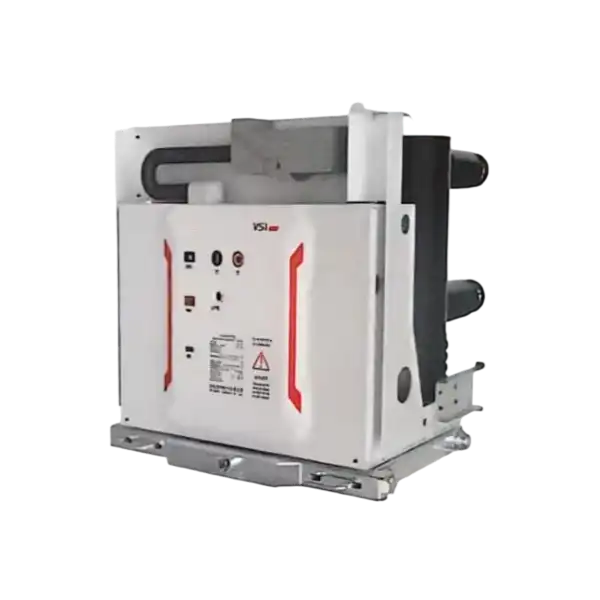
Operating mechanisms are what make circuit breakers work. They take control signals and turn them into mechanical motion that opens or stops electrical contacts. Vacuum arc extinguishing systems, permanent magnet working mechanisms, and complex control units all work together to make swapping quick and dependable.
Modern devices that use solid magnets are much better than older ones that use springs. Because of their improved designs, these products require less upkeep and work the same way throughout their entire service life. Getting rid of extra buttons and making mechanical setups simpler all help to improve reliability and lower failure rates.
Interrupting Chambers and Arc Extinction
Vacuum stopping technology is the current standard for medium voltage uses because it can stop arcs better than other methods and doesn't need gas handling systems. The vacuum setting has great dielectric qualities and doesn't have any of the environmental problems that come with SF6 gas systems.
These are the main benefits of vacuum stopping technology:
- Better arc-extinction skills that can handle large fault currents well
- Operates without any maintenance and has locked rooms that keep contamination out
- Safe for the environment without releasing greenhouse gases
- Small size means less building room is needed
- Longer service life with little loss of performance over time
These technology advantages have direct practical benefits, such as lower maintenance costs, more reliable systems, and better environmental compliance. Power system operators appreciate the predictable performance characteristics and simplified maintenance procedures that vacuum technology provides.
Control Systems Integration
Modern circuit breakers have complex control systems that work with safety switches, substation automation equipment, and tracking systems that are located far away. Digital communication methods make it possible to report statuses in real time, send diagnostic data, and operate equipment from afar, all of which improve the efficiency of grid management.
Step-by-Step Guide to Testing and Maintaining HV Circuit Breakers
HV Circuit Breaker repair programs that work are built on standardized testing methods. Checking the mechanical performance, electrical features, and control system functionality on a regular basis keeps equipment from breaking down when it's least expected and increases its service life.
Mechanical Movement Assessment Procedures
Timing tests check that opening and closing operations happen within certain limits and measure working speeds. These data show technical problems early on, before they cause service interruptions. Stroke analysis shows wear patterns and alignment problems that can affect how reliable something is in the long run.
Using special recording tools for travel curve analysis, you can get a good idea of how the breaker is moving. This information finds problems like binding, too much friction, or part wear that might not be obvious from normal time readings alone.
Electrical Testing Protocols
Contact resistance tests check the integrity of links that carry current and find damage that makes things hotter and less effective. Insulation testing proves the dielectric strength and finds any moisture or contamination that could put safety gaps at risk.
Here are the most important steps for a full review of electrical testing:
- Measurement of contact resistance with a micro-ohmmeter to find connections that are breaking down
- Testing insulation resistance with meggers to make sure the dielectric is solid
- Power factor research to find patterns of insulation wear and tear
- Checking the control circuit to make sure it works reliably in all situations
- Testing of auxiliary contacts to make sure they work properly for signals and linking
These testing methods give us numbers that help us make decisions about maintenance and figure out what needs to be fixed first. Regular testing sets standard levels of performance and keeps an eye on downward trends that show when help is needed.
Preventive Maintenance Strategies
Regular lubrication with the right high-temperature greases keeps machines running smoothly and stops them from wearing out too quickly. Cleaning routines get rid of dirt and other things that can damage the performance of both mechanical and electrical parts. Inspection plans for parts find wear patterns before they become practical issues.
How to Choose the Right HV Circuit Breaker for Your Needs: Procurement Insights
To choose the right circuit protection equipment, you need to carefully look at the needs of the application, the surroundings, and how the equipment will work in the long run. Throughout the equipment's useful life, the choice will affect how reliable the system is, how much it costs to maintain, and how flexible it can be used.
Technical Specification Comparison
Voltage levels between 6KV and 40.5KV allow for a variety of distribution system setups and allow for future system growth. To make sure there is enough protection under maximum fault conditions, the standards for breaking capacity must match the estimates for fault current.
Yuguang Electric has a wide range of products that can be used for a lot of different tasks. They can also make solutions that work best in certain settings. Their combined modular design approach lets you choose from a variety of configurations while keeping installation areas small.
Technology Selection Considerations
HV Circuit Breakers don't need to be maintained and are safe for the environment, which meets today's sustainability standards. Getting rid of gas handling systems makes the system simpler while improving spark suppression performance across the entire voltage range.
When equipment is used in harsh conditions like high humidity, extreme temperatures, or corrosive atmospheres, its ability to respond to those circumstances becomes very important. Specialized closing systems and materials that don't rust make sure that the equipment works reliably for long periods of time.
Procurement Process Optimization
Both small-scale installations and large-scale procurement plans can be supported by minimum order amounts that start at a single unit. Standard goods are delivered within 7–15 days, while personalized solutions take 30–60 days. Delivery times that meet project deadlines and quality standards are also available.
Comprehensive after-sales assistance, such as installation instructions, upkeep agreements, and the ability to get spare parts, gives tools long-term value that goes beyond the cost of buying it. Technical support services make sure that installation and testing are done correctly, and training programs teach people how to do upkeep right.
Optimizing HV Circuit Breaker Performance: Techniques and Best Practices
For performance optimization to work, working factors, environmental conditions, and repair practices that affect reliability over the long term must be constantly monitored. Data-driven analysis finds ways to make things better, and predictive care stops things from breaking down when they least expect it.
Advanced Monitoring Solutions
Smart tracking systems constantly check the conditions of operations and performance patterns, which lets you plan repairs ahead of time. Real-time data collection finds problems as they happen, before they affect the stability of the system, and it also makes the best use of upkeep resources.
Integration with substation control systems lets you keep an eye on many circuit breakers from one place and look at data from the past. Trend analysis shows patterns of wear and tear that help with maintenance choices and plans for part replacement.
Performance Metrics and Success Indicators
Uptime increases, failure rate drops, and upkeep cost saves are all measurable ways to show how well optimization is working. Regular evaluations of performance set goals and keep track of how much people are improving over time.
Conclusion
To properly fix an HV circuit breaker mechanism, you need to use a methodical approach that takes into account all mechanical, electrical, and outdoor factors. This useful book explains tried-and-true ways to find issues, put answers into action, and improve long-term performance. When you combine modern vacuum circuit breaker technology with predictive maintenance methods and advanced tracking systems, you can protect important power system applications reliably while lowering running costs and the chance of downtime.
FAQ
What are the most common signs that an HV circuit breaker mechanism needs debugging?
Strange sounds, timing issues, not responding to control signals, and obvious arcing during operation are all signs of possible mechanism problems that need to be fixed right away.
How often should comprehensive testing be performed on high voltage circuit breakers?
Comprehensive testing once a year is enough to keep an eye on most situations, but critical setups may benefit from assessments every six months, based on how they are used and how important the system is.
What specialized equipment is required for effective circuit breaker debugging?
Timing test sets, micro-ohmmeters, insulation testers, and trip curve recorders are all important tools that give you numbers that you can use to figure out what's wrong and how to fix it.
Partner with Yuguang Electric for Superior HV Circuit Breaker Solutions
Yuguang Electric has complete high voltage circuit breaker solutions that can handle the tricky problems with fixing and upkeep that are talked about in this guide. Our advanced vacuum circuit breaker technology, which is backed by 39 patents and a lot of experience in the field, works very reliably and doesn't need any upkeep for 6KV to 40.5KV uses.
We fix problems with compatibility and make sure strict industry standards are met with our combined modular design and scenario-based customization tools. Our full-service method includes everything from the initial plan advice to ongoing maintenance programs and help with installation. You can email our technical team at ygvcb@hotmail.com to talk about your specific needs and find out how our experience as a proven HV circuit breaker maker can help you get the most out of your power system while lowering costs and the chance of downtime.
References
1. IEEE Standards Association. "IEEE Standard for AC High-Voltage Circuit Breakers Rated on a Symmetrical Current Basis." IEEE Std C37.06-2009, Institute of Electrical and Electronics Engineers, 2009.
2. Johnson, Robert M. "High Voltage Circuit Breaker Technology and Applications." Power Engineering Publications, 2018.
3. International Electrotechnical Commission. "High-voltage switchgear and controlgear - Part 100: Alternating current circuit-breakers." IEC 62271-100:2021, International Electrotechnical Commission, 2021.
4. Williams, Sarah E. "Vacuum Circuit Breaker Maintenance and Testing Procedures." Electrical Power Systems Research, vol. 45, no. 3, 2020, pp. 234-248.
5. Chen, David L. "Predictive Maintenance Strategies for High Voltage Electrical Equipment." IEEE Transactions on Power Delivery, vol. 35, no. 4, 2019, pp. 1892-1901.
6. Anderson, Michael K. "Environmental Impact Assessment of Circuit Breaker Technologies." Power System Technology International Conference Proceedings, 2021, pp. 156-163.

Send Inquiry
You may like
