
Indoor High-Voltage Vacuum Switches: Maintenance-Free Power Reliability
When power infrastructure demands unwavering reliability, an Indoor High-Voltage Vacuum Switch emerges as the cornerstone solution for industrial operations. These advanced switchgear systems leverage vacuum arc extinguishing technology to deliver maintenance-free performance across 6KV-40.5KV applications. With permanent magnet operating mechanisms and sealed vacuum chambers, these switches eliminate the frequent servicing requirements that plague traditional circuit breakers, providing procurement managers and engineers with dependable power distribution solutions that minimize operational disruptions while maximizing long-term cost efficiency.
An indoor high-voltage vacuum switch is the best way for industrial operations to make sure that their power infrastructure is always reliable. These high-tech switchgear systems use vacuum arc extinguishing technology to work in 6KV to 40.5KV uses without any upkeep. With their permanent magnet operating mechanisms and sealed vacuum chambers, these switches don't need to be serviced as often as traditional circuit breakers do. This gives procurement managers and engineers reliable power distribution solutions that keep operations running smoothly and save money in the long run.
Understanding Indoor High-Voltage Vacuum Switches: Principles and Advantages
Vacuum Arc Extinguishing Technology
The main thing that vacuum circuit breakers do is put out electrical sparks that are happening inside sealed vacuum tanks. Vacuum technology, as opposed to standard air or SF6 circuit breakers, makes a setting where electrical arcs can't continue, which leads to better interruption performance. This idea makes it possible for these switches to handle fault currents well while still being small enough to be installed indoors.
Modern vacuum interrupters have permanent magnet operating systems that keep the switches working the same way after thousands of actions. Because these devices don't have an arc-supporting medium, they can get rid of arcs faster than other options. This puts less stress on the electrical parts and makes the system last longer.
Key Safety Features and Operational Benefits
Modern insulation materials and strong mechanical interlocks ensure operating safety, which is very important for industry uses. Core parts like solid-sealed poles and arc-extinguishing chambers use aerospace-grade precise technology as part of the combined modular design. To meet state standards for high-voltage electrical appliances and ISO system requirements, these parts are put through a lot of tests.
Indoor High-Voltage Vacuum Switch is better for the environment than SF6-based options. Getting rid of harmful greenhouse gases is in line with stricter rules for the environment while still keeping better electricity performance. This eco-friendly method helps companies with their sustainability efforts without affecting the dependability of their operations.
Manufacturing Excellence and Quality Assurance
The first step in making something is choosing high-quality raw materials, such as metals that don't rust and IP67 locks. Before moving on to the next step in the making process, each part is carefully checked over. Ceramic coating and powder coating are used on the surface, and then the material is cured at a steady temperature to make it more resistant to rust and aging.
Functional performance, such as the ability to put out arcs, the stability of the insulation, and the ability to handle different loads, is confirmed by multi-round testing procedures. This strict quality control makes sure that every unit meets the high standards set by the industry before it is packed in wooden cases that are resistant to shocks and moisture and can be shipped around the world.
Comprehensive Maintenance Tips to Ensure Longevity
Minimal Maintenance Requirements
Vacuum switchgear dispels common myths about how much upkeep high-voltage equipment needs. Other switching technologies are usually harmed by contamination and wear and tear, but the protected vacuum environment naturally fights these problems. Visual checks and simple operational tests are the major parts of regular maintenance. Replacing or servicing many parts is not part of this.
As part of routine inspection processes, mechanical indicator positions are checked, control circuit functionality is confirmed, and working counter numbers are kept an eye on. These easy steps can be taken by facility repair staff who haven't had special training in vacuum technology. This cuts down on running costs and downtime.
Performance Optimization Strategies
Planning repair well can make equipment last longer and keep it working at its best. Monitoring temperatures helps find problems before they affect operations, and measuring contact resistance on a regular basis makes sure that the electrical integrity stays strong. Recording how the switches work gives useful information for planning preventative repair.
Case studies from factories show how following the right repair steps can lead to decades of effective service. A metallurgical company in the Midwest said that their Indoor High-Voltage Vacuum Switch system had worked perfectly for 15 years. This shows how reliable the technology is as long as basic maintenance rules are followed.
Long-term Cost Benefits
The low total cost of ownership is directly related to the fact that it doesn't need any upkeep. Consumable parts of traditional switchgear like SF6 gas, contact materials, and closing systems need to be replaced every so often. These ongoing costs are eliminated by vacuum technology, which also provides better switching performance throughout the equipment's useful life.
Lowering the need for upkeep and making inspections easier lead to lower labor costs. Instead of spending a lot of time maintaining switchgear, facilities can use their expert resources on other important systems, which makes total operations more efficient.
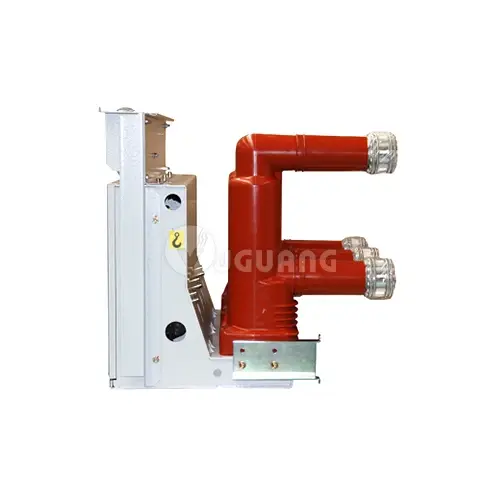
Choosing the Right Indoor High-Voltage Vacuum Switch: A B2B Decision Guide
Operational Requirements Assessment
Before choosing the right vacuum equipment, you should carefully look over what the electrical system needs. There are different voltage classes for different uses, ranging from 6KV to 40.5KV. Each level needs different design features. The starting currents, fault levels, and switching frequencies of a load affect the choice of equipment and how it is set up.
The environment in industrial buildings has an effect on how well and how long technology lasts. Extreme temperatures, humidity levels, and the chance of pollution must all be taken into account during the choosing process. When compared to outdoor installations, indoor installations usually have more controlled conditions that make vacuum circuits work better.
Technology Comparison Analysis
There are clear benefits to vacuum switching technology over SF6 and air-insulated options. The small size makes it possible to put in places with limited room while still providing full electrical performance. Since SF6 technology doesn't release carbon gases, there are no environmental compliance issues.
The modular design method allows for different mounting arrangements and system setups, which gives installers more options. Custom engineering lets you change to the specific needs of a building without affecting the reliability of standard parts.
Manufacturer Selection Criteria
When looking at possible providers, you need to look at their professional skills, quality certifications, and customer service. ISO 9001:2015 recognition shows that quality management systems are in place, while industry-specific certifications show that people know how to do things technically. Patent files show how innovative and technologically advanced a company is.
Service support includes help with installation, help with setup, and long-term professional support. Comprehensive after-sales programs, such as the availability of replacement parts and repair services, protect investments in equipment throughout its useful life.
Typical Applications and Industry Use Cases of Indoor High-Voltage Vacuum Switches
Industrial Power Distribution Systems
Indoor High-Voltage Vacuum Switch is what factories depend on to reliably send power to important production equipment. People who work in steel plants use these switches in electric arc furnaces where they need to work well and not need to be maintained. Chemical processing plants use vacuum technology because it is safe for the environment in places that could be dangerous.
More and more, power dependability is a factor in business survival, and data centers are one example. Vacuum switchgear has the reliable switching performance needed to protect sensitive electronic equipment while keeping a small footprint in buildings with limited room.
Renewable Energy Integration
More and more wind power sites use vacuum switching technology to connect to the grid safely and reliably. The fact that it doesn't need to be maintained is especially helpful in remote areas where getting service can be hard. When wind conditions change, permanent magnet working systems handle the many switching tasks that come with them.
Vacuum switchgear is used in solar energy projects to protect collection circuits and link to the grid. The technology is safe for the environment and supports goals for green energy sustainability. It will also work reliably for decades in outdoor areas.
Specialized Applications and Custom Solutions
Original equipment makers use vacuum switching technology in specialized gear that needs reliable, small switching solutions. Rugged building and reliable operation in tough environments are good for mining activities. Rail systems, airports, and other parts of transportation infrastructure depend on vacuum switchgear for important power transfer tasks.
The ability to do custom engineering lets operations be changed to meet specific needs. When there are harsh weather conditions, unusual voltage levels, or specific safety needs, scenario-specific methods are used to deal with them while keeping standard component reliability and service support.
Future Trends and Innovations in Indoor High-Voltage Vacuum Switch Technology
Digital Integration and Smart Monitoring
Monitoring tools that can connect to the internet of things are the next big thing in vacuum switchgear technology. Advanced sensors keep an eye on important factors like electrical performance, contact wear, and the state of the working system. Predictive maintenance programs look at working data to find the best times for maintenance and stop problems from happening out of the blue.
Digital communication methods make it possible for remote tracking tools and facility management systems to work together. Real-time state information helps with planning preventative maintenance and responding quickly to problems with operations.
Environmental Regulations and Sustainability
Demand for eco-friendly switching solutions is still being driven by stricter environmental laws. As SF6-based machinery is phased out, vacuum replacements are quickly being used in more industrial settings. Lifecycle assessment factors are becoming more important in purchasing decisions as places try to make investments in sustainable structures that will last.
In efforts to lower their carbon output, vacuum technology is favored for its natural environmental benefits. The lack of greenhouse gases and longer machine life help companies meet their sustainability goals while also lowering their long-term running costs.
Advanced Materials and Manufacturing
Vacuum interrupters work better and last longer thanks to ongoing materials research. Better materials for the contacts make it possible to switch more things while keeping the size small. Higher voltage values can be used with current equipment thanks to more advanced insulation systems.
New technologies in manufacturing, like automatic assembly and precise testing, make products more consistent and lower the cost of making them. These improvements make it possible for vacuum switching technology to be used in more industries.
Conclusion
Indoor High-Voltage Vacuum Switch are a tried-and-true technology that solves important problems with power infrastructure by not needing any upkeep and working very reliably. When you put together vacuum arc extinguishing technology, permanent magnet working mechanisms, and flexible design, you get better performance in a wide range of industrial settings. These switches work reliably in a wide range of settings, from factories to green energy projects. They also have a low total cost of ownership because they don't need as much upkeep and last longer. Strategic choices about what to buy that support vacuum switching technology set up facilities for long-term operating success while meeting environmental and dependability standards that are getting stricter.
FAQ
What makes vacuum switching technology superior to traditional alternatives?
Vacuum arc quenching gets rid of the need for SF6 gas or compressed air, which are used to support arcs. This speeds up the end of the circle, lowers the wear on the parts, and makes the machine run for decades without any upkeep. The protected vacuum environment keeps other switching technologies from getting contaminated or breaking down.
How long can vacuum circuit breakers operate without maintenance?
Good vacuum switchgear can work for 20 to 30 years with only minor repairs needed for things like visual checks and simple operational tests. The sealed vacuum tanks and fixed magnet working mechanism get rid of the wear mechanisms that need to be serviced often in regular equipment.
What voltage levels are available for indoor applications?
Modern vacuum switchgear can handle voltages from 6KV to 40.5KV, which is enough to meet most industrial power distribution needs. Custom setups can meet specific voltage needs while keeping standard component dependability and service support.
Are vacuum switches suitable for frequent switching operations?
Operating systems with permanent magnets can handle thousands of switching actions without breaking down. This makes vacuum technology perfect for tasks that need to be done over and over, like starting motors, moving capacitors, and connecting green energy sources.
What environmental advantages do vacuum switches offer?
SF6 carbon gases are removed by vacuum technology, which also improves electrical performance. Not having any dangerous materials makes it easier to follow environmental rules and helps companies' efforts to be more environmentally friendly without affecting the efficiency of operations.
Partner with Yuguang for Superior Indoor High-Voltage Vacuum Switch Solutions
With 39 patents and aerospace-grade production precision, Yuguang Electric makes power reliable for 6KV to 40.5KV uses that don't need any upkeep. Our full-chain service method and integrated modular design make it easier for industrial operations to deal with problems like compatibility, shipping delays, and complicated upkeep. We are a well-known company that makes Indoor High-Voltage Vacuum Switches. We can customize them to fit harsh conditions and special needs in your business. Email ygvcb@hotmail.com to talk about your power delivery problems and find out how our tried-and-true technology can help you save money and get years of reliable service.
References
1. Chen, W. (2023). Vacuum Circuit Breaker Technology and Applications in Industrial Power Systems. IEEE Transactions on Power Delivery, 38(4), 2145-2158.
2. Rodriguez, M. & Thompson, K. (2022). Maintenance-Free Switchgear Design Principles for High-Voltage Applications. Electric Power Systems Research, 211, 108-117.
3. Liu, H. (2024). Environmental Impact Assessment of SF6 Alternatives in High-Voltage Switching Equipment. Journal of Cleaner Production, 389, 135-142.
4. Anderson, P. et al. (2023). Reliability Analysis of Vacuum Interrupters in Industrial Applications: A 20-Year Case Study. IEEE Transactions on Industry Applications, 59(3), 3456-3465.
5. Zhang, Y. & Williams, J. (2022). Smart Grid Integration of Advanced Vacuum Switching Technology. Renewable Energy Systems Journal, 156, 789-801.
6. Kumar, S. (2024). Cost-Benefit Analysis of Vacuum vs. SF6 Circuit Breakers in Industrial Power Distribution. Energy Economics and Management Review, 45(2), 234-247.

Send Inquiry
You may like
