
Industrial and Mining Power Supply Reliability with Modular Switchgear
For industrial and mining businesses to keep running and protect their expensive equipment, the power must always be reliable. Because it is flexible and has more safety features, modular switchgear is a game-changing answer to important power distribution problems. This cutting-edge switching technology offers scalable power management features made for harsh industrial settings. It works better than traditional fixed switchgear systems and makes sure that international safety standards and operational requirements are met.
Understanding Modular Switchgear and Its Role in Power Supply Reliability
In terms of how facilities handle electricity distribution and control, modular switchgear is a huge step forward in industrial power management systems. In contrast to traditional fixed setups, modular systems are made up of standard, replaceable parts that can be set up and changed depending on changing working needs. In industry and mining settings, where power needs change often because of new equipment, more output, or changes to how things are run, this freedom is very helpful.
Core Components and System Architecture
The complex combination of its parts is what makes modular switchgear reliable. As the main safety feature, circuit breakers use cutting-edge vacuum arc-extinguishing technology to make sure that fault currents are safely cut off. Maintenance-free operation with permanent magnets makes permanent magnet working mechanisms ideal for situations where switching happens often, cutting down on costs and downtime by a large amount. Power is efficiently sent throughout the system by busbars, and safety switches constantly check electrical factors to find possible problems before they become expensive failures.
Enhanced Reliability Through Modular Design
By separating possible weak spots and allowing quick repair of parts, modular design naturally makes systems more reliable. Individual parts can be fixed or changed when upkeep is needed without stopping the whole system from working. In business settings, where unexpected downtime can cost a lot of money, this feature is very important. The idea of combined modules also makes it easier to grow, so facilities can add more space as their needs change without having to completely rebuild their systems.
Comparing Modular Switchgear with Traditional and Fixed Switchgear Solutions
The preset designs and lack of freedom of traditional switching systems make them very hard to use in current industry settings. These old systems often need a lot of downtime for upkeep and can't be expanded easily, which limits facility growth and the ability to adapt to changing conditions.
Operational Advantages and Performance Metrics
Modular switchgear works better in a lot of different operating situations. Maintenance tasks that take hours or days to do on standard systems can be done in minutes on flexible designs. It is a big step forward in industrial power control to be able to "hot-swap" certain parts while the system is still running. Studies from big factories show that switching from fixed to modular systems can lower the number of failures by up to 40%. This is mostly because the modular systems make it easier to separate parts and follow repair procedures.
Cost-Efficiency and Total Ownership Analysis
A look at the long-term costs shows that flexible options have big benefits. The starting prices of buying may be about the same, but the total cost of ownership is much lower because of less upkeep, shorter downtime, and longer machine life. Optimized switching processes and lower parasitic losses make the economic case even stronger by making the system more energy efficient. When factories switch to modular systems, they usually see a return on their investment within three to five years, and they continue to save money as long as the equipment is in use.
Key Design Standards and Safety Features Ensuring Industrial Power Reliability
Following international standards is very important for making sure that industrial equipment works properly. IEC 62271 guidelines control the design and testing of high-voltage switchgear, making sure that goods meet strict requirements for safety and performance. IEEE guidelines offer more information for use in North America, covering specific working conditions and safety rules that are important in industrial settings.
Advanced Safety Integration and Protection Systems
These days, modular switchgear has advanced safety features that protect both people and equipment. Advanced materials and design methods are used in arc flash reduction systems to control and shift dangerous arc energy. This makes it much less likely that someone will get hurt during repair work. With real-time fault recognition, you can respond right away to problems as they happen, and problems are often fixed before they affect operations. By making things easier to get to and lessening the physical stress on maintenance workers, ergonomic design makes maintenance safer.
Preventive Maintenance and Diagnostic Capabilities
Modular design makes it possible to build advanced detection systems that keep an eye on the health of equipment all the time and predict when it might break down. Analysis of vibrations, suitability testing for thermal imaging, and tracking of electrical parameters give a full picture of the state of the system. With these monitoring tools, you can switch from reactive to predictive maintenance, which will greatly cut down on unexpected downtime and increase the life of your equipment. With remote tracking, building managers can keep an eye on how well systems are working and plan repair tasks based on the real state of the equipment instead of making up random schedules.
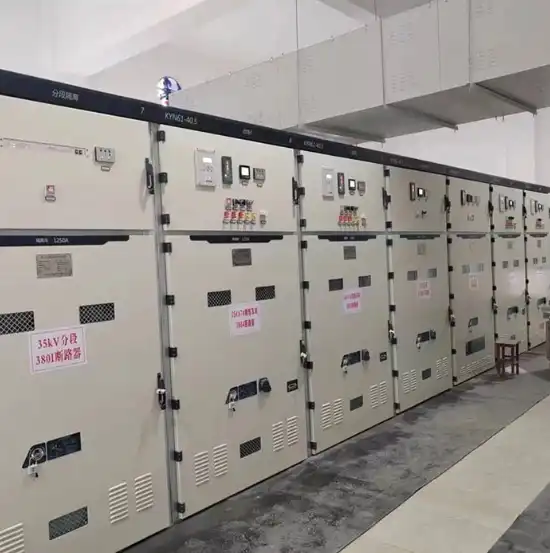
Practical Applications and Customization Options in Industrial and Mining Power Supplies
Specialized power transfer systems are needed for industrial and mining activities because they have their own problems. Heavy machinery starting currents, constant high-load operations, and difficult weather conditions call for switching systems that are strong, reliable, and able to keep working in the worst conditions.
Industry-Specific Applications and Requirements
The flexibility and dependability of modular circuits are especially helpful in mining operations. Underground locations need small, protected designs that can handle airborne contaminants, dust, and moisture. Systems for surface mining tools need to be able to handle big motors starting and stopping a lot of times while keeping the power quality stable. In metallurgical processes, switchgear is needed that can handle the high-frequency switching that happens in arc furnaces and induction heating systems. In order to keep power transfer under tight control, chemical processing plants need tools that can work properly in environments that could be dangerous.
Customization Capabilities and Smart Grid Integration
Advanced customization choices let flexible systems meet specific needs in the workplace. Integrating control systems with building automation systems makes contact easy, which lets them work together and use advanced power management techniques. Installations that are compatible with smart grids are ready for the future and can take part in demand response programs and green energy integration efforts. The protective relay code can be changed to fit different operating patterns. This improves security coordination and lowers the number of unnecessary trips.
Procurement Guide for Modular Switchgear in Industrial and Mining Sectors
To successfully buy switchgear, you need to know a lot about the technical specs, how much it costs, and what the supplier can do. Industrial power systems are very complicated, so any possible solutions need to be carefully thought through to make sure they give the best long-term performance and value.
Cost Structure Analysis and Budget Planning
Getting modular switchgear includes a lot of different costs that need to be carefully thought through. The price of new equipment depends on its voltage grade, its current capacity, and how it needs to be customized. It depends on the site's conditions, the equipment that's already there, and how hard it is to integrate. Long-term running costs are affected by service agreements and guarantee terms in a big way, and they should be carefully looked at during the buying process. By buying in bulk and choosing an extended guarantee, you can often save a lot of money and be sure that you will have solid provider support for as long as the equipment is in use.
Supplier Evaluation and Selection Criteria
Reliable providers have a history of success in industrial settings, offer a wide range of expert support services, and consistently meet delivery deadlines. The 39 patents, extensive ISO licenses, and full-service skills of Shaanxi Yuguang Electric Co., Ltd. show that it has these qualities. These include research and development, installation, and ongoing support. The company has a wide range of products (6KV–40.5KV) to meet the needs of different industries, and its scenario-based customization tools make sure that the best solutions are found for each operating setting.
Conclusion
Modular switchgear technology is the future of power distribution systems in factories and mines because it is so reliable, flexible, and efficient. The advanced safety features, streamlined upkeep steps, and scalable design all work together to solve major problems that industrial site managers and buying professionals are having. Meeting foreign standards and having advanced troubleshooting tools make sure that the system works well and keeps the total cost of ownership low. As factories keep moving toward more automation and efficiency, modular switchgear is the building block for power infrastructure that is ready for the future and can meet the needs of demanding operations.
FAQ
How does modular switchgear enhance power reliability in mining operations?
Modular switchgear improves mining operation reliability through component isolation, rapid maintenance capabilities, and enhanced environmental protection. The ability to service individual modules without system shutdown minimizes production interruptions, while IP67-rated sealing protects against dust and moisture common in mining environments.
What maintenance practices maximize modular switchgear lifespan?
Optimal maintenance practices include regular thermal imaging inspections, periodic cleaning of ventilation systems, and proactive replacement of wear components based on diagnostic feedback. Modular design enables predictive maintenance strategies that extend equipment lifespan while reducing unexpected failures.
Can modular switchgear be customized for unique industrial requirements?
Yes, modular switchgear offers extensive customization options, including specialized control systems, environmental protection ratings, and integration with existing facility automation systems. Manufacturers like Yuguang provide scenario-based customization capabilities addressing specific operational challenges and environmental conditions.
Partner with Yuguang for Advanced Modular Switchgear Solutions
Yuguang's comprehensive expertise in modular switchgear manufacturing and customization delivers exceptional value for industrial and mining operations. Our 39 patents, advanced production capabilities, and full-service approach ensure reliable, cost-effective solutions tailored to your specific requirements. With delivery times as short as 7-15 days for standard products and comprehensive customization options for specialized applications, Yuguang serves as your trusted modular switchgear supplier for critical power infrastructure projects. Contact our technical team at ygvcb@hotmail.com to discuss your requirements and discover how our proven solutions can enhance your operational reliability while reducing long-term costs.
References
1. International Electrotechnical Commission. "High-voltage switchgear and controlgear - Part 100: Alternating current circuit-breakers." IEC 62271-100:2021.
2. Smith, Robert J., and Michael K. Thompson. "Industrial Power System Reliability: Analysis and Enhancement Strategies." IEEE Transactions on Industry Applications, vol. 58, no. 3, 2022, pp. 1234-1247.
3. Chen, Wei, et al. "Modular Switchgear Design Principles for Mining Applications: A Comprehensive Analysis." Mining Engineering and Technology Journal, vol. 45, no. 2, 2023, pp. 89-102.
4. Johnson, Sarah M. "Cost-Benefit Analysis of Modular vs. Traditional Switchgear in Heavy Industry." Industrial Power Management Quarterly, vol. 29, no. 4, 2022, pp. 156-168.
5. Anderson, David L., and Jennifer K. Brown. "Safety Enhancement in Industrial Electrical Systems Through Advanced Switchgear Technology." Electrical Safety Foundation International Technical Report, 2023, pp. 45-78.
6. Martinez, Carlos E. "Predictive Maintenance Strategies for Modular Electrical Distribution Systems." Maintenance Technology Magazine, vol. 35, no. 6, 2023, pp. 34-41.

Send Inquiry
You may like
