
Load Break Switches: Types, Working Principles, and Operation
Load interrupter switches are essential electrical switching devices designed to safely make and break load currents in medium and high-voltage power distribution systems. These sophisticated components serve as critical safety mechanisms in electrical networks, combining the functionality of isolation and switching operations. A load interrupter switch represents one of the most reliable solutions for power system protection, offering operators the ability to interrupt electrical circuits under normal load conditions while maintaining system integrity. Unlike simple isolator switches that can only operate under no-load conditions, load break switches handle energized circuits, making them indispensable for modern electrical infrastructure requiring both safety and operational flexibility.
Understanding Load Break Switches: Definition and Core Functions
In normal working situations, load break switches can make, carry, and break currents. They work as mechanical switching devices. These devices are different from regular isolator switches because they can safely stop load currents. On the other hand, they are not the same as circuit breakers because they can't stop fault currents.
Primary Functions and Safety Features
There are three main things that load break switches do: they make electrical connections when there is a load, they carry the rated current constantly, and they safely stop load currents. Advanced arc-quenching mechanisms built into these devices stop dangerous electrical sparks from happening during switching operations. There are built-in safety features like isolation gaps that can be seen, mechanical interlocks that stop operations from happening by mistake, and the ability to earth for safe repair.
Modern load break switches have advanced contact systems that keep the contacts from wearing down and make sure they work reliably for thousands of switching cycles. The structure of contacts usually has main contacts for carrying current and secondary contacts for control circuit operations. This makes sure that the whole system works together.
Operational Principles and Mechanisms
Controlled contact separation in an arc-quenching medium is the basic idea behind how it works. When the switch is used to break a circuit, the contacts split in a certain order, which makes an electrical spark. The arc-quenching medium—which could be air, vacuum, or gas—puts out this arc very quickly, protecting the switching device and keeping the system safe.
The mechanical action depends on systems that store energy, usually spring-charged devices, which make sure that it works the same way no matter how fast the operator goes. This feature of the design gets rid of differences in human error and makes sure that the switching works reliably in all kinds of environments.
Types of Load Break Switches and Their Applications
The main things that determine how to classify load break switches are the arc-quenching medium and the way they were built. There are different benefits to each type that make them better for different work settings and needs.
Air-Insulated Load Break Switches
The most common and cost-effective way to handle medium-voltage situations is with air-insulated versions. Air in the atmosphere is used as both an insulator and an arc-quencher in these switches. Arc chutes and magnetic blow-out coils are built into the design to make it better at stopping arcs. There are many benefits, such as easier upkeep, cheaper start-up costs, and proven dependability in normal environmental conditions. The load interrupter switch, on the other hand, needs bigger spaces to be installed and doesn't work as well in dirty or damp places.
Vacuum Load Break Switches
Vacuum technology is better at stopping arcs because it separates contacts inside sealed vacuum interrupters. The suction technology used in the load interrupter switch makes it very reliable and requires very little upkeep. The vacuum climate gets rid of worries about oxidation and has great dielectric healing properties. These switches work great in places where they need to be used a lot, like in industrial distribution systems and setups for green energy. The small size makes it easy to place in tight spaces, and it works well across a wide range of temperatures.
Gas-Insulated Variants
As the arc-quenching medium, sulfur hexafluoride (SF6) or other environmentally friendly gases are used in gas-insulated load break switches. Although the climate can be tough, these devices work very well in places like seaside areas with a lot of salt or industrial areas with a lot of pollution. The sealed design gives it IP67 protection ratings, which means it can work reliably in underwater sites, marine settings, and places that get a lot of rain or bad weather. The gas-insulated design also lets substations be set up in small spaces, which makes it perfect for building projects in cities.
Working Principles and Operation of Load Break Switches
For load break switches to work, their mechanical parts, electrical contacts, and arc-quenching devices must all work together perfectly. Knowing these rules lets you make the right choices and use them correctly in a variety of electricity systems.
Arc Interruption Process
When a load interrupter switch is used to open a circuit, the contacts separate because of the force of the spring. As the contacts move apart, an electric spark appears between them that carries the load current. The arc-quenching medium starts putting out this arc right away through a number of physical processes. In vacuum switches, the arc lives in a metallic mist habitat that is made when the contact material evaporates. This mist quickly condenses in the vacuum, putting out the arc in milliseconds. Gas-insulated switches use the shielding gas's better dielectric qualities to quickly cool down and remove ions from the arcs.
Contact Coordination and Timing
Modern load interrupter switch designs have complex contact time systems that make sure processes go in the right order. The main contacts stop the flow of current through the load, and the secondary contacts make sure that the control circuit works together. To protect the main contacts that carry current, arcing contacts split after the main contacts and close before them. These contacts are made to handle the switching stress. The time alignment stops contact welding, reduces erosion, and makes sure that the switching works the same way throughout the device's life. Advanced designs have diagnostic and tracking tools for the state of the contacts, which lets repair plans be planned ahead of time.
Integration with Protection Systems
Protective relays, current transformers, and voltage transformers work together with load break switches to make the whole system safe. The switching device reacts to orders from the protection system and lets the user know where the contacts are and how the system is working. More and more modern systems use smart grid technologies, which let them be controlled and monitored from afar. These features make the system more reliable while lowering running costs by making it easier to schedule repairs and responding quickly to problems.
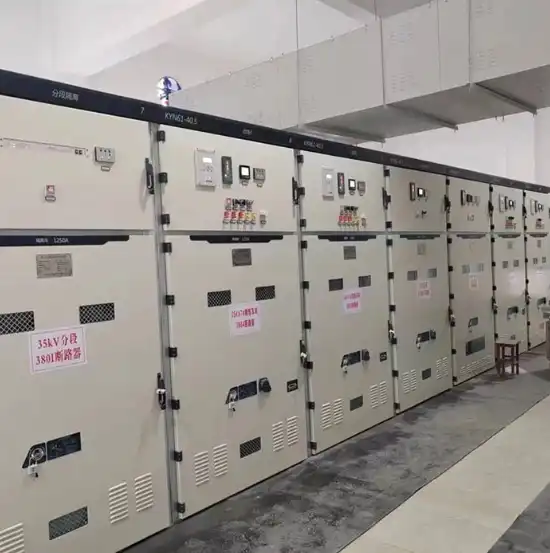
Choosing the Right Load Break Switch: Comparison and Decision-Making Guide
A lot of technical and financial factors need to be carefully considered when choosing the right load break switching tools. When making a choice, the method must take into account both short-term operating needs and long-term maintenance and reliability needs.
Technical Selection Criteria
The voltage rating is the most important factor in the decision process. For distribution uses, common ratings include 12kV, 24kV, and 36kV. Ratings for current must take into account both normal load currents and short-term problem currents that may happen before safety devices kick in. Extreme temperatures, humidity, altitude, and levels of contamination are just a few of the environmental factors that have a big impact on the choice of tools. Contact design and arc-quenching technology are chosen based on the switching frequency needs. Vacuum or gas-insulated technologies work best in situations where operations need to happen often, while air-insulated designs may work well in situations where operations need to happen less often.
Manufacturer Comparison and Quality Assessment
Leading companies like ABB, Siemens, Schneider Electric, and General Electric make a wide range of load break switches that use different technologies. Siemens focuses on technology and smart grid integration, while ABB focuses on flexible designs and being good for the environment. Schneider Electric focuses on saving energy and lowering costs over the life of a product. When looking at different makers, you should check if they meet approval requirements like IEC 62271-103 standards, quality management systems, and the ability to provide help in your area. Long-term operational costs are affected by the supply of spare parts, expert documents, and field service help in a big way.
Procurement Strategy and Cost Considerations
The total cost of ownership includes the price of buying the equipment, the cost of setting it up, the cost of running it, and the cost of getting rid of it when it's no longer useful. For a load interrupter switch, most of the time, higher-quality switches need less upkeep and last longer, which makes up for their higher starting costs by saving money over time. When evaluating a vendor, you should look at how well they can produce, provide technical help, and manage projects. Building relationships with dependable load interrupter switch providers guarantees that equipment will always be available and that expert help will be quick to respond throughout the equipment's lifecycle.
Benefits and Future Trends of Load Break Switches
Load break switching technology keeps getting better thanks to digitalization, concerns about the environment, and higher performance standards. These changes open up chances to make systems more reliable and operations run more smoothly.
Operational and Economic Benefits
Modern load break switches are safer because they have better arc-quenching technologies and more security features. When repair needs are cut down, business costs go down and system availability goes up. Being able to move activities without system outages cuts down on lost income and makes customers happier. Condition-based maintenance strategies are made possible by advanced diagnostic tools. These tools help make maintenance plans more efficient and stop unexpected breakdowns. The ability to operate from a distance protects people from electricity dangers and speeds up the response time to system problems.
Emerging Technologies and Smart Grid Integration
When Internet of Things (IoT) technologies are combined, they allow for real-time tracking and predictive data. Centralized control systems can get practical data from smart switches, such as contact wear indicators, gas pressure tracking, and temperature conditions. The technology behind vacuum interrupters keeps getting better with better contact materials and better tracking of vacuum stability. Because of environmental rules, gases other than SF6 are becoming more popular. Manufacturers are coming up with eco-friendly options that keep performance high while lowering the damage to the environment.
Strategic Procurement Considerations
As technology changes and standards become more common, future buying plans will need to take these into account. Buying equipment that can be upgraded and has digital communication ports will make sure that it works with new smart grid technologies. Sustainability factors like recyclable materials, less damage to the environment, and energy savings are becoming more important in buying choices. By forming relationships with creative makers, you can get access to the newest technologies and full expert support for the whole duration of your equipment.
Conclusion
Load interrupter switchs serve as fundamental components in modern electrical distribution systems, providing essential safety and operational capabilities for diverse industrial applications. The selection of appropriate switching technology requires careful consideration of technical requirements, environmental conditions, and long-term operational objectives. As electrical systems continue evolving toward increased digitalization and environmental sustainability, load break switches will incorporate advanced monitoring capabilities and eco-friendly technologies. The investment in high-quality switching equipment from established manufacturers ensures reliable performance, comprehensive support, and compatibility with future system enhancements.
FAQ
What is the difference between a load break switch and a circuit breaker?
A load interrupter switch can safely interrupt normal load currents but cannot break fault currents like short circuits. Circuit breakers, on the other hand, are made to stop both problem currents and load currents. Load break switches are usually used for isolating and normal switching tasks, while circuit breakers protect against all kinds of electrical problems.
How often should load break switches be maintained?
How often maintenance is done relies on the switching technology and the setting in which it is used. Most vacuum load break switches need to be checked every two to three years, while air-insulated versions may need to be serviced once a year. Gas-insulated switches can work for 5 to 10 years without needing major repairs. Diagnostic tests done on a regular basis help make repair plans more effective by showing how the equipment is really doing.
What safety precautions are necessary when operating load break switches?
Operators must make sure that the equipment is rated correctly, that the load is within safe limits, and that lockout/tagout processes are followed. It is important to have personal protective tools like arc-rated clothes and safety glasses. When possible, remote control should be used to keep people from coming into contact with electrical dangers.
Can load break switches be used in renewable energy applications?
These days, load break switches work great in green energy systems like solar power plants and wind farms. Vacuum and gas-insulated technologies can handle the many switching processes that are needed in these situations and keep working well even in tough conditions.
Partner with Yuguang for Premium Load Break Switch Solutions
Shaanxi Yuguang Electric Co., Ltd. stands as your trusted load interrupter switch manufacturer, offering comprehensive solutions for medium and high-voltage switching applications. Our ISO 9001:2015-certified factory combines advanced production tools with strict quality control to make sure that every load break switch meets international standards and goes above and beyond what is expected for its intended use. Yuguang provides cutting-edge switching options that are custom made to meet your needs. With 39 patents and recognition as a "High and New Technology Enterprise,"
Our range of products includes vacuum load break switches, gas-insulated versions, and custom-built options that are used in infrastructure, industrial manufacturing, and power generation around the world. Customized research and development, skilled installation support, and quick after-sales service are all part of the complete service approach. This makes sure that the equipment works at its best throughout its operating lifecycle. Get in touch with our professional team at ygvcb@hotmail.com to talk about your load break switch needs and find out how Yuguang's knowledge can make your electrical system more reliable.
References
1. IEEE Standard C37.71-2015, "IEEE Standard for Three-Phase, Manually Operated Subsurface Load Interrupting Switches for Alternating-Current Systems"
2. International Electrotechnical Commission, "IEC 62271-103:2021 High-voltage switchgear and controlgear - Part 103: Switches for rated voltages above 1 kV up to and including 52 kV"
3. Naidu, M.S., and Kamaraju, V., "High Voltage Engineering, Fifth Edition," McGraw-Hill Education, 2013
4. Ryan, Hugh M., "High Voltage Engineering and Testing, Third Edition," Institution of Engineering and Technology, 2013
5. Slade, Paul G., "Electrical Contacts: Principles and Applications, Second Edition," CRC Press, 2014
6. Working Group A3.24, "Guide for Application of Load Break Switches in Distribution Systems," CIGRE Technical Brochure 683, 2017

Send Inquiry
You may like
