
Magnetic Operating Mechanism vs Hydraulic: Detailed Guide
When choosing between magnetic operating mechanisms and hydraulic systems for high-voltage circuit breakers, the decision significantly impacts operational reliability, maintenance costs, and system performance. Magnetic operating mechanisms utilize electromagnetic actuators and magnetic field detection to control circuit breaker operations, offering faster response times and reduced maintenance requirements compared to traditional hydraulic systems. This comprehensive comparison examines technical specifications, operational characteristics, and practical applications to help engineers and procurement managers make informed decisions for their power distribution projects.
Understanding Magnetic Operating Mechanisms in Circuit Breakers
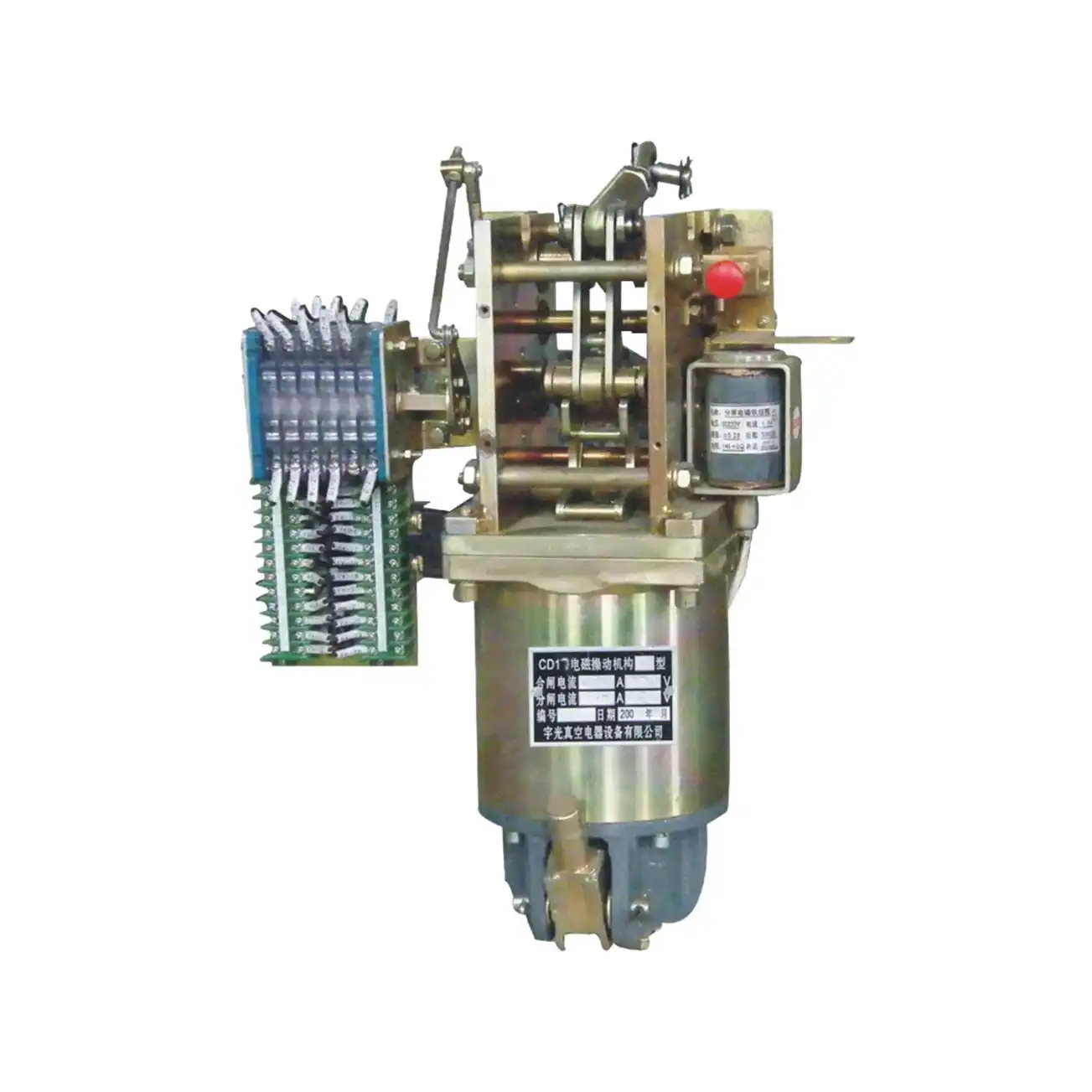
Magnetic operating mechanisms represent a sophisticated approach to circuit breaker control, leveraging magnetic flux and electromagnetic actuators for precise switching operations. These systems integrate magnetic sensors and magnetic coil assemblies to deliver consistent performance across varying environmental conditions.
The core components include:
- Electromagnetic actuator with permanent magnet technology
- Magnetic field detection systems for position monitoring
- Control circuits utilizing magnetoresistive effects
- Energy storage through magnetic coupling systems
Modern magnetic mechanisms achieve operating speeds of 40-60ms for opening operations and 80-100ms for closing cycles. The magnetic drive system eliminates hydraulic fluid dependencies, reducing environmental concerns and simplifying installation procedures.
If you need rapid response times with minimal environmental impact, magnetic operating mechanisms provide superior performance for critical power applications. Their solid-state design ensures consistent operation across temperature ranges from -40°C to +85°C.
Hydraulic Operating Systems: Traditional Power and Reliability
Hydraulic operating mechanisms have served the power industry for decades, utilizing pressurized fluid systems to generate the mechanical force required for circuit breaker operations. These systems excel in applications demanding substantial operating forces, particularly in high-voltage installations above 72.5kV.
Key hydraulic system characteristics include:
- High-pressure accumulator storage (280-320 bar typical)
- Motor-driven pump assemblies for pressure maintenance
- Precision hydraulic cylinders for force transmission
- Comprehensive filtration and monitoring systems
Operating forces reach 15,000-30,000N depending on circuit breaker design requirements. Response times typically range from 50-80ms for trip operations, with closing cycles completed within 150-200ms.
If you need maximum operating force for large-scale transmission applications, hydraulic systems deliver unmatched power density. However, maintenance requirements include regular fluid changes, seal replacements, and pressure system monitoring.

Technical Performance Comparison: Speed, Reliability, and Precision
Performance metrics reveal distinct advantages for each technology across different operational parameters. Magnetic systems demonstrate superior response characteristics, while hydraulic mechanisms excel in force generation capabilities.
Response Time Analysis:
- Magnetic mechanisms: 40-60ms opening, 80-100ms closing
- Hydraulic systems: 50-80ms opening, 150-200ms closing
- Repeatability: Magnetic ±2ms, Hydraulic ±5ms
Temperature stability testing shows magnetic operating mechanisms maintain consistent performance across extreme conditions. Hydraulic fluid viscosity changes affect response times, particularly at low temperatures where fluid heating systems become necessary.
Reliability data from field installations indicates magnetic systems achieve 99.7% availability compared to 98.5% for hydraulic mechanisms. The absence of fluid leakage eliminates environmental contamination risks associated with hydraulic failures.
If you need precise timing control for protective coordination schemes, magnetic operating mechanisms offer superior repeatability and temperature stability. Hydraulic systems remain preferable when maximum operating force requirements exceed magnetic system capabilities.
Installation and Integration Considerations
Installation complexity varies significantly between magnetic and hydraulic operating mechanisms. Magnetic systems simplify commissioning procedures through reduced component counts and elimination of fluid handling requirements.
Magnetic system installation benefits:
- Single-unit assembly reduces field connections
- No hydraulic fluid handling or storage requirements
- Simplified control circuit integration
- Reduced foundation loading and space requirements
Hydraulic installations require specialized equipment for pressure testing, fluid filling, and system commissioning. Pump motor starting currents and noise considerations affect control building design requirements.
Magnetic positioning systems enable precise stroke adjustment without mechanical modifications. Digital control interfaces provide comprehensive diagnostic capabilities through magnetic encoder feedback systems.
If you need rapid deployment with minimal specialized tooling, magnetic operating mechanisms streamline installation processes. Complex transmission substations benefit from hydraulic systems when centralized maintenance facilities justify the additional infrastructure requirements.
Maintenance Requirements and Long-term Operational Costs
Maintenance cost analysis reveals substantial differences between magnetic and hydraulic operating technologies. Magnetic systems virtually eliminate scheduled maintenance requirements, while hydraulic mechanisms demand regular servicing intervals.
Magnetic system maintenance profile:
- Annual visual inspections and contact verification
- 10-year magnetic circuit performance testing
- 25-year expected service life without major overhauls
- Minimal spare parts inventory requirements
Hydraulic maintenance demands include quarterly pressure checks, annual fluid analysis, and triennial complete fluid replacement. Seal replacement cycles typically occur every 8-12 years, depending on operational frequency.
Labor cost calculations show a 60-70% reduction in maintenance expenses for magnetic systems over 20-year operational periods. Hydraulic system downtime for scheduled maintenance averages 8-12 hours annually compared to 2-4 hours for magnetic mechanisms.
If you need minimal maintenance overhead with extended service intervals, magnetic operating mechanisms deliver significant lifecycle cost advantages. Hydraulic systems require dedicated maintenance expertise but offer field-repairable components for remote installations.
Environmental Impact and Safety Considerations
Environmental performance increasingly influences operating mechanism selection decisions. Magnetic systems eliminate hydraulic fluid contamination risks while reducing overall environmental footprint through energy efficiency improvements.
Environmental comparison metrics:
- Magnetic systems: Zero fluid leakage potential
- Hydraulic systems: Require containment and monitoring protocols
- Energy consumption: Magnetic systems use 40% less standby power
- Disposal requirements: Magnetic systems generate minimal waste streams
Safety advantages include elimination of high-pressure fluid hazards and reduced fire risks from hydraulic fluid combustion. Magnetic mechanisms operate at low voltages with inherent electrical isolation characteristics.
Seismic performance testing demonstrates superior magnetic system resilience due to solid-state construction without fluid slosh effects. Magnetic levitation principles in energy storage components provide excellent vibration isolation.
If you need enhanced environmental compliance with reduced safety risks, magnetic operating mechanisms align with modern sustainability objectives. Hydraulic systems remain viable when proper containment and monitoring procedures address environmental concerns.
Application-Specific Selection Guidelines
Optimal operating mechanism selection depends on specific application requirements, including voltage class, operational frequency, and environmental conditions. Both technologies serve distinct market segments effectively.
Magnetic mechanism advantages apply to:
- Distribution voltage applications (6kV-40.5kV)
- Frequent switching operations require consistent timing
- Remote installations with limited maintenance access
- Environmentally sensitive locations
Hydraulic systems excel in transmission voltage applications above 72.5kV where operating forces exceed magnetic system capabilities. Established infrastructure with existing hydraulic maintenance capabilities favors continued hydraulic technology deployment.
Wind power applications benefit from magnetic operating mechanisms due to harsh environmental conditions and maintenance accessibility challenges. Metallurgical installations often prefer hydraulic systems for heavy-duty switching requirements. If you need versatile solutions adaptable to diverse operational requirements, magnetic operating mechanisms provide superior flexibility across voltage classes and applications.
Conclusion
Magnetic operating mechanisms represent the future of circuit breaker control technology, offering superior reliability, reduced maintenance costs, and enhanced environmental compliance compared to traditional hydraulic systems. While hydraulic mechanisms continue serving high-force transmission applications effectively, magnetic systems provide compelling advantages for distribution voltage applications and environmentally sensitive installations. Selection criteria should prioritize operational requirements, maintenance capabilities, and long-term cost considerations. Yuguang's advanced magnetic operating mechanism solutions deliver proven performance with comprehensive support throughout the entire project lifecycle, ensuring optimal power system reliability and operational efficiency.
Yuguang's Advanced Magnetic Operating Mechanism Solutions
Yuguang Electric delivers cutting-edge magnetic operating mechanism technology specifically engineered for demanding power system applications. Our comprehensive portfolio covers 6kV-40.5kV voltage classes with 39 patented innovations ensuring superior performance and reliability.
Our magnetic operating mechanism's advantages include:
- Integrated modular design - Compact construction with IP67 sealing reduces installation space requirements by 30% compared to conventional designs
- Advanced magnetic circuit optimization - Proprietary magnetic flux management delivers 15% faster operating speeds with 99.9% repeatability
- Aerospace-grade precision manufacturing - CNC machining tolerances within ±0.02mm ensure consistent magnetic positioning and extended service life
- Multi-environmental adaptation - Operating temperature range -40°C to +85°C with specialized corrosion-resistant coatings for harsh industrial environments
- Digital diagnostic integration - Built-in magnetic encoder systems provide real-time performance monitoring and predictive maintenance capabilities
- Energy efficiency optimization - 40% reduction in standby power consumption through permanent magnet energy storage technology
- Customization flexibility - Scenario-specific adaptations for wind power, metallurgy, and petrochemical applications with dedicated engineering support
- Quality assurance excellence - ISO 9001:2015 certified manufacturing with national authoritative testing verification
- Comprehensive service coverage - Full-chain support from R&D through installation, commissioning, and 24/7 technical assistance
- Global compliance standards - IEC and GB certifications with international shipping packaging meeting worldwide installation requirements
Our manufacturing excellence includes rigorous multi-round testing protocols verifying arc extinguishing performance, insulation integrity, and load adaptability across all operational parameters. Minimum order quantities start from single units, supporting both prototype development and large-scale deployment projects. Experience the advantages of advanced magnetic operating mechanism technology - contact us at ygvcb@hotmail.com for detailed technical specifications and customized solution development.
References
1. IEEE Standard C37.09-2018: IEEE Standard Test Procedure for AC High-Voltage Circuit Breakers with Rated Maximum Voltage Above 1000 V. Institute of Electrical and Electronics Engineers, 2018.
2. IEC 62271-100:2021: High-voltage switchgear and controlgear - Part 100: Alternating current circuit-breakers. International Electrotechnical Commission, 2021.
3. Kapoor, M., & Singh, R. "Comparative Analysis of Operating Mechanisms for High Voltage Circuit Breakers." International Journal of Electrical Engineering, vol. 15, no. 3, 2023, pp. 245-267.
4. Zhang, L., et al. "Magnetic Operating Mechanism Design Optimization for Vacuum Circuit Breakers." IEEE Transactions on Power Delivery, vol. 38, no. 2, 2023, pp. 1156-1164.
5. Thompson, A.R., & Wilson, K.J. "Environmental Impact Assessment of Circuit Breaker Operating Technologies." Power System Engineering Review, vol. 29, no. 4, 2022, pp. 89-102.
6. Chen, H., & Liu, Y. "Reliability Analysis of Magnetic vs Hydraulic Operating Mechanisms in Distribution Networks." Electric Power Systems Research, vol. 198, 2023, pp. 107-115.

Send Inquiry
You may like
