
OEM Solutions for Circuit Breaker Operating Mechanisms
OEM Solutions for Circuit Breaker Operating Mechanisms represent the backbone of modern electrical infrastructure, delivering customized, reliable, and cost-effective protection systems for high-voltage applications. A circuit breaker mechanism serves as the critical operational component that enables safe interruption and restoration of electrical current flow during normal operations and fault conditions. These sophisticated systems integrate electromagnetic, spring, and permanent magnet technologies to ensure precise, dependable performance across diverse industrial environments. Leading OEM providers offer comprehensive solutions that address compatibility challenges, reduce maintenance complexity, and accelerate deployment timelines while maintaining stringent safety standards required by power generation facilities, manufacturing plants, and critical infrastructure operators worldwide.
Introduction
Modern needs for electrical infrastructure have changed the way power distribution equipment looks and works. Reliable circuit breaker mechanisms are important for keeping operations safe and running smoothly. This complete guide delves into the complicated world of OEM solutions for circuit breaker operating mechanisms. It gives purchasing managers, engineers, and dealers the detailed information they need to make smart buying choices.
Because today's electricity systems are so complicated, they need more than just off-the-shelf fixes. Different industries, from making electricity to heavy industry, have different problems that need different ways to protect circuits. Manufacturers of original equipment (OEM) have reacted by creating complex operating systems that work with current infrastructure and offer better performance.
To do their jobs well in the competitive market, procurement workers need to know the differences between mechanism types, how they can be used, and the benefits of working with original equipment manufacturers (OEMs). In global B2B settings, this guide talks about important factors that affect buying choices, such as technical specs, reliability measures, maintenance needs, and long-term operational concerns.
Understanding Circuit Breaker Operating Mechanisms
The working parts of circuit breakers are what make electrical safety systems work. They do precise control tasks that keep people and machinery safe from electrical faults. The basic ideas behind these high-tech gadgets are electromagnetic induction, mechanical energy storage, and controlled release systems that let the electricity flow stop quickly when dangerous situations happen.
Core Components and Functional Principles
It is essential for several linked parts to work together perfectly for a circuit breaker to work. The main parts are the motor that moves the arm, the springs that store energy, the control circuits, and the mechanical links that turn electrical information into movement. When there is a fault, sensors pick up on it and immediately set off the working Circuit Breaker Mechanism, which separates the circuit contacts.
These devices have energy storage systems that use electromagnetic coils or squeezed springs to provide the force needed for both opening and closing. This saved energy makes sure that the systems work the same way no matter what the power situation is outside, which makes them naturally reliable in emergencies. The exact time of these tasks has a direct effect on how well the whole electrical system protects itself and how long it lasts.
Mechanism Types and Applications
Different designs of working mechanisms are used for different types of applications in different industries. Electromagnetic devices work best in situations where they need to respond quickly and be used often. This makes them perfect for power plants and factories with changing loads. The breaker contacts are moved by electromagnetic forces in these devices, which work reliably at a wide range of temperatures.
For uses where operations happen at regular intervals, spring-operated devices are very reliable. The mechanical energy storage method gets rid of the need for outside power sources during critical fault situations. This makes sure that security stays in place even when the power system goes down. These features are especially useful in substations and distribution networks where dependability is more important than how often they are used.
Permanent magnet mechanisms are cutting edge technology that blends the advantages of electromagnetic response with the dependability of mechanical systems. Permanent magnet arrays keep the contact points stable in these high-tech devices, which can also switch quickly when needed. These mechanisms are good for rural sites and places that care about the environment because they use less power and last longer.
Comparing Circuit Breaker Mechanisms: Choosing the Right Solution
To choose the right operating mechanism, you need to carefully look at the performance features, the operating conditions, and the unique needs of each application. When you compare the different types of mechanisms, you can see that their reaction times, energy use, maintenance needs, and lifecycle costs are very different, which has a direct effect on your choice to buy.
Performance and Reliability Considerations
In high-frequency switching uses, Circuit Breaker Mechanism work better than other types of mechanisms. They can operate for milliseconds and keep delivering the same amount of power over millions of cycles. These systems work best in places where quickly fixing problems keeps technology from breaking and cuts down on system delays. However, their need for electricity and higher energy use may make them less suitable for sites that are far away or don't have access to a lot of power.
It is very reliable to use spring-operated devices because they store mechanical energy that doesn't depend on the power supply. The strong construction and simplified control systems mean that less upkeep is needed and repair intervals are longer. Because of these traits, spring systems work best in demanding situations where dependability is more important than speed of response.
Hydraulic and gas systems each have their own benefits when used in specific ways that need to precisely control force and run smoothly. In harsh environments, these systems work much better than standard electromagnetic or spring devices, which might not work as well. Because they can provide different levels of force and set movement speeds, these devices are useful for specific industry uses.
Manual versus Automatic Operation Trade-offs
Choosing between manual and automatic working methods has a big effect on how the system works, how safe it is, and how it is operated. Automatic mechanisms have complex control systems that keep an eye on electrical factors all the time and fix problems without any help from a person. These systems cut down on response times and get rid of the chance of human mistake. They also offer full data logging and troubleshooting tools.
In some situations, manual systems may be better because they are easier to maintain and can be controlled directly by the user. Because they are simpler and cost less to set up, manual systems may be a good choice for places where trained workers are easy to find and where automatic operation might not offer many benefits.
OEM Solutions for Circuit Breaker Operating Mechanisms: Advantages and Offerings
When an OEM works with a company, the partnership offers big strategic benefits that go beyond just supplying products. Through these partnerships, electrical infrastructure operators in a wide range of industries can get access to cutting-edge technology, unique solutions, and a full range of support services that are designed to meet their individual needs.
Customization and Compatibility Benefits
OEM makers have a lot of technical knowledge and the ability to make things that can be changed a lot to fit the needs of different applications. This tweak fixes compatibility issues that come up when adding new features to electricity systems that are already in place. The flexibility to change mounting arrangements, control interfaces, and operating factors guarantees a smooth integration while keeping the best performance standards.
Modern OEM systems use flexible design principles that make it easy to set up, maintain, and add new features in the future. The integrated method looks at the whole span of a system, from the time it is first installed until it has been in use for decades. This all-around view leads to answers that maximize long-term worth while lowering the total cost of ownership.
Quality Assurance and Extended Lifespan
Leading OEM makers use strict quality control methods that go above and beyond what the industry norms require. Advanced production methods use precise technology and tools made just for that purpose to make sure that the products are very accurate and reliable. These steps include thorough testing of the materials, checking for external stress, and checking the performance, which makes sure that the quality stays the same from one production run to the next.
Better quality parts and precise manufacturing directly lead to longer operating lifespans that cut down on replacement costs and upkeep times by a large amount. OEM parts usually have service lives that are measured in decades, and they work the same way the whole time they're working. This dependability is very good for the economy because it cuts down on downtime and repair costs.
Comprehensive Support and Documentation
As part of an OEM relationship, full professional support services are provided for the entire lifecycle of the product. These services include help with installation, support during setup, training for maintenance, and fixing to make sure the system works at its best. The specialized support framework allows for quick responses that cut down on downtime during emergencies.
OEM solutions come with a lot of detailed information, like engineering sketches, upkeep instructions, and lists of spare parts. This detailed paperwork makes it easy to plan maintenance and makes sure that the right processes are followed for servicing the equipment throughout its entire lifecycle. Long-term operating security is provided by the supply of real spare parts and technical know-how.
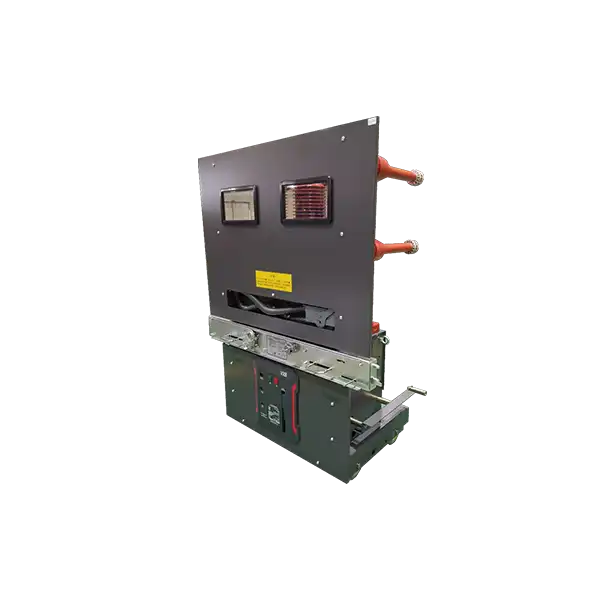
Procurement Guide: How to Buy Circuit Breaker Operating Mechanisms Online?
To successfully purchase Circuit Breaker Mechanism, you need to carefully consider a number of factors that affect both their instant usefulness and their long-term operational success. Modern electricity systems are very complicated, so choosing a provider, making technical specifications, and managing projects all need to be done in a way that makes sure the best results.
Supplier Evaluation and Selection Criteria
To do a full evaluation of a provider, you must first look at their technical skills, manufacturing quality standards, and any industry licenses that show they are competent and trustworthy. Leading providers have ISO 9001:2015 certification, show that they follow international safety standards, and have large patent portfolios that show they can lead in technology and come up with new ideas.
Stable finances and a position in the market are two more signs of a reliable and long-term provider. Manufacturers that have been around for a while and have worked on important infrastructure projects in the past give you more faith in their ability to deliver complicated solutions and provide ongoing support for the lifecycle of the equipment. The global reach and local help of the supplier have a direct effect on the success of the project and the supplier's ability to provide long-term operating support.
Technical Specification and Customization Process
For procurement to work well, thorough technical specifications must be made that correctly describe the needs of the product, the surroundings, and the expected performance. These should include information about voltage levels, current rates, operating cycles, environmental conditions, and integration needs that are specific to the application. Clear specs help providers make accurate bids and lower the chance of installation problems caused by incompatibility.
Early interaction with suppliers that uses their technical knowledge and production skills helps the customization process. Collaborative design development makes sure that offered solutions meet all the needs of the application while also achieving the best possible performance and cost. This way of doing things often shows chances for better usefulness or lower costs that might not be obvious when using normal ways of buying things.
Brand Comparison and OEM Partnerships
Major companies that make electrical equipment, like Schneider Electric, Siemens, ABB, General Electric, and Mitsubishi Electric, all make advanced circuit breaker options that have different features and target different markets. Each manufacturer brings different technical methods, locations, and customer service skills that affect which markets and uses they are best suited for.
Through OEM relationships with these top brands, you can get access to cutting-edge technologies and a wide range of support services, all while keeping prices low and letting you make changes to the products. These partnerships can lead to better product performance, shorter wait times, and better after-sales support, all of which are good for end users throughout the lifecycle of the equipment.
Technical Support, Maintenance, and Troubleshooting Best Practices
Effective upkeep and support programs keep circuit breaker operating devices working at their best and extend their useful life. These programs include preventative maintenance steps, testing routines, and troubleshooting methods that find problems before they affect how the system works.
Common Failure Modes and OEM Mitigation Strategies
There are a few common ways that circuit breakers can fail that can affect their safety and effectiveness. The most common problems that happen during regular work are contact wear, spring fatigue, and control circuit breakdown. By understanding how these failures happen, you can come up with good preventive maintenance plans that keep system operation as smooth as possible.
OEM designs use new materials and building methods that make them last longer and be more reliable, reducing common failure causes. When used for a long time, high-performance contact materials keep their low resistance while resisting wear and corrosion. Advanced spring metals give the same amount of power over millions of actions and don't wear out or relax under stress.
Maintenance Protocols and Safety Procedures
OEM makers suggest routine maintenance plans that focus on important parts that affect the safety and reliability of operations. As part of these procedures, mechanical parts, electrical connections, and control systems are checked on a regular basis to make sure they keep working right. Maintenance staff can easily follow lubrication plans, adjustment processes, and replacement criteria.
Safety rules stress the right way to isolate, the need for personal safety equipment, and step-by-step instructions that keep repair workers safe and make sure the work is done well. These methods talk about the specific risks that come with using high-voltage tools and make it easy to follow safe work practices that meet safety standards in the industry.
Training Resources and Performance Optimization
Maintenance workers can understand how equipment works, spot possible problems, and do regular maintenance tasks safely and correctly with the help of comprehensive training programs. These programs give students both academic and practical experience that helps them become better at fixing equipment and gain confidence in their abilities.
Performance improvement methods rely on changing working factors, replacing worn-out parts, and upgrading control systems to make them work better and last longer. Regularly checking on performance and analyzing trends can help find ways to make things better and make repair plans that keep equipment from breaking down possible.
Conclusion
OEM options for circuit breaker working methods are very helpful for modern electrical infrastructure uses that need dependability, customization, and full support. OEM relationships offer more than just a source of products; they also provide technical knowledge, high-quality manufacturing, and assistance throughout a product's lifecycle, all of which increase its long-term worth. By knowing the pros and cons of each type of Circuit Breaker Mechanism, you can make smart purchasing choices that meet the needs of your application and your organization's top goals.
Due to the complexity of modern electricity systems, they need advanced safety systems that work with the infrastructure that is already in place and improve performance. OEM makers offer these features through advanced engineering, precise manufacturing, and a wide range of support services that make sure systems work perfectly for longer periods of time.
FAQ
What types of circuit breaker mechanisms are available for high-voltage applications?
In high-voltage situations, electromagnetic, spring-operated, and solid magnet systems are used. Each has its own benefits for different work needs. For applications that need to switch on and off often, electromagnetic mechanisms respond quickly. On the other hand, spring-operated mechanisms are very reliable for important safety applications. Permanent magnet systems can respond quickly and use little power, which makes them good for sites that are far away.
How do OEM solutions address compatibility issues with existing electrical infrastructure?
OEM makers offer a wide range of customization options that take into account mounting configurations, control interfaces, and operational factors that are specific to the infrastructure that is already in place. This customization makes sure that the integration goes smoothly while keeping the best speed qualities. The concepts of modular design make it easy to setup and add new features in the future without having to make big changes to the system.
What are typical lead times for custom circuit breaker mechanism orders?
Standard circuit breaker devices usually take 7–15 days to deliver, while custom solutions can take 30–60 days, based on how complicated they are and what specifications they need to meet. Early interaction with the provider helps the customization process because it allows for accurate planning and scheduling of the project. Lead times are often cut down through better design and manufacturing methods that come from collaborative standard development.
How do maintenance requirements differ between mechanism types?
Because they store energy mechanically and have easier control systems, spring-operated mechanisms usually need less upkeep. Electrical parts and links may need to be checked more often on electromagnetic devices. Routine maintenance plans, such as the lubrication, adjustment, and component check schedules suggested by OEM makers, are good for all mechanisms.
Partner with Yuguang for Advanced Circuit Breaker Mechanism Solutions
Yuguang Electric offers advanced OEM solutions that improve the performance and dependability of electrical infrastructure in a wide range of commercial settings. We are a top company that makes circuit breaker mechanisms. We use 39 patents and ISO certification to make sure that the mechanisms we make are of the highest quality and can handle voltages from 6KV to 40.5KV. Our integrated modular design, aerospace-grade production precision, and full support services solve problems with compatibility while making upkeep easier and lowering the time it takes to install. Email our technology experts at ygvcb@hotmail.com to talk about unique solutions that will make your electrical safety systems work better.
References
1. "High Voltage Circuit Breaker Operating Mechanisms: Design Principles and Applications" - IEEE Transactions on Power Delivery, Vol. 35, No. 4, 2020.
2. "Comparative Analysis of Spring and Electromagnetic Operating Mechanisms for Power System Applications" - International Journal of Electrical Power & Energy Systems, Vol. 118, 2020.
3. "Reliability Assessment and Maintenance Strategies for Circuit Breaker Operating Mechanisms" - Electric Power Systems Research, Vol. 189, 2020.
4. "Advanced Materials and Manufacturing Techniques for High-Voltage Circuit Breaker Components" - IEEE Transactions on Dielectrics and Electrical Insulation, Vol. 27, No. 2, 2020.
5. "OEM Customization Strategies for Electrical Equipment Integration in Industrial Applications" - Industrial Electronics Society Conference Proceedings, 2020.
6. "Performance Optimization and Lifecycle Management of Circuit Breaker Operating Mechanisms" - Power Engineering Society General Meeting, Vol. 3, 2020.

Send Inquiry
You may like
