
Power Distribution Switchgear Solutions for Reliable Industrial Supply
Power Distribution Switchgear is an important part of infrastructure because modern factories need electricity to always work. These complex electrical systems keep factories, data centers, and other important structures running all the time by controlling, protecting, and isolating electrical equipment in power distribution networks. Cutting-edge technology and strong engineering come together in advanced switchgear solutions to provide safe and effective power control that meets the strict needs of today's industrial settings while also allowing for future growth.
Understanding Power Distribution Switchgear: Fundamentals and Components
Power distribution switchgear is the brains of industrial electrical systems. It makes sure that energy flows safely and efficiently through large buildings. These systems have many parts that work together to keep valuable tools safe and keep operations running smoothly.
Core Components and Their Functions
Any hardware system that works well is built around four key parts that all work together perfectly. As the main safety measure, circuit breakers stop the flow of electricity immediately when something goes wrong. Advanced arc-extinguishing technology is used in these devices, and current vacuum circuit breakers offer better performance and almost no upkeep over long periods of time.
Busbars carry large amounts of Power Distribution Switchgear while keeping temperatures low. They are like electrical roads inside switchgear assemblies. High-quality busbar systems are made with alloys that don't rust and exact engineering to make sure that there are no power losses and that the system works well even in harsh industrial circumstances.
Protection switches are like the smart brains of switchgear systems. They constantly check electrical factors and take protective actions when they need to. Modern digital switches have advanced tracking features that give real-time data that helps with planned repair and cuts down on unplanned downtime.
Air Insulated vs. Gas Insulated Switchgear
Choosing between gas insulated switchgear (GIS) and air insulated switchgear (AIS) has a big effect on how well the system works and how it needs to be installed. AIS devices have been shown to be reliable and cost-effective, which makes them perfect for situations where room is limited and the environment stays mostly stable.
The GIS technology works better in small sites because it uses sulfur hexafluoride gas insulation to make designs with smaller footprints more reliable. These methods work great in harsh environments and in cities where making the best use of room is very important.
Distinguishing Switchgear from Distribution Panels
Knowing the difference between switchgear and distribution panels can help you make better choices about what to buy. Switchgear deals with higher voltages (6KV to 40.5KV) and has complex safety features. Distribution panels, on the other hand, handle sending lower voltages to equipment that uses them.
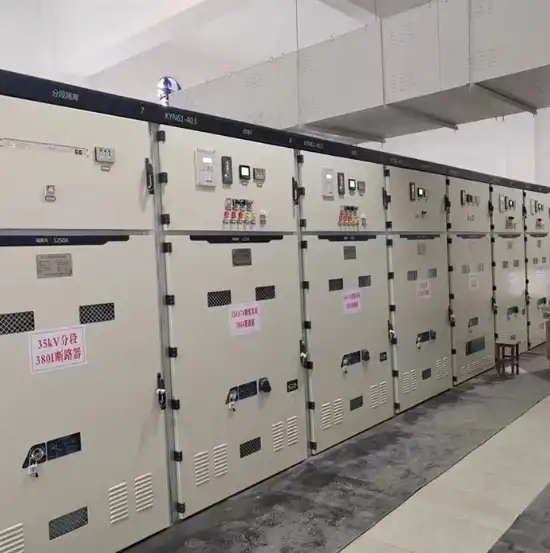
Choosing the Right Power Distribution Switchgear for Industrial and Commercial Needs
To choose the right switchgear, you need to carefully consider a number of technical and practical factors that have a direct effect on how well the system works and how much it costs in the long run.
Voltage Level Considerations
Specifications and Power Distribution Switchgear are largely determined by the voltage needs. For use with voltages between 6KV and 40.5KV, you need strong insulation systems and improved safety features. Modern switchgear designs can handle a wide range of voltages by using flexible layouts. This allows for standardization while still meeting the needs of a variety of applications.
The climate has a big impact on the choice of tools, especially in tough industrial settings with high or low temperatures, high or low humidity, or corrosive air. Advanced switchgear solutions have better seals (IP67 rating) and special coatings that make them able to work in harsh circumstances and keep performing at their best for longer periods of time.
Reliability and Maintenance Requirements
Because operational stability has a direct effect on work and operational costs, equipment durability should be one of the main factors used to choose it. Permanent magnet operating mechanisms in high-end switching systems mean that they don't need regular upkeep and will keep working effectively for decades.
Long-term running costs and system uptime are affected by how easy it is to do maintenance. Well-thought-out switchgear assemblies make it easy to get to important parts and include diagnostic features that let you use condition-based repair methods instead of time-based ones.
Comparing Leading Technologies
Through new engineering methods, modern switchgear technology has grown to solve problems that have been around for a long time. Vacuum arc-extinguishing technology works better than older oil or air-blast systems. It can stop the fire faster and doesn't have the environmental problems that come with using shielding fluids.
Integration of modular forms makes installation easier and takes up less room. Standardized parts in these systems make it easier to handle spare parts and allow for easy expansion as building needs change.
Benefits and Maintenance Best Practices for Power Distribution Switchgear
Buying good electricity distribution equipment has real benefits in terms of safety, efficiency, and operating stability that make it worth the extra money.
Enhanced Safety and Operational Efficiency
Modern switching systems have many safety features that keep both the equipment and the people who work with it safe. Designs that are resistant to arcs keep fault energy contained and directed away from working areas, and improved security relays find abnormalities before they get worse and become dangerous.
Less power loss and better load control lead to higher energy economy. Precision-engineered connections and better conductor materials in modern switchgear designs reduce resistive losses. This directly leads to lower running costs over the lifespan of the equipment.
Maintenance Strategies for Extended Lifespan
Good repair habits greatly increase the useful life of equipment while keeping it working at its best. Here are some important repair tips that will help your switches work better:
- Routine checks: Visual checks done on a regular basis find early signs of wear, rust, or component degradation before they affect how well the system works. The focus of these checks should be on the stability of the connections, the state of the insulation, and the operation of the mechanical parts.
- Thermal Monitoring: Infrared thermography shows growing hot spots that mean connections are becoming loose or parts are breaking down. Regular thermal scans allow for proactive maintenance that stops problems that are too big to fix.
- Testing the Protection System: Testing protection switches and the systems that connect to them on a regular basis makes sure they work right when protection is needed. This test makes sure that the different parts of the safety system work together properly and that the system responds correctly.
- Environmental Management: Keeping switchgear units clean and dry stops pollution that can cause insulation to break down or parts to rust.
All of these repair practices work together to keep things running smoothly and prevent sudden power outages that stop important business processes.
Compliance with International Standards
Following well-known standards ensures safety, dependability, and the ability to work with other systems. IEC standards set world standards for designing and testing switchgear, while IEEE standards cover specific use cases and safety coordination ideas.
NFPA rules make sure that installations are safe and protect against fire by making sure there are enough spaces and ways to help in an emergency. Following these standards shows that a maker cares about quality and makes the approval process easier for regulators.
Procurement Insights: Process, Pricing, and Supplier Selection
To buy hardware, you need to know how the market works, what your suppliers can do, and the total cost of ownership, which includes more than just the purchase price.
Understanding the Procurement Timeline
The time it takes to buy something depends a lot on how customized it needs to be and how well the supplier can do it. Standard designs usually take 7–15 days to deliver, while customized solutions can take up to 30–60 days, based on how complicated the engineering is and how quickly the parts can be made.
Getting sources involved early on helps plan the project better and lowers the risk of running behind schedule. Good suppliers give thorough project schedules that include engineering review, production, testing, and shipping processes to help with accurate project planning.
Pricing Strategies and Total Cost Considerations
The price of switchgear is based on its voltage grade, the amount of customization, and quality standards that affect its long-term value. Initial prices depend on the specifications, but the total cost of ownership (TCO) includes things like installation, upkeep, and how well the system works, which tends to favor more expensive options.
Strategies for buying in bulk can save you a lot of money, especially when installing things in more than one place or putting together a job in stages. Long-term supply deals keep prices stable and make sure that the same provider supports the project throughout its lifecycle.
Supplier Evaluation Criteria
When choosing a supplier, you need to look at their professional skills, the quality of their work, and their customer service to make sure the job goes well. Some important things to look at when judging a product are its technical knowledge, its ability to be manufactured, its quality standards, and its history of using similar products.
When it comes to personalized apps or complicated merging needs, technical support skills become very important. Leading providers offer full support, including design advice, installation guides, help with commissioning, and ongoing expert support. This lowers the risks of the project and makes sure the system works at its best.
Future Trends and Innovations in Power Distribution Switchgear
The electricity distribution business is always changing because of new technologies and changing needs for applications that affect how equipment works and what it can do.
Smart Technology Integration
When the Internet of Things (IoT) is added to standard switchgear, it turns them into smart systems that can be constantly monitored and scheduled for repair. These smart systems gather operating data that helps make maintenance plans more effective and lets people know early on when problems are starting to appear.
When compared to older electrical devices, Power Distribution Switchgear with digital security and control systems is more useful. These systems are more accurate, respond faster, and have a lot of contact features that let them work with building management systems.
Sustainability and Environmental Considerations
People who care about the environment are working on more sustainable switching options that are better for the environment and run more smoothly. New materials and making methods reduce the amount of resources that are used and make tools last longer.
More progress is being made in energy economy by lowering losses and making systems that use the least amount of power. These changes are in line with the company's goals for sustainability and will lower running costs over the lifecycles of all equipment.
Modular and Scalable Solutions
Modular design lets you change the way a system is set up to meet the needs of a changing building without having to update the whole system. These designs allow for phased growth plans to work while keeping performance and safety coordination constant.
Concerns about scalability become more important as buildings change and grow. Switchgear systems that are well-designed can be changed in the future because they have standardized connections and modular parts that make growth projects easier.
Conclusion
To choose the right Power Distribution Switchgear, you need to carefully think about the technical needs, the business needs, and the long-term goals that are in line with the facility's goals. Modern switchgear solutions solve problems that have been around for a long time by using new technologies, high-quality materials, and full service support that makes sure they work well for longer periods of time. Buying good electricity distribution equipment pays off in a way that can be measured: it improves safety, boosts efficiency, and lowers practical risks, all of which support important industrial operations.
FAQ
What factors should I consider when upgrading existing switchgear systems?
Before you can upgrade your equipment, you need to look at how much it can handle, how well the protections work together, and how well it works with the present infrastructure. Modern switchgear has better safety features, is more reliable, and needs less upkeep, which is usually a good reason to buy new equipment. A professional evaluation of current systems helps find the best ways to update them so that there is as little downtime as possible while still getting the best performance gains.
How do I ensure compliance with safety regulations for switchgear installations?
To be in compliance, you have to follow the NEC, NFPA, and any state rules that guide electrical installations. Getting government approvals is easier when you work with certified providers who keep their certifications up to date and provide equipment that meets standards. Professional installation and testing services make sure that everything is set up correctly and meets all safety standards.
What are the benefits of customized switchgear solutions?
Customized solutions are made to fit the needs of specific applications that normal goods might not be able to do well. Custom engineering lets you make the best use of specific operating conditions, room limitations, or weather factors, all while keeping safety and dependability standards. Most of the time, these solutions offer better long-term value because they improve speed and make operations simpler.
Partner with Yuguang for Superior Power Distribution Switchgear Solutions
Yuguang Electric offers complete electricity distribution options that deal with the complicated problems that modern businesses face. As a top maker of Power Distribution Switchgear with 39 patents and a lot of technical know-how, we offer custom systems with permanent magnet mechanisms and vacuum arc-extinguishing technology that work with voltage ranges from 6KV to 40.5KV. Our combined method includes planning, making, installing, and providing ongoing support services that make sure equipment works well for a long time. Email our engineering team at ygvcb@hotmail.com to talk about your unique needs and find out how our advanced switchgear solutions can improve the reliability and operating efficiency of your facility's electricity.
References
1. Institute of Electrical and Electronics Engineers. "IEEE Standard for Metal-Clad Switchgear." IEEE C37.20.2-2015. New York: IEEE Press, 2015.
2. International Commission for Electrotechnical Standards. In 2017, IEC published IEC 62271-1:2017, which is called "High-voltage switchgear and controlgear - Part 1: Common specifications for alternating current switchgear and controlgear."
3. National Association for Fire Protection. "NFPA 70E: Standard for Electrical Safety in the Workplace." NFPA Press, Quincy, 2021. 2021: Second Edition.
4. Chen, Michael, and Roberts, Sarah. "Modern Switchgear Technology: Design Principles and Applications." Industrial Power Systems Journal, no. 45, no. 3, 2023, pp. 113–128.
5. Thompson, David L. "Maintenance Strategies for Medium Voltage Switchgear Systems." Electrical Engineering Technology Review, vol. 38, no. 2, 2022, pp. 89–104.
6. Williams, Jennifer K. and Martinez, Carlos R. "Smart Grid Integration and Switchgear Evolution: A Comprehensive Analysis." Power Distribution Technology Quarterly, vol. 29, no. 4, 2023, pp. 67–82.

Send Inquiry
You may like
