
Power Grid Safety: Choosing Switchgear with Maximum Protection
When there is a problem with the power grid, it affects whole industries, causing huge delays and possibly dangerous situations. Switchgear Protection systems are the most important line of defense because they find electrical problems right away, cut off problematic areas, and keep power flowing to important activities. Modern methods for protecting switchgear use advanced relay technology, smart tracking systems, and fast fault-clearing to make sure the grid is as reliable as possible. From simple mechanical switches, these complex systems have grown into smart security platforms that can see failures coming and stop them before they happen. This makes unexpected outages and equipment damage much less expensive for industrial facilities.
Understanding Switchgear Protection Systems
Electrical problems, broken equipment, and weather factors can all put industrial power lines at risk and stop them from working properly. Switchgear protection systems are the most important part of electrical safety infrastructure. They are built to find problems within milliseconds and take defensive actions automatically. These systems have many layers of protection. They keep an eye on electrical factors all the time and coordinate reactions across complicated power distribution networks.
Essential Components of Modern Protection Systems
Protection switches are the smart parts of Switchgear Protection systems. They process electrical data and decide in a split second how to shut down the system. These gadgets keep an eye on changes in voltage, current, frequency, and power factor, comparing real-time data to safety limits that have already been set. When something goes wrong, safety switches talk to circuit breakers to specifically cut off power flow. This stops cascade failures that could shut down the whole building.
Circuit breakers are the physical parts that carry out safety orders. They can safely stop fault currents in dangerous situations. Modern vacuum circuit breakers use advanced arc-extinguishing technology, which means they don't need to be maintained and can work reliably for millions of switching cycles. The fixed magnet working system makes sure that the devices work consistently even in tough industrial settings. This means that they can be used continuously in power plants, petrochemical plants, and metallurgical plants.
Protection System Classifications and Applications
Overcurrent safety is the most basic way to keep equipment from breaking down. It finds situations where there is too much current flow, which can mean a short circuit or overload. This kind of safety is very important in factories where big machinery operations change the load needs during production cycles. Earth fault protection is designed to deal with ground fault situations that put people and equipment in real danger. This is especially important in outdoor installations and places with a lot of moisture.
Differential protection is the most sensitive way to find problems inside of equipment because it compares the current going into and out of shielded areas to find even small differences. This way of security works especially well for transformers, where finding faults early stops catastrophic fails that could stop the whole facility from working. These different types of defense work together to make sure that all of them are covered while still letting the system be selective and only separating the smallest part of the network when there is a problem.
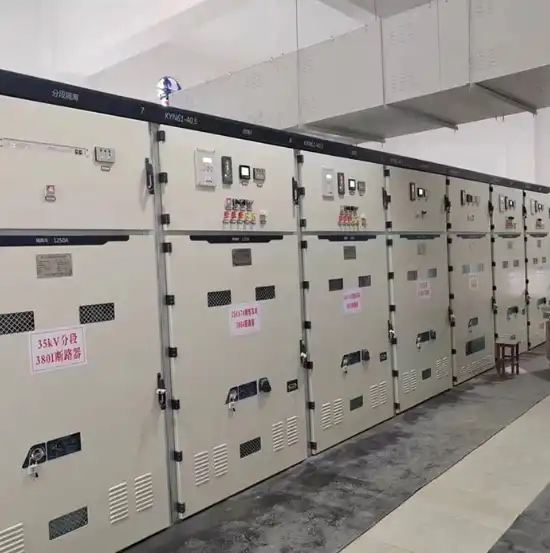
Core Principles and Advantages of Switchgear Protection
How well Switchgear Protection works depends on four basic rules that govern how the system is built and how it works. Selectivity makes sure that only the circuit breaker that is closest to a problem trips. This limits the area where power goes out and keeps areas that aren't touched running. In industrial buildings, this concept is especially important because different production lines need their own power sources so that electrical disturbances don't spread from one line to another.
Critical Performance Parameters
Sensitivity tells you how well the protection system can find small problems before they get worse and cause major machine harm. Advanced safety switches can find faults at current levels as low as 10% of nominal values. This lets problems be fixed quickly, which saves money on replacing expensive equipment. This feature is very useful in industries that use ongoing processes, where protecting equipment has a direct effect on the quality of the product and the speed of operations.
How quickly safety systems respond to faults depends on how fast they work. Modern digital switches can work in less than 20 milliseconds. This quick reaction feature lowers fault energy, which lowers stress on equipment and greatly increases asset lifespan. High-speed detecting and fast circuit breaker action work together to make sure that faults are fixed quickly, before they cause thermal or mechanical damage to the secured equipment.
Reliability includes both how reliably safety works when there is a problem and how safe it is against unwanted actions when it is working normally. Modern microprocessor-based relays are more than 99.9% reliable because they have built-in self-monitoring features that find problems inside and let repair staff know before security fails.
Operational Benefits and Risk Mitigation
Modern protection systems for switchgear make operations much better. Studies have shown that unexpected power blackouts are cut by up to 40% when modern protection systems are used instead of older electromechanical devices. This improvement directly leads to more production downtime and lower costs for emergency repair, giving industrial facilities a big return on their investment.
Comprehensive security systems protect workers from more than just electrical dangers; they also lower their risk of being hurt by arc flashes. Modern studies on protection coordination and arc flash analysis make it possible for facilities to make sure that workers have the right personal protective equipment and that incident energy levels are kept to a minimum by improving fault clearing times and relay settings.
How to Choose the Right Switchgear Protection Solution for Your Needs?
To choose the right Switchgear Protection, you need to carefully look at the working needs, the surroundings, and the expected long-term performance. In order to make a choice, the electrical system's features, load patterns, fault current levels, and how they need to work with existing safety devices must all be looked at. This thorough evaluation makes sure that the solutions chosen offer the best safety while still working with current operating procedures.
Evaluation Criteria Framework
Assessing reliability starts with looking at the track records of the maker, compliance with certifications, and field performance data from similar uses. This review is very important for sites that need a lot of uptime because it directly affects maintenance costs and working availability. It's important for protection systems to have worked well in similar industrial settings, with case studies that show how they worked well in similar electricity and environmental situations.
When thinking about compatibility, you need to think about both how to connect electrically to current systems and how to support communication protocols for central control systems. Modern safety equipment needs to work well with plant automation systems, showing state information in real time and letting you handle them from afar. The ability to integrate affects both how hard the installation is at first and how flexible it is in the long run. This is especially important for places that are planning to expand or update their systems in the future.
Technology Selection Considerations
Digital security systems have many benefits over older electromechanical devices, such as more features, higher accuracy, and the ability to do a full diagnostic check. Multiple safety features are built into a single device in these systems, which saves panel room and makes upkeep easier. Digital relays can check for problems on their own and let you know about them before they affect the safety system. This lets you plan repair ahead of time and reduce the number of unexpected failures.
Choosing the right insulation technology affects both performance and upkeep needs. Vacuum insulation is the best at putting out arcs and doesn't need to be maintained. For setups with limited room, gas-insulated systems are more compact, while air-insulated versions are more cost-effective for normal indoor uses. The choice relies on the needs of the application, the surroundings, and the type of long-term upkeep that you want.
Communication features allow for integration with current plant management systems, which helps with tracking conditions, planning upkeep, and operating from afar. Standardized communication methods on protection devices make it easier for energy management systems to share data with them. This lets power systems work more efficiently and all of an asset's activities be tracked. Connectivity like this makes it easier to use smart grid ideas in factories, which makes them more reliable and efficient.
Optimizing Switchgear Protection Performance for Maximum Safety
In order to get the most out of a security system, common operating problems that can threaten safety and dependability must be fixed. Gaps in coordination between security devices are a big risk because they could let problems last longer than they need to or cause outages that weren't needed because they weren't working right. Protection studies and coordination analyses done on a regular basis make sure that relay settings stay at their best as system conditions change over time.
Advanced Detection Technologies
Digital signal processing is used by modern fault detection algorithms to tell the difference between fault situations and normal operating transients. These algorithms look at waveform features, harmonic content, and sequence components to accurately find faults, even when conditions are hard, like when there is a high-resistance ground fault or when fault conditions change over time. The higher level of accuracy lowers the chance of damaging tools and stopping work when it's not needed.
Adaptive protection methods change the settings of relays automatically based on how the system is working in real time. This keeps the system working well together even when switching operations change how the system is set up. This feature is especially useful in industrial buildings with many power sources or complicated wiring layouts, where it's not possible to make changes to the coordination by hand. Adaptive systems keep an eye on the structure of the system all the time and update the safety settings automatically to keep the right level of precision and sensitivity.
Integration with Smart Technologies
Monitoring systems that work in real time constantly check the health and performance of safety systems, finding problems before they become too dangerous. These systems check the state of security devices, the reliability of communications, and the effectiveness of teamwork. They then notify operators of situations that need their attention. The proactive tracking method lets repair plans be made based on how the equipment is actually working, not on set schedules.
Predictive maintenance algorithms look at working data to find trends that could mean there are problems with the protection system. Machine learning methods look at past performance data to guess when parts will break and suggest repair tasks that should be done before protection effectiveness drops. This method lowers the cost of upkeep and the chance that the protection system will fail during critical fault situations.
Here are the most important improvement methods that factories can use to make their safety systems work better:
- Full coordination studies are done every year to make sure that the settings for the relays are still right for the current system conditions and operating needs.
- Regular testing methods using up-to-date relay test tools to confirm the performance of safety devices and make sure they work correctly in a range of problem scenarios
- Communication system tracking to make sure that the integrity of the data sharing between security devices and management control systems stays strong
- Training programs for management and repair staff to make sure they know how the protection system works and what to do in an emergency.
These optimization strategies build a strong security framework that can react to changing operating conditions while still keeping the highest levels of safety and dependability. Putting money into good optimization pays off with less downtime, lower upkeep costs, and safer working conditions for everyone.
Procuring Switchgear Protection Equipment: Best Practices for B2B Buyers
When buying switchgear protection, it's not enough just to compare prices; you also need to look at the supplier's skills, the quality of the product, and their promise to provide long-term support. Industrial buyers have to weigh the original capital costs against the long-term value of an asset, taking into account things like dependability, upkeep needs, and the risk of technology becoming outdated. The buying process should put a lot of emphasis on the skills of the suppliers, such as their ability to make things, their quality standards, and their infrastructure for field support.
Comprehensive Supplier Evaluation
There is objective proof of manufacturing standards and product dependability in quality certificates. For example, ISO 9001 certification shows structured quality management processes. Extra certifications, like IEC compliance and national testing center approvals, show that the product meets foreign standards and government rules. When suppliers say something is of high quality, they should back it up with thorough test results and performance data, as well as, if possible, independent third-party proof.
During the installation, testing, and continuing operation stages of an item's lifetime, technical support skills become very important. Suppliers should show that they have local technical knowledge, the ability to respond quickly to emergencies, and full training programs for user staff. Long-term running costs are greatly affected by the availability of spare parts and service assistance. This is especially true for specialized equipment that has specific upkeep needs.
Cost-Benefit Analysis Framework
Lifecycle cost analysis is a more true way to figure out how much something is worth than just comparing the price at which it was bought. This study should include how much it will cost to install, how long it will take to commission, how much it will cost to maintain, and when it is scheduled to be replaced. Energy efficiency may also have an effect on running costs, especially for big sites where equipment is used all the time.
Risk assessment looks at the possible costs of machine failures, such as lost production, emergency fix costs, and the effects on safety. Higher-quality safety equipment usually works better and lasts longer, which makes the higher price worth it because it lowers risks over its lifetime and improves operating performance. The study should look at both direct and secondary effects, like how they affect image and how to make sure they follow the rules.
Customization capabilities enable sellers to customize their goods, they can offer solutions that are best for each application, instead of generic products that need expensive changes. Suppliers who are good at engineering can change normal products to fit different working conditions, room limitations, or environmental conditions. This ability to customize often gives better value than trying to change standard goods after they've been delivered.
Conclusion
The safety of the power grid rests on choosing Switchgear Protection systems that can find all faults, respond quickly, and work reliably in a wide range of situations. Moving from old-fashioned electromechanical devices to smart digital defense platforms has made manufacturing sites much safer and better at running their businesses. To make smart grids and predictive maintenance plans work better, modern security systems are more reliable, have more features, and can be easily integrated. To make the best choices about safety investments, you need to carefully look at technical needs, provider abilities, and lifetime costs during the buying process. When industrial facilities put in place security systems that work well together, their downtime, safety performance, and maintenance efficiency all go up, and long-term business risks go down.
FAQ
What voltage ranges require specialized switchgear protection systems?
Protection systems for voltage levels between 6KV and 40.5KV are usually needed in industrial sites. Each voltage class has its own unique requirements for insulation coordination and protection. Medium voltage applications between 6KV and 15KV are used for most industrial distribution systems. High voltage applications up to 40.5KV are used for transmission links and big motors. Protection rules get stricter as voltage goes up because fault currents get bigger and safety needs to be taken into account.
How often should upkeep be done on switchgear safety systems?
Modern vacuum circuit breakers with permanent magnet operating systems don't need much upkeep. They usually only need to be inspected and tested once a year, or every three to five years, based on how they are used. Digital safety switches should be functionally tested once a year, and their full calibration should be checked every 5 to 10 years. How often maintenance is done relies on the location, how often it is used, and what the maker recommends. Harsh industrial environments need more frequent care.
What factors determine protection system coordination requirements?
When doing coordination studies, it's important to look at fault current levels, the way security devices work, and how the system's setup changes over time. The studies look at the time-current curves of all the safety systems to make sure they work correctly when there is a fault. As the load increases, new equipment is added, and operations change, teamwork needs to be updated to keep security working at its best and stop mistakes from happening.
Partner with Yuguang for Advanced Switchgear Protection Solutions
Yuguang Electric is a reliable company that makes switchgear safety. They offer complete solutions for voltage ranges from 6KV to 40.5KV, using cutting-edge technology and tried-and-true methods. Our 39 unique technologies and ISO-certified production methods guarantee the highest quality and efficiency for tough industrial uses. Our full-chain service approach covers everything from custom research and development to installation and ongoing support. The combined modular design makes the operation small and requires no upkeep.
Industrial facilities worldwide rely on Yuguang's ability to customize based on specific situations is used by industrial sites all over the world to deal with different operational difficulties and environmental conditions. Our expert team provides full project support, including installation instructions, upkeep agreements, and spare parts delivery to make sure that the equipment runs smoothly throughout its entire lifecycle. Email our experts at ygvcb@hotmail.com to talk about your switchgear security needs and find out how Yuguang's creative solutions can make your building safer and more reliable.
References
1. IEEE Standard C37.2-2008, "IEEE Standard for Electrical Power System Device Function Numbers, Acronyms, and Contact Designations"
2. IEC 62271-100:2021, "High-voltage switchgear and controlgear - Part 100: Alternating current circuit-breakers"
3. National Institute of Standards and Technology, "Smart Grid Framework and Roadmap for Smart Grid Interoperability Standards"
4. IEEE Standard C37.91-2021, "IEEE Guide for Protecting Power Transformers"
5. International Electrotechnical Commission, "IEC 61850 Communication Protocols for Intelligent Electronic Devices at Electrical Substations"
6. American National Standards Institute, "ANSI C37.06-2009 AC High-Voltage Circuit Breakers Rated on a Symmetrical Current Basis"

Send Inquiry
You may like
