
Precautions for using high-voltage load switch
High-voltage vacuum load switches must be operated in strict accordance with safety rules and technical specifications. These carefully made gadgets manage electricity lines with voltages between 6kV and 40.5kV. People who work with them need to know how to install them correctly, do regular maintenance, and know what to do in an emergency. Not taking steps can lead to broken equipment, expensive downtime, and safety risks. This guide talks about important practical issues like pre-installation checks, load-handling methods, adapting to different environments, and following IEC 60265 and GB 3804 rules to make sure long-lasting reliability.
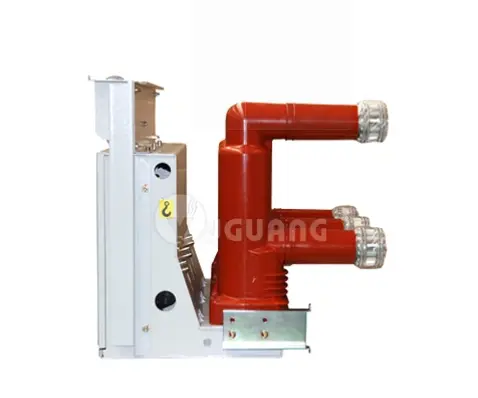
Understanding High-Voltage Vacuum Load Switches and Their Operation
What Makes Vacuum Technology Superior?
When High-voltage vacuum load switches use sealed vacuum interrupters, the electrical contacts separate inside a vacuum room. This quickly puts out sparks without releasing dangerous gases. Unlike SF6 switches that need special handling methods or oil-filled units that can leak, vacuum technology doesn't need any upkeep and doesn't leave any damage on the environment. Since these devices don't have any insulating fluids, they don't need to be monitored for gas. This makes them perfect for substations in cities and other enclosed spaces where safety and room are very important.
Core Components That Ensure Reliability
The vacuum interrupter is what these switches are all about. It has copper-chromium contacts that are made to last for thousands of actions. In Yuguang's production process, aerospace-grade precise tools are used to make arc-extinguishing chambers, which ensures hermetic closing up to IP67 standards. Supporting parts include working mechanisms that are spring-loaded and can be controlled by hand or by a motor, obvious isolation gaps that meet safety shutdown standards, and housings made of corrosion-resistant alloy that have been coated with ceramics. This combined modular design lets setups be small, which is very important for projects where cabinet widths can't go over 1200 mm.
Technical Specifications That Matter
When purchasing High-voltage vacuum load switches, purchasing managers should check the breaking current values, load current capacity (usually 630A for feeders and 1250A for bus couplers), and recommended voltage alignment (12kV, 24kV, or 40.5kV for 10kV, 20kV, and 35kV systems, respectively). The lightning impulse withstand voltage—185kV for 40.5kV class—shows how well the insulation works against short-term overvoltages. There are different levels of mechanical life, from M1 (10,000 operations) to M2 (2,000 operations). Electrical endurance is usually rated for 30 to 50 full-load switching cycles. The Yuguang FZN21-40.5 and YGFZN25B lines have been tested and shown to work well in these areas, and they are backed by 39 patents for new ideas.
Common Risks and Challenges in Using High-Voltage Vacuum Load Switches
Operational Hazards From Improper Use
When there is a fault, switching is the most dangerous thing that can happen. If you try to stop short-circuit currents that are higher than the High-voltage vacuum load switch's stated capacity—31.5kA for fuse-combined units—the vacuum bottle could break, releasing metal vapor and causing the system to fail completely. Switching loads when the system isn't stable, like in wind farms where production changes quickly, subjects contacts to repeated high-voltage transients that speed up erosion. Before each action, operators must check the system's settings and make sure that fault currents go through protective devices instead of the load switch.
Environmental Factors That Compromise Performance
Installations above 1000 meters need to be derated because the air insulation strength is lower at those heights. To keep external flashovers from happening, a 40.5kV High-voltage vacuum load switch working at 2500 meters in hilly areas needs to have its clearance adjusted according to GB/T 11022 guidelines. Coastal industrial sites have to deal with rust problems because the air is salty, so they need better surface treatments. Mining creates electrical dust that fills in holes in insulation, and the extreme cold in the north changes the viscosity of mechanical greasing. Yuguang handles these situations by creating custom solutions, like replacing normal powder coatings with marine-grade finishes or adding heaters for cold deployments. This shows how important it is to be clear about external factors when buying something.
Installation Errors That Trigger Premature Failures
When busbar force isn't enough, high-resistance joints form. These joints heat up in specific areas, which anneals copper links and speeds up oxidation. When the operating links between the mechanism and vacuum interrupter are not lined up correctly, they cause binding forces that wear down contacts more quickly and shorten the mechanical life by 40 to 60 percent. Unbalanced switching pressures happen when three-phase synchronism isn't checked during testing and deviations are more than 2 milliseconds. Through on-site technical help and synchronized testing procedures, Yuguang's full-chain service model includes professional installation advice that gets rid of these risks.
Essential Precautions and Best Practices for Safe Operation
Pre-Installation Assessment Checklist
Do full site checks that include checking the temperature ranges (normally -25°C to +40°C), humidity levels, pollution levels based on IEC 60815 classes, and earthquake needs. Check the voltage mismatch and harmonic distortion levels of the entering power, as these can affect the switching duty. Check single-line models to make sure that upstream circuit breakers and downstream High-voltage vacuum load switches work together to provide protection, which keeps protection from overlapping. Check the amount of vibration in the base of installations that are close to rotating machinery. Too much vibration can cause mechanism parts to wear out faster than they should. These tests help makers like Yuguang change standard designs by adding stronger mountings or better insulation classes based on customer needs.
Correct Operational Procedures
To use something by hand, you have to move the handle slowly and carefully, and the whole stroke should take between 0.3 and 1 second. When you move quickly and jerkily, you send mechanical shocks that hurt latch systems. Before letting go of the working handle, always make sure that the position signs show that the latch is securely locked. When moving capacitor banks, you should wait at least three minutes between processes so that any remaining charge can be released. This will stop the contacts from being struck again, which wears them down. During emergency disconnections, make sure that the safe relaying has cleared any faults before trying to restore the power. If the High-voltage vacuum load switch is prematurely closed into a fault, damaging energy can reach it.
Electric motor users want different rules. Remote SCADA commands should include interlocks that stop closing when grounding switches are still engaged. This is a mechanical safety feature that should be built into good designs, but it needs to be checked in the control logic. Keep an eye on the working current patterns; any strange spikes mean that the mechanism is binding and needs to be looked into right away. Yuguang's dual-spring systems have position feedback switches that make this kind of testing possible.
Maintenance Routines That Extend Service Life
Loop resistance measurements across closed contacts must be part of yearly checks. Readings below 50 microohms prove that the connections are healthy. Values higher than 80 microohms mean that the contact is oxidized or worn out and needs to be replaced. Power frequency withstand voltage tests across open contacts at 95kV for one minute on 40.5kV units confirms the stability of the vacuum; breakdown means vacuum loss, which means the interrupter needs to be replaced.
Find the contact over-travel, which is the amount of force that is still there after the close. When the contact is new, it is usually between 3 and 5 mm. Values below 1mm mean that the contact is getting close to its end of life. Check the lubricants in the working mechanism for contamination or wear and replace them with greases recommended by the maker. Using the wrong lubricants can change the viscosity properties, which can affect the speed at which the mechanism works. Check that the time of the secondary switch is correct in relation to the positions of the main contacts. If it's not, it can give fake status signals that compromise security methods.
Keep track of degradation trends by writing down all data in repair logs. Unexpected failures during vital activities can be avoided with predictive maintenance based on parameter drift. Yuguang offers thorough maintenance manuals that spell out exact test methods and acceptance standards. These are paired with spare parts supply agreements that make sure parts are available quickly.
Personnel Safety Protocols
Before they can operate High-voltage vacuum load switches marked above 1kV, qualified electrical workers must get a high-voltage safety certificate and product-specific training. Voltage-rated gloves (Class 3 for 40.5kV systems), arc-rated clothing (minimum 40 cal/cm² rating), face covers, and shielded tools are all pieces of personal protective equipment that must be worn. Create barrier zones (at least 3 meters for 40kV) to keep people from getting in while tasks are going on.
Use lockout-tagout methods to turn off all energy sources before doing repairs. Always use calibrated voltage detectors to check de-energization instead of just depending on position markers. To get rid of leftover volts, use temporary grounding sets. Possible emergency situations that need to be covered in emergency reaction plans include coming into touch with electrical parts, arc flashes, and equipment fires. Hold drills every three months to make sure that everyone knows how to get out of the building and give first aid.
How to Choose the Right High-Voltage Vacuum Load Switch for Your Needs?
Evaluating Critical Technical Parameters
It's important that the voltage grade matches the standard voltage of the system, plus a safety margin of 40.5kV for 35kV networks and 24kV for 20kV systems. The load current capacity should be able to handle the highest feeder loads + 20% growth, taking into account the temperature derating at the ambient level. Breaking capacity varies by use: pure High-voltage vacuum load switches can handle normal load currents (630A to 1250A), but they depend on protection upstream for faults; fuse-combined units, such as Yuguang's FZRN21-40.5D series, offer built-in 31.5kA short-circuit protection through coordinated fuse operation.
The levels of mechanical and electrical durability must match the change frequency. Feeder uses in factories that switch 10-15 times a day need M1-class mechanisms (10,000 operations), while M2 grades are enough for distribution transformers that switch only during certain times of the year (2,000 operations). Look over the manufacturer's test results that show that the endurance meets the requirements of IEC 62271-103.
Comparing Vacuum Against Alternative Technologies
SF6 switches have better arc interruption, which lets higher breaking currents (63kA+) flow, but they come with rules about how to handle greenhouse gases and require annual gas quality tests. Because they are more complicated, they cost 30–50% more to maintain than vacuum versions. Air-insulated switches offer obvious separation, but they take up more space and can't break as easily. Many facilities still use old technology called oil switches, which can cause fires and pollute the environment when they break down.
Performance, safety, and lifetime costs are all well balanced by vacuum technology. The sealed interrupter gets rid of the need for routine repair beyond regular checks, which lowers running costs. Environmental kindness fits with companies' goals for sustainability, which is having a bigger impact on their buying choices. Because they are small, High-voltage vacuum load switches can be added to existing switching lines without having to change the structure.
Supplier Credibility and Support Capabilities
Buying from well-known companies with clear quality control systems can help you avoid expensive compatibility problems and early fails. Check for ISO 9001:2015 certification, approvals from national testing laboratories, and patent files that show interest in R&D. Yuguang has 39 patents that cover new ideas in arc control, closing technology, and mechanism design. He is also recognized as a High and New Technology Enterprise and a Quality Trustworthy Unit. Such qualifications show long-term engineering excellence that goes beyond simple manufacturing skills.
Check out the after-sales infrastructure, such as the availability of extra parts, the speed with which the expert hotline responds, and the reach of the field service network. Global projects need sellers who have experience working with people in different countries. Yuguang's export services include international standard packing (moisture-proof wooden crating per ISPM-15), paperwork in multiple languages, and video consultations for remote commissioning help. For vacuum interrupters (limited-wear parts), the warranty should last at least three years, and there should be clear replacement standards based on measured factors instead of subjective assessments.
Procurement Considerations for Project Success
Delivery dates have a big effect on project timelines. Standard catalog items usually ship within 7 to 15 days. However, wait times can be as long as 30 to 60 days for personalized specs that require engineering changes. When EPC contractors have tight starting dates, they should start working with suppliers early and give them specific technical requirements so that they can do parallel engineering. Because Yuguang only needs one unit to place an order, they can handle test setups and emergency replacements without having to keep a lot of stock on hand.
Pricing systems are very different. If you choose based on price, especially the original cost, you may end up paying more in the long run because of more upkeep and a shorter service life. Realistic comparisons can be made by looking at the total cost of ownership, which includes installation work, the chance of downtime, and energy losses due to touch resistance. Ask for detailed quotes that list the base equipment, any extras you want (like motorized operators or backup contacts), as well as installation guidance and testing services. Fleet standardization plans that cover more than one place can get volume discounts.
Conclusion
When using High-voltage vacuum load switches, the right safety measures are directly related to how safe the process is, how long the equipment lasts, and how successful the project is. To get solid performance, you need to know the basics of vacuum technology, be aware of operational and environmental risks, follow strict repair schedules, and choose qualified providers. The technical points mentioned, like keeping an eye on contact wear and making changes to fit the surroundings, are based on best practices created over many years of field experience. In the power generation, industrial manufacturing, and infrastructure sectors, choices about procurement that look at more than just starting cost always lead to better results. These decisions should include things like seller support capabilities, customization freedom, and lifecycle value.
FAQ
What distinguishes load switches from circuit breakers?
High-voltage vacuum load switches can stop normal operating currents (630A–1250A), but they can't stop arcs that carry full short-circuit currents (usually 25–40kA), which is what circuit breakers can do. They're made to switch charged circuits on and off more often, while breakers are mostly there to protect, staying closed when everything is working normally and opening only when something goes wrong. Fuse-combined load switches fill in this gap by combining the ease of load switching with short-circuit protection through coordinated fuse operation. This makes them perfect for transformer protection applications where full breaker capability is not cost-effective.
How often should vacuum integrity be tested?
Most systems that work normally and switch off and on rarely (less than 10 times a month) only need to be tested once a year. High-duty uses, like wind farms and industrial feeds that switch multiple times a day, need to be tested every six months because the contacts wear out faster there. For testing, maximum power frequency voltage is applied across open contacts for one minute. If the withstand test goes well without breaking, it means the vacuum is intact. Magnetron discharge methods, on the other hand, allow non-destructive testing by directly reading the pressure inside the vacuum chamber, but they need special tools that are usually only available through maker service programs.
Can vacuum switches operate in explosive atmospheres?
According to NEC Article 500 or IEC 60079 guidelines, normal High-voltage vacuum load switches don't have the explosion-proof housings that are needed for dangerous classified areas. The outside part and extra parts have fire sources that don't work in settings with flammable gas or dust. In classified areas, petrochemical and mine uses need switchgear with approved explosion-proof housings, pressurized containers, or they need to be moved to control rooms that are not classified. Custom engineering that changes standard switches to fit the right casings is only cost-effective for big orders; projects that need fewer than 10 units usually buy hazardous location switchgear from makers who specialize in that kind of equipment.
Partner With a Trusted High-Voltage Vacuum Load Switch Manufacturer
Yuguang Electric specializes in providing effective High-voltage vacuum load switch solutions for tough industrial uses all over the world. Our wide range of products includes voltage classes from 6kV to 40.5kV. They have unique modular designs that are made to work in harsh settings, from arctic installations to warm seaside sites. We offer more than just tools. Our full-chain service model includes customized planning, factory acceptance testing, installation supervision, and quick support after the sale. We are ISO 9001:2015 certified, have 39 exclusive patents, and are recognized as a High and New Technology Enterprise. Standard items are sent out within 7 to 15 days, and our MOQ policy is open enough to allow sales of just one unit through fleet standardization programs. Get in touch with our expert team at ygvcb@hotmail.com to talk about your unique needs and find out how Yuguang's combined approach can help you with compatibility issues, shorten project timelines, and lower lifecycle costs as a High-voltage vacuum load switch provider.
References
1. International Electrotechnical Commission. (2019). High-Voltage Switchgear and Controlgear – Part 103: Switches for Rated Voltages Above 1 kV up to and Including 52 kV. IEC 62271-103 Standard.
2. Zhang, L., & Chen, M. (2021). Vacuum Arc Interruption Technology in Medium Voltage Power Systems. Beijing: China Electric Power Press.
3. IEEE Standards Association. (2018). IEEE Guide for the Application of Transient Recovery Voltage for AC High-Voltage Circuit Breakers. IEEE Std C37.011-2018.
4. National Electrical Manufacturers Association. (2020). High-Voltage Switchgear Assemblies: Maintenance and Testing Guidelines. NEMA SG 6-2020.
5. Wang, J., Liu, H., & Patel, R. (2022). Reliability Analysis of Vacuum Load Switches in Renewable Energy Applications. Journal of Electrical Engineering & Technology, 17(4), 2145-2158.
6. Garzon, R.D. (2017). High Voltage Circuit Breakers: Design and Applications (3rd ed.). Boca Raton: CRC Press.

Send Inquiry
You may like
