
Safety Guidelines for Operating High-Voltage Contactors
High-voltage contactor operations demand rigorous adherence to safety protocols to prevent catastrophic failures and ensure personnel protection. These electromagnetic switching devices handle substantial electrical loads in power distribution systems, making proper operational procedures essential for maintaining system reliability and worker safety. Understanding the inherent risks associated with arc suppression, contact resistance fluctuations, and insulation material degradation forms the foundation of safe contactor operations across industrial environments.
Understanding High-Voltage Contactor Fundamentals
Electrical switching appliances operating at 1000V provide distinct issues needing particular understanding and safeguards. Unlike ordinary electromechanical switches, these components handle large load currents while providing important electrical isolation of the power lines and control systems.
The major function includes generating and breaking power using mechanical contacts handled by an energized wire system. When coil voltage triggers the electromagnetic device, contact closure happens under carefully regulated circumstances. This process creates high heat tension and probable arc production, especially during the switching process under load circumstances.
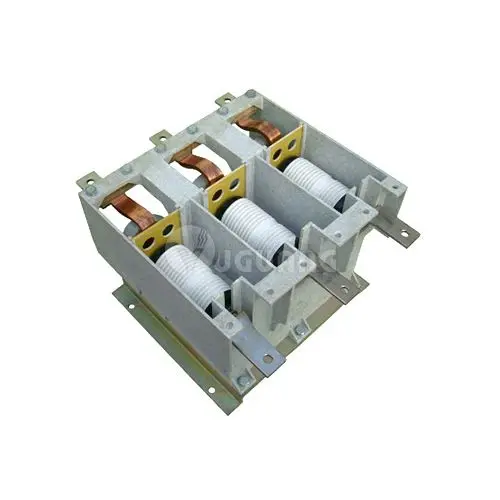
Modern high-voltage contactors feature advanced arc suppression technology to decrease contact wear and improve operating life. These systems employ vacuum spaces, SF6 gas, or oil-packed compartments that dampen electrical sparks safely. Understanding these systems helps operators detect probable failure modes and apply necessary safety measures.
Contact resistance monitoring gives vital information into contactor performance and overall health decline. Elevated resistance readings indicate contact degradation, possibly leading to excessive heat and ultimate failure. Regular measuring techniques help discover maintenance needs before major problems occur.
Pre-Operation Safety Assessment
Comprehensive safety reviews must precede any high-current contactor activities. Visual inspection techniques reveal visible faults, filth, or actual harm that might affect safe operation. Particular scrutiny should concentrate on insulating material quality, contact alignment, particularly housing integrity.
Environmental considerations greatly effect contactor safety and performance. Temperature extremes effect coil energizing parameters and interaction material qualities. Humidity levels impact insulation efficacy and arc suppressing capabilities. Interference from dust, pharmaceuticals, or metal shavings provides possible flashover channels undermining electrical isolation.
Safety interlock systems require thorough verification before proceeding with operational activities, particularly when involving a High-voltage contactor. These protective mechanisms prevent inadvertent energization during maintenance and ensure proper sequence control during switching operations. Bypassing or disabling safety interlocks creates extreme hazards and violates fundamental safety principles.
Personnel credentials and training paperwork should undergo confirmation to guarantee acceptable proficiency levels. High-voltage work involves specialist understanding of electrical risks, emergency procedures, and the use of protective equipment. Unqualified people ought not to perform contactor functions regardless of apparent urgency.
Personal Protective Equipment Requirements
Appropriate protective equipment constitutes the main defense against electrical dangers during contactor operations. Arc-rated clothing offers safeguards against the thermal energy emitted during probable arc flash accidents. The needed arc rating relies on estimated incident level of energy and system variables.
Insulating hands rated for the corresponding voltage level avoid direct connection to electricity during operating tasks. These gloves need frequent testing to guarantee dielectric performance and must be free from pollution or physical damage. Proper inspection processes detect contaminated gloves before usage. Face and eye shielding defends against UV radiation, warm metal parts, and pressure waves created during arc incidents. Full-face shields or customized arc-rated helmets offer suitable protection levels for extremely energetic systems.
Insulating tools prevent inadvertent contact with energized components while maintaining necessary operational capability. These specialized implements undergo regular testing and certification to ensure continued protective effectiveness. Standard metallic tools create extreme hazards in high-voltage environments and should never be used.
Operational Procedures and Protocols
Systematic switching procedures minimize risks associated with high-voltage contactor operations. Load verification ensures contactors operate within rated parameters, preventing thermal damage and premature failure. Current measurement confirms proper circuit conditions before initiating switching sequences.
Control circuit verification prevents unexpected contactor operation during maintenance or testing activities. These auxiliary circuits often remain energized even when main power circuits are isolated, creating potential hazards for unwary personnel. Proper isolation procedures address all relevant energy sources. Switching sequence protocols prevent simultaneous High-voltage contactor operation that could create system instability or equipment damage. Coordinated timing ensures smooth power transfer while maintaining protective device coordination throughout the electrical system.
Emergency shutdown procedures must be immediately accessible and clearly understood by all personnel. The ability to rapidly de-energize equipment is critical during operational failures or when personnel safety is at risk. Providing multiple, independent shutdown mechanisms ensures essential redundancy in the event that the primary control system is compromised.
Maintenance and Inspection Guidelines
Regular maintenance programs prolong contactor life while ensuring safe operating conditions. Contact examination reveals wear structures, pitting, or contamination needing remedial action. Replacement parameters based on observable factors prohibit operating beyond acceptable limits. Thermal management systems need frequent review to maintain proper cooling capability. Overheating promotes contact wear and dissolves insulating materials, possibly leading to catastrophic damage. Tracking the temperature during operation gives significant diagnostic information.
Lubrication needs differ greatly depending on the type of contactor and its working conditions. In certain settings, specially formulated lubricants are essential to reduce friction and ensure reliable, smooth movement of mechanical parts. Conversely, other applications, particularly in clean or sensitive environments, must operate without any lubrication to avoid attracting dust or causing product contamination. The most reliable source for determining the correct approach is the equipment manufacturer's official specifications, which offer tailored guidance for each specific model and its intended use.
Insulation testing is crucial for verifying the dielectric strength throughout the contactor assembly. By identifying early signs of material degradation, these predictive tests allow for scheduled maintenance, preventing unexpected failures and costly emergency repairs. To ensure accurate and reliable results, all testing procedures must strictly adhere to established industry standards and manufacturer-defined protocols.
Emergency Response and Troubleshooting
Rapid response capabilities prove essential when contactor failures occur during operation. Personnel must recognize failure symptoms and implement appropriate emergency procedures immediately. Delayed response can escalate minor issues into major safety incidents or extensive equipment damage. Arc flash incidents involving High-voltage contactor equipment require immediate evacuation of affected areas and emergency medical response for injured personnel. Specialized training prepares personnel to recognize burn severity and provide appropriate first aid while awaiting professional medical assistance.
Equipment isolation techniques guarantee safe conditions throughout emergency response operations. Multiple forms of electricity may need care, including the primary power circuits, electrical control systems, as well as saved energy devices. Complete isolation verification avoids additional occurrences during emergency procedures.
Effective communication techniques are vital for coordinating emergency response. They ensure all teams share a critical, common understanding of the situation, thereby aligning efforts and minimizing conflicting actions that could inadvertently escalate threats. To support this, a clear, unified command structure is indispensable. It designates authority and defines roles, eliminating ambiguity. Coupled with well-established, practiced processes, this structure provides a reliable framework for decision-making. This prevents confusion during high-stress operations, enabling responders to make swift, coordinated, and essential judgments when time is most critical. Ultimately, it transforms individual actions into a coherent, effective organizational response.
Advanced Safety Considerations for Industrial Applications
Complex industrial environments present additional challenges requiring enhanced safety measures. Multiple high-voltage contactors operating in proximity create interaction effects that standard safety protocols may not adequately address. System-level analysis identifies potential cascade failure modes and appropriate protective measures.
Automation systems increasingly control contactor operations, creating new safety considerations. Human-machine interfaces must provide clear indication of system status and prevent inadvertent command execution. Cybersecurity measures protect control systems from unauthorized access that could compromise safety.
Environmental surveillance equipment track circumstances that impact contactor safety and performance. Real-time data collecting provides proactive maintenance management and early warning of growing issues. Synchronization with facility management applications gives full situational awareness.
Training programs need continuous changes to reflect developing technology and safety standards. Hands-on practice with genuine equipment under controlled settings improves proficiency more efficiently than classroom training alone. Competency validation ensures workers retain needed skill levels along their careers.
Conclusion
Safe high-voltage contactor operations depend on comprehensive understanding of equipment characteristics, rigorous adherence to established procedures, and proper emergency preparedness. The combination of appropriate training, protective equipment, and systematic operational protocols minimizes risks while maintaining reliable electrical service. Regular maintenance and inspection activities identify potential problems before they compromise safety or operational capability. Investment in proper safety practices pays substantial dividends through reduced incident rates, extended equipment life, and improved system reliability across industrial electrical installations.
Partner with Yuguang for Reliable High-Voltage Contactor Solutions
Shaanxi Yuguang Electric delivers exceptional high-voltage contactor systems backed by 39 patents and comprehensive technical support. Our experienced engineering team provides customized solutions meeting the demanding requirements of power distribution applications. Contact ygvcb@hotmail.com to discuss your specific needs with a trusted high-voltage contactor supplier committed to operational excellence and safety.
References
1. Institute of Electrical and Electronics Engineers. "IEEE Standard for High-Voltage Contactors and Motor Starters." IEEE Standards Association, 2019.
2. National Electrical Manufacturers Association. "Safety Guidelines for High-Voltage Switching Equipment Operations." NEMA Publications, 2020.
3. International Electrotechnical Commission. "High-Voltage Contactors: Safety Requirements and Test Procedures." IEC Technical Standards, 2021.
4. Electrical Safety Foundation International. "Best Practices for High-Voltage Equipment Operations in Industrial Settings." ESFI Technical Report, 2022.
5. American Society for Testing and Materials. "Standard Test Methods for High-Voltage Contactor Performance and Safety Assessment." ASTM International, 2020.
6. Occupational Safety and Health Administration. "Electrical Safety Standards for High-Voltage Equipment in Workplace Environments." OSHA Guidelines, 2021.

Send Inquiry
You may like
