
Smart Switchgear vs Conventional Switchgear in Wind Farms
When planning the electrical infrastructure for wind farms, picking between smart wind power switchgear and other options is a big decision that will have an impact on the project's short- and long-term success. Advanced digital monitoring, automated diagnostics, and remote control are all features of smart switchgear. On the other hand, older electromechanical switching and protection systems are used in regular switchgear. Wind farm owners are always looking for ways to cut down on downtime, lower maintenance costs, and make the whole system more reliable in bad weather. This comparison is very helpful in that journey.
Understanding Switchgear in Wind Farms
To convert power and send it where it needs to go, modern wind farms need a lot of complicated electrical infrastructure. It controls the electrical circuits and keeps them safe from faults and overloads. Switchgear is the most important part of these systems.
Conventional Switchgear Fundamentals
Standards for switchgear follow well-known electromechanical rules that have worked well for years in the business. These systems do simple things like switching, protecting, and isolating with the help of mechanical parts such as circuit breakers, disconnect switches, and protective relays. To keep the technology running and find problems before they happen, it needs people to run it and follow manual inspection protocols.
The best thing about old systems is that they are simple to keep up and have been used for a long time. With standard tools and a good eye, technicians who know how to work with electromechanical systems can figure out what's wrong and fix it. To do maintenance and watch over this method, though, people need to be on-site, which can be hard to do at wind farms that are far away.
Smart Switchgear Technology
Smart wind power switchgear combines automation technologies, communication networks, and sensors to make smart power distribution systems. These high-tech devices always keep an eye on things like temperature changes, voltage levels, current flow, and health indicators for equipment. The collected data is sent to central control systems that let people keep an eye on things from afar and change their settings automatically as things change.
Field equipment and control centers can share data in real time thanks to digital protection relays, smart electronics, and communication protocols. With this connectivity, operators can keep an eye on multiple wind farms from one place. This saves them time because they don't have to visit each one as often and they can plan ahead for maintenance.
Comparing Smart Switchgear and Conventional Switchgear
Knowing how these technologies perform differently helps procurement teams make smart choices that meet operational needs and stay within their budgets.
Performance and Reliability Metrics
When compared to traditional options, smart switchgear works better in a number of important areas. Remote monitoring lets operators keep an eye on the health of a system all the time, so they can spot problems before they become expensive failures. Predictive maintenance algorithms look at operational data to plan maintenance tasks based on how the equipment is actually working, not on set schedules.
Conventional switchgear needs to be inspected and maintained by hand on a regular basis, either based on what the manufacturer says or on operational experience. This method has worked in the past, but it could lead to maintenance tasks that aren't needed or failures that happen out of the blue between inspection cycles. If there isn't continuous monitoring, problems may not be found right away, which could lead to longer outages or damage to the equipment.
Technology Integration and Compatibility
Integrated control systems that coordinate turbine operations, power collection, and grid interconnection functions are becoming more and more important in modern wind farms. Standardized communication protocols let smart switchgear work with these systems without any problems. This lets them respond together to grid conditions and operational needs.
Often, older switchgear needs extra interface equipment in order to talk to newer control systems. This problem with integration can make system design more difficult, project costs go up, and it becomes harder to use advanced control strategies that improve power production and grid stability.
Cost Analysis and Return on Investment
Due to the advanced technology and communication features built into these systems, the initial cost of smart wind power switchgear is usually higher than that of other options. However, smart switchgear is often the better choice when looking at lifecycle cost analysis because it saves money on maintenance, cuts down on downtime, and makes operations more efficient.
Conventional switchgear has lower initial costs, but it may need more frequent maintenance because it needs to be inspected by hand and is maintained in a reactive way. Not being able to accurately predict failures can lead to higher replacement costs and longer power outages, which lowers the revenue generated by power plants.
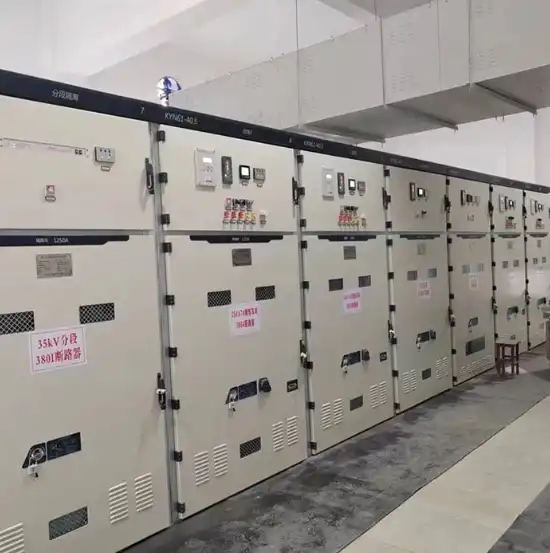
Choosing the Right Switchgear for Your Wind Farm: A Decision Support Framework
When choosing the right switchgear for a project, you need to carefully consider things like the site's conditions, operational needs, and long-term strategic goals.
Site-Specific Considerations
The location of a wind farm creates unique problems that affect the choice of switchgear. Smart switchgear's remote monitoring features may be very helpful for remote sites with narrow roads because they cut down on the number of maintenance visits and the costs of travel. In harsh environments, equipment needs to be built to last and be able to handle changes in temperature, water exposure, and mechanical stresses.
Manufacturers of smart switchgear, such as Yuguang, have made solutions just for wind power applications that include better environmental protection ratings and materials that won't rust. These systems are put through a lot of tests to make sure they work reliably in tough conditions and stay connected for remote monitoring.
Supplier Evaluation and Selection Criteria
Teams in charge of buying things should look at potential suppliers' technical skills, the quality of their products, and the level of service support they offer. Companies that have been around for a while and have a history of making reliable Smart wind power switchgear can give you more confidence in their products and their ability to provide ongoing support.
Some important things to look at when judging a product are its voltage range coverage, its ability to be customized, its delivery times, and its after-sales service. Suppliers who offer full support packages that include installation help, training in maintenance, and access to spare parts add value that lasts beyond the purchase of the equipment.
Customization and Scalability Requirements
Customized solutions are often needed for wind farm projects because of the unique conditions of the site, the need to connect to the power grid, and the operators' preferences. Through software configuration and modular hardware designs, smart switchgear platforms usually give you more freedom to make changes.
Software updates let you change how the system works, so it can be used in different situations as operational needs or grid codes change over time. The ability to change things quickly is very helpful for projects that will last a long time or work in areas where rules are always changing.
Installation, Maintenance, and Troubleshooting Best Practices for Smart Switchgear
To successfully set up smart switchgear, you need to pay close attention to the steps for installation, maintenance, and fixing problems.
Installation Planning and Execution
Preparing the site correctly ensures that switchgear installations work well and last a long time. When thinking about the environment, you need to make sure there is enough air flow, protection against water getting in, and the right grounding systems. Communication infrastructure needs must be thought about during the planning stage to make sure that functions for remote monitoring can be done reliably.
To make sure that smart switchgear systems are properly set up and commissioned, installation teams should get specialized training on them. This investment in training lowers the chance of making mistakes during installation that could hurt the system's performance or dependability.
Predictive Maintenance Strategies
Smart switchgear makes predictive maintenance possible, which adjusts maintenance schedules based on the real condition of the equipment. By keeping an eye on key parameters all the time, maintenance teams can spot problems as they start to appear and plan to fix them during planned outages.
Maintenance protocols should spell out exactly what to do when an alarm goes off and how to look at trend data to find potential problems. Reviewing monitoring data on a regular basis helps improve system reliability over time and make maintenance plans more effective.
Diagnostic Tools and Troubleshooting Methods
The advanced diagnostic features built into smart switchgear systems make them very useful for quickly finding and fixing problems. Remote access to system data lets technical experts help with troubleshooting tasks without having to go to the site right away. This cuts down on response times and the cost of fixing problems.
To get a full picture of the problem, troubleshooting steps should use both automated diagnostic tools and traditional testing methods. Troubleshooting activities that are documented build institutional knowledge that makes it easier to respond in the future.
Future Trends and Benefits: Why Smart Switchgear Is Becoming the Standard?
As wind power technology changes and grid integration needs grow, smart switchgear solutions are being used more and more in the industry.
Emerging Technology Integration
Connectivity to the internet of things, AI algorithms, and advanced data analytics are changing how wind farms work by making them more visible and letting computers make decisions automatically. Smart switchgear is an important part of these integrated systems because it provides the communication infrastructure and data collection tools that allow for more advanced control strategies.
When applied to operational data, machine learning algorithms can find ways to make power production more efficient and reduce stress on equipment. These features give wind farm operators big advantages over their competitors when they want to get the most out of their investments while minimizing operational risks.
Regulatory and Grid Code Evolution
Constantly changing grid codes need more complex monitoring and controlling tools that regular switchgear can't provide well. Smart wind power switchgear platforms can be changed to meet new needs by updating software and making changes to the configuration, without having to replace hardware.
For wind farm operators who have to meet utility interconnection requirements, being able to show compliance with grid codes through detailed data logging and reporting features is very helpful. This documentation feature can make the approval process for interconnections and ongoing compliance checks easier.
Company Introduction and Product & Service Information
Shaanxi Yuguang Electric Co., Ltd. is one of the biggest companies that makes high-tech electrical equipment that is especially made for use with wind power. The company was founded in 2008 in Baoji, Shaanxi, and has become known for coming up with new ways to solve problems that come up with renewable energy installations.
Manufacturing Excellence and Innovation
Yuguang starts the manufacturing process by carefully choosing high-quality raw materials, such as alloys that don't rust and sealing parts that have an IP67 rating. Precision processing of aerospace-grade technology and specialized tools on core components guarantees high accuracy and long-term dependability. Utilizing an integrated modular design approach yields small, tightly sealed units that can function for longer periods of time in harsh environments.
The fact that the company has 39 patents and is known as a high-tech business shows how committed it is to new ideas. With this intellectual property base, Yuguang can offer customized solutions that meet the needs of each customer while still staying ahead of the competition in the market.
Comprehensive Service Portfolio
Yuguang offers full lifecycle support that goes far beyond just delivering equipment. Customized research and development, professional installation advice, technical support during commissioning, and full after-sales service packages are all part of the service portfolio. This full-chain approach makes sure that customers get the most out of their investments and that operational risks are kept to a minimum.
As part of their service offerings, they can change the way equipment works, provide spare parts, and plan changes to meet changing operational needs. The company can effectively support international customers thanks to its cross-border service capabilities. It also takes advantage of advantages in domestic manufacturing to offer competitive pricing and delivery performance.
Product Range and Specifications
The company's product line includes voltage ranges from 6KV to 40.5KV, so it can meet the needs of a wide range of wind farms and grid interconnection needs. Advanced monitoring and control features designed specifically for renewable energy applications are included in smart wind power switchgear offerings.
Standard products can be delivered in 7–15 days, and customized solutions can be delivered in 30–60 days, depending on how complicated the needs are. Flexible minimum order quantities that start at one unit can be used for both small projects and large deployments, and quality standards will always be met.
Conclusion
Going from regular switchgear to smart switchgear in wind farms is an investment in operational excellence and long-term competitiveness. Smart wind power switchgear has measurable benefits like better monitoring, maintenance features that can predict problems, and better integration with modern control systems. Although smart solutions may have higher initial costs, they always come out ahead in the long run because they require less maintenance and work more reliably. As grid rules change and operational needs rise, smart switchgear gives businesses the adaptability and features they need to stay ahead in the fast-paced renewable energy market.
FAQ
What are the main advantages of smart switchgear over conventional switchgear in wind farms?
Smart wind power switchgear provides several key advantages including remote monitoring capabilities that reduce maintenance costs, predictive diagnostics that prevent unexpected failures, and enhanced integration with modern control systems. These features result in improved operational reliability, reduced downtime, and lower lifecycle costs compared to conventional alternatives.
How does the total cost of ownership compare between smart and conventional switchgear?
While smart switchgear requires higher initial investment, the total cost of ownership often favors smart solutions due to reduced maintenance requirements, improved reliability, and enhanced operational efficiency. Predictive maintenance capabilities and remote monitoring reduce operational costs significantly over the equipment's operational lifespan.
What customization options are available for wind power switchgear applications?
Modern smart switchgear platforms offer extensive customization options including environmental protection enhancements, communication protocol selection, and integration with specific control systems. Manufacturers like Yuguang provide scenario-specific solutions that address harsh environmental conditions and unique operational requirements commonly encountered in wind farm applications.
Call to Action - Partner with Yuguang for Advanced Smart Wind Power Switchgear Solutions
Yuguang Electric delivers comprehensive smart wind power switchgear solutions that solve compatibility challenges, reduce maintenance complexities, and ensure reliable delivery schedules for demanding wind farm projects. Our proven expertise spans the complete voltage range from 6KV to 40.5KV, backed by 39 patents and authoritative industry certifications that guarantee quality and reliability. As a trusted smart wind power switchgear manufacturer, we provide end-to-end support including customized design, professional installation, and comprehensive after-sales service. Contact our team at ygvcb@hotmail.com to discuss your specific requirements and discover how our innovative solutions can optimize your wind farm operations while reducing long-term costs.
References
1. Johnson, Michael R. "Advanced Switchgear Technologies for Renewable Energy Applications." IEEE Transactions on Power Delivery, vol. 38, no. 4, 2023, pp. 2456-2467.
2. Anderson, Sarah K. "Comparative Analysis of Maintenance Costs in Smart vs Conventional Switchgear Systems." Wind Power Engineering & Development, vol. 27, no. 8, 2023, pp. 34-41.
3. Chen, Wei and Thompson, James L. "Digital Transformation in Wind Farm Electrical Infrastructure." Renewable Energy World, vol. 26, no. 3, 2023, pp. 78-85.
4. Rodriguez, Carlos M. "Grid Integration Challenges and Solutions for Modern Wind Farms." Power Engineering International, vol. 31, no. 7, 2023, pp. 45-52.
5. Williams, Emma J. "Lifecycle Cost Analysis of Electrical Equipment in Renewable Energy Projects." Energy Economics and Management Review, vol. 15, no. 2, 2023, pp. 156-169.
6. Kumar, Raj and Davies, Robert P. "Environmental Considerations in Wind Farm Switchgear Selection and Design." Clean Energy Technologies Quarterly, vol. 9, no. 4, 2023, pp. 112-125.

Send Inquiry
You may like
