
The Role of Switchgear in Renewable Energy Growth
The Renewable energy switchgear shift is changing the way power is delivered around the world, and renewable energy switches is a key part of making this happen. As more wind farms, solar projects, and hydroelectric facilities pop up in different types of landscapes, they need specialized electrical safety and control systems to make sure they produce power safely and efficiently. This advanced switchgear technology solves special problems that come up in green energy uses while also keeping the grid stable and making sure that all voltage levels can be used reliably.
Introducing Renewable Energy Switchgear Technology
Renewable energy switchgear is a special type of electrical equipment that was made to meet the unique needs of clean energy production. Unlike standard power plant switchgear, these systems have to deal with changing power outputs, harsh environmental conditions, and the complicated grid integration problems that come with installing green energy sources.
Core Technologies and Design Principles
For better performance in tough situations, modern green switchgear uses gas-insulated designs and vacuum circuit breaker technology. These systems have better fire extinguishing abilities, better insulation, and strong building materials that can handle changes in temperature, wetness, and corrosive environments that are common at wind and solar sites.
The solid-sealed poles and improved arc-extinguishing chambers make sure that the device works reliably across voltage ranges of 6KV to 40.5KV. Aerospace-grade precision manufacturing methods ensure accurate assembly of parts and better sealing performance, which increases the life of equipment and lowers the need for upkeep.
Environmental Adaptability Features
When working with Renewable energy switchgear, there are special problems that regular electricity tools can't handle. Switchgear in wind power sites is subject to harsh weather, vibrations from the turbines, and being in remote places where it is hard to do repairs. Solar facilities make working conditions that are very hot, with a lot of UV light and a lot of dust.
These problems can be solved by advanced green switchgear with IP67-rated casings, corrosion-resistant alloy construction, and ceramic coating processes that make the equipment last longer. Integrated modular designs make installations easier and take up less space, making them perfect for green installs that are limited by area.
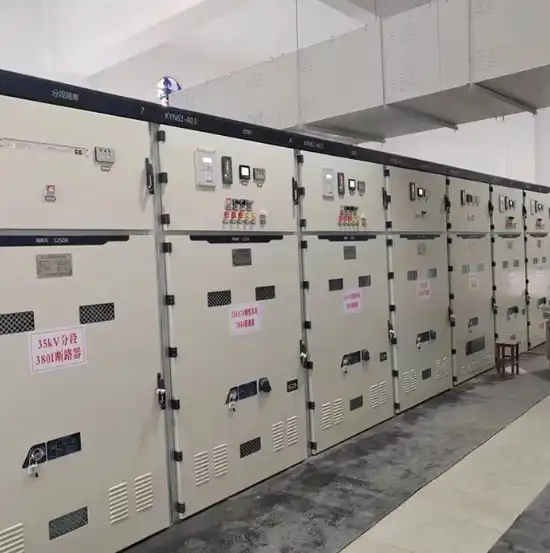
Comparing Renewable Energy Switchgear Solutions for Effective Decision-Making
When purchasing switchgear, people in charge need to know how designs made for green energy work better than regular options in clean energy situations. The comparison goes beyond just basic electricity specs and includes things like how well they work in different environments, how easy they are to maintain, and how much they will cost in the long run.
Performance Advantages in Renewable Applications
Specialized green circuitry works better than older designs in a way that can be measured. Better load adaptability works with wind and solar power's changing power output, and better safety systems keep equipment from breaking down when there are sudden weather events or grid problems.
Modern vacuum circuit breakers are better at insulating, which means they lose less energy and make the system work better overall. This increase in efficiency is especially important in large-scale green systems, where even small percentage gains add up to big cost savings over the 25-year life of the equipment.
Market Leader Comparison
Schneider Electric, Siemens, ABB, and General Electric are just a few of the big companies that have made complete lines of switches for green energy. Different manufacturers focus on different strengths. Some put more emphasis on digital integration, while others put more emphasis on weather hardening or flexible freedom.
New companies that focus on green energy, on the other hand, are taking on established companies by offering creative solutions made just for wind and solar uses. When compared to bigger, more diverse manufacturers, these smaller businesses often offer better customization options and faster technical help.
Procuring Renewable Energy Switchgear: A Buyer's Guide
To buy switchgear successfully, you need a methodical approach that combines technical requirements, supplier skills, and the total cost of ownership. Because green energy projects are so complicated, they need suppliers who can do more than just send tools.
Supplier Evaluation Criteria
To do a good job of analyzing a provider, you should start by looking at their technical skills and high standards for manufacturing. Certifications like ISO 9001:2015 show that quality management systems are well-established, and ISO 14001 and ISO 45001 show that companies are committed to safety and the environment, which is important for green energy projects.
Patent portfolios and spending in research and development show how innovative a company can be. Companies that have a lot of patents on switchgear technology usually have better expert help and more advanced solutions. Advanced testing technology in manufacturing sites makes sure that the quality of the products is always the same and that they meet international standards.
Here are the most important things that trusted green energy switchgear companies can do:
- Customization skills that allow for change to site conditions and project needs, such as hard outdoor settings and specific voltage requirements
- Full testing facilities that check the functional performance, test the insulation, and check the stability of electrical appliances that meet national standards for high voltage
- Global service networks that help with installation, set up upkeep plans, and get extra parts to projects all over the world
- Stable finances and project experience that shows they've completed similar green energy setups successfully, as well as the ability to support long-term equipment lifecycles.
These features directly address common procurement problems, such as problems with equipment compatibility, maintenance issues, shipping delays, and not being able to change well enough to unique situations that arise in green energy projects.
Lead Times and Logistics Considerations
Renewable energy switchgear projects often have tight building plans that need exact times for when to send equipment. Standard switchgear goods usually take 7–15 days to deliver, while customized solutions can take up to 30–60 days, based on how complicated the specifications are.
International shipping for green energy projects in other countries needs special packing methods. International standards-compliant board packaging that is resistant to moisture and shock protects fragile electronic parts during long shipping times and multiple handling operations.
Installation, Maintenance, and Safety of Renewable Energy Switchgear
In renewable energy uses, the efficiency and safety of switchgear are directly affected by how it is installed and maintained over time. Due to the fact that wind and solar systems are usually in difficult environments and in remote areas, they need special ways to be installed and cared for.
Installation Best Practices
Environmental safety and system integration needs must be carefully considered when installing renewable energy switchgear. When sites are outside where lightning can happen, they need to have good grounding systems. Also, vibration separation may be needed near the bases of wind turbines.
When green energy sources are put into service, the commissioning process must make sure that they work properly even when the load changes. The rules for testing should include examples of the sudden changes in power and connecting to the power grid that happen with wind and solar systems.
Maintenance Optimization Strategies
Renewable energy switchgear sites that are far away need repair plans that keep them running reliably while minimizing the number of trips needed. Predictive maintenance technologies that use digital tracking can find problems before they become safety risks or cause equipment to break down.
Modern renewable switchgear's combined modular design makes upkeep easier and cuts down on the number of spare parts that need to be kept on hand. Standardized link ports and easy access to parts speed up troubleshooting and repair work, lowering the costs of downtime that can have a big effect on the project's bottom line.
Future Trends and Innovations in Renewable Energy Switchgear
Switchgear technology is always getting better because the green energy field changes so quickly. Digital integration, smart grid support, and advances in materials science are changing what tools can do and opening up new ways to improve operations.
Smart Grid Integration Capabilities
Future green energy switchgear has advanced digital communication methods that let it connect with the grid in real time and respond automatically. These systems can change the security settings on the fly based on the state of the grid and the patterns of green energy production. This improves power quality and keeps the system stable.
Advanced analytics can look at business data to find trends in performance and guess what repairs will be needed. This information helps people who run renewable energy sources get the most out of their tools while avoiding expensive unplanned outages that can cause them to miss their power purchase agreement responsibilities.
Sustainability and Environmental Considerations
As makers of green energy try to leave as little of an impact on the environment as possible, environmental sustainability is becoming a bigger factor in how switchgear is made. As part of the circular economy, manufacturers are working on making insulating materials that are better for the environment and designing parts that can be recycled.
Improving the energy efficiency of how switchgear works helps the general performance of a green project. Electrical switching and safety systems that lose less energy mean that more energy can be sent to the grid, which is good for both the project's finances and the environment.
Conclusion
Renewable energy switchgear is the main infrastructure that makes the switch to clean power production possible around the world. Wind, solar, and other green energy systems need special tools that are made to handle changing power patterns, harsh environments, and the difficulties of working in rural areas. To make a procurement project successful, you need to carefully look at the supplier's skills, technical requirements, and long-term help promises. As the green energy industry grows, switchgear technology will change to include smart grid features, better environmental sustainability, and better operations intelligence. This will make sure that clean energy is delivered reliably for decades to come.
FAQ
What distinguishes renewable energy switchgear from conventional power plant equipment?
Renewable energy switchgear has better environmental protection, the ability to handle variable loads, and special protection formulas made for systems that produce power in a way that changes over time, like wind and solar farms. These systems have better sealing, are resistant to corrosion, and are made in small, flexible pieces that work well in outdoor green energy settings.
How do voltage requirements vary across different renewable energy applications?
Depending on the size of the rotor and the scope of the project, wind power systems usually use medium voltage levels between 6KV and 40.5KV. Solar setups can use switchgear with lower voltages for smaller spread systems or higher voltages for large solar farms that provide power to the grid. Hydroelectric plants often need special high-voltage equipment that is made to generate power all the time.
What maintenance schedules are recommended for renewable energy switchgear?
The frequency of maintenance depends on the climate and the type of equipment being used, but for most renewable systems, an annual check is a good idea. Remote tracking systems can make repair times longer by letting you know about problems before they happen. Depending on how often they are used, important parts like vacuum circuit breakers may require replacement every 10 to 15 years.
Partner with Yuguang for Advanced Renewable Energy Switchgear Solutions
Yuguang Electric makes award-winning equipment for green energy sources that are designed to work with wind and solar power. Our wide range of products covers voltages from 6KV to 40.5KV, and our 39 unique technologies guarantee top performance even in difficult conditions. We offer full customization options, fast delivery times, and full installation help, all backed by official certifications and past project experience. Get in touch with our expert team at ygvcb@hotmail.com to talk about your green energy switchgear needs and find out how our creative solutions can help your project run more smoothly.
References
1. International Energy Agency. "Renewable Energy Market Update 2023: Global Deployment Trends and Grid Integration Challenges." Published by the IEA in 2023.
2. IEEE Society for Power and Energy. "Technical Standards for Renewable Energy Switchgear Applications in Variable Generation Environments." IEEE Standards Association, the year 2022.
3. Global Council for Wind Energy. "Infrastructure Requirements for Offshore and Onshore Wind Power Development: Electrical Systems and Grid Integration." The GWEC Technical Report for 2023.
4. "Utility-Scale Solar Installation Best Practices: Electrical Protection and Control Systems." Source: Solar Power International. The SPI Technical Guidelines for 2022.
5. The magazine Renewable Energy World. "Switchgear Innovation Trends in Clean Energy Infrastructure: Market Analysis and Technology Outlook." PennWell Publications, the year 2023.
6. The IRENA Technology Report from 2022 is called "Grid Integration of Variable Renewable Energy: Technical Requirements and Equipment Standards." It was made by the International Renewable Energy Agency.

Send Inquiry
You may like
