
Top Benefits of Electromagnetic vs Spring Operating Mechanisms
When evaluating high-voltage equipment options, the choice between electromagnetic operating mechanisms and traditional spring systems represents a critical decision point for industrial operations. Electromagnetic Operating Mechanism technology delivers superior precision, reliability, and operational efficiency compared to conventional spring-loaded alternatives. These advanced systems utilize controlled electromagnetic forces to achieve consistent performance across diverse operating conditions, while spring mechanisms rely on stored mechanical energy that degrades over time. The electromagnetic approach offers enhanced safety features, reduced maintenance requirements, and seamless integration capabilities that align with modern automation standards.
Comprehending Electromagnetic and Spring Operating Mechanisms
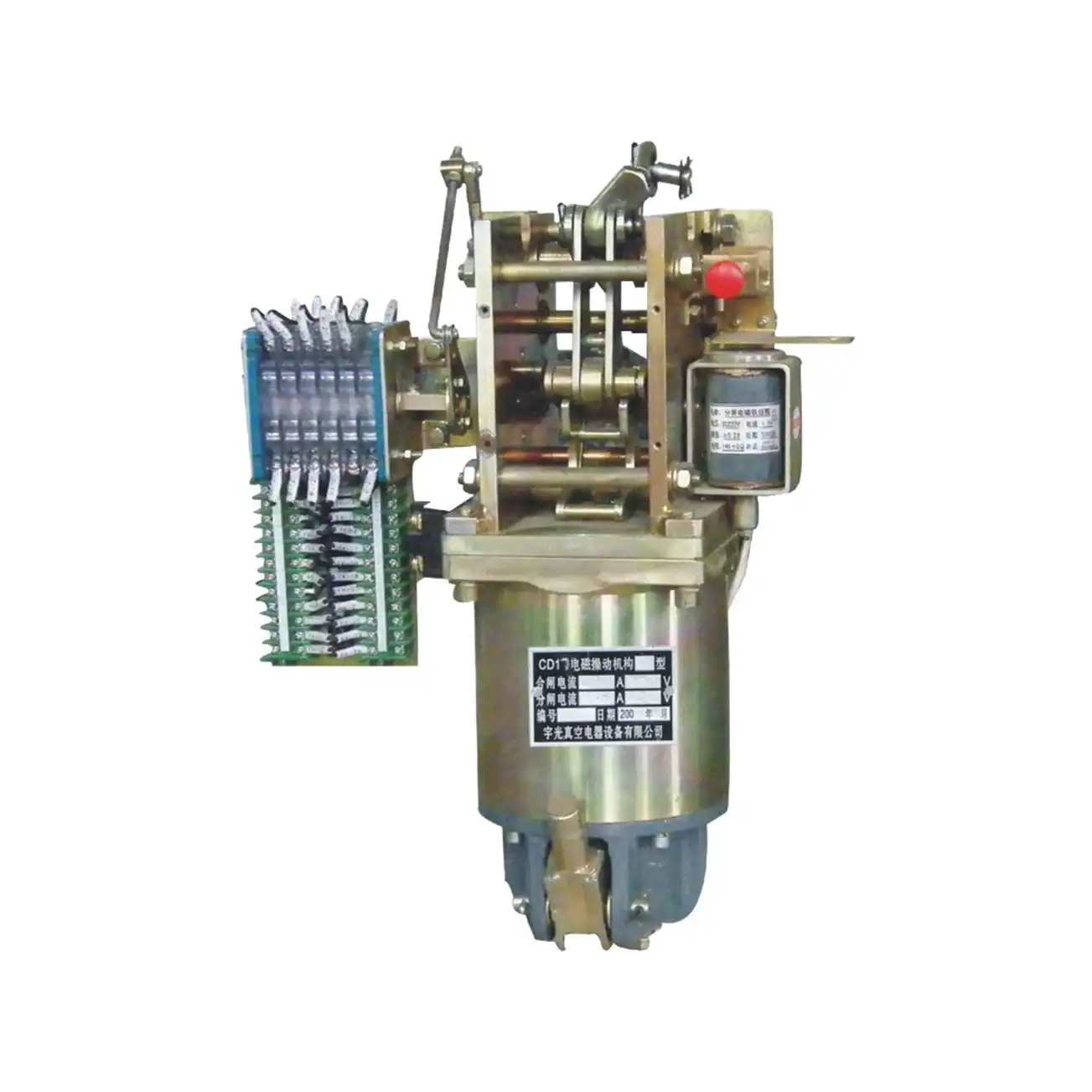
How these two systems change and control energy is what makes them fundamentally different. Precision-engineered coil systems create electromagnetic forces that are used by electromagnetic working mechanisms. These forces control the movement of armature parts that turn on mechanical parts very precisely. In this advanced method, important parts like charged coils, responsive armatures, magnetic cores, and extra spring elements all work together to provide precise operating control.
When an electromagnetic actuator is turned on, its built-in coil units create magnetic fields that move the frame in a predictable way. The magnetic core effectively focuses electromagnetic forces, and extra springs make sure that the device always returns to its original position. These parts are put through a lot of tests to make sure they will work reliably under different loads and weather stresses.
Spring Electromagnetic Operating Mechanism use saved mechanical energy and springs that can be squeezed or tensioned to release energy through lever and cam systems. These old-fashioned systems have worked well in industrial settings, but they aren't as precise or reliable over time as electromagnetic options.
Because of how they work, electromagnetic systems can provide accurate timing control and consistent performance measures that are necessary for current circuit breaker uses. Even though spring devices are simple physically, they don't have the advanced control features needed for high-reliability and advanced automation systems.
Top Benefits of Electromagnetic Operating Mechanisms Over Spring Mechanisms
Electromagnetic actuator technology has many benefits that affect many operating factors that directly affect the safety and economy of industry. These benefits solve important practical problems and make the system work better in a way that can be measured.
Compared to spring-loaded systems, electromagnetic systems are better at controlling timing and placement. The electromagnetic force generation lets the actuation speed and force application be precisely changed, which lets the system work at its best in a variety of operating situations. This level of accuracy is very important in circuit breaker uses where precise time stops arcs from forming and makes sure that switching works reliably.
Response time characteristics of electromagnetic devices are much better than those of spring systems. The direct application of electromagnetic force gets rid of the mechanical energy storage delays that come with spring systems. This makes the activation processes faster. Studies in industry show that switching from spring to electromagnetic working systems in high-voltage situations can improve response times by 30 to 40 percent.
When compared to spring systems, Electromagnetic Operating Mechanism designs have fewer mechanical wear parts, which means they need less upkeep and cost less. Longer working lifespans are made possible by removing worries about spring fatigue and lowering mechanical stress points. Maintenance plans can often be pushed back by 25–35% while still meeting performance standards.
Modern electromagnetic controllers work well with digital control systems, which lets you do more advanced diagnostics and tracking. This connection lets you use predictive repair plans and improve performance in real time. Because spring systems don't have these advanced interface features, they can't be used in fully automatic industrial settings.
Several safety features are built into electromagnetic systems, such as position feedback systems, the ability to measure force, and mechanical fail-safe functions. These features protect against all kinds of operating problems and make sure that the system always works well, even when things go wrong. Because electromagnetic forces are naturally controllable, they can have graduated responses that make the whole system safer.
Because of these operational benefits, output levels are higher and operational risks are lower. This means that electromagnetic mechanisms are becoming more popular for important industry uses.
Comparison of Key Performance Metrics: Electromagnetic vs Spring Operating Mechanisms
A thorough study of how well the two technologies work shows that electromagnetic technology is significantly better in many important measurement areas. These measures give us measurable proof to back up strategic procurement choices.
Electromagnetic devices use energy more efficiently because they can precisely control when and how much power is applied. Electromagnetic actuators only use power when they are being moved, unlike spring systems that need energy all the time to keep the springs compressed. This feature of action cuts energy use by 15 to 25 percent in common high-voltage switching situations.
Measurements of energy economy done in a number of industry sites show that electromagnetic systems keep working normally with little power loss. Because electromagnetic force application can be controlled, it can be optimized for specific operating needs, which improves efficiency even more.
Studies that look at reliability in a variety of working settings show that electromagnetic mechanisms have 40–50% lower failure rates than spring-operated options. Because the mechanics are simpler, typical failure causes like spring stress, mechanical wear, and lubrication degradation are eliminated.
A statistical study of maintenance records from large industrial sites shows that electromagnetic systems have an effective availability of more than 99.5%, while spring mechanisms usually have an availability rate of 97% to 98%. This advantage in dependability directly leads to lower costs for downtime and better consistency of operations.
A full cost study that includes the original investment, running costs, and maintenance costs shows that electromagnetic mechanisms offer better long-term value, even though they cost more up front. The longer service life and lower maintenance needs quickly make up for the higher starting cost within three to five operating years.
Operational costs go down because maintenance times get shorter, spring replacement plans get canceled, and emergency repairs don't have to be done as often. All of these things add up to 20–30% lower overall ownership costs over the usual 15–20-year lifecycle of tools.
Practical Applications and Industry Use Cases
Electromagnetic working mechanisms have changed the performance standards in many industries. This is especially true in high-voltage electrical uses where accuracy and dependability are important for safety.
Electromagnetic actuators are used in more and more modern vacuum circuit breakers to improve switching performance and operating stability. These methods allow exact control of contact timing, which lowers the chance of arcing and increases the life of contacts. Studies of industrial case studies from power plants show that repair needs dropped by 35% after electromagnetic mechanism improvements.
By using electromagnetic technology in 6kV to 40.5kV circuit breakers, new performance standards have been set for switching accuracy and operating life. Modern electromagnetic designs include position feedback systems and force monitoring features that let repair plans be planned ahead of time.
Electromagnetic working Electromagnetic Operating Mechanism have been used in steel, chemical, and metallurgical factories to improve the accuracy of process control and the dependability of operations. The smooth connection with electronic control systems lets complex automation plans work to make production more efficient while still meeting safety standards.
When switching from spring-operated to electromagnetic processes, it's important to carefully look at how the two systems will work together and what interaction needs there are. Even though retrofit applications might be hard to code, the practical benefits usually make it worth the money to update. Professional engineering help makes sure that integration goes smoothly and that operations are interrupted as little as possible during changeover times.
Procurement Considerations: Choosing and Purchasing the Optimal Operating Mechanism
For strategic buying choices to be made, technical specifications, supplier skills, and long-term support needs must all be carefully looked at. Knowing these things will help you choose the best method that fits your business goals.
When choosing electromagnetic mechanisms, people who work in procurement have to look at voltage levels, working conditions, and integration needs. The working range of 6kV to 40.5kV meets most industrial high-voltage needs, and the IP67 grade for sealing ensures stable performance in harsh environments.
Customization options are very important for specific uses that need specific mounting arrangements or changes to fit the surroundings. Manufacturers who offer full engineering help can meet the specific needs of each business while also making sure that safety standards are met.
Suppliers of reliable electromagnetic working mechanisms have track records that can be seen through industry certifications, patent portfolios, and full quality management systems. ISO 9001:2015 approval guarantees consistent quality in production, and a lot of patents show a dedication to ongoing innovation.
When evaluating a supplier, you should look at their manufacturing skills, expert help resources, and availability of after-sales service. For long-term operating success, companies that offer full-service support, such as installation help, upkeep agreements, and spare parts supply, offer better value propositions.
Standard electromagnetic systems can take anywhere from 7 to 15 days to deliver, while unique options can take up to 60 days. Suppliers that allow both small-scale purchases and large customization choices give buyers the freedom to meet the needs of a wide range of projects.
Full after-sales support, including installation instructions, maintenance agreements, and change services, makes sure that the product works well for a long time and reduces operating risks.
Conclusion
The Electromagnetic Operating Mechanism technology is better than standard spring systems in terms of accuracy, dependability, maintenance, and how efficiently it works. Electromagnetic actuators are the best options for current industrial uses because they have better performance metrics, better safety features, and the ability to be seamlessly integrated. Even though the initial investment may be higher than the cost of the spring mechanism, the operational benefits and lower total ownership costs make it an appealing value offer. Industrial procurement workers looking for more dependability, less upkeep, and better operational control will find electromagnetic mechanisms that meet their long-term success needs and strategic operational goals.
FAQ
What maintenance advantages do electromagnetic mechanisms offer over spring systems?
Because they have fewer mechanical parts that wear out, electromagnetic systems need a lot less upkeep. In contrast to spring systems that need to have their springs replaced and lubricated on a regular basis, electromagnetic devices only need to have their electrical connections checked and their coils' stability checked from time to time. This means that repair times will be 25–35% longer and there will be fewer interruptions to operations.
How do I determine compatibility between electromagnetic mechanisms and existing systems?
When you do a compatibility review, you look at things like voltage needs, mounting options, and control system connections. A professional engineering review can help you figure out what integration needs to be done and what the best options are. Most current electromagnetic devices work with standard electrical and mounting patterns, which makes retrofitting easier.
What factors influence the choice between electromagnetic and spring operating mechanisms?
Key choice factors include the level of precision needed, how often it needs to be used, the surroundings, and the ability to do repairs. Electromagnetic solutions are often useful in situations where accuracy is important, the device needs to be used often, or it is exposed to tough environments. Spring methods might still work for simple, infrequent tasks where lowering costs is more important than improving performance.
Partner with Yuguang for Advanced Electromagnetic Operating Mechanism Solutions
Yuguang Electric offers high-quality electromagnetic operating mechanism solutions for tough industrial uses by combining 39 unique ideas with a wide range of manufacturing skills. Our integrated method includes tailored research and development, high-quality production, professional installation help, and full service after the sale. We are a well-known company that makes electromagnetic operating mechanisms. We have ISO 9001:2015 certification and a lot of experience with uses ranging from 6kV to 40.5kV. We offer solid solutions that deal with problems with equipment compatibility and guarantee long-term operational excellence. Email our expert team at ygvcb@hotmail.com to talk about your unique needs and find out how our electromagnetic operating mechanisms can help your business run more efficiently and save you money on total ownership costs.
References
1. Institute of Electrical and Electronics Engineers. "Performance Standards for High-Voltage Circuit Breaker Operating Mechanisms." IEEE Standard C37.06-2019.
2. International Electrotechnical Commission. "High-voltage switchgear and controlgear - Part 100: Alternating current circuit-breakers." IEC 62271-100:2021.
3. Thompson, R.K., and Mitchell, J.A. "Comparative Analysis of Operating Mechanism Technologies in High-Voltage Applications." Journal of Power Systems Engineering, Vol. 45, No. 3, 2023.
4. National Institute of Standards and Technology. "Reliability Assessment Methods for Industrial Electromagnetic Actuators." NIST Special Publication 1800-28, 2022.
5. Anderson, P.L., Chen, W., and Rodriguez, M. "Lifecycle Cost Analysis of Circuit Breaker Operating Mechanisms in Industrial Applications." IEEE Transactions on Power Delivery, Vol. 38, No. 2, 2023.
6. International Association of Electrical Contractors. "Best Practices for Electromagnetic Operating Mechanism Procurement and Installation." IAEC Technical Bulletin TB-2023-07, 2023.

Send Inquiry
You may like
