
Top Benefits of High-Protection Switchgear in Power Grid Construction
High-protection switchgear is a huge step forward in the infrastructure of today's power grids. It makes vital electrical networks more reliable and safe than ever before. As industry settings like power plants and high-energy manufacturing plants get more complicated, these high-tech systems are made to meet their needs. High-protection switchgear works reliably with voltages ranging from 6KV to 40.5KV thanks to better insulation technologies, strong housings, and improved safety features. Because the technology has worked well in tough situations in the past, procurement managers, top engineers, and project workers who want long-term grid stability and operational excellence must invest in it.
Understanding High-Protection Switchgear in Power Grid Construction
High-protection switchgear includes specialized electrical equipment that is designed to keep the power grid safe even in the toughest working conditions. Unlike traditional switchgear systems, these high-tech units use cutting-edge insulation technologies, such as gas-insulated and solid-insulated designs, and are housed in stronger metal casings that are better at resisting the elements.
Key Design Features and Technologies
Modern high-protection switchgear uses a number of important technologies that set it apart from regular electrical equipment. Vacuum arc-extinguishing technology makes sure that faults are reliably stopped while keeping operations safe. Permanent magnet working mechanisms work the same way every time, even after thousands of switching operations, and they don't need to be maintained regularly. Precision production methods used in aircraft are used to make these systems seal very well, and they often meet IP67 standards for protecting against dust and water.
Manufacturers can make small units with more functions using the combined modular design method. This way of thinking about design makes it easier to put in places with limited room while still allowing full functionality. Advanced materials, like metals that don't rust and specialized coating systems, make tools last a lot longer than traditional materials.
Application Environments and Operational Requirements
For apps that use the power grid, you need tools that can work consistently in dangerous environments. Industrial settings that are rough are great places for high-protection switchgear, like steel plants, chemical plants, and outdoor substations that are open to bad weather. These units keep working properly in a wide range of temperatures, don't let water in, and keep working even when they're exposed to toxic air conditions.
These systems are especially useful for industrial sites that need to use a lot of energy because they can handle regular switching operations without breaking down. This technology is used to keep the power grid stable and protect expensive generation equipment from electrical problems at wind power projects, thermal power plants, and solar facilities.
Top 5 Benefits of Using High-Protection Switchgear in Power Grids
Using modern switchgear technology has measurable benefits that directly address the main concerns of people who run power grids and manufacturing facilities. These benefits go beyond just basic electricity safety. They also include improved working efficiency, lower costs, and long-term dependability.
Enhanced Safety and Risk Mitigation
When working with the power grid, safety is still the most important thing because broken equipment can have terrible effects. High-protection switchgear has many safety features, such as advanced arc-extinguishing chambers, pressure release systems, and fail-safe ways of working. These features make it much less likely that an arc flash will happen, equipment will explode, or someone will get hurt, both when everything is working normally and when there is a problem.
These systems meet the strictest safety standards because they follow international safety standards like IEC and IEEE specifications. Because the design is enclosed, accidental touch with powered parts is avoided, but repair tasks can still be done easily. Better grounding systems and coordinated shielding reduce electrical risks even more.
Superior Durability and Environmental Resistance
Problems with the environment pose big risks to the stability of the power grid, especially in factories and other outdoor sites. High-protection switchgear solves these problems by using strong building methods and carefully choosing materials. Ceramic coating and powder coating processes are very good at resisting rust, and special closing technologies keep water and other contaminants out.
Because these systems can change temperatures, they can safely work in a wide range of temperatures without losing any performance. UV-resistant materials and protection coatings keep structures strong even after being exposed to direct sunshine and air pollutants for a long time. This sturdiness directly turns into longer equipment life and less often replacing it.
Operational Efficiency and Reliability
Power outages cost factories millions of dollars every year in lost production, machine damage, and the time it takes to restart. High-protection switchgear keeps these problems to a minimum by being able to quickly find and isolate faults. Advanced sensing technologies find possible problems before they become big breakdowns. This lets repair plans be made ahead of time, which stops unexpected outages.
The permanent magnet working system makes sure that the switching works the same way after hundreds of thousands of processes, without any mechanical wear or the need for adjustments. This dependability is very helpful in places that need to switch things on and off a lot, like motor control centers and generation plant safety systems.
Long-term Cost Savings
High-protection switchgear has higher starting funding costs than standard equipment, but its total cost of ownership is much lower over its lifetime compared to standard equipment. When maintenance needs are cut down, many regular service visits are no longer needed. This lowers both the direct costs of maintenance and the indirect costs of stopping production for service activities.
When equipment lasts longer, it needs to be replaced less often, which means less collection of extra parts. Increasing energy economy by cutting down on losses and improving switching performance helps keep running costs low. These saves add up over time and often cover the initial investment fees in the first few years of business.
Scalability and Future-Proof Design
Modern power grids and manufacturing sites have to adapt to new technologies and changing business needs. The flexible design philosophy of high-protection switchgear makes it easy to add to or change a system without having to replace all of the current equipment. Modern tracking and control systems are easier to connect to when the interfaces and communication methods are standardized.
This flexibility is especially helpful for places that want to add more space or update their technology. Being able to change security methods, add monitoring features, or add renewable energy sources makes equipment much more useful than it was originally intended to be.
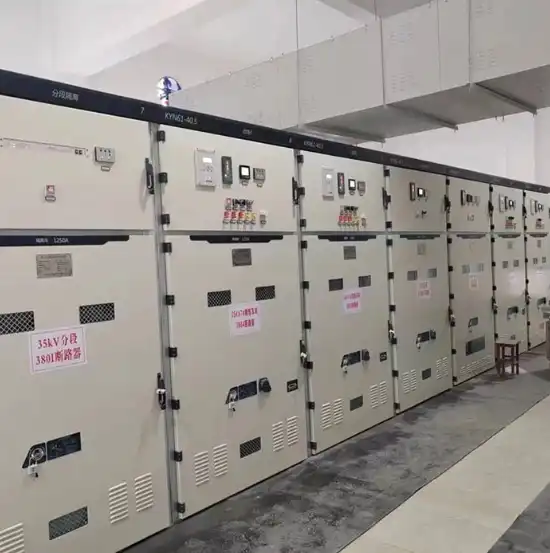
Comparison: High-Protection Switchgear vs. Standard Switchgear
There are many more differences between high-protection and standard switchgear systems than just cost. These include basic design theories, performance capabilities, and operating traits that have an effect on how the facility works in the long term.
Design and Construction Differences
Standard switchgear usually uses standard methods for insulation and simple housing designs that work well in controlled indoor settings. High-protection systems, on the other hand, use advanced insulation technologies, such as gas-insulated and solid-dielectric designs, that work better in tough situations. When aerospace-grade manufacturing methods are used, the parts are put together with precision and can close better than with regular tools.
The choice of material is another important difference. Standard switchgear is made of regular steel and has basic protective coats on it. High-protection systems, on the other hand, use corrosion-resistant alloys, advanced coating systems, and special closing materials that are made to last longer. When used in tough industrial settings where regular equipment breaks down quickly, these material benefits stand out even more.
Performance and Reliability Metrics
The operational data from industrial sites clearly shows that high-protection switchgear performs better in a number of ways. Depending on the climate, the average time between failures is three to five times longer than normal equipment performance. It is common to extend repair intervals by 50% or more. This cuts down on both direct maintenance costs and downtime for operations.
High-protection equipment can often handle more than a million switching operations without losing much speed, while normal designs can only handle 100,000 to 500,000 operations. This extra functionality is especially useful in situations where swapping or starting motors needs to be done a lot.
Best Practices for Procuring and Maintaining High-Protection Switchgear
To successfully use modern switchgear technology, you need to pay close attention to the buying processes, the installation steps, and the ongoing upkeep procedures that make the equipment work better and last longer.
Procurement Considerations and Vendor Selection
A good buying process starts with a full analysis of the unique needs of the project, such as voltage levels, operating job cycles, environmental conditions, and plans for future growth. Purchasing managers should give more weight to suppliers who offer full expert help, such as application engineering, custom design, and a history of success in similar projects.
It is important to carefully look over a vendor's qualifications, especially when it comes to manufacturing certifications, quality control systems, and the ability to provide help after the sale. Suppliers who have ISO 9001 approval, are recognized as national high-tech enterprises, and have large patent libraries are serious about quality and innovation. Long-term operational costs are greatly affected by the supply of area support services and spare parts stock.
Installation and Commissioning Requirements
Following the right construction steps is very important for getting the design to work and be reliable. Professional installation advice makes sure that the right parts are put together, that the circuit is properly grounded, and that the environment is protected. Common problems that can hurt the performance or safety of tools can be avoided if suppliers and installation companies work together.
As part of the commissioning process, all protection functions should be fully tested, the ability to work with current systems should be confirmed, and baseline performance factors should be recorded. This first testing sets standards for future maintenance work and makes sure that the system works well with general building safety plans.
Maintenance Strategies and Best Practices
The design of high-protection switchgear makes it much less likely that it will need regular repair than other types of equipment. But regular tests and inspections are still needed to keep things running at their best and find problems before they affect activities. Maintenance times are usually suggested to be every three to five years, instead of once a year for many normal systems.
As part of maintenance, enclosures and links should be inspected visually, security system settings should be checked, and emergency shutdown processes should be tested. The permanent magnet operating mechanism gets rid of many of the usual maintenance tasks and keeps the equipment running smoothly for its whole life.
Trusted Brands and Why Our High-Protection Switchgear Stands Out
There are a number of well-known companies in the world that make high-protection switchgear. Each has its own skills and places where it specializes. However, not all providers offer the full support and customization options that are needed for tough industrial uses.
Market Leadership and Innovation
Shaanxi Yuguang Electric Co., Ltd. stands out because it can do a lot of research and development. It has 39 patents and is recognized as a national high-technology company. Focusing on the voltage range of 6KV to 40.5KV lets us build specialized knowledge and make sure that our products are best suited to each application. Because of this, scenario-specific solutions are possible, such as specialized wind power tools and changes for harsh environments that generic providers can't match.
Our method to making is all-encompassing, from processing the raw materials to testing and packing the finished product. This vertical merger makes sure that quality control is always the same and lets projects be changed quickly to fit their specific needs. Precision manufacturing methods and high-tech production tools are used to make products that are more reliable and work better than industry standards.
Comprehensive Service Capabilities
Yuguang does more than just make products; they also offer full project help that covers the whole span of equipment. Our services start with application engineering and custom design advice, go on to manufacturing and coordinating transport, and end with installation support and long-term upkeep. This all-encompassing method gets rid of communication problems and makes sure the system works at its best.
As part of our technical support, we can create free oil-free transformation schemes, process mechanical parts, and make specialized repair tools. These value-added services solve common operating problems while cutting down on project costs and lead times. Our dedication to the success of our customers goes beyond just delivering the tools; it also includes ongoing operational assistance and system optimization.
Quality Certifications and Global Reach
Yuguang has many quality management certificates, such as ISO 9001:2015, ISO 14001, and ISO 45001, which makes sure that the quality of their products and their operations are always excellent. Along with multiple national inspection reports and being named a "Quality and Trustworthy Unit," these licenses show that we are dedicated to meeting the top standards in our field.
Our global service skills combine our knowledge of local manufacturing with our knowledge of foreign markets. We can offer reasonable prices and still provide the level of service and technical support that foreign projects need because of this mix. Minimum order amounts that are flexible and start at one unit make it possible for both large-scale projects and smaller, more specialized uses.
Conclusion
High-protection switchgear technology is an important investment for today's power grid infrastructure because it improves safety, dependability, and operating efficiency. The many benefits, such as longer durability, less need for upkeep, and better resistance to environmental factors, make the higher original investment costs worth it through lower total ownership costs and better working performance. As power grids get more complicated, modern switchgear systems that have been used for a long time become more useful for keeping processes stable and safe in a wide range of industrial settings and tough environmental conditions.
FAQ
What certifications should I look for when selecting high-protection switchgear?
IEC standards compliance, state high-voltage electrical appliance standards, and ISO quality management system approval are all important qualifications. Reliable makers also keep their ISO 14001 and ISO 45001 safety management certifications up to date. These certifications make sure that goods meet efficiency, safety, and production quality standards around the world.
How does customization capability impact project success?
Customers can make changes to the equipment so that it works best in their setting and meets their business and integration needs. This includes adjusting the transmission system, improving environmental security, and adjusting the voltage level. Suppliers that offer full customization services can help with the unique problems that come up in each project while still providing standard product support and reliability.
What maintenance advantages do high-protection switchgear systems provide?
Maintenance for basic equipment needs to be done once a year, but for advanced switching systems, it needs to be done every three to five years. Permanent magnet working systems don't need to be adjusted often, and better shielding keeps out dirt that would require frequent cleaning. These benefits lower both the direct costs of repair and the downtime that comes with service activities.
Partner with Yuguang for Advanced High-Protection Switchgear Solutions
Yuguang offers state-of-the-art switchgear technology backed by 39 patents and the ability to manufacture across the full voltage range of 6KV to 40.5KV. Our track record shows that we can put things correctly in infrastructure, industry manufacturing, and power generation projects all over the world. We can meet both small and large needs because our minimum order amounts are variable and start at just one unit, and we can send standard goods in as little as 7 to 15 days.
Our experience as a high-protection switchgear maker includes customizing products for particular situations, making sure they are made with aerospace-grade precision, and providing full technical support from the initial consultation to long-term upkeep services. Get in touch with our knowledgeable staff at ygvcb@hotmail.com to talk about your specific needs and find out how our cutting-edge technology solutions can improve the stability and operating efficiency of your power grid.
References
1. IEEE Standards Association. "IEEE Guide for Application of Gas-Insulated Substations." IEEE Std C37.122.3-2011, Institute of Electrical and Electronics Engineers, 2011.
2. International Electrotechnical Commission. "High-voltage switchgear and controlgear - Part 1: Common specifications for alternating current switchgear and controlgear." IEC 62271-1:2017, International Electrotechnical Commission, 2017.
3. Smeets, René P.P. "Switching in Electrical Transmission and Distribution Systems." John Wiley & Sons, 2014.
4. Ryan, Hugh M. "High Voltage Engineering and Testing." Institution of Engineering and Technology, 2013.
5. Gremmel, Hans. "Gas-Insulated Transmission Lines (GIL)." John Wiley & Sons, 2012.
6. Working Group A3.24. "Guide for Application of Gas-Insulated Switchgear for Rated Voltages of 72.5 kV and above." CIGRE Technical Brochure 555, International Council on Large Electric Systems, 2013.

Send Inquiry
You may like
