
Top Combined Switchgear Solutions for Wind Power
Combined switchgear is the most important part of modern wind power infrastructure because it combines switching, protection, and control functions into a single, small unit. These high-tech systems are now required by wind farm operators who want to get the most energy out of their farms while also maintaining the highest standards of safety and dependability. As the world's wind power capacity grows quickly, procurement professionals are under more and more pressure to choose electrical equipment that not only meets the needs of the project at hand but also ensures long-term cost-effectiveness and operational excellence.
Understanding Combined Switchgear in Wind Power Systems
Electrical equipment for wind power installations needs to be able to handle harsh environmental conditions and still work properly. Combined switchgear units combine several important functions, like circuit breakers, disconnectors, protection relays, and measurement devices, into a single system that is designed to work with wind energy.
Key Components and Electrical Specifications
The basic structure of wind power switchgear is made up of a few key parts that work together to make sure safe and reliable operation. Circuit breakers, which are usually rated between 6KV and 40.5KV to accommodate different wind farm layouts, are the main devices that switch and protect the power. These breakers have to deal with the special electrical features of wind turbine generators, like changing loads and possible problems with syncing with the grid.
Protection relays in combined switchgear systems constantly check electrical parameters, looking for changes like too much or too little current, low voltage, or changes in frequency that could mean that equipment isn't working right or there are problems with the grid. Modern protection systems use complex algorithms that can tell the difference between short-term problems and real faults. This keeps shutdowns that aren't needed to a minimum, which could affect energy production.
Disconnector switches make it possible to clearly separate maintenance tasks, which keeps workers safe while turbines are being serviced or parts are being replaced. Maintenance schedules for wind farms often have seasonal or yearly breaks, so these devices must still work reliably after long periods of inactivity.
Design Principles for Environmental Resilience
In wind farms, there are special problems that might not be able to be solved by regular switchgear designs. Onshore installations have to deal with changes in temperature and humidity, salty air near the coast, and the possibility of ice formation in the winter. Offshore wind farms have to deal with even worse conditions, such as being exposed to saltwater, high wind loads, and being hard to get to for maintenance work.
Gas-insulated or vacuum-insulated designs are used in modern combined switchgear because they protect the environment better than air-insulated designs. The dielectric properties and arc-quenching abilities of SF6 gas insulation are very good, and vacuum technology takes away any worries about gas leakage and environmental impact. Both methods allow for small designs that take up less space during installation and make building the foundation easier.
Advantages Over Traditional Switchgear Solutions
In comparison to traditional separate-component installations, combined switchgear units offer significant operational and financial benefits. The integrated design cuts down on the number of cables and connections that need to be connected to each other. This reduces the number of possible failure points and makes installation easier. This approach to consolidation works especially well in wind farms, where installation crews often have to work in bad weather and limited windows of time.
Another important benefit is that combined units usually take up 30–50% less floor space than equivalent installations of separate components. This reduction directly leads to lower building costs and easier foundation requirements. These are especially important things to think about for offshore wind farms, where limited space and high construction costs are key issues.
Top Combined S
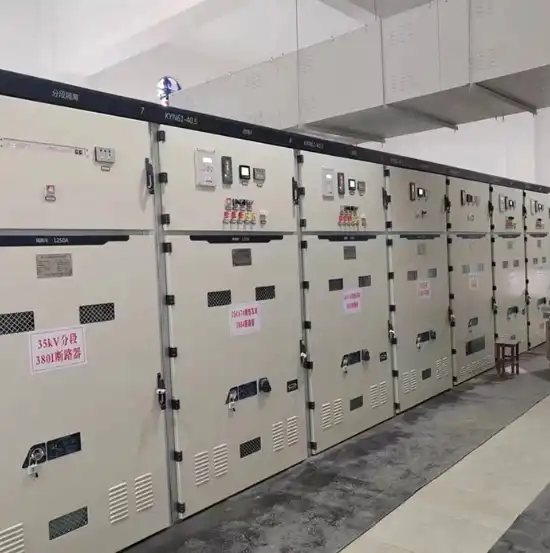
As technology has improved, switchgear design has come a long way in the wind power industry. Manufacturers have come up with custom solutions that meet the specific needs of wind energy systems. The main goals of these improvements are to make things more reliable, require less maintenance, and work better with modern digital monitoring systems.
Advanced Insulation Technologies and Voltage Ratings
Modern combined switchgear uses advanced insulation technologies that are specifically made for use with wind power. SF6 gas-insulated systems are still the most popular choice for high-voltage applications because they are reliable and easy to install. Usually, these systems work with voltages between 12KV and 40.5KV, which means they can connect to both individual turbines and wind farm collector systems.
A lot of people are using vacuum insulation technology, especially for medium-voltage uses up to 35KV. Vacuum circuit breakers work for a long time without needing to be maintained. This means that gas monitoring systems are not needed, which lowers long-term operational costs. The lack of SF6 gas also addresses growing concerns about the environment and government rules about greenhouse gas emissions.
Solid insulation is a new technology that takes the best parts of both SF6 and vacuum systems and makes them completely safe for the environment. These systems use advanced polymer materials and special geometric shapes to provide reliable insulation in small packages that can be installed in wind farms.
Real-World Performance Validation
Modern combined switchgear solutions have been shown to work well in a variety of operating environments in recent wind farm projects. A big offshore wind farm in the North Sea successfully installed vacuum-insulated combined switchgear units that have been running nonstop for more than three years without any maintenance. The installation's remote monitoring system has recorded no unplanned outages due to switchgear failure, proving that the technology works well in harsh marine environments.
Onshore wind farms in desert areas have shown that ceramic-coated combined switchgear is strong enough to handle big changes in temperature and sand getting in. Even though the temperatures change by more than 40°C every day and there are sandstorms that would normally damage most equipment, these installations keep working perfectly.
Digitalization and Smart Monitoring Integration
These days, modern combined switchgear has advanced digital monitoring features that change the way maintenance is done from reactive to proactive asset management. Embedded sensors constantly check important factors like the temperature of the contacts, the condition of the insulation, and signs of mechanical wear. This information is sent to central control systems, which can figure out what might go wrong weeks or months ahead of time. This lets maintenance happen when the weather is best.
Remote diagnostics let wind farm operators check the condition of switchgear without sending maintenance crews to the turbines. This feature is very useful for offshore installations that can only be reached by helicopter or boat when the weather is good. Advanced analytics platforms can find patterns of wear and tear across multiple units, which helps wind farms optimize their spare parts stock and maintenance schedules for the whole portfolio.
How to Choose the Right Combined Switchgear for Your Wind Power Project?
To choose the right switchgear, you need to look at a lot of things, like the technical specs, the environment, and how the equipment will work in the long term. Professionals in procurement have to balance the needs of the project at hand with the costs that will come up over its lifetime, all while making sure that the project works with existing infrastructure and plans for future growth.
Essential Technical Evaluation Criteria
Voltage rating compatibility is the most important factor in the selection process, as the switchgear has to match both the output specifications of the turbine generator and the design parameters of the collector system. Voltage levels in wind farms usually range from 6KV for connecting each turbine to the grid to 40.5KV for collector substations and grid interconnection points.
The current carrying capacity has to be able to handle not only normal operating conditions, but also possible fault scenarios and extra capacity that will be added in the future. Generators for wind turbines have special electrical features, such as changing power factor conditions and harmonic content that can change current ratings. To do a proper evaluation, you need to look closely at the electrical requirements and grid connection needs of the turbine.
Environmental protection rules need close attention, especially for installations that will be outside in bad weather. Sealing with IP67 protects against water and dust getting in, and special coatings make it more resistant to corrosion in coastal areas. Ratings for temperatures must take into account all possible operating conditions, such as changes in the ambient temperature and the heating effects inside the building during times of high demand.
Comparative Analysis of Switchgear Technologies
Over competing technologies like ring main units and modular switchgear systems, combined switchgear has clear advantages. Ring main units are a cheap way to set up simple radial distribution networks, but they don't have the adaptability and safety features needed for more complicated wind farm designs. Their limited ability to grow can make it harder to build or change the layout of future wind farms.
For phased construction projects, modular switchgear systems are very flexible, but they need more complicated connections and a bigger installation area. When compared to integrated combined units, the extra connections and interfaces can mean more maintenance needs and possible failure points.
Procurement Logistics and Risk Mitigation
When planning the schedule for a wind farm project, lead time is very important because delivering the switchgear is often a critical path activity. Standard combined switchgear units usually take 7–15 days to deliver. For customized solutions, delivery times may be 30–60 days, depending on how complicated the specifications are and how much manufacturing capacity there is.
Quality certifications and compliance paperwork make sure that the product meets the needs of the project and the rules set by the government. ISO 9001 certification shows that quality management systems are well-established, and IEC and IEEE compliance shows that international electrical standards are being followed. These certifications are especially important for projects that have to deal with a lot of different regulatory bodies or international financing arrangements.
Warranty coverage and the ability to provide support after the sale have a big effect on the long-term economics of a project. Full warranty programs should cover both physical problems and promises of good performance, with clear rules for places that are hard to reach and needs for emergency help. If you have access to technical support during the installation and commissioning phases, you can avoid costly delays in the project.
Maintenance and Safety Standards for Combined Switchgear in Wind Power
Maintenance programs that work well make sure that the switchgear always works at its best and that the highest safety standards are always met for the people who work on the equipment. Because wind installations are usually in hard-to-reach places and are far away, they need maintenance methods that are very different from those used in power plants.
Best Practices for Wind Farm Switchgear Maintenance
When planning preventive maintenance for wind farm switchgear, it's important to think about how it will be used and how it will be exposed to the environment. In contrast to conventional power plants, which have steady load patterns, wind turbines have switchgear that goes through many cycles of switching to match changing wind conditions and grid needs.
Visual checks should be done during regular maintenance visits to the turbine, paying special attention to the condition of the outer housing, the integrity of the seals, and the points where the connections end. Inspections like these can find problems like corrosion, mechanical damage, or loose connections before they get bad enough to break.
The way electrical testing is done needs to take into account how integrated combined switchgear is while still making sure that all protective functions are fully evaluated. For testing insulation resistance, measuring contact resistance, and calibrating protection relays, you need special test gear that can work in the field. Advanced portable test sets allow full evaluation without having to take off any switchgear or have a lot of downtime.
International Standards Compliance and Safety Protocols
IEC 62271 standards give detailed instructions on how to build, test, and use high-voltage switchgear that can be used in wind power applications. These standards cover important safety issues like arc fault protection, electromagnetic compatibility, and environmental qualification testing that make sure wind farms work reliably.
The IEEE C37 standards go along with the IEC requirements because they include detailed rules for combining protection and control systems. Following both sets of rules makes sure that everything works together around the world and makes it easier to buy equipment for wind farm projects that span borders.
When maintaining wind farm switchgear, safety rules need to take into account the risks that come with working from high places and being far away. Lockout/tagout procedures need to be changed to work with designs of integrated switchgear where multiple protection functions may share control circuits. In remote wind farm locations, emergency response plans need to take into account limited access and possible communication problems.
Risk Mitigation Through Advanced Monitoring
By letting you see how the switchgear is working all the time, real-time monitoring systems make maintenance a lot more efficient. Monitoring the temperatures of important connections can find hot spots that could cause catastrophic failures if not found in time. Vibration analysis of mechanical switching parts shows how they wear and how much oil they need.
Gas monitoring systems for SF6-insulated equipment look for possible leaks that could hurt the insulation's performance or cause problems with environmental regulations. Modern monitoring systems send automatic alerts when the density of the gas falls below certain levels. This lets people take action before the equipment stops working properly.
Yuguang's Advanced Combined Switchgear Solutions for Wind Power
The Shaanxi Yuguang Electric Co., Ltd. has become a top company that makes combined switchgear solutions that are perfect for wind power applications. Since our start in 2008, we've learned a lot about how to deal with the unique problems that wind farm operators face while still providing reliable, low-cost electrical solutions.
Technical Innovation and Patent Portfolio
Our engineering team has created 39 patented technologies that solve important problems with wind power switchgear, such as protecting the environment, making sure it works reliably, and making maintenance easier. These new ideas include advanced sealing technologies, specialized arc-extinguishing chambers, and monitoring systems that are built to work with wind energy.
Because our combined switchgear is based on the modular design philosophy, it can be set up in a number of different ways to fit different wind farm architectures. Our solutions work well with voltages ranging from 6KV to 40.5KV, so they can handle both simple collector system needs and connections for multiple turbines. This all-around coverage gets rid of the need for multiple supplier relationships and makes managing spare parts across wind farm portfolios easier.
Our manufacturing processes are up to aerospace standards, which means they produce high-quality products that will last for a long time. Corrosion-resistant alloys and IP67 sealing systems offer better defense against the harsh conditions that are common in wind farm locations. Treatments like ceramic coating and powder coating make surfaces last longer and make equipment last longer than usual.
Customization Capabilities for Demanding Environments
Putting up a wind farm often comes with its own problems that need custom solutions that go beyond what's available in standard products. Our engineering team works closely with project developers to make sure that switchgear designs are the best they can be for the environment, the job, and the cost of maintenance.
Offshore wind projects benefit from our improved corrosion protection systems and easier-to-use maintenance interfaces that are made for situations where access is limited by helicopter or vessel. Specialized lifting points and modular component designs make replacement easier to do in tough conditions with less downtime.
Installations in the desert get custom solutions that include better systems for controlling temperature and dust. Advanced ventilation designs and special seal materials keep the system working reliably even when temperatures change a lot and sand gets in.
Comprehensive Service and Support Infrastructure
Our full-chain service approach includes a lot more than just delivering products. It also includes help with installation, commissioning, and long-term maintenance programs. This all-around approach makes sure that the equipment works at its best for as long as it's possible and reduces the operational risks for wind farm owners.
As part of installation guidance services, you can get detailed technical documentation, on-site help during commissioning, and training programs for local maintenance staff. Our technical team works closely with project contractors to make sure that the right steps are taken during installation and that the system is fully integrated.
Maintenance agreements set costs in a way that can be predicted and make sure that expert help is available when it's needed. Spare parts supply programs keep important parts stocked in key places, which speeds up the time it takes to fix problems in an emergency. Our services for upgrading and changing things help wind farms adapt to new rules or changing operational needs.
Conclusion
Combined switchgear technology keeps getting better as the need for wind power installations around the world grows. Using advanced insulation systems, digital monitoring tools, and modular design principles together has led to solutions that work much better and are more reliable than older electrical equipment. When choosing switchgear solutions for wind power projects, procurement professionals need to carefully look at technical specs, environmental needs, and the ability to provide long-term support. Investing in high-quality combined switchgear pays off over the life of the wind farm by lowering the need for maintenance, making operations more reliable, and improving safety.
Partner with Yuguang for Superior Combined Switchgear Solutions
Yuguang combines decades of manufacturing expertise with innovative engineering to deliver combined switchgear solutions that exceed wind power industry expectations. Our proven track record serving major wind farm projects worldwide, backed by 39 patented technologies and comprehensive quality certifications, ensures reliable performance in the most demanding environments. Contact our technical team at ygvcb@hotmail.com to discuss your specific project requirements andconnect with a trusted combined switchgear manufacturer committed to your project success.
References
1. International Electrotechnical Commission. "High-voltage switchgear and controlgear - Part 1: Common specifications for alternating current switchgear and controlgear." IEC 62271-1:2017.
2. IEEE Power and Energy Society. "IEEE Guide for the Application of Protective Relays Used for Abnormal Frequency Load Shedding and Restoration." IEEE C37.117-2007.
3. Global Wind Energy Council. "Global Wind Report 2023: Annual Market Update." Brussels: Global Wind Energy Council Publications.
4. American Wind Energy Association. "Wind Power Engineering Guidelines for Electrical Infrastructure Design." Technical Report AWEA-2022-03.
5. DNV GL Energy. "Recommended Practice for Design, Installation and Operation of Combined Switchgear in Offshore Wind Applications." DNV-RP-0416:2021.
6. International Renewable Energy Agency. "Wind Power Technology Roadmap: Electrical Infrastructure and Grid Integration Challenges." IRENA Innovation and Technology Centre Report, 2023.

Send Inquiry
You may like
