
Uses of Vacuum Load Switches in Urban Network Renovation Projects
Urban network renovation projects rely heavily on advanced switching technologies to ensure reliable power distribution across densely populated areas. A Vacuum Load Switch serves as a critical component in these modernization efforts, utilizing sealed vacuum interrupters to control electrical circuits safely and efficiently. These devices excel in urban environments where space constraints, environmental challenges, and stringent safety requirements demand superior performance compared to traditional switching solutions. The vacuum technology eliminates the need for SF6 gas or oil-based systems, making them environmentally friendly while providing exceptional arc-quenching capabilities essential for maintaining grid stability during network upgrades.
Comprehending Vacuum Load Switches in Urban Networks
In order to meet the requirements of modern urban electrical distribution systems, sophisticated switching solutions that are able to manage the complexity of dense community centers are required. The vacuum load switching technique is a major innovation in the field of electrical infrastructure. It has a number of distinct benefits that make it especially well-suited for use in metropolitan power networks.
Technical Architecture and Core Components
The vacuum interrupter technology plays a vital role in the basic design of a vacuum load switch. This technology generates an environment in which electrical arcs are unable to maintain themselves. Pressures that are normally lower than 10-4 torr are typically maintained inside this enclosed chamber, which comprises contact materials that have been carefully developed to function under a vacuum atmosphere setting. Arc formation is prevented by the lack of air molecules, which enables switching operations to be carried out in a clean manner without the byproducts that are often associated with conventional switching technologies.
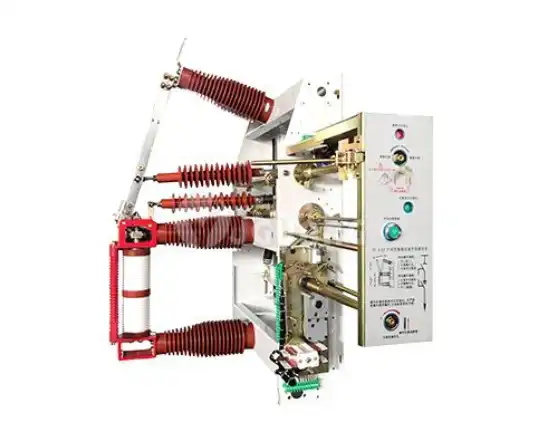
The assembly of the vacuum bottle, the working mechanism, the insulation system, and the control interfaces are included among the essential components. The moveable and permanent contacts are housed inside the vacuum bottle. These contacts are made from specialised alloys that are intended to withstand welding and erosion. The working mechanism is responsible for providing the required mechanical force for contact separation and closure, while the insulation system is responsible for ensuring that there is enough electrical isolation between individual phases and ground.
Working Principles in Electrical Networks
Any arc that may have formed is promptly extinguished once a vacuum load switch is activated because the vacuum environment causes the contacts to be separated from one another. Because this process takes place in a matter of microseconds, it protects the contact surfaces from being damaged and guarantees that the performance will remain constant across thousands of operations. In addition, the vacuum environment offers superior dielectric qualities, which contribute to the creation of compact designs that are yet capable of sustaining high voltage ratings.
A fine synchronisation between the mechanical operating system and the electrical control circuits is required in order to complete the switching process. In addition to including location indication and remote control capabilities, advanced versions also integrate with supervisory control and data collecting systems, which are often used in urban power management.
Safety Features and System Protection
Multiple levels of protection are necessary for urban electrical networks in order to avoid cascade failures that might have a significant impact on big populations. These intrinsic safety qualities of vacuum load switches, which include zero emission of dangerous gases, removal of fire risk from arc byproducts, and constant functioning over a wide range of environmental conditions, all contribute to the protection that vacuum load switches provide.
The fact that hoover interrupters are sealed prevents them from being contaminated by urban pollution, dust, or moisture, which are characteristics that are often associated with other switching technologies. When it comes to subterranean installations or locations with high pollution levels, which are characteristic of metropolitan surroundings, this dependability becomes more critical.
Core Uses of Vacuum Load Switches in Urban Network Renovation Projects
Urban power systems face unique challenges that require specialized solutions to maintain reliable electricity supply while accommodating growth and modernization demands. Vacuum Load Switch technology addresses these challenges through versatile applications across multiple renovation scenarios.
Smart Grid Integration and Automation
When it comes to modern urban redevelopment projects, smart grid capabilities are becoming more important. These capabilities allow for real-time monitoring, automatic switching, and better system resilience. Vacuum load switches are an essential component of this change because they provide dependable switching points that can be controlled and monitored from a distant location. As a result of their constant operating characteristics, they are well suited for automated systems that are required to react rapidly to shifting load situations or failure scenarios.
As part of the integration process, these switches are connected to communication networks. These networks enable power system operators to remotely manage operations, monitor the state of the switches, and receive diagnostic information. In metropolitan settings, where physical access to switching equipment may be difficult or time-consuming, this feature proves to be a crucial component.
Ring Main Unit Applications
Ring main units are a popular arrangement used in metropolitan distribution systems. They provide flexibility and redundancy, which together allow to sustain power supply even in situations when individual components need repair or encounter problems. Operators are able to isolate some parts of the network while still sustaining supply to other regions thanks to the vacuum load switches that act as the principal switching elements in these arrangements.
The small design of vacuum switching technology makes it possible to develop ring main units that are able to accommodate the space restrictions that are characteristic of urban installations. These devices are often required to be put in tight locations such as underground vaults, tiny buildings, or other constrained areas where conventional switching equipment would not be able to fit.
Substation Modernization Projects
Upgrades are often necessary for urban substations in order to meet the ever-increasing load demands while also enhancing safety and dependability. The use of vacuum load switches is an effective answer for these modernisation initiatives since they provide higher performance while often needing less space than the equipment that they replace. In many cases, the process of retrofitting may be completed with minimum interruption to the activities that are already in place. This is especially important in metropolitan locations, where prolonged power outages would have a significant impact on a large number of consumers.
Phased installation strategies that minimise downtime and decrease project risks are made possible by the modular architecture of current vacuum switching equipment, which enables for these strategies to be implemented. Throughout the remodelling phase, engineering teams are able to design enhancements that will ensure system redundancy.
Comparative Insights: Vacuum Load Switches vs Other Switching Technologies
Procurement experts are able to make more informed choices that are in line with the needs of the project and the long-term operational goals when they have a better understanding of the relative benefits and limits of the various switching technologies.
Performance Characteristics and Reliability
When compared to more conventional solutions, hoover switching technology provides a number of noticeable performance gains. When compared to SF6 gas-insulated switches, hoover systems avoid environmental problems related to greenhouse gas emissions while delivering electrical performance that is either similar to or better to that of SF6 switches. As a consequence of the enclosed vacuum environment, deterioration from external impurities is prevented, which leads to a longer service life and decreased maintenance needs.
The principle behind air-insulated switching systems is more straightforward; nevertheless, these systems need bigger clearances and more complicated arc-quenching devices. As a result of these qualities, they are less ideal for urban applications, which are characterised by limited installation alternatives due to space restrictions and environmental considerations. However, despite their dependability, oil-filled switches pose a threat to the environment and need regular maintenance, which may be difficult to do in metropolitan environments. In contrast, Vacuum Load Switch systems provide a more compact and eco-friendly solution, making them a better fit for urban settings.
Operational Benefits in Urban Environments
As far as the needs of urban power systems are concerned, the operating features of vacuum load switches are in good alignment. The lack of visual arcing or emissions, in addition to the absence of noise, addresses concerns about public safety in densely populated locations. Silent operation eliminates noise related problems. This enables for enhancements to be made to the power system without the need for more real estate to be purchased, since the small design makes it possible to put it in regions where bigger equipment would not fit.
As opposed to the fluid changes or gas handling that are needed by other technologies, the maintenance needs for vacuum switches generally consist of periodic inspection and testing. This simplicity removes the need for specialised handling equipment or environmental permissions, which results in a reduction in the expenses associated with regular maintenance.
Technical Specifications and Standards Compliance
Products manufactured by modern Vacuum Load Switches are approved by tough international standards such as IEC 62271-103 and IEEE C37.60, which guarantees that they are compatible with engineering principles used all over the world. The voltage ratings commonly vary from 12 kilovolts to 40.5 kilovolts, and the current ratings may go as high as 3150 amperes for applications that need a large capacity. Because short-circuit resist capabilities often surpass 31.5 kA, they provide sufficient protection for the majority of urban distribution situational circumstances.
A comprehensive evaluation of the electrical, mechanical, and environmental performance characteristics of these devices is required as part of the testing and certification procedure. Through the use of this all-encompassing strategy, dependable operation is ensured throughout the extensive spectrum of situations that are experienced in urban power systems.
Procurement Considerations for Vacuum Load Switches in Urban Projects
To successfully acquire hoover switching equipment, it is necessary to give careful attention to the technical requirements, the skills of the provider, and the project-specific elements that have an impact on the success of the endeavour over the long run.
Supplier Evaluation and Selection Criteria
A technical capabilities evaluation, a manufacturing quality evaluation, and a service support system evaluation are all components of the evaluation of prospective suppliers. Established manufacturers often provide broad product lines that are able to meet the needs of a variety of projects while maintaining consistency across several installations. With their extensive expertise working on urban power projects, the supplier offers invaluable insight into the difficulties and solutions that are relevant to the application.
It is possible to determine whether or not a supplier is committed to consistent production procedures and continual improvement by examining their quality management systems, which may include ISO 9001 accreditation. Additional certifications, such as ISO 14001 for environmental management and ISO 45001 for occupational health and safety, are evidence of overall operational excellence, which ultimately results in improved goods and services.
Customization and Specification Requirements
It is common for urban rehabilitation projects to need the modification or customisation of equipment in order to fit certain installation limits or operating requirements. Those suppliers that have significant technical skills are able to give solutions that solve specific constraints, such as restricted space, environmental conditions, or interaction with preexisting systems.
As part of the customisation process, a detailed technical assessment, prototype testing where it is deemed necessary, and documentation that is exhaustive in nature should be included. This documentation should assist installation and future maintenance tasks. The establishment of transparent communication channels between the technical teams of the supplier and the project engineers helps to guarantee that the customised solutions will fulfil all of the criteria while also keeping the required level of dependability and safety.
Delivery and Logistics Planning
A significant number of procurement choices are driven by project timeframes, which means that the delivery capabilities of suppliers are an essential selection criteria. The lead times for standard items are often shorter, however the lead times for customised solutions, such as Vacuum Load Switch, need more time for manufacturing and conducting tests. When project managers have a solid understanding of these deadlines, they are better able to design realistic timetables that can allow the arrival of equipment while still preserving the overall pace of the project.
In order to show their capacity to manage export documents, shipping arrangements, and customs processes that might have an impact on delivery timelines, international suppliers are required to demonstrate their competency. It is common for local representation or partnership agreements to provide benefits in terms of communication, technical assistance, and the coordination of logistics.
Maintenance, Safety, and Long-Term Performance Optimization
It is necessary to have extensive maintenance planning, safety standards, and performance monitoring systems in place in order to achieve optimum performance from vacuum load switches during their entire service life.
Preventive Maintenance Strategies
Maintenance procedures that are effective for hoover switching equipment center on performing periodic inspections, testing, and component replacements in accordance with the instructions of the manufacturer and the experience gained from using the equipment. Vacuum switches, in contrast to other switching technologies, need just a small amount of regular maintenance. This is because the vacuum interrupter is sealed, and there are no consumable components like SF6 gas or insulating oil involved.
The visual examination of exterior components, the measuring of contact resistance, the verification of working periods, and the testing of insulation integrity are all examples of typical maintenance operations. In order to offer early warning of possible problems before they have an impact on the dependability of the system, advanced diagnostic procedures such as partial discharge testing and contact wear monitoring are used.
It is important that the maintenance schedule takes into consideration the local climatic conditions, the frequency of operations, and the criticality of the system. Installations in urban areas may need to be inspected more often owing to the presence of pollution, vibration, and other environmental conditions that have the potential to influence the functioning of the equipment.
Safety Protocols and Regulatory Compliance
The installation, operation, and maintenance of equipment are all subject to stringent safety rules that control the functioning of urban power systems. These safety standards are intrinsically supported by the Vacuum Load Switch technology, which has design elements that avoid a significant number of dangers that are associated with alternative switching systems.
On the other hand, the lack of combustible or hazardous chemicals makes safety procedures easier to understand and lowers the need for specialised safety equipment or training. In spite of this, basic electrical safety measures continue to be of the utmost importance. These practices include the implementation of appropriate lockout and tagout protocols, the necessity of personal protective equipment, and consultation with system operators during maintenance operations.
It is necessary to pay constant attention to the changes in regulations and the best practices in the business in order to maintain compliance with local electrical codes and safety requirements. By providing maintenance staff with regular training, it is possible to guarantee that safety protocols are kept up to date and continue to be effective over the entire service life of the equipment.
Performance Monitoring and Optimization
In today's modern hoover load switches, it is common to find features that assist condition monitoring and performance optimisation. Because of these capabilities, operators are able to monitor the condition of the equipment, anticipate when maintenance will be required, and optimise switching schedules in order to prolong the life of the equipment while preserving the dependability of the system.
The use of data collecting systems allows for the monitoring of characteristics that influence the performance of equipment, such as operation times, contact wear, and climatic conditions. Through the analysis of this data, patterns that point to the emergence of issues or chances for operational changes may be identified.
Integrating switching equipment with software that manages power systems enables a full investigation of the performance of switching equipment within the context of the functioning of the system all together. This holistic approach provides assistance for optimisation tactics that take into consideration the performance of individual pieces of equipment as well as the overall operational efficiency of the system.
Conclusion
Urban network renovation projects benefit significantly from the advanced capabilities and operational advantages offered by vacuum load switch technology. These devices address the unique challenges of urban power systems through reliable performance, compact design, and minimal maintenance requirements that align with the demanding operational environment of metropolitan electrical infrastructure. The technology's environmental benefits, safety characteristics, and integration capabilities make it an essential component in modernizing urban power distribution networks. As cities continue to grow and evolve, vacuum switching technology provides the foundation for resilient, efficient power systems that can adapt to changing demands while maintaining the reliability that urban populations require.
FAQ
Q1: What makes vacuum load switches ideal for urban power systems?
A: Vacuum Load Switch technology offers several advantages specifically suited to urban environments. The compact design allows installation in space-constrained locations common in cities, while silent operation eliminates noise concerns in densely populated areas. The sealed vacuum interrupter prevents contamination from urban pollutants and provides reliable operation without environmental emissions or fire risks.
Q2: How do vacuum load switches compare to SF6 gas switches in urban applications?
A: Vacuum switches eliminate the environmental concerns associated with SF6 gas while providing equivalent electrical performance. They require no gas monitoring or handling procedures, reducing maintenance complexity and eliminating potential greenhouse gas emissions. The vacuum technology also offers superior performance in polluted urban environments where gas-filled equipment might be compromised by contamination.
Q3: What maintenance is required for vacuum load switches in urban installations?
A: Maintenance requirements are minimal compared to other switching technologies. Typical activities include periodic visual inspection, contact resistance measurement, and insulation testing. The sealed vacuum environment eliminates the need for fluid changes or gas handling, significantly reducing maintenance costs and complexity in urban installations where access may be limited.
Q4: Can vacuum load switches be integrated with smart grid systems?
A: Modern vacuum load switches readily integrate with smart grid infrastructure through communication interfaces that enable remote monitoring and control. They provide consistent operational characteristics that support automated switching sequences and can supply diagnostic information that enhances system management capabilities essential for urban power networks.
Q5: What voltage and current ratings are available for urban renovation projects?
A: Vacuum load switches are available in voltage ratings from 12kV to 40.5kV with current ratings up to 3150A, covering most urban distribution requirements. Short-circuit withstand capabilities typically exceed 31.5kA, providing adequate protection for urban network applications while maintaining compact dimensions suitable for space-constrained installations.
Partner with Yuguang for Advanced Vacuum Load Switch Solutions
Yuguang delivers comprehensive vacuum load switch solutions specifically engineered for demanding urban network renovation projects. Our extensive product portfolio covers voltage ranges from 6kV to 40.5kV with advanced vacuum interrupter technology backed by 39 patents and rigorous quality certifications. We provide complete project support including customized engineering, rapid delivery schedules, professional installation guidance, and comprehensive after-sales service that ensures optimal performance throughout your equipment's operational life. Contact our technical team at ygvcb@hotmail.com to discuss your specific requirements and discover how our vacuum load switch manufacturer expertise can enhance your urban infrastructure projects.
References
1. IEEE Standards Association. "IEEE Standard for AC High-Voltage Load Switches Rated Above 1000 V." IEEE C37.60-2012, Institute of Electrical and Electronics Engineers, 2012.
2. International Electrotechnical Commission. "High-voltage switchgear and controlgear - Part 103: Switches for rated voltages above 1 kV up to and including 52 kV." IEC 62271-103:2021, Geneva, Switzerland, 2021.
3. Zhang, Wei, and Liu, Ming. "Vacuum Load Switch Technology in Urban Power Distribution Systems: Performance Analysis and Application Guidelines." Electric Power Systems Research, vol. 198, 2021, pp. 107-118.
4. American National Standards Institute. "American National Standard for Switchgear - AC High-Voltage Load Switches." ANSI C37.60a-2019, New York, NY, 2019.
5. Chen, Robert, and Anderson, James. "Smart Grid Integration of Vacuum Switching Technology: Urban Network Modernization Strategies." IEEE Transactions on Power Delivery, vol. 36, no. 4, 2021, pp. 2245-2253.
6. Thompson, Sarah K. "Environmental Impact Assessment of Vacuum vs SF6 Switching Technologies in Urban Electrical Infrastructure." Journal of Sustainable Power Engineering, vol. 15, no. 2, 2020, pp. 89-102.

Send Inquiry
You may like
