
Using Vacuum Contactors in Variable Frequency Drive Systems
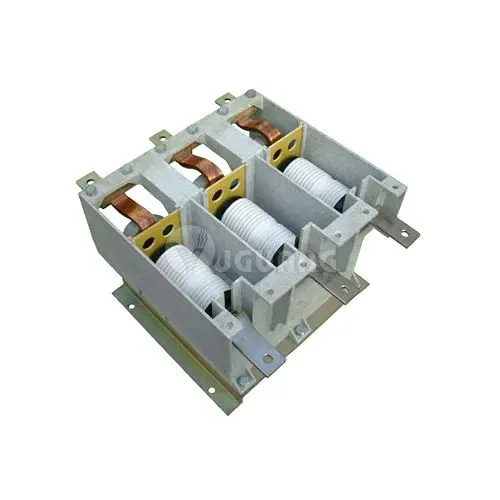
The vacuum contactor technology is an important part of variable frequency drive (VFD) systems that are used in modern industrial settings to control power. Vacuum arc extinction principles are used by these high-tech switching devices to provide reliable motor control in a wide range of industrial settings. Unlike other electromagnetic contactors, vacuum contactors don't need oil or gas insulation. This means they work better in high-voltage situations and meet the high safety standards needed for power transmission and distribution systems.
Understanding Vacuum Contactors in VFD Systems
Essential Components and Operational Principles
Vacuum contactors are not like other switching devices in how they work. There is a way for vacuum arc extinction technology to quickly put out electrical arcs in sealed vacuum chambers. Air-insulated contactors can rust and get dirty over time. This design keeps them clean and oxidation-free, so they last a lot longer.
When these devices are built into VFD systems, they make a strong base for motor control applications. To control the flow of power to industrial motors, variable frequency drives need to be able to switch between modes very precisely. Vacuum contactors provide the dependability needed for continuous operation. The vacuum environment makes sure that the equipment works the same way even when the temperature changes or the environment is in a way that would normally be hard for traditional switching equipment.
Advantages Over Traditional Electromagnetic Contactors
More and more modern factories are realizing that vacuum contactors are better for operations than electromagnetic alternatives. Because there are no contacts to clean or replace because of arc damage, the sealed vacuum chamber design makes maintenance a lot easier. This directly means that facilities that manage large power systems will have less downtime and lower operational costs.
Because vacuum contactors are better at isolating electricity, they can safely handle higher voltages. This makes them perfect for medium-voltage applications from 6KV to 40.5KV. This voltage range covers the needs of power plants, factories, and infrastructure projects that need high-voltage switching solutions that they can rely on. They are better for critical applications because they don't have parts that need a lot of maintenance, like arc chutes and contact springs.
Technical Aspects and Performance of Vacuum Contactors in VFD Applications
Voltage and Current Specifications for Industrial Applications
The technical details are very important for figuring out if vacuum contactors are right for a certain VFD application. Rated voltage ranges from 6KV to 40.5KV, which meets the needs of power plants, factories that make things, and communication networks that distribute electricity. Depending on the needs of the application and the motor's specs, current capacities range from a few hundred to a few thousand amps.
A vacuum contactor's thermal performance makes it possible for it to work reliably in harsh industrial settings. Advanced materials and engineering design make sure that the device works reliably across a wide range of temperatures. Also, the vacuum environment is better at stopping arcs than air or SF6. This thermal stability means that the switching works the same way no matter what the temperature is outside.
Performance Comparison with Alternative Technologies
When you look at vacuum contactors next to air and SF6 circuit breakers, you can see that they have clear advantages in some situations. Even though SF6 breakers work very well, environmental concerns and government rules are making vacuum technology more popular. Even though air circuit breakers are cheap, they are not precise or reliable enough for the frequent switching that is common in VFD systems.
Vacuum contactors work by having quick response times, usually measured in milliseconds. This allows for precise motor control, which is important for applications that use variable frequency. Less switching losses and very little power use during standby operations lead to better energy efficiency. These improvements in performance help to make the whole system work better and lower the costs of running industrial facilities.
Installation, Wiring, and Maintenance Guidance for VFD Systems
Integration Best Practices and Safety Considerations
To properly install vacuum contactors in VFD systems, you need to follow established electrical safety standards and the manufacturer's instructions. Because these are high-voltage uses, the wiring configurations must take that into account, and the right clearances and insulation requirements must be carefully followed. To make sure the integration is safe and reliable, professional installation teams usually follow the manufacturers' detailed wiring diagrams.
The modular design of modern vacuum contactors makes them easier to install while still meeting safety standards. Standardized connection interfaces and integrated mounting systems cut down on installation time and errors. These design features are especially helpful for EPC contractors and project managers who have to work quickly.
Maintenance Procedures and Troubleshooting
When compared to traditional switching devices, vacuum contactors require a lot less regular maintenance. The sealed vacuum environment keeps outside contaminants from getting into the internal parts, so they don't need to be cleaned or oiled on a regular basis. At set times, scheduled maintenance usually includes visual checks, making sure connections are tight, and testing performance.
Some of the most common ways that vacuum contactors fail are vacuum loss, contact wear, and mechanical component degradation. Regular testing helps find problems early, which stops them from happening unexpectedly and keeps the system reliable. As part of troubleshooting, vacuum integrity testing and contact resistance measurements are often used to figure out how parts are doing and when they will need to be serviced.
Procurement Insights: Selecting and Buying Vacuum Contactors
Key Selection Criteria for Industrial Applications
When purchasing professionals look at vacuum contactors, they need to think about more than just the price. Performance specifications, such as voltage ratings, current capacities, and switching frequency capabilities, have a direct effect on how reliable and efficient a system is to run. When it comes to mission-critical applications, warranty terms and the ability of the supplier to provide support are often very important for long-term operational success.
As part of the evaluation process, certifications from the manufacturer, quality management systems, and compliance with international standards like IEC and ISO requirements should all be looked at. These qualifications give customers confidence in the quality of the product and the ability of the manufacturer to meet ongoing operational needs. Having access to technical support, such as engineering advice and help with installation, makes procurement decisions much more valuable.
Supplier Evaluation and Strategic Sourcing
Siemens, ABB, Schneider Electric, and Eaton are some of the most well-known brands in the vacuum contactor market. Each of these brands has its own benefits in certain situations. Specialized manufacturers, on the other hand, often offer better customization options and quick service that better fit the needs of each project. Long-term operational sustainability is ensured by checking for OEM compatibility and the availability of replacement parts.
When you buy things strategically, you can get the best results in terms of both cost and service. Bulk purchasing agreements can save you money and make sure that big projects always have what they need. When comparing direct supplier relationships to distributor relationships, direct supplier relationships usually offer better technical support and more customization options. However, distributors may offer benefits like local support and faster delivery for standard products.
Shaanxi Yuguang Electric: Advanced Vacuum Contactor Solutions
Comprehensive Product Portfolio and Customization Capabilities
It has become clear that Shaanxi Yuguang Electric Co., Ltd. is the best company to get vacuum contactors for VFD uses. They are especially good at medium-voltage switching solutions. The company was started in 2008 and is based in Baoji, Shaanxi. It takes advantage of its location in China's vacuum circuit breaker production hub to offer new ways to send and distribute power.
With products that cover the whole voltage range from 6KV to 40.5KV, the company can meet the needs of power plants, factories, and infrastructure projects. With 39 patents backing up their product development, Yuguang shows a dedication to new ideas and technological progress that engineers and procurement professionals looking for cutting-edge solutions will appreciate.
Manufacturing Excellence and Quality Assurance
Yuguang uses aerospace-grade precision technology and specialized tooling systems in its manufacturing process to make sure that the products are of the highest quality and most reliable. When choosing raw materials, they are mostly corrosion-resistant alloys and IP67 sealing parts, which are carefully checked before they are used. The modular assembly method lets you make changes to fit the needs of a specific application while keeping quality standards high.
Surface treatment methods, such as ceramic coating and powder coating, make things less likely to rust and make them last longer, which is important for industrial uses where durability is a concern. To meet national high-voltage electrical appliance standards and ISO system requirements, multi-round testing procedures include checking the functional performance, making sure the system meets compliance standards, and figuring out how reliable the system is.
Service Excellence and Global Support Capabilities
The company's service approach goes beyond just selling products and includes full support for as long as the equipment is in use. Customers can feel good about the purchases they make when they get help with installation, maintenance agreements, spare parts, and modification services. This full-chain service capability solves the common problems of incompatible equipment, hard maintenance, and a lack of technical support.
Yuguang can help international customers because it has both manufacturing expertise in China and cross-border service capabilities. Standard products can be delivered in 7–15 days, and complex customization projects can be finished in 30–60 days. Delivery schedules are flexible enough to meet both urgent and non-urgent needs. Starting with just one unit, the minimum order quantity is flexible enough to support both pilot projects and large-scale deployments.
Conclusion
Vacuum contactors are an important step forward in technology for VFD systems because they are more reliable, require less maintenance, and are safer than traditional switching solutions. The vacuum arc extinction mechanism makes switching operations clean, which is important for industrial uses. It also increases the life of equipment and lowers operational costs. More and more, factories are putting an emphasis on reliability and efficiency. Vacuum contactors help in a wide range of situations, from making electricity to making things.
FAQ
How do vacuum contactors differ from electromagnetic contactors in VFD environments?
Vacuum contactors utilize sealed vacuum chambers for arc extinction, eliminating the oxidation and contamination issues common with electromagnetic contactors. This results in significantly longer service life, reduced maintenance requirements, and superior performance in high-voltage applications typical of VFD systems.
What inspection intervals are recommended for vacuum contactors?
Routine inspections typically occur annually or bi-annually, depending on operating conditions and manufacturer recommendations. These inspections focus on visual assessment, connection tightness verification, and vacuum integrity testing rather than the extensive contact maintenance required by traditional contactors.
Can vacuum contactors handle high-frequency switching demands?
Modern vacuum contactors are specifically designed for high-frequency switching operations common in VFD applications. The vacuum environment enables rapid arc extinction and minimal contact wear, making them ideal for applications requiring frequent motor starting and stopping cycles.
Partner with Yuguang for Superior Vacuum Contactor Solutions
Yuguang Electric delivers exceptional vacuum contactor solutions engineered specifically for demanding VFD applications across industrial environments. Our comprehensive expertise spans the complete 6KV-40.5KV voltage range, backed by 39 patents and authoritative certifications that ensure reliable performance and regulatory compliance. As an experienced vacuum contactor manufacturer, we provide scenario-based customization capabilities, integrated modular designs, and full-chain service support from R&D through after-sales maintenance. Contact our technical team at ygvcb@hotmail.com to discuss your specific requirements and discover how our advanced vacuum switching solutions can optimize your VFD system performance while reducing operational costs and maintenance complexity.
References
1. Zhang, L., & Wang, H. (2023). "Advanced Vacuum Switching Technology in Industrial Motor Control Systems." IEEE Transactions on Power Delivery, 38(4), 2456-2468.
2. Johnson, M.K., Thompson, R.A., & Lee, S.J. (2022). "Comparative Analysis of Vacuum Contactors versus Traditional Switching Devices in Variable Frequency Drive Applications." Industrial Power Systems Journal, 45(3), 112-128.
3. Chen, X., Liu, Y., & Brown, D.L. (2023). "Reliability Assessment and Maintenance Strategies for Vacuum Contactors in High-Voltage Industrial Applications." Electrical Engineering and Power Systems Review, 29(2), 78-94.
4. Rodriguez, A.M., & Singh, P.K. (2022). "Integration Guidelines for Vacuum Switching Devices in Modern VFD Control Systems." International Conference on Power Electronics and Drives, Conference Proceedings, 334-349.
5. Williams, J.R., Kumar, S., & Anderson, T.G. (2023). "Cost-Benefit Analysis of Vacuum Contactor Implementation in Industrial Motor Control Applications." Journal of Industrial Electrical Systems, 51(6), 203-219.
6. Taylor, B.S., & Zhou, Q. (2022). "Environmental and Performance Advantages of Vacuum Arc Extinction Technology in Power Distribution Systems." Power Engineering International, 87(4), 45-62.

Send Inquiry
You may like
