
What are the four types of circuit breakers?
Circuit breakers are very important safety devices because they stop the flow of electricity immediately when something goes wrong. This keeps technology from getting damaged and keeps people safe. There are four main types: leftover current devices, automatic circuit breakers, manual breaker units, and molded case circuit breakers. Each type has different ways of working and protecting that make it suitable for a range of situations, from commercial settings to home setups.
Introduction
Circuit breakers are the most important part of electrical safety systems in homes, businesses, and factories. By cutting off the electricity flow instantly when something goes wrong, these important safety devices stop major failures, equipment damage, and possible safety risks. It is very important for procurement workers who have to choose protection systems that meet business needs and compliance standards to understand the basic differences between the different types of circuit breakers.
Modern electricity systems need safety systems that are very complex and can deal with different load conditions, fault cases, and environmental problems. Because these systems are so complicated, buying teams need to know a lot about the different types of circuit breakers, how they work, and what uses they can be used for. This knowledge directly affects the success of the project, the dependability of operations, and the long-term cost-effectiveness.
This complete guide looks at the four main types of circuit breakers and goes into great depth about how they work, what they're used for, and how to choose the right one. A lot of attention is paid to hand switching devices and how they are used in current electrical safety systems. Professionals in procurement will learn useful things that will help them make smart choices that will improve the stability of the system while also making the best use of budgets and following all regulations.
Understanding the Four Main Types of Circuit Breakers
Circuit breakers are like automatic switches that keep electrical circuits safe from damage caused by too much power, short circuits, and ground problems. When these devices sense that something is wrong with the electricity, they quickly stop the flow of current to keep equipment from breaking and to keep people safe. Their value can be seen in all electrical settings, from small homes to big industrial buildings.
Manual Circuit Breakers
For operation and restart processes, manual breaker systems need to be done by hand. These gadgets let the person using them directly manage circuit safety. They usually have toggle switches, knife switches, or push-button controls. When deliberate switching is needed and clear visual sign of circuit state is needed, manual breakers are the best choice. They are often used for repair, emergency disconnects, and other cases where automatic operation might not be a good idea.
Manual switching devices have a number of benefits over automatic ones, such as being easier to build, requiring less upkeep, and costing less at first. Because they are mechanically simple, they are more reliable in tough environments. However, they can't automatically protect against sudden fault situations and need to be run by trained people.
Automatic Circuit Breakers
Automatic circuit breakers use built-in sensors to find faults and stop the flow of electricity without any help from a person. These complex gadgets have thermal, magnetic, or electric trip units that check the amount of power and act when certain levels are reached. Automatic breakers respond quickly, which is important for protecting sensitive equipment and stopping arc flashes.
These devices work great in situations where they need to be constantly watched and fixed right away if something goes wrong. Because they can work without human help, they are perfect for places that are hard to reach, sites that aren't being watched, and important systems that need to keep running as much as possible. Automatic breakers today often have advanced diagnostics and contact features that make system tracking easier.
Molded Case Circuit Breakers
Molded case circuit breakers (MCCBs) have protected housings that cover all of their internal parts. This makes them safer and better for the environment. These devices usually work with middle voltage and have trip settings that can be changed to meet the needs of different loads. The small size and strong build of MCCBs make them ideal for use in industrial settings.
The molded design is better at stopping arcs and makes things safer by providing better soundproofing. Often, these breakers have trip units that can be switched out, so they can be customized to meet particular security needs. Their modular design makes them easier to maintain and cheaper to repair than options with set configurations.
Residual Current Devices
Residual current devices (RCDs) keep an eye on the balance of current running through live and neutral wires. They can find ground faults and leakage currents by doing this. These special switches protect workers even more by quickly cutting off circuits when dangerous leakage situations happen, and they are often used alongside a manual breaker to allow for safe isolation during maintenance. RCDs are very useful in situations where protecting people is more important than protecting tools.
These devices work with regular overcurrent protection to deal with fault situations that might not produce enough current to trip regular breakers. Because they are sensitive to small leaking currents, they are great for keeping people from getting electric shocks in wet places and when using portable equipment.
Manual Breakers in Detail: Types, Installation, and Safety Tips
The technology behind manual breaker includes a number of different kinds, each made for a different set of uses and conditions. Knowing about these differences helps procurement workers choose the right devices for each installation situation, making sure they work well and are safe.
Toggle Switch Breakers
One of the most popular types of manual switches used in homes and small businesses is the toggle switch breaker. These units have spring-loaded systems that make it clear when they are on or off by checking the position of the switch. The toggle design lets you quickly change the state and see what it is, which makes them perfect for situations where you need to switch between things a lot.
When installing toggle switches, it's important to pay close attention to the right way to place them and connect the terminals. The devices must be put in approved electrical boxes that have enough space around them for upkeep and operation. The right wire size and ending methods guarantee long-lasting reliability and keep problems with overheating from happening.
Knife Switch Breakers
Knife switch breakers use blade-shaped contacts that physically separate to stop the flow of electricity. These durable devices can handle high current uses and have clear air gaps to make repair work safer. Because they are built to last, they can be used in industrial settings where stable switching under load is needed.
Safety rules for using a knife switch include wearing the right safety gear, following lockout/tagout processes, and making sure the switch is off before doing any repair. The clear contact separation gives you more trust when doing repair, but proper testing is still needed to make sure the working conditions are safe.
Safety Considerations and Maintenance
Breakers last longer and work reliably when they're needed to guard something if they are maintained properly. Contact inspection, mechanism lubrication, and operating testing under controlled circumstances should all be part of regular inspection plans. Temperature, humidity, and amounts of contamination in the environment all affect how often and how to do upkeep.
Safety rules must include information about arc flash dangers, the right personal protective tools to use, and how to handle an emergency. Training programs make sure that workers know how to properly operate equipment and can spot signs that it is breaking down in a way that could risk safety or dependability.
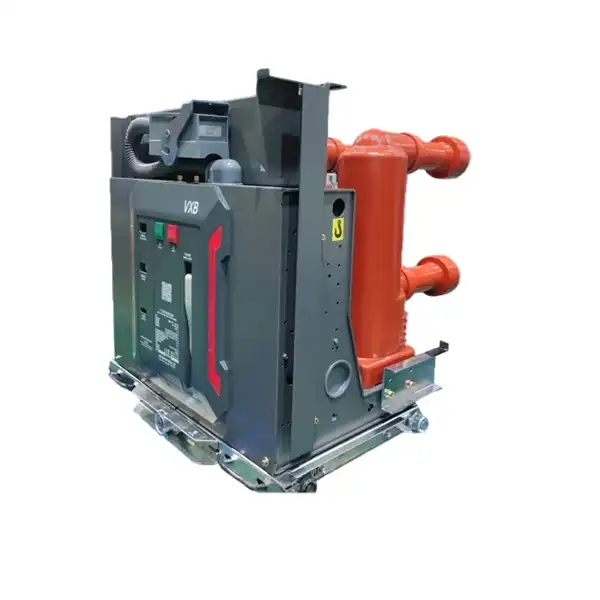
Comparing Manual Breakers With Other Circuit Breaker Types
Procurement workers can make smart choices based on application needs and budget limits when they know the pros and cons of different circuit breaker technologies. Each technology has its own perks that work best in certain working situations, and selecting the right manual breaker ensures safe isolation and control where automatic protection alone is insufficient.
Reliability and Maintenance Considerations
Because they are mechanically simple and have less electronic complexity, manual breaker devices usually have a high level of dependability. Because there aren't any complex trip units or sensing circuits, there are no possible failure causes for electrical components. This mechanical ease means that it will last longer and need less upkeep in many situations.
Automatic breakers have complicated sense and trip systems that make them safer but also add more places where something could go wrong. Regular testing and calibration methods are needed to keep things running smoothly. But because they can automatically react to fault conditions, they offer better safety in places that aren't manned or in critical situations where a person's response time might not be enough.
Cost Analysis and Procurement Considerations
Because they are easier to build and have fewer parts, hand switching devices usually have lower initial purchase costs. Total cost of ownership research, on the other hand, needs to look at things like repairs, downtime, and the damage that could happen if a fault isn't fixed quickly. Automatic systems may be worth the higher starting costs if they lower maintenance costs and make security better.
Strategies for buying in bulk can have a big effect on shipping times and unit prices for big projects. By working with authorized distributors, you can be sure of getting real items, good expert help, and good price terms. Sticking to a few makers or product lines makes upkeep easier and cuts down on the need to keep spare parts on hand.
Application-Specific Performance
Manual breakers are great for situations where you need to switch things on purpose, like when you need to unplug equipment for repair or an emergency. Their positive signal and need to be reset by hand make sure that the operator is aware of when the system state changes. Because of these qualities, they are very useful in safety-critical situations where automatic operation could hide problems.
Automatic breakers protect people and equipment better because they respond quickly to fault situations. Because they can work together with safety devices upstream and downstream, they can selectively work together to limit the damage during quake conditions. In complicated electrical distribution systems that serve vital loads, this ability becomes more and more important.
How to Choose the Best Circuit Breaker for Your Business Needs
To choose the right circuit safety, you need to carefully look at the needs of the electrical system, the surroundings, and the limits of how it can be used. To start, a careful study of the load features, fault current levels, and how well they need to work with other safety devices is done.
System Requirements Assessment
Load analysis is the first step in choosing the right breaker. It looks at things like steady current rates, short-time withstand capabilities, and interrupting capacity needs. When figuring out the peak demand, you have to take into account starting currents, motor loads, and other short-term factors that affect the size of the safety device. Ratings and selection criteria for devices are affected by things like the temperature, altitude, and amount of contamination in the air.
Studies of fault currents find the largest short-circuit current that safety devices must safely cut off. To get correct fault current numbers for these figures, you need to model the system in great depth and work with utility companies. Breakers can safely clear the highest possible fault currents as long as they have the right interrupting capacity, and a manual breaker provides an additional layer of isolation for maintenance and lockout procedures.
Selection Criteria for Different Industries
Facilities that make electricity need circuit breakers that can handle large fault currents and work with generator safety systems. In these settings, manual breaker uses are often needed for repair disconnects and generator field switching, which need to be controlled by an operator. Installations outside, standards for earthquakes, and coordination with plant control systems are all environmental factors that need to be thought about.
In manufacturing settings, dependability and having as little downtime as possible during repair tasks are very important. Breakers that can handle high inrush currents and a lot of switching processes are needed for motor starting uses. When a variable frequency drive is used, harmonics come into play, which affects the choice of breaker and the settings for coordination.
Procurement Strategy Development
By working with chosen vendors, you can get access to technical support, better prices, and faster delivery times. When judging a vendor, you should look at their products' quality, their professional help, their training materials, and how long they will be in business. Single-source strategies make training and upkeep easier, but they may make it harder to offer reasonable prices.
Strategies for managing inventory weigh the costs of keeping items on hand against the need to make sure they are available and the time it takes to get them. Finding the right critical extra parts makes sure that repairs can be done quickly and costs are kept to a minimum. Vendor-managed inventory systems can help you get the most out of your stock while still making sure you have all the parts you need.
Leading Manual Breaker Brands and Where to Source Them
There are a number of well-known makers of circuit breakers around the world who are known for their quality, innovation, and expert support. These businesses put a lot of money into research and development to make safety technology better while still working with systems and standards that are already in place.
Major Manufacturer Overview
A wide range of manual switching devices for industrial and business use are kept in stock by Schneider Electric. Their goods are built with modular parts, can withstand harsh environments, and work with larger robotic systems. Help with application building, training programs, and a lot of reference tools are all parts of technical support.
Siemens makes strong manual breakers that are made to work in harsh industrial settings. Their product line focuses on being reliable in harsh circumstances and working with older systems. The company has a lot of expert resources and keeps up global support networks to help with questions about applications and fixing problems.
ABB focuses on new ideas and protecting the environment. Their goods are made with cutting-edge materials and building methods that improve efficiency while minimizing damage to the environment. International standards and regional needs are met by thorough testing and certification processes.
Sourcing and Supply Chain Management
Authorized dealer networks give people access to real goods, technical help, and warranties. These partnerships make sure that the products are real and offer local help for questions about how to use them or in an emergency. Picking a distributor should take into account the area they cover, the amount of goods they have, and their technical knowledge that is important to the application.
Large-scale purchases are helped by direct connections with manufacturers because they offer bulk discounts, custom configurations, and faster support services. Technical training, application help, and guaranteed completion dates for important projects are often part of these agreements. Minimum order amounts and long wait times, on the other hand, may make it harder to meet smaller needs.
Costs of shipping, customs processes, and regional certification needs are all things that need to be thought about in a global supply chain. If you buy from within your own country, you might get faster lead times and easier operations, but the unit costs might be higher. When you buy things from other countries, you need to pay close attention to quality standards, making sure you have the right certifications, and the total landing costs, which include taxes and shipping costs.
Conclusion
Choosing the right circuit breaker is an important choice that affects the safety, dependability, and operating efficiency of electrical systems in both industrial and commercial settings. There are four main types of devices: manual, automatic, plastic case, and residual current. Each has its own benefits that make it better for a certain job or setting. A manual breaker gives operators the control they need and makes servicing easier, while automatic systems respond quickly to faults and offer better security. When choosing the right protection devices, people in charge of procurement must carefully look at the needs of the product, the surroundings, and the total cost of ownership. Knowing what a company can do, how the supply chain works, and what new technologies are coming out lets you make smart choices that improve system performance while still following the rules and keeping everyone safe.
FAQ
What applications are best suited for manual breakers in industrial settings?
Manual breaker applications excel in maintenance disconnects, equipment isolation switches, and emergency shutdown systems where operator control is essential. These devices prove particularly valuable in generator field switching, motor disconnect applications, and situations requiring positive indication of circuit status. Their mechanical simplicity and visual confirmation capabilities make them ideal for safety-critical applications where automatic operation might mask underlying system issues.
How do manual breakers compare to automatic breakers in terms of safety?
Manual breakers give the user more control and a clearer picture of the circuit's state, but they need to be reset by a person. This trait can be helpful for maintenance tasks, but it could make it take longer to fix dangerous faults. Automatic breakers can quickly clear faults that reduce arc flash exposure and equipment damage, but they don't give the user as much control as human systems do. The best choice relies on the needs of the program and how it is to be used.
What maintenance intervals are recommended for manual switching devices?
How often you should do maintenance relies on the environment, how often you switch things on and off, and what the maker recommends. For most business uses, inspections are done once a year or every other year. Contact inspection, mechanism cleaning, working testing, and torque verification of electrical connections should all be part of routine maintenance. In harsh environments or when switching tasks happen a lot, repair may need to be done more often to make sure the machine works reliably and doesn't break down too soon.
Partner with Yuguang for Superior Manual Breaker Solutions
Yuguang Electric offers top-notch manual breaker technology backed by advanced research and development and a wide range of quality approvals. We have a lot of experience working with the power generation, metallurgy, and industry sectors, so we know exactly how to meet the needs of difficult applications. With 39 patents, ISO 9001:2015 approval, and years of experience working with 6KV to 40.5KV systems, we offer dependable options that cut down on downtime and boost business efficiency. Email our expert team at ygvcb@hotmail.com to talk about your manual breaker supplier needs and find out how our customized approach can help you get the best prices and delivery times for your electrical safety strategy.
References
1. National Electrical Manufacturers Association. "Circuit Breaker Standards and Application Guidelines." NEMA Publications, 2023.
2. Institute of Electrical and Electronics Engineers. "IEEE Standard for AC High-Voltage Circuit Breakers Rated on a Symmetrical Current Basis." IEEE Std C37.04-2018.
3. International Electrotechnical Commission. "High-voltage switchgear and controlgear - Part 100: Alternating current circuit-breakers." IEC 62271-100:2021.
4. Electrical Safety Foundation International. "Electrical Safety in the Workplace: A Comprehensive Guide." ESFI Technical Report, 2022.
5. American National Standards Institute. "Safety Requirements for Workplace Electrical Practices." ANSI/NFPA 70E-2021.
6. Cigré Working Group A3.25. "Circuit Breaker Technologies and Testing Methods: Modern Developments and Applications." Cigré Technical Brochure 792, 2020.

Send Inquiry
You may like
