
What is a load interrupter switch ?
A load interrupter switch is an important electrical switching device that is designed to safely stop and manage electrical lines when they are under normal load. These switches work by physically removing the electrical contacts to stop the flow of current. They do this by using advanced arc-quenching systems like vacuum technology, SF6 gas, or air-blast systems to keep the equipment from getting damaged. Unlike circuit breakers, which only work when there is a fault, load interrupter switches only work when there is a planned switching action. This makes them essential for routine repair, load transfers, and system reconfigurations in power distribution networks.
Understanding Load Interrupter Switches
These are very complex physical devices called load interrupter switches that are the backbone of modern power systems. These devices are carefully made to safely stop load currents without damaging equipment or causing arcs. They solve one of the hardest problems in electrical engineering.
Operating Mechanisms and Arc Quenching Technology
In order for these switches to work, electrical lines must be open or closed when they are loaded. Because the air between the contacts is charged, when they part during switching, an electric arc forms naturally. Modern load interrupter switch designs use a number of effective ways to put out these arcs, such as vacuum interruption technology, which stops arcs from forming in vacuums, SF6 gas systems, which provide better dielectric strength, and air-blast mechanisms, which remove ionized particles physically.
Key Components and System Integration
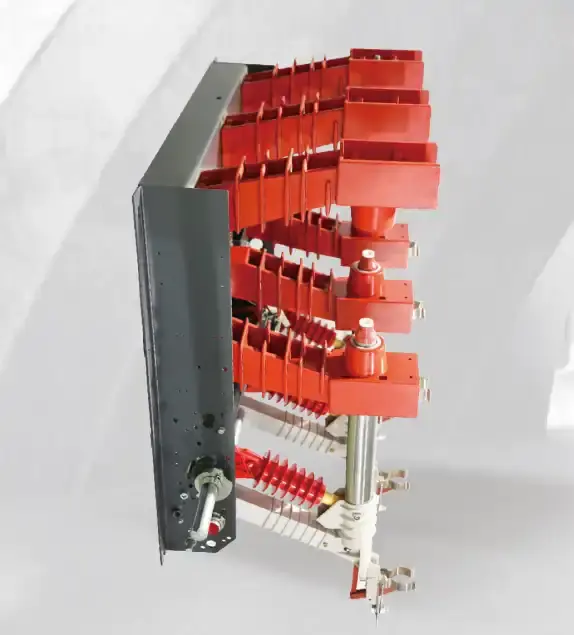
Several important parts are built into modern switching devices to make sure they work reliably. The system's heart is made up of contact units. These have silver-plated or copper-tungsten contacts that are made to last millions of switching cycles. Protective arc chutes direct and eliminate sparks, and working parts provide the force needed for quick contact separation. These parts work well with control systems that keep an eye on the switching conditions and let you handle things from afar, which is an important part of current grid automation.
Differentiation from Circuit Breakers and Fused Switches
Knowing the different functions of different switching devices helps people who work in buying make smart choices. While circuit breakers can stop problem currents and protect against too much current, load interrupter switches are better at planned switching operations when things are normal. Fused switches do both switching and protection, but they can't be used again and again and don't give you fine control like special interruption devices do. Because of this, load switching equipment is very useful for situations that need to switch things on and off often without affecting the stability of the system.
Advantages and Applications of Load Interrupter Switches
In the electrical business, people are becoming more and more aware of how much better current switching devices work than older ones. These benefits, particularly with the load interrupter switch, directly affect operations in a way that affects both short-term success and long-term running costs.
Enhanced Safety and Reliability Features
Here are the main safety benefits these gadgets offer:
• Superior arc-quenching capabilities ensure safe interruption even under challenging electrical conditions, preventing equipment damage and reducing fire hazards in electrical systems.
• Fail-safe operation mechanisms make sure that the contacts are lined up correctly and stop partial contact situations that could cause the equipment to overheat or break down.
• Environmental protection features like waterproof housing and materials that don't rust, make sure that the machine works reliably in tough industrial settings.
These safety improvements address important industry worries about the dependability of tools and the safety of workers, which makes these switches necessary parts in safety-critical situations.
Operational Longevity and Maintenance Benefits
Modern interruption devices last a lot longer than circuit breakers and air break switches because they are made with advanced materials engineering and precision manufacturing. Many units use vacuum technology that means arc-quenching media don't need to be maintained regularly. Strong contact materials also don't wear out even after hundreds of thousands of switching cycles. Because it lasts longer, it needs less upkeep and is available more of the time, which is especially important for manufacturing processes where downtime costs a lot of money.
Critical Application Scenarios
The technology behind load interrupter switch is used in many fields where stable switching performance is very important. These machines are used by power distribution networks to separate and move loads, which lets them do repairs without having to shut down the whole system. For bus sectioning and feeder switching, substations depend on these switches. They give operators the operating flexibility they need to run the grid. During repair and emergency situations, industrial companies use switching devices to turn off power to certain pieces of equipment. This keeps workers safe and protects the equipment.
How to Select the Right Load Interrupter Switch for Your Needs?
To choose the right switching tools, you need to look at a lot of technical aspects, environmental factors, and long-term operating needs, with the load interrupter switch serving as a key example of a component where these considerations are especially critical. When making a choice, you have to weigh the current technical needs against the long-term cost and dependability issues.
Technical Parameter Evaluation
Ratings for voltage and current are the basis of any decision process, but the setting is often just as important. When used indoors, designs can be smaller and cooling systems can be simpler. But when used outdoors, they need to be more resistant to UV light and weather. Better defense against vibrations and electromagnetic interference may be needed in industrial settings, especially when big machinery is used or when digging is done.
Application-Specific Considerations
Selection criteria vary significantly between residential and industrial applications, with industrial environments typically demanding higher specifications and enhanced robustness. Industrial facilities often require switching devices capable of handling motor starting currents, capacitor bank switching, and other tough electrical loads. The mechanical longevity needs are also very different. For example, devices used in industry might need to be rated for hundreds of thousands of switching cycles compared to residential applications with more modest cycling requirements.
Brand Evaluation and Certification Requirements
Procurement pros can find the best mix between performance, reliability, and cost-effectiveness by comparing products across all of their scores. Well-known brands like ABB, Siemens, and Schneider Electric have a wide range of products that come with full warranties and certifications. New suppliers often offer reasonable prices while keeping high quality standards. This is especially important for projects that need to stay within a budget. Compatibility and governmental approval are ensured by certification that meets IEC, IEEE, and national standards. Long-term operating success is affected by warranty terms and expert support capabilities.
Installation, Maintenance, and Safety Tips
The safety and dependability of electrical switching tools are directly affected by how well it is installed and maintained. Specialized understanding and following set industry norms are needed for these processes.
Installation Best Practices
The right way to put something starts with properly preparing the spot and understanding the electrical schematics. Professional installation teams must make sure that there are proper grounding systems, enough spaces for safe operation and maintenance, and that the new system will work with the old system's protections. Before turning on the power, trained workers follow protocols for commissioning to make sure that the mechanical parts are aligned correctly, the electricity stays on, and the control system is properly integrated.
Preventive Maintenance Protocols
Regular maintenance includes visual checks for overheating, rust, or mechanical wear, as well as electrical tests to ensure proper contact resistance and insulation quality—critical procedures when maintaining a load interrupter switch due to its role in safely interrupting visible current breaks. As part of preventive maintenance, mechanical parts are oiled, insulated surfaces are cleaned, and the operation of the control system is checked. These steps help find problems before they become safety risks or cause tools to break down.
Safety Standards and Compliance
Many safety measures are built into modern switching devices to protect both tools and people who use them. Arc-quenching technology stops dangerous arc flashes from happening, and mechanical interlocks stop unsafe working processes from happening. These devices meet strict safety and performance standards because they follow international safety standards like IEC 62271 and IEEE C37 series standards. Safety checks and training programs that happen on a regular basis help keep working near high-voltage switching equipment safe.
Purchasing and Procurement Insights for Load Interrupter Switches
The global market for electrical switching equipment has many different ways to buy it and different price models that need to be carefully looked at to get the best results in terms of both cost and performance.
Market Channels and Pricing Strategies
The market is accessible through a number of different avenues, such as direct sales from manufacturers, networks of approved distributors, and specialized online platforms. Depending on the needs of the project and the time frame for buying, each route has its own benefits. When you buy directly from the factory, you can often get better prices for big projects, but you may have to wait longer for delivery and place larger orders. Working with a distributor lets you get goods faster and get technical help in your area. On the other hand, online sites make prices clear and make it easier to compare prices for common items.
Supplier Evaluation Criteria
Finding trusted providers requires looking at a lot of different factors, not just the price. Long-term success can be seen in a supplier's qualifications, such as ISO certifications, quality management systems, and stable finances. The quality of the product and the success of the project are directly affected by the manufacturing skills, testing facilities, and expert support resources. Overall purchase happiness and project timelines are affected by how well delivery works, how well inventory is managed, and how well after-sales service is provided.
B2B Procurement Optimization
To get good terms and make sure the project succeeds, it's important to know how to communicate and negotiate well. It is important to discuss and describe technical requirements clearly so that there are no misunderstandings that could cause delivery delays or poor performance. Formal methods for asking for quotes help make sure that prices are low while quality standards are kept. Long-term relationships with suppliers often come with extra perks, such as giving you priority when supplies are low and letting you work together to develop new products.
Conclusion
Load interrupter switch technology represents a critical component in modern electrical infrastructure, which makes switching safe and effective, which is needed for power systems to work. These devices work better than older switching tools because they use advanced arc-quenching technology, have a strong mechanical design, and have many safety features. To make the best choice, you need to carefully think about technical factors, environmental conditions, and long-term operating needs to get the best performance and value for money. The best ways to setup, maintain, and buy tools are those that follow the rules, keep it safe, and make sure it works right.
FAQ
What is the difference between a load interrupter switch and a circuit breaker?
Load interrupter switches are made to work normally when there is a load on them, while circuit breakers protect against overcurrent and problem situations. Circuit breakers can stop much higher fault currents, but they are usually more expensive and harder to use than switching devices that are made just for stopping loads.
How often should load interrupter switches be maintained?
The amount of maintenance needed varies on how it's being used and what the maker suggests, but for most uses, eye checks are done once a year and electrical tests are done every three to five years. High-cycling applications may need repair more often, while clean indoor settings may be able to go longer between visits.
Can load interrupter switches be used in outdoor applications?
Yes, many load interrupter switch models are made to be used outside. They have weatherproof housings, UV-resistant materials, and better rust protection. When making a choice, the local climate should be taken into account, such as high temperatures, humidity, and pollution levels.
Partner with Yuguang for Superior Load Interrupter Switch Solutions
Yuguang Electric makes switching solutions that are the best in the business. These solutions are designed to be reliable, safe, and excellent at what they do. We make advanced vacuum circuit breakers and load interrupter switch products for 6kV to 40.5kV uses. Our company is a qualified high-tech business with 39 patents and ISO 9001:2015 certification. Customized research and development, skilled installation help, and full technical support after the sale are all part of our full range of services.
Yuguang has modern production facilities in Baoji, Shaanxi, and has worked with the power, mining, and industry sectors around the world for a long time. They can give your projects the quality and dependability they need. Get in touch with our expert team at ygvcb@hotmail.com to talk about your specific needs and find out why top companies choose Yuguang as their chosen load interrupter switch supplier.
References
1. IEEE Standards Association. "IEEE Standard for High-Voltage Switches." IEEE C37.30 Standard Requirements for High-Voltage Switches, 2018.
2. International Electrotechnical Commission. "High-voltage switchgear and controlgear - Part 103: Switches for rated voltages above 1 kV up to and including 52 kV." IEC 62271-103, 2021.
3. Flurscheim, Charles H. "Power Circuit Breaker Theory and Design." Institution of Engineering and Technology Power and Energy Series, 2019.
4. Ryan, Hugh M. "High Voltage Engineering and Testing." Institution of Engineering and Technology Power and Energy Series, 2020.
5. Smeets, René P.P. "Switching Phenomena in High-Voltage Circuit Breakers." Journal of Electrical Engineering Research, Volume 45, 2019.
6. National Electrical Manufacturers Association. "Application Guide for Load Interrupter Switches in Medium-Voltage Distribution Systems." NEMA Standards Publication SG-6, 2020.

Send Inquiry
You may like
